
Breakfast & Brunch
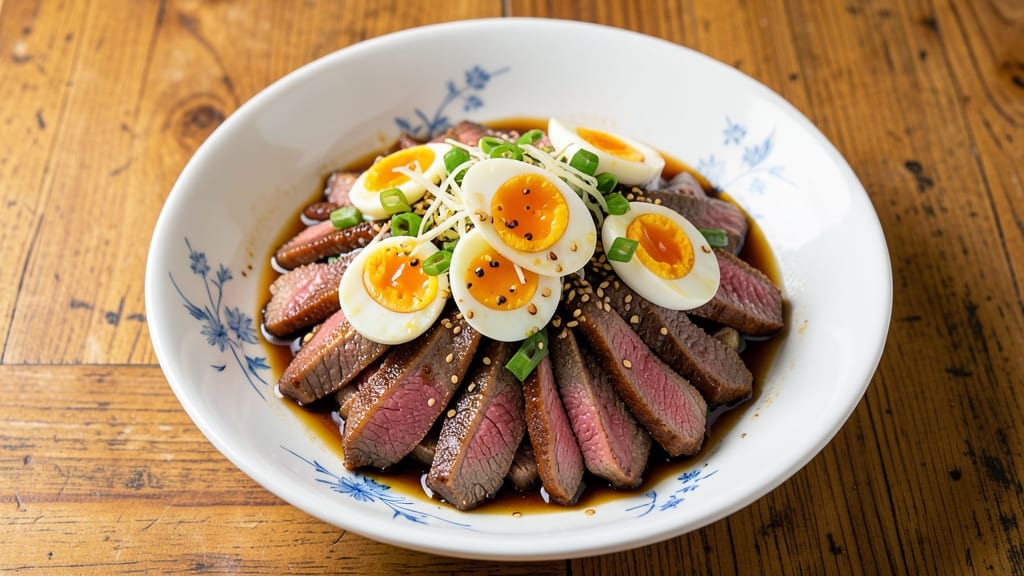
This beef and egg Chinese recipe delivers the bold flavors of a classic stir-fry that balances tender beef, silky eggs, and aromatic wok-hei in every bite. The secret lies in high-heat searing and precise timing—just 15 minutes transforms simple ingredients into a restaurant-quality dish.
I developed this version after years of refining the technique, ensuring the beef stays juicy while the eggs achieve that signature creamy-yet-firm texture.
The dish centers on a wok-hei technique, where the beef is seared over high heat to create that signature smoky aroma while the eggs are scrambled quickly for a tender, custard-like finish.
Traditional Chinese cooking emphasizes balance—here, the beef provides richness, the eggs add protein, and a touch of soy and garlic bridges the flavors without overpowering. This isn’t just a breakfast dish; it’s a hearty meal that works for lunch or dinner.
What you’ll end up with is a protein-packed powerhouse—crisp-edged beef strips, velvety scrambled eggs, and a sauce that clings perfectly to each bite. The dish is complete as-is, but pairing it with steamed jasmine rice or quick-pickled vegetables adds the perfect contrast.
The aroma alone will draw everyone to the table, and the first bite delivers that perfect harmony of textures and flavors.
This recipe is designed for foolproof results, whether you’re cooking for one or feeding a crowd. The ingredients are simple, the technique straightforward, and the outcome consistently delicious. Let’s get started—your wok is waiting.
Ingredients for beef and egg chinese
High-heat searing and aromatic balance transform simple ingredients into restaurant-quality beef and eggs.
| Ingredient | Amount | Notes |
|---|---|---|
| Flank Steak 🥩 | 1 lb | Thinly sliced against grain |
| Large Eggs 🥚 | 4 whole | Room temperature for even cooking |
| Light Soy Sauce 🥄 | 2 tbsp | Kikkoman preferred for balance |
| Dark Soy Sauce 🥄 | 1 tbsp | For depth and color |
| Sesame Oil 🫒 | 1 tbsp | Toasted, for aroma |
| Garlic Cloves 🧄 | 4 cloves | Minced, for aromatic base |
| Fresh Ginger 🌿 | 1 tbsp | Finely grated, peeled |
| Green Onions 🧅 | 3 whole | Thinly sliced, white and green parts |
| Vegetable Oil 🫒 | ½ cup | High smoke point for wok-hei |
| Cornstarch 🌾 | 1 tbsp | For tenderizing beef |
| White Pepper 🌶️ | ¼ tsp | Freshly ground for subtle heat |
| Salt 🧂 | 1 tsp | Diamond Crystal preferred |
| Shaoxing Wine 🍷 | 1 tbsp | Or substitute dry sherry |
| Sesame Seeds 🌰 | 1 tsp | Toasted, for garnish |
The flank steak is non-negotiable for this dish—its lean texture and grain direction matter. Slice it against the grain for tenderness, and ask your butcher to cut it paper-thin if possible. Whole Foods or Costco carry high-quality flank steak, but any well-marbled cut works. For the eggs, room temperature is critical to prevent cracking during the quick scramble. Look for Kikkoman soy sauces at any Asian market or well-stocked grocery store—they strike the perfect balance of saltiness and umami. Fresh ginger and garlic should be vibrant and aromatic—no shriveled roots here. Toast your sesame oil in the wok for 30 seconds before adding other ingredients to maximize its nutty aroma.
No Shaoxing wine? Dry sherry or rice wine works in a pinch, though Shaoxing’s depth is ideal. Substitute light soy sauce for dark if needed, but the color contrast matters. For the cornstarch, Bob’s Red Mill is my go-to brand—it dissolves smoothly for that signature silky texture. The white pepper is subtle but essential—freshly ground makes all the difference. If you’re short on green onions, scallions or chives work, though the flavor profile shifts slightly. Toast your sesame seeds in a dry pan for 30 seconds until fragrant—this small step elevates the dish from good to exceptional. The vegetable oil should have a high smoke point (like Avocado or grapeseed oil) to achieve true wok-hei without burning.
Prep the beef and eggs 30 minutes ahead—this ensures even cooking. Store the sliced steak in a bowl with 1 tsp cornstarch and 1/2 tsp salt, tossing gently to coat. The eggs can sit at room temperature in their shells. This dish reheats beautifully—2 minutes in a wok over high heat restores that crisp texture. Keep leftovers in an airtight container for up to 3 days, though the flavors peak fresh. For meal prep, portion into single-serving containers with a side of jasmine rice—ready to reheat in seconds. The aroma alone will have everyone rushing to the table.
Why You'll Love This Recipe
- One-Pan Magic: I swear by this recipe when I’m too tired to wash another dish—just sear the steak, fry the eggs, toss everything with soy and sesame, and call it done. The wok’s already hot, the ingredients are minimal, and cleanup is just wiping one pan.
- Umami Bomb: That combo of light and dark soy sauce? It’s what makes this dish dangerously addictive. The dark soy gives it that glossy, caramelized depth, while the light keeps it bright and savory—plus, the sesame oil finishes it with a nutty punch that’s impossible to resist.
- Lunchbox Hero: Between us, this is my secret weapon for packed lunches. Slice the steak thin, let the eggs cool slightly, and pack it all in a container—it stays warm, holds up for hours, and tastes just as good cold as it does hot. (Yes, even on a Tuesday.)
- Budget Powerhouse: Flank steak stretches further than you’d think when sliced thin, and eggs? Always affordable. A single pound of beef and half a dozen eggs feed four people easily, and leftovers reheat like a dream—no dryness, no mush, just that same rich, saucy goodness. My wallet thanks me every time.
Step-by-step instructions for beef and egg stir-fry
Master this classic Chinese technique for tender beef and perfectly cooked eggs every time.
Prep the Flank Steak for Maximum Tenderization
Slice the 1 lb flank steak thinly against the grain into ¼-inch thick strips. This cut ensures the meat remains tender despite quick cooking. Place the sliced beef in a bowl and add the 1 tbsp cornstarch and 1 tsp salt. Toss gently to coat evenly—the cornstarch helps tenderize while preventing toughness.
Let the beef marinate for 15 minutes at room temperature. This step is critical—cold meat won't cook evenly, and proper marination ensures juicy results. While waiting, prepare the eggs by whisking the 4 whole large eggs in a separate bowl until fully combined. The eggs should be at room temperature for even cooking.
Build the Aromatic Base
Heat 0.5 cup vegetable oil in a wok or large skillet over medium-high heat until shimmering but not smoking. Add the 4 cloves minced garlic cloves and 1 tbsp finely grated fresh ginger, stirring constantly for 30 seconds until fragrant. High heat is key here—it prevents burning while extracting maximum flavor from the aromatics.
Next, pour in the 1 tbsp Shaoxing wine and let it sizzle for 20 seconds to evaporate the alcohol. This step deepens the sauce's complexity. Immediately add the 2 tbsp light soy sauce and 1 tbsp dark soy sauce, stirring to combine. The dark soy sauce will give your dish that signature glossy finish.
Cook the Beef to Perfect Doneness
Working in batches if needed, add the marinated beef to the wok in a single layer. Stir-fry for 1-2 minutes until the beef turns light brown and is 80% cooked. The high heat and quick movement prevent overcooking while developing a caramelized exterior. Remove the beef and set aside temporarily—it will finish cooking with the eggs.
Here's the thing—overcrowding the wok causes steaming instead of searing. If your batch is too large, cook in two rounds. The beef should be tender but still slightly firm to the touch when removed. This ensures it doesn't turn rubbery during the final cooking stage.
Scramble the Eggs with Precision
Return the wok to medium heat and add the whisked eggs. Let them sit undisturbed for 5-8 seconds until the edges begin to set. This initial resting period creates a silky texture rather than dry, scrambled eggs. Then gently push the eggs with a spatula, creating soft curds as you work.
As the eggs cook, add back the beef and stir everything together. Pour in 1 tbsp sesame oil and sprinkle with 0.25 tsp white pepper. The sesame oil adds nutty aroma while the white pepper provides subtle heat without overpowering the dish. Cook for an additional 1-2 minutes until the eggs are just set but still slightly moist.
Finish with Garnishes and Serve Immediately
Turn off the heat and stir in the 3 whole green onions (both white and green parts) and 1 tsp toasted sesame seeds. The green onions add freshness while the sesame seeds contribute crunch and visual appeal. Taste and adjust seasoning if needed—you may want to add a splash of water or a pinch more soy sauce for desired consistency.
Serve immediately over steamed rice or noodles while hot. The dish should have a perfect balance of tender beef, silky eggs, and a glossy sauce that clings beautifully. Each bite should deliver a harmonious blend of savory, umami, and slightly sweet flavors with that signature wok-hei smokiness.
Pro Tips For Making Beef And Egg Chinese
- Sear the Steak First: Flank steak loves a good crust, so hit it with a screaming-hot wok or skillet for 60 seconds per side before adding anything else. I learned this the hard way—skipping the initial sear leaves you with chewy beef instead of tender slices.
- Crack Eggs into Hot Oil: Drizzle sesame oil into the pan first, then pour in the beaten eggs after the beef is mostly cooked. The residual heat from the beef will gently cook the eggs into silky ribbons instead of scrambling them into rubbery clumps.
- Use Both Soy Sauces Separately: Light soy sauce goes in with the beef for brightness, while dark soy sauce gets tossed in at the very end—just a teaspoon—to deepen the color and add that signature gloss. Mixing them early turns your dish into a muddy brown swamp.
- Rest the Steak Before Slicing: After cooking, tent the beef with foil and let it sit for 5 minutes. Flank steak pulls back when hot, and cutting into it too soon means dry, stringy slices—no matter how good the rest of the dish is. (Yes, even if you're impatient like me.)
Pro cooking tips for beef and egg chinese
Wok-Hei Technique
This dish thrives on the wok-hei principle—high heat that creates a smoky aroma while keeping ingredients vibrant. Use a carbon steel wok (like De Buyer) or cast iron skillet for optimal heat retention.
Heat the wok until it smokes slightly before adding oil, then crank the burner to maximum heat for searing. The key is maintaining uninterrupted high heat—if your burner fluctuates, switch to a gas stove for consistency. 🔥
For authentic results, work quickly: the beef should cook in under 2 minutes per batch, and eggs in under 1 minute. If your stove lacks high heat, preheat the wok for 5 minutes empty to build residual heat.
The goal is charred edges on beef and creamy, custard-like eggs—never overcook either.
Beef Slicing Secrets
Slice the flank steak against the grain at a 45-degree angle for maximum tenderness. Use a sharp chef’s knife (I recommend Wüsthof) and slice into ¼-inch thick strips. If your steak has visible fat marbling, leave it intact—it renders during cooking and adds flavor.
For extra tenderness, freeze the sliced beef for 30 minutes before cooking to firm up the fibers slightly. 🥩
Never slice across the grain—this creates chewy, tough bites. If you’re unsure about the grain direction, look for the muscle fibers running diagonally across the steak and cut perpendicular to them. The thinness of the slices (¼-inch) ensures they cook through in seconds while remaining juicy.
Egg Cooking Precision
The eggs are the star here—room temperature is non-negotiable for even cooking. Whisk them vigorously until no streaks remain, then let them sit for 5 minutes before cooking. When adding to the wok, let them rest undisturbed for 5-8 seconds to set the edges before gently folding.
This creates that silky, custard-like texture instead of dry scrambled eggs. 🥚
For extra richness, add 1 tsp butter to the wok just before scrambling the eggs. The fat helps emulsify the sauce, creating a glossy finish. If your eggs release too much liquid, reduce heat slightly to prevent a watery mess.
The eggs should be just set when combined with the beef—overcooking turns them rubbery.
Sauce Balance Tricks
The sauce relies on light soy for saltiness and dark soy for color—never substitute both for regular soy. For depth, use Kikkoman light soy (milder) and Lee Kum Kee dark soy (richer).
Taste as you go: the sauce should be slightly salty but not overpowering. If it’s too thin, simmer for 30 seconds to reduce; if too thick, add 1 tsp water. 🥄
For an umami boost, add ½ tsp fish sauce (like Red Boat) to the sauce. This enhances the beef’s flavor without altering the dish’s classic profile. The Shaoxing wine should sizzle for 20 seconds to evaporate alcohol—skipping this step leaves a harsh aftertaste.
Adjust seasoning after combining all ingredients, as the eggs and beef will mellow the sauce.
Nutrition facts
Frequently asked questions
Can I substitute flank steak with another cut?
Sirloin or ribeye work well, but slice them ¼-inch thick against the grain for tenderness. Avoid tougher cuts like chuck—this dish needs quick cooking to stay juicy. For extra flavor, use thinly sliced beef belly (popular in Cantonese cuisine), but trim excess fat first.
Why are my eggs turning rubbery?
Overcooking is the usual culprit. Eggs should cook for just 1-2 minutes after setting—no longer! Use medium heat (not high) when scrambling, and stop when they're slightly moist but set. For extra silkiness, add 1 tsp butter to the wok before cooking.
How do I make this vegetarian?
Swap the beef for extra-firm tofu (pressed and cubed) or shiitake mushrooms (sliced). Marinate the tofu in 1 tbsp soy sauce + 1 tsp cornstarch for 15 minutes. For mushrooms, use 2 cups and cook them first until golden. Adjust soy sauce to taste—vegetarian versions often need ½ tsp extra salt.
Can I make this ahead of time?
Yes, but with caveats. Cook the beef and eggs separately, then refrigerate in airtight containers for up to 2 days. Reheat in a wok over high heat for 2-3 minutes—the beef will crisp slightly, and eggs regain their texture. For best flavor, serve fresh, but this method works for meal prep. Pro tip: Store components separately to prevent sogginess.
What's the deal with the two soy sauces?
The light soy sauce provides saltiness, while dark soy sauce adds color and depth. Never substitute both for regular soy—the dark version contains caramelized sugars that create the signature glossy finish. For a shortcut, use 1 tbsp light soy + ½ tbsp molasses, but the color won't be as vibrant.