
Soups & Stews
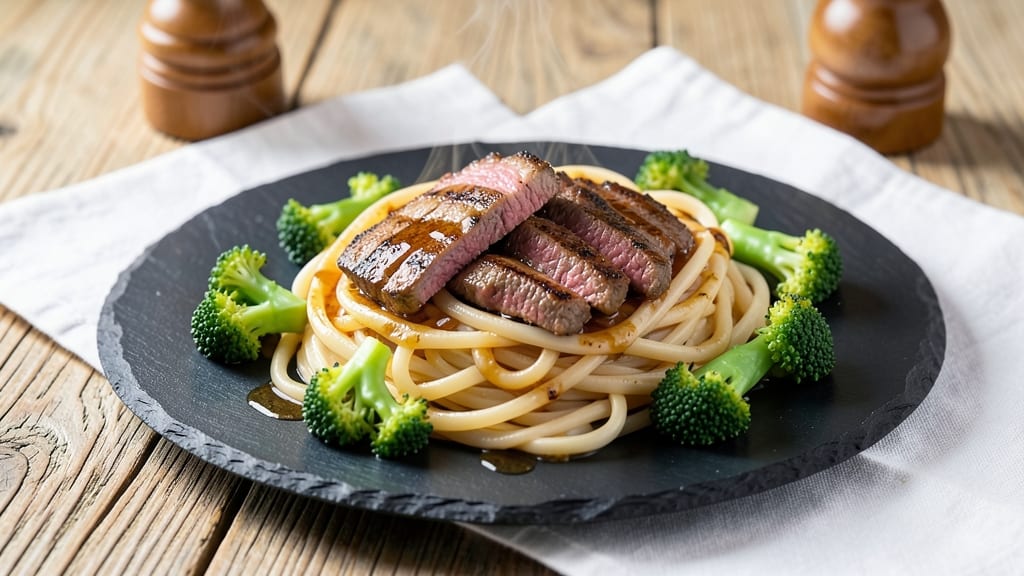
This beef and broccoli udon recipe transforms a simple wok session into a restaurant-worthy meal with tender beef, crisp-tender broccoli, and silky udon noodles bathed in a savory-sweet sauce.
The secret lies in high-heat searing for the beef—just 2 minutes per side—and blanching the broccoli to preserve its vibrant green color and crisp texture.
I developed this version after craving a dish that balanced rich umami flavors with bright, fresh vegetables, and the result is a perfect harmony of textures and tastes that feels both comforting and elevated.
What sets this recipe apart is the sauce—a balanced blend of soy sauce, mirin, and a touch of honey—that coats every component without overpowering the natural flavors. The udon noodles are cooked to perfection, just tender enough to soak up the sauce while maintaining their signature chewy texture.
For an extra layer of depth, I recommend finishing with a sprinkle of sesame seeds and a drizzle of chili oil, which adds a subtle kick that cuts through the richness of the beef.
The dish comes together in under 30 minutes, making it ideal for a weeknight dinner that still feels special. The beef remains juicy and flavorful, the broccoli retains its crisp bite, and the udon noodles are silky and satisfying.
Serve it with a side of pickled ginger to cleanse the palate or a small bowl of miso soup for a complete meal that’s both hearty and balanced.
This recipe is versatile enough to adapt to your preferences—swap the beef for shrimp or tofu for a lighter version, or adjust the sauce to be sweeter or saltier based on your taste.
The key is keeping everything hot and ready to combine at the end, so the flavors meld perfectly. Let’s get cooking!
Ingredients for beef and broccoli udon
Quick grocery run for beef, broccoli, and udon—everything else is probably already in your pantry.
| Ingredient | Amount | Notes |
|---|---|---|
| Udon Noodles 🍜 | 8 oz | Fresh or dried, cooked al dente |
| Flank Steak 🥩 | 1 lb | Thinly sliced against grain |
| Broccoli Florets 🥦 | 2 cups | Large florets, blanched 1 minute |
| Light Soy Sauce 🥄 | ⅓ cup | Kikkoman preferred |
| Mirin 🍶 | 2 tbsp | Sweet rice wine |
| Honey 🍯 | 1 tbsp | Substitute maple syrup if needed |
| Garlic Cloves 🧄 | 4 cloves | Minced, fresh preferred |
| Ginger Root 🌿 | 1 tbsp | Freshly grated |
| Sesame Oil 🫒 | 1 tbsp | Toasted, for aroma |
| Neutral Oil 🫒 | 2 tbsp | Vegetable or canola |
| Sesame Seeds 🌰 | 1 tbsp | Toasted for garnish |
| Chili Oil 🌶️ | 1 tbsp | Optional, for heat |
| Salt 🧂 | 1 ½ tsp | Kosher or sea salt |
| Black Pepper 🌶️ | ½ tsp | Freshly ground |
The beef is everything here. Flank steak gives that perfect chew and flavor—ribeye or sirloin work too, but slice it thin against the grain. I grab mine from the butcher counter at Whole Foods or Trader Joe's when it's on sale. Look for bright red color and good marbling. Pro tip: Let it sit at room temp for 20 minutes before cooking—makes all the difference. Broccoli? Fresh is non-negotiable—frozen loses that crisp texture. Buy the thick stems too—they're packed with flavor.
No mirin? Dry sherry plus 1 tsp sugar works in a pinch. The udon noodles can be fresh or dried—just check the package for cooking time. Fresh ones are quicker but dried keep forever. Sesame oil is non-negotiable for aroma though—don't skip it. The honey adds balance to the soy and mirin, but if you're avoiding sugar, maple syrup does the trick. For extra umami, add a splash of fish sauce to the sauce (trust me). And if you're feeling fancy, swap the flank steak for scallops or shrimp—same technique, different protein.
Udon noodles keep 1 week in the fridge if unopened, but once cooked, they're best used within 2 days. Store them in a sealed container with a splash of water to prevent drying. The sauce components (soy, mirin, honey) last 6 months in the pantry, so make extra. I always double the sauce and freeze half for next time. The sesame seeds and chili oil? Buy small jars—they go fast. Toast the seeds right before serving so they're perfectly crisp.
Why You'll Love This Recipe
- One-Pot Magic: I swear by this recipe—just one pan, minimal cleanup. The flank steak slices itself while the broccoli steams in the same sauce, and those udon noodles? They soak up every last drop of that salty-sweet mirin glaze like a sponge.
- Umami Bomb: That combo of light soy and mirin transforms plain beef into something ridiculously flavorful. Honestly, the first time I tasted it, I thought, "Why haven’t I been doing this forever?" The broccoli stays crisp, the beef stays tender, and the sauce? Sticky, glossy perfection.
- Lunchbox Hero: Between us, this is my go-to for packed lunches—it reheats like a dream. Toss it in a thermos, and the noodles stay al dente while the beef stays juicy. My coworker asked for the recipe after three days in a row.
- Budget Powerhouse: Flank steak is cheaper than you think, and udon noodles last forever in the pantry. I made this for six people last month and still had leftovers for breakfast the next day—fried up with an egg, no less. (Yes, even on a Tuesday night.)
Step-by-step instructions for beef and broccoli udon
Here's how to make this wok-seared dish with tender beef and perfectly cooked udon.
Prepare the Udon Noodles
Cook the 8 oz udon noodles according to package instructions until al dente—usually about 4-5 minutes in boiling water. They should be tender but still have a slight bite. Drain immediately and rinse under cold water for 10 seconds to stop the cooking process. This prevents them from becoming mushy when mixed with the hot sauce later.
While the noodles cook, prepare a large bowl of ice water. Once drained, transfer the udon to this ice bath for 30 seconds to cool rapidly. Drain again and toss with 1 teaspoon sesame oil to prevent sticking. Set aside—we'll assemble everything together at the end for maximum flavor absorption.
Marinate and Sear the Flank Steak
Slice the 1 lb flank steak thinly against the grain into ¼-inch thick strips. In a small bowl, combine 0.33 cup light soy sauce, 2 tbsp mirin, 1 tbsp honey, 1 tbsp grated ginger root, and 0.5 tsp black pepper. Add the steak strips and marinate for 15-20 minutes at room temperature. This ensures even cooking and maximum flavor penetration.
Heat 1 tablespoon neutral oil in a wok or large skillet over high heat until shimmering. Add the steak strips in a single layer and sear for 1-2 minutes until deep brown and slightly charred. Remove and set aside—we'll finish cooking the beef with the broccoli later to maintain its perfect texture.
Blanch and Stir-Fry the Broccoli
Bring a pot of salted water to a boil and blanch the 2 cups broccoli florets for exactly 1 minute. Drain immediately and plunge into ice water to stop cooking. This preserves their vibrant green color and crisp-tender texture. Drain again and pat dry with a paper towel.
In the same wok, add 1 tablespoon neutral oil and heat over medium-high heat. Add the blanched broccoli and stir-fry for 2-3 minutes until heated through. Push the broccoli to one side of the wok and add 4 minced garlic cloves. Stir for 30 seconds until fragrant—this prevents burning and adds depth of flavor.
Combine and Finish the Sauce
Return the seared steak to the wok and pour in the remaining 0.23 cup light soy sauce (reserving 1 tablespoon for later). Add 1 tablespoon toasted sesame oil and 1 tablespoon chili oil (if using). Stir everything together for 1-2 minutes until the sauce thickens slightly and coats the beef and broccoli.
Add the cooked udon noodles to the wok and toss gently to combine. If the mixture seems dry, add 1-2 tablespoons hot water from the noodle pot to loosen. Taste and adjust seasoning—you might need a touch more soy sauce or honey for balance. The sauce should be glossy but not watery.
Serve with Garnish
Transfer the beef and broccoli udon to serving bowls. Drizzle with the reserved 1 tablespoon light soy sauce and top with 1 tablespoon toasted sesame seeds. Serve immediately while hot—this dish tastes best fresh off the wok when the noodles are silky and the beef is still tender.
For extra richness, serve with a side of steamed jasmine rice or crispy fried wontons. The combination of wok-seared beef, blanched broccoli, and chewy udon creates a perfect balance of textures and flavors in every bite.
Pro Tips For Making Beef And Broccoli Udon
- Slice Steak Thin: Flank steak fights back when you try to cut it against the grain—it gets tough. Use a sharp knife and slice perpendicular to the grain, holding the knife flat like a guillotine. If it’s still chewy, you didn’t go thin enough.
- Blanch Broccoli First: Toss broccoli florets in boiling water for 30 seconds before stir-frying. It softens the core, keeps the color bright, and stops it from turning to mush mid-cook. (Yes, even if you’re impatient like me.)
- Deglaze Hot: After searing the beef, don’t let the pan cool—immediately add a splash of mirin and light soy sauce. The residual heat lifts flavors into the sauce instead of leaving them stuck. Scrape the pan like you mean it.
- Finish with Cold Noodles: Cook udon al dente, then rinse in cold water to stop cooking. Tossing them hot into the sauce makes them gummy. Cold noodles absorb the sauce better and stay chewy, not mushy. (Your future self will thank you.)
Flavor customization for this recipe
Spicy Heat Boost
If you love a little kick, add 1 teaspoon gochujang or ½ teaspoon sriracha to the sauce mixture. For extra heat, stir in 1 teaspoon chili crisp (like Laotian chili jam) with the sesame oil.
I find ½ teaspoon crushed red pepper flakes sprinkled on top right before serving adds a nice visual pop and subtle heat without overwhelming the dish. 🌶️
Sweet and Tangy Twist
Brighten the flavors with 1 tablespoon rice vinegar and 1 teaspoon grated daikon radish in the sauce. For a fruity touch, replace the honey with 1 tablespoon plum sauce—it adds a subtle sweetness and depth.
I also like adding 1 teaspoon toasted sesame paste for nutty richness that pairs beautifully with the beef.
Umami Depth
For an extra layer of savory flavor, stir in 1 tablespoon fish sauce or 1 teaspoon mushroom powder into the sauce. If you have dried shiitake mushrooms, soak them in ¼ cup hot water for 10 minutes, then whisk the liquid into the sauce.
This adds a deep, earthy umami that elevates the entire dish. 💫
Herbaceous Freshness
Finish with 2 tablespoons chopped cilantro or 1 tablespoon Thai basil for a bright, fresh contrast. If you prefer a more traditional touch, add 1 tablespoon sliced green onions and a sprinkle of toasted nori flakes for a subtle oceanic note.
Fresh herbs add a pop of color and a refreshing finish that balances the richness.
Creamy Texture
For a silky texture, stir in 2 tablespoons coconut milk or 1 tablespoon tahini into the sauce. This works especially well if you're serving the dish to kids or anyone who prefers a smoother mouthfeel.
I also like adding 1 tablespoon silken tofu (mashed) for a lighter, creamier element that still holds up to the wok's heat.
Smoky Charred Notes
For a smoky twist, add ½ teaspoon smoked paprika or 1 teaspoon liquid smoke to the sauce. If you have a charred onion or garlic, blend it into the sauce for a deeper, caramelized flavor.
This works especially well if you're using charred broccoli stems (blanched and charred in the wok for 30 seconds) for added texture and complexity. 🔥
Nutrition facts
Frequently asked questions
Can I substitute flank steak with another cut of beef?
Sirloin or ribeye work beautifully—just slice them thinly against the grain for maximum tenderness. For a leaner option, try top round, but marinate it for 30 minutes to prevent dryness. Avoid tough cuts like chuck or brisket—they need longer cooking times and won't hold up to the quick sear.
Why is blanching broccoli important?
Blanching preserves the broccoli's vibrant color and crisp-tender texture. The 1-minute boil followed by ice water stops cooking instantly, preventing mushiness. If you skip this step, your broccoli will turn soggy when mixed with the hot sauce and beef. Pro tip: Use large florets—they hold up better to stir-frying.
How do I adjust the sauce for spicier or sweeter preferences?
For extra heat, add ½ teaspoon sriracha or 1 teaspoon gochujang to the sauce. For more sweetness, increase honey to 2 tablespoons or swap it for 1 tablespoon plum sauce. Balance is key—taste as you go! The sauce should complement, not overpower, the beef's natural flavor.
Can I make this recipe ahead of time?
Prep components separately, but assemble everything fresh. Cook the udon noodles and store them in cold water for up to 2 hours (drain and toss with sesame oil before serving). Sear the beef and store it separately for 1 day in the fridge. Reheat the beef and broccoli in the wok with a splash of water, then combine with fresh noodles and sauce.
What's the best way to reheat beef and broccoli udon?
Reheat the beef and broccoli in a wok or skillet over medium-high heat with 1 tablespoon water for 2-3 minutes until hot. Add fresh udon noodles (cooked separately) and toss with the sauce. The residual heat will warm everything through. Avoid microwaving—it makes the udon mushy and the beef dry.