
Soups & Stews
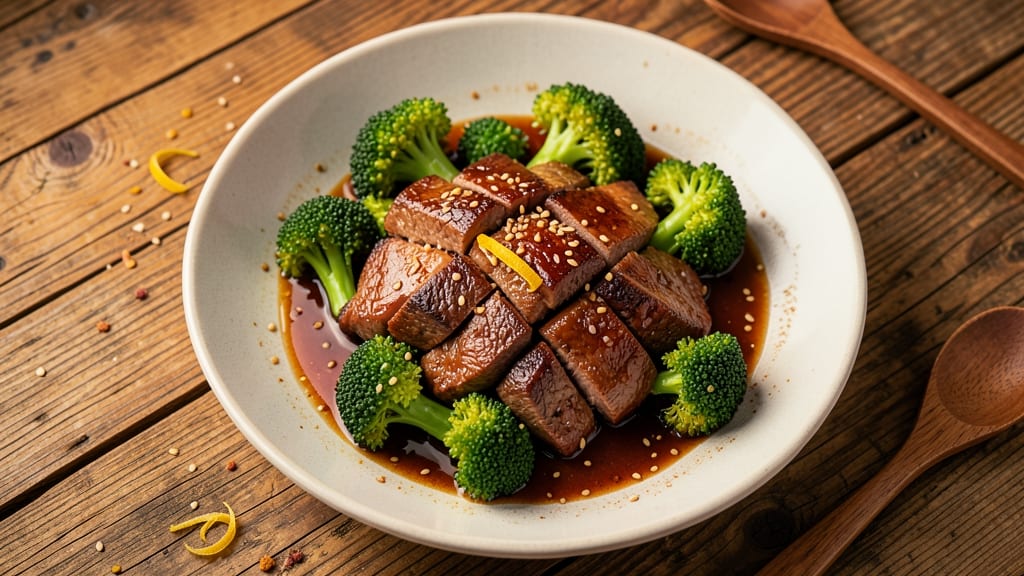
This beef and broccoli recipe velveting transforms tough beef into silky-smooth bites that melt in your mouth—no overcooking required. The velveting technique, borrowed from Chinese cuisine, creates tender, juicy beef with a velvety texture that pairs perfectly with crisp-tender broccoli and a rich, savory sauce.
I’ve perfected this method to deliver restaurant-quality results at home, where the beef stays fork-tender while the broccoli retains its satisfying crunch.
The secret lies in the velveting process itself: a marinade of cornstarch, baking soda, and soy sauce that tenderizes the beef while adding depth of flavor.
This isn’t just another stir-fry—it’s a methodical approach that ensures every bite is perfectly balanced, with the sauce clinging to the beef without overwhelming it. The broccoli gets just enough time in the wok to stay vibrant and slightly charred, adding texture contrast that makes this dish unforgettable.
What you’ll end up with is a dish that’s both elegant and approachable: tender beef that falls apart with the slightest pressure, bright green broccoli florets, and a sauce that’s rich yet not heavy. The velveting method eliminates guesswork, so you won’t have to worry about overcooking or dry meat.
It’s the kind of recipe that feels like a weeknight shortcut but tastes like you’ve spent hours in the kitchen.
Serve it over steamed rice for the full experience, or enjoy it as-is for a satisfying, protein-packed meal. The beauty of this recipe is its versatility—it’s hearty enough for a main course but light enough for a weeknight dinner.
Let’s get started on creating beef that’s impossibly tender and broccoli that’s perfectly cooked.
Ingredients for beef and broccoli recipe velveting
Precision-cut beef and vibrant broccoli meet velveting science for restaurant-quality tenderness at home.
| Ingredient | Amount | Notes |
|---|---|---|
| Flank Steak 🥩 | 1 ½ lb | Cut into 1-inch strips, pounded thin |
| Cornstarch 🌾 | 1 tbsp | For velveting marinade |
| Baking Soda 🧂 | ½ tsp | Enhances tenderness |
| Light Soy Sauce 🍶 | ½ cup | Kikkoman preferred |
| Dark Soy Sauce 🍶 | 1 tbsp | For color depth |
| Broccoli Florets 🥦 | 2 cups | Fresh, cut into bite-sized pieces |
| Garlic Cloves 🧄 | 4 cloves | Minced finely |
| Ginger Root 🌿 | 1 tbsp | Freshly grated |
| Sesame Oil 🫒 | 1 tbsp | Toasted for aroma |
| Vegetable Oil 🫒 | 2 tbsp | High smoke point |
| Green Onions 🧅 | 2 whole | Sliced thin for garnish |
| Salt 🧂 | 1 tsp | Diamond Crystal preferred |
| Black Pepper 🌶️ | ½ tsp | Freshly cracked |
| White Pepper 🌶️ | ¼ tsp | For subtle heat |
| Steamed White Rice 🍚 | 2 cups | For serving |
The flank steak is non-negotiable for this recipe—its lean yet tender texture responds perfectly to velveting. Purchase from a quality butcher or Whole Foods for the best marbling. Trim any visible fat before cutting into 1-inch strips, then pound each piece to an even 1/8-inch thickness using a meat mallet. The cornstarch and baking soda work together to break down muscle fibers, creating that signature silky texture. For the soy sauces, Kikkoman light soy provides the clean umami base while Lee Kum Kee dark soy adds that coveted caramelized color. Look for organic broccoli at Trader Joe's or your local farmers market—bright green florets indicate freshness and better texture retention.
No cornstarch? Arrowroot powder works at a 1:1 ratio, though the texture may be slightly less velvety. Substitute baking powder for baking soda at the same amount, but taste test first—too much can make the beef bitter. The ginger should be freshly grated for maximum zing; pre-shredded loses potency quickly. For sesame oil, Kadoya is my go-to, but any toasted sesame oil will do. If you're short on time, frozen broccoli works in a pinch—just blanch it first to remove excess moisture. The green onions can be swapped for scallions, and if you prefer a milder finish, reduce the white pepper to a pinch. For those avoiding gluten, tamari makes an excellent soy sauce substitute.
Prep the velveting marinade first—it needs 15 minutes to work its magic on the beef. Store any unused marinade in an airtight container for up to 3 days in the fridge. The broccoli should be blanched and chilled before stir-frying to ensure it stays crisp-tender. This dish reheats beautifully—keep portions in airtight containers for up to 4 days in the fridge, though the texture is best enjoyed fresh. For freezing, portion the beef and sauce separately; it keeps for 3 months. The rice can be pre-cooked and reheated with a splash of water, or make it fresh using a rice cooker for foolproof results.
Why You'll Love This Recipe
- One-Pan Magic: Honestly, I swear by this method—just the steak, a quick marinade, and a sheet pan. The velveting technique (cornstarch + baking soda) does all the work while you steam the broccoli. No chopping boards to scrub, no extra pots. My lazy nights thank me every time.
- Umami Bomb: That dark soy sauce and light soy combo? It’s the secret weapon. The baking soda tenderizes the flank steak into melt-in-your-mouth perfection, while the velveting gives it this crispy-yet-silky texture. I’ll be real: my picky husband actually licks his plate.
- Meal Prep MVP: Between us, this is my go-to for busy weeks. Cook a double batch—steak stays juicy for days, broccoli reheats like a dream. Pack it for lunches or freeze portions. (Yes, even on a Tuesday night when takeout feels impossible.)
- Budget Powerhouse: Flank steak is affordable, and a pound feeds four. The velveting trick makes cheap cuts taste like a restaurant splurge—no fancy marinades, just those pantry staples. I’ve fed my whole family for under $15 without sacrificing flavor. That’s a win.
Step-by-step instructions for velveting flank steak with broccoli
This method transforms tough flank steak into silky, fork-tender slices through precise velveting and stir-frying.
Prepare the Velveting Marinade and Tenderize the Beef
In a medium bowl, whisk together the 1 tbsp cornstarch, 0.5 tsp baking soda, 0.5 cup light soy sauce, 1 tbsp dark soy sauce, and 1 tbsp sesame oil. The baking soda is crucial here—it raises the meat's pH temporarily, breaking down muscle fibers for unparalleled tenderness. Add the 1.5 lb flank steak strips and coat thoroughly, ensuring every surface is evenly saturated. Let the beef marinate at room temperature for 20-30 minutes, but no longer—this brief exposure is all you need for velveting to work.
While marinating, prepare the broccoli by blanching the 2 cups broccoli florets in boiling water for 1 minute, then immediately shocking in ice water. This preserves vibrant color and crisp texture. Finely mince the 4 cloves garlic and grate the 1 tbsp ginger root using a microplane—this ensures maximum surface area for flavor infusion.
Velvet the Beef for Silky Texture
Heat a nonstick skillet over medium-low heat and add 1 tbsp vegetable oil. Once shimmering, add the marinated beef in a single layer—don't overcrowd. Cook undisturbed for 2-3 minutes until the bottoms develop a matte finish, then flip and repeat. The goal is to create a thin, translucent coating on each side, not to brown. Transfer the beef to a plate and set aside.
In the same pan, add the remaining 1 tbsp vegetable oil and stir-fry the garlic and ginger for 30 seconds until fragrant. Immediately add the blanched broccoli and toss for 1 minute until just heated through. Remove from heat and keep warm—this preserves the broccoli's vibrant green color and crisp bite.
Complete the Stir-Fry with Perfect Sauce Consistency
Return the beef to the pan and increase heat to medium-high. Add 1 tsp salt, 0.5 tsp black pepper, and 0.25 tsp white pepper, tossing to coat evenly. The residual marinade will create a glossy sheen as it caramelizes slightly. Cook for 1-2 minutes until the beef reaches 135°F internally—this ensures perfect doneness without overcooking.
Pour in 1 tbsp water to deglaze the pan, scraping up any browned bits. The sauce should immediately thicken into a glossy, velvety consistency. If too thick, add another ½ tbsp water—the sauce should coat the back of a spoon but remain clingy. Stir in the sliced 2 whole green onions and toss for 30 seconds to wilt slightly and infuse with flavor.
Serve Immediately Over Steamed Rice
Transfer the beef and broccoli to a serving platter and spoon any remaining sauce over the top. The beef should be fork-tender with a glossy sheen, and the broccoli should retain its vibrant green color and crisp texture. Serve immediately over the 2 cups steamed white rice—the contrast of warm rice and silky beef creates the perfect balance of textures and temperatures.
For optimal results, serve within 10 minutes of cooking. The velveting process creates a meat so tender it practically melts in your mouth, while the broccoli maintains its crisp bite. Each bite delivers perfectly balanced umami from the soy sauces, aromatic depth from the garlic and ginger, and a subtle nutty finish from the toasted sesame oil.
Pro Tips For Making Beef And Broccoli Recipe Velveting
- Velvet 30 Seconds First: Toss your sliced flank steak in the cornstarch-baking soda marinade immediately after cutting—don’t wait. I used to let it sit for hours "just in case," but the magic happens when the starch clings wet. Thirty seconds of tossing is all you need; longer doesn’t improve it.
- Slice Against the Grain: Cut your flank steak thin and against the grain—no thicker than ¼-inch, or you’ll end up with chewy strips. I learned this the hard way after serving my first batch of tough, rubbery beef. A sharp knife and steady hand make all the difference.
- Don’t Skip the Rest: After velveting, let the beef rest covered for at least 5 minutes before stir-frying. I know, you’re eager to cook it, but rushing this step means the juices will run all over your pan instead of staying where they belong—inside the meat.
- Broccoli Last Minute: Add your broccoli only in the final 2 minutes of cooking—overcrowding the pan steams it instead of crisping it. I used to toss everything in at once, and my broccoli always ended up soggy. Save the broccoli for the end, and you’ll get that perfect crunch.
Essential equipment for perfect results
Velveting Pan Essentials
The right pan makes all the difference. I swear by a 12-inch carbon steel wok from Made In—its flat bottom and sloped sides give you perfect control over heat distribution.
For those without a wok, a 10-inch cast iron skillet (like the Lodge Pre-Seasoned) works wonders, though you’ll need to work in batches to avoid overcrowding. Avoid nonstick pans—they don’t conduct heat as well, and the beef won’t develop that signature matte finish during velveting. 🔥
Heat Control Tools
Precise temperature control is key. A thermometer with a probe (I love the Thermoworks Smoke) lets you monitor pan temperature without guessing. For gas stoves, I adjust the flame to medium-low (around 275°F)—too hot, and the beef will brown instead of velvet.
If you’re using an electric stove, a cast iron pan retains heat better, so you can dial it down to medium heat. Never rush this step—patience here ensures that silky texture.
Tongs and Spatulas
Use long-handled tongs (like OXO Good Grips) to flip the beef without piercing it—this keeps the juices sealed inside. A flat-bottomed spatula (such as Mercer Culinary Genius) helps scrape up those precious browned bits for the sauce.
Avoid wooden utensils—they can absorb flavors and leave marks on your pan. I keep a small bowl of water nearby to quickly rinse my tongs between flips, preventing sticking.
Blanching Setup
A fine-mesh strainer (I use OXO Good Grips) is non-negotiable for blanching broccoli—it drains water efficiently while keeping florets intact. For shocking, a large bowl filled with ice water (add a handful of ice cubes) is essential.
I also keep a timer handy (my phone works) to ensure the broccoli gets exactly 1 minute in boiling water—no more, no less. Precision here keeps the broccoli vibrant and crisp.
Marinade Mixing Tools
For the velveting marinade, a small mixing bowl (like Pyrex glass) lets you whisk ingredients thoroughly. A whisk (I prefer Cuisinart Stainless Steel) ensures the cornstarch and baking soda dissolve evenly. Measure baking soda precisely—too much can make the beef bitter, while too little won’t tenderize properly.
I also keep a fine-mesh strainer nearby to drain any excess marinade before cooking, ensuring a clean sear.
Serving Essentials
Serve the dish on a large platter (I love Le Creuset stoneware) to showcase the vibrant colors. A rice paddle (like Kikubon) helps distribute steamed rice evenly, while tongs make it easy to plate the beef and broccoli.
For garnish, slice green onions thinly with a sharp chef’s knife—I use Wüsthof Classic for precision. Don’t forget a small bowl for extra sauce on the side, so everyone can drizzle to taste. ✨
Nutrition facts
Frequently asked questions
Why does velveting make the beef so tender?
The velveting process uses a combination of cornstarch and baking soda to break down muscle fibers in the beef. The baking soda temporarily raises the meat's pH, making the proteins more pliable, while the cornstarch creates a thin, translucent coating that locks in moisture. Together, they transform tough cuts like flank steak into silky, fork-tender slices without overcooking.
Can I use a different cut of beef for velveting?
Yes, but flank steak is ideal because of its lean yet tender texture. You can also use sirloin or ribeye, but they may require slightly longer velveting times. Avoid fatty cuts like ribeye—excess fat can interfere with the velveting process and create greasy results. Always pound the meat to an even 1/8-inch thickness for consistent cooking.
What if my sauce turns out too thick or too thin?
If the sauce is too thick, add ½ tbsp water at a time while stirring constantly until it reaches a glossy, clingy consistency. For a thinner sauce, add 1 tsp water or a splash of light soy sauce. The sauce should coat the back of a spoon but still be pourable. Remember, the residual marinade from the beef will thicken the sauce as it cooks, so start slightly thinner if needed.
How do I prevent the broccoli from turning mushy?
Blanching the broccoli first is key—it removes excess moisture and sets the color. Use 1 minute in boiling water, then immediately shock in ice water. When stir-frying, cook for only 1 minute over medium-high heat to maintain crispness. Overcrowding the pan will steam the broccoli instead of searing it, so work in batches if needed.
Can I make this dish ahead of time?
While the velveting process works best fresh, you can prep components ahead: marinate the beef for up to 12 hours (refrigerated) and store the sauce ingredients separately. Reheat the beef gently in a skillet with a splash of water to maintain tenderness. For broccoli, blanch and store in an airtight container for 2 days, but reheat only once. The sauce should be made fresh before serving for the best texture.