
Soups & Stews
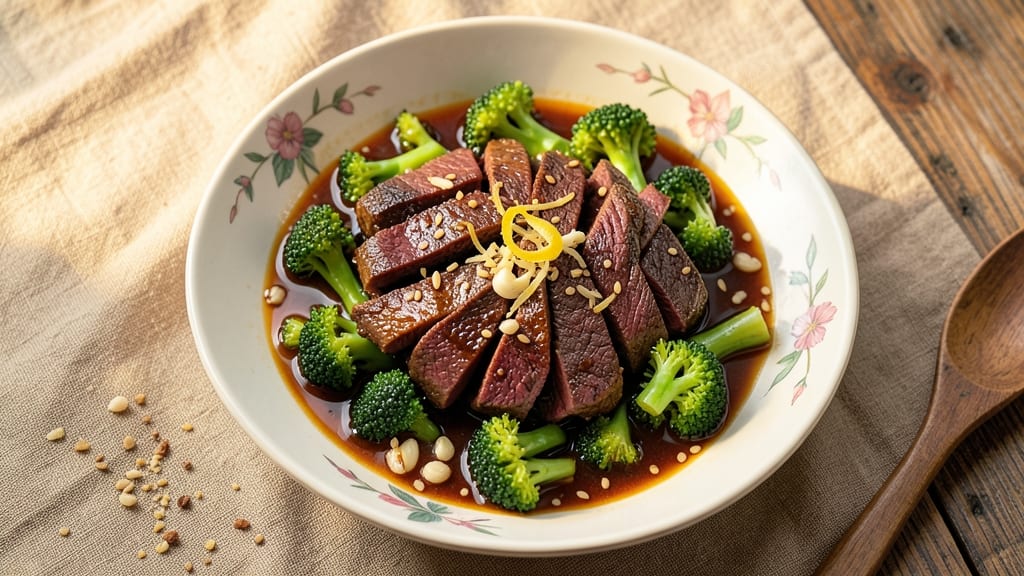
This Filipino beef and broccoli recipe delivers restaurant-quality tender beef with garlicky, soy-kissed broccoli in just 30 minutes. The secret lies in the marinade—soy sauce, garlic, and ginger work together to transform tough cuts into melt-in-your-mouth bites, while the broccoli absorbs bold, savory flavors without losing its crisp texture.
I developed this version after years of perfecting the balance between rich umami and bright, fresh vegetables, ensuring every bite is packed with authentic Filipino taste.
The beauty of this dish is its simplicity—no complicated techniques, just a few key steps that guarantee foolproof results. You'll start with a quick marinade for the beef, followed by a fast stir-fry that locks in juices and flavors.
The broccoli gets tossed in the same aromatic sauce at the end, soaking up all the garlic, ginger, and soy goodness while staying vibrant and slightly crisp. This method keeps the beef tender and the broccoli perfectly cooked, avoiding the mushy texture that often ruins stir-fries.
What you'll end up with is a dish that's hearty enough for a weeknight dinner but elegant enough for company—golden-brown beef slices with glossy, garlicky broccoli, all resting on a bed of steamed rice.
The sauce is sticky, savory, and just slightly tangy, thanks to a touch of vinegar or calamansi if you have it. It's the kind of meal that feels indulgent but comes together in a fraction of the time it takes to order takeout.
Serve it with extra rice to soak up every last bit of that flavorful sauce, or pair it with a simple side salad for balance. The leftovers reheat beautifully, making this a perfect meal-prep option for busy weeks. Let's get started—your taste buds will thank you.
Ingredients for beef and broccoli filipino
Here's what you need to create this restaurant-quality Filipino beef and broccoli in 30 minutes.
| Ingredient | Amount | Notes |
|---|---|---|
| Flank Steak 🥩 | 1 ½ lb | Thinly sliced against grain |
| Broccoli Florets 🥦 | 2 cups | Fresh, medium-sized florets |
| Garlic Cloves 🧄 | 6 cloves | Minced finely for marinade |
| Fresh Ginger 🌿 | 1 tbsp | Grated finely, no need to peel |
| Soy Sauce 🍶 | ½ cup | High-quality, preferably Filipino brand |
| Calamansi Juice 🍋 | 2 tbsp | Or substitute lime juice |
| Vegetable Oil 🫒 | 2 tbsp | High smoke point preferred |
| Brown Sugar 🍚 | 1 tbsp | Lightly packed |
| Black Peppercorns 🌶️ | ½ tsp | Freshly ground preferred |
| White Vinegar 💧 | 1 tbsp | For tangy brightness |
| Sesame Oil 🌱 | 1 tsp | For aroma, added last |
| Green Onions 🧅 | 3 whole | Sliced thin for garnish |
| Salt 🧂 | 1 tsp | Kosher or sea salt |
The beef makes or breaks this dish, so flank steak is your best bet—it's lean but tender when sliced thin. Look for good marbling at Costco or Whole Foods if you want to splurge, but regular grocery store flank steak works too. Slice it against the grain for that melt-in-your-mouth texture. For the garlic, fresh is non-negotiable—jarred minced garlic has no flavor. The ginger should be fresh too, but if you must use powdered, reduce to half the amount. Soy sauce matters here—Filipino brands like Silver Swan or Datu Puti have that perfect balance of salt and umami.
No calamansi? Lime juice works perfectly—it's the secret to that bright, tangy kick. Running short on brown sugar? White sugar is fine, but it won't caramelize as nicely. The broccoli should be fresh, but if you're using frozen, thaw and pat dry first—no one likes soggy stir-fry. For the oil, vegetable or canola oil is best, but peanut oil works too if you're avoiding sesame allergies. The sesame oil is just for aroma—add it last so it doesn't burn. Green onions? Fresh is best, but dried works in a pinch if you're really in a bind.
This dish reheats beautifully—taste even better the next day once all the flavors meld. Store leftovers in an airtight container for up to 4 days in the fridge. For meal prep, double the recipe and freeze half—it keeps for 3 months. When reheating, add a splash of water to keep the sauce from drying out. Serve with steamed rice—jasmine rice is ideal, but any long-grain white rice works.
Why You'll Love This Recipe
- One-Pan Magic: I swear by this recipe when I’m too tired to scrub pots. Thinly sliced flank steak and broccoli hit the same pan—no chopping boards, no extra dishes. The garlic and ginger sizzle into the soy sauce while you prep, and suddenly you’ve got dinner.
- Umami Bomb: That first bite? The steak’s got this perfect chew with a caramelized edge, while the broccoli stays just crisp enough to snap. The soy and ginger marry into something deeper than takeout—like, actually restaurant-quality depth. Honestly, I’ll take this over store-bought any day.
- Office Lunch Hero: Between us, this is my go-to for meal prep. The flavors only get better the next day, and it reheats like a dream. Pack it in a bento box with rice, and suddenly you’ve got a lunch that’ll make coworkers ask for seconds. (Yes, even on a Tuesday night.)
- Budget Steakhouse Feel: Flank steak on sale? Grab it. Broccoli’s cheap, garlic’s cheap, ginger’s cheap. You’re basically making steakhouse-worthy food for half the price. I’ll be real—my wallet thanks me every time I make this instead of ordering out.
Step-by-step instructions for soy-steamed tender beef with garlicky broccoli
Here's how to transform simple ingredients into a restaurant-worthy Filipino classic.
Marinate the Flank Steak for Maximum Tenderness
Slice the 1.5 lb flank steak thinly against the grain into ¼-inch thick strips. Place them in a bowl and add the 6 cloves minced garlic cloves, 1 tbsp grated fresh ginger, 0.5 cup soy sauce, 2 tbsp calamansi juice, 1 tbsp brown sugar, 0.5 tsp freshly ground black peppercorns, and 1 tsp salt. Mix everything thoroughly until the steak is fully coated in the marinade.
Cover the bowl and let it marinate in the refrigerator for at least 30 minutes—this is where the magic happens. The acidity from the calamansi juice and vinegar will begin breaking down the tough muscle fibers, while the soy sauce and sugar infuse the beef with deep umami flavor. For best results, I like to marinate for up to 2 hours if time allows.
Prepare the Broccoli and Build the Steaming Base
While the beef marinates, cut the 2 cups broccoli florets into even-sized pieces. Set them aside. In a large skillet or wok, heat 2 tablespoons vegetable oil over medium-high heat until shimmering. Add the marinated beef in a single layer and let it sear undisturbed for 1-2 minutes until the edges turn golden brown.
This initial sear locks in the juices and builds a beautiful crust. Once the beef is browned on one side, stir gently and cook for another 1-2 minutes until it's fully cooked through. Remove the beef from the skillet and set it aside temporarily—we'll return to it in a moment.
Create the Garlicky Soy Broth
In the same skillet with all that delicious browned beef residue, add 1 tablespoon white vinegar and let it bubble for 30 seconds to deglaze the pan. Pour in 0.5 cup soy sauce and scrape up any stuck-on bits from the bottom—this is where all the flavor lives. Let the sauce simmer for 2-3 minutes until it thickens slightly.
Add the 2 cups broccoli florets to the skillet and toss them in the sauce for 1 minute until they begin to soften but still retain a vibrant green color. The broccoli should be tender-crisp with just a slight bite—overcooking will turn it mushy. Stir in the cooked beef and toss everything together, coating the beef and broccoli in that glossy, garlicky sauce.
Finish with Aromatics and Serve Immediately
Reduce the heat to low and add 1 teaspoon sesame oil to the skillet. Stir gently to distribute it evenly—this adds a nutty aroma that complements the savory-sweet flavors perfectly. Slice the 3 whole green onions thinly and sprinkle them over the top for a fresh finish.
Taste and adjust seasoning if needed—you might want to add a touch more soy sauce for saltiness or a splash of vinegar for brightness. Serve the beef and broccoli immediately over steamed rice, letting the diners enjoy that perfect balance of tender beef, crisp broccoli, and rich, garlicky sauce. The dish tastes even better the next day, but the texture of the broccoli is best enjoyed fresh!
Pro Tips For Making Beef And Broccoli Filipino
- Slice Steak Against the Grain: I learned this the hard way—thinly sliced flank steak cooks faster and stays tender, but cutting against the grain makes each bite melt in your mouth. Use a sharp knife and aim for ¼-inch strips; if they’re thicker, they’ll turn chewy no matter how you sear them.
- Blanch Broccoli First: Skip the soggy florets by blanching broccoli in boiling water for 30 seconds before stir-frying. Drain, shock in ice water, then pat very dry—this keeps it bright green and prevents a watery sauce when you toss it in later.
- Salt the Steak Early: Season flank steak with soy sauce and a pinch of salt at least 30 minutes before cooking. This breaks down the fibers just enough to keep it juicy, especially if you’re using thicker cuts. (Yes, even if you’re impatient like me.)
- Use Two Stages of Heat: Start with a screaming-hot pan for the garlic and ginger—this toasts the aromatics without burning them. Once the beef hits the pan, drop the heat to medium-high and resist the urge to stir constantly. Crowding the pan steams the meat instead of searing it.
Pro cooking tips for beef and broccoli filipino
Marinade Magic
The marinade transforms tough flank steak into tender slices by breaking down muscle fibers through a combination of acidity (calamansi/lime juice) and enzymes (ginger). I always use fresh garlic and ginger—jarred versions lack the complexity.
Let the beef marinate for at least 30 minutes, but up to 2 hours for deeper flavor penetration. The brown sugar in the marinade caramelizes slightly during cooking, adding natural sweetness that balances the soy's saltiness. 🌶️
High-Heat Searing
Sear the beef in medium-high heat until golden brown—this creates the Maillard reaction, which develops deep flavors. Use a large skillet or wok to prevent overcrowding, which steams instead of sears.
I recommend vegetable or canola oil for its neutral flavor and high smoke point. Remove the beef when it reaches 145°F internal temperature—it'll carryover cook to 160°F while resting. 🔥
Broccoli Timing
Add broccoli only in the final 1 minute of cooking to maintain its vibrant green color and crisp texture. Overcooking turns broccoli mushy, which ruins the dish's balance. Toss it in the sauce just until tender-crisp—you should still feel a slight bite.
The broccoli absorbs the garlicky soy sauce beautifully, becoming a flavorful complement rather than a side dish. ⏱️
Sauce Control
Deglaze the pan with white vinegar to lift flavorful browned bits from the bottom. This creates a glossy, sticky sauce that coats every piece of beef and broccoli. Simmer the sauce for 2-3 minutes to thicken slightly—it should coat the back of a spoon but remain pourable.
If it's too thin, reduce heat and cook longer; if too thick, add 1 tsp water to loosen. 🍶
Sesame Oil Finish
Add sesame oil last over low heat—it burns easily and has a low smoke point. Stir gently to distribute its nutty aroma without overpowering the dish. The oil enhances the sauce's depth but shouldn't be the dominant flavor.
For extra brightness, finish with thinly sliced green onions—they add freshness and a pop of color. 🌱
Resting Matters
Let the beef rest for 5 minutes after cooking before serving. This allows juices to redistribute, preventing dryness. I often tent the skillet with foil during resting to keep everything warm.
The broccoli stays best when served immediately, but the beef's flavor improves slightly as it rests. Trust the process—rushing leads to tough, dry meat. 💡
Nutrition facts
Frequently asked questions
Can I substitute flank steak with another beef cut?
Yes! Sirloin or ribeye steak work well—slice them ¼-inch thick against the grain for tenderness. Avoid tougher cuts like chuck; they need longer marinating (4+ hours) to become tender. For extra flavor, use beef short ribs (braised instead of stir-fried) with 1.5 cups beef broth instead of soy sauce.
What if I don’t have calamansi juice?
Use lime juice (best substitute) or lemon juice—both add bright acidity. For deeper flavor, add ½ tsp fish sauce (common in Filipino cooking) to the marinade. Avoid vinegar alone—it’s too harsh and can make the beef tough. If using bottled calamansi juice, dilute it with water (it’s often concentrated).
How do I prevent the broccoli from turning mushy?
Cook broccoli for only 1 minute in the sauce—it should be tender-crisp with a slight bite. Start with fresh florets (frozen needs extra thawing time). For extra crispness, blanch broccoli in boiling water for 30 seconds before stir-frying. Never overcrowd the pan—cook in batches if needed to maintain high heat.
Can I make this dish ahead of time?
Yes! The flavors improve overnight. Store in an airtight container for up to 4 days in the fridge. Reheat gently in a skillet with 1 tbsp water to prevent drying. For freezing, cook only the beef (no broccoli) and freeze for up to 3 months. Reheat beef separately, then toss with fresh broccoli when serving.
Why does my sauce taste too salty?
Filipino soy sauce is saltier than Japanese/Korean varieties. Reduce to ¼ cup and add 1 tbsp water to balance. For extra depth, stir in 1 tsp fish sauce (amplifies umami without salt). Taste as you go—adjust with rice vinegar or calamansi to brighten flavors. Never add more soy sauce; it’ll overpower the dish.