
Soups & Stews
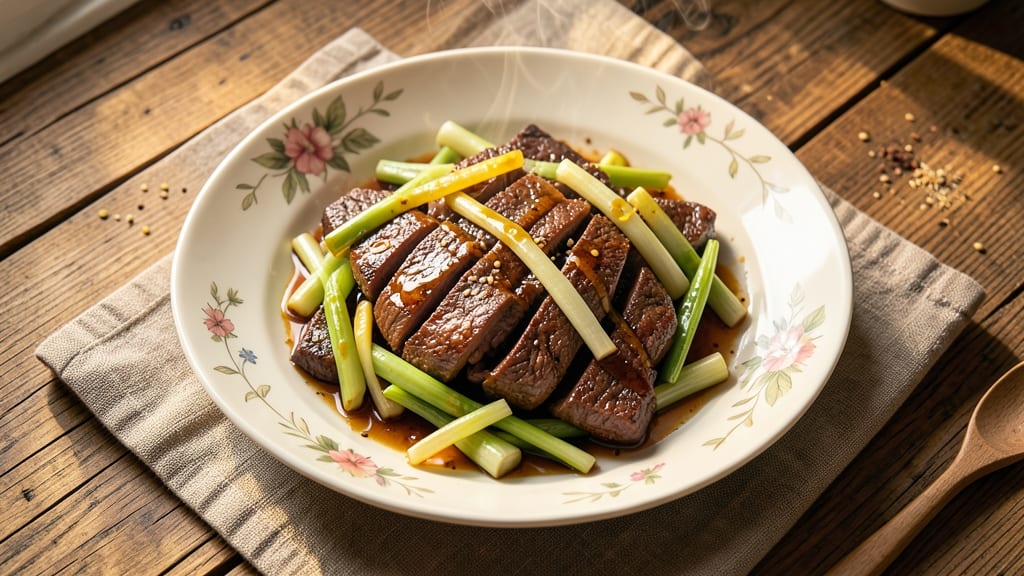
This beef and bamboo shoots recipe delivers a perfect balance of sweet-savory flavors with crispy edges that stay tender inside. The secret lies in stir-frying the beef at high heat until it develops that irresistible caramelized crust while keeping the bamboo shoots crisp-tender.
I developed this recipe after discovering how bamboo shoots transform a simple stir-fry into something truly special—adding a delightful crunch and subtle sweetness that complements the beef beautifully.
The process is straightforward but requires attention to timing to achieve that ideal texture contrast. You'll start with thinly sliced beef that sears quickly in the wok, then add the bamboo shoots just before they're fully cooked to preserve their crispness.
A simple sauce made with soy sauce, brown sugar, and garlic ties everything together, creating a glossy finish that coats each bite.
What you'll end up with is a restaurant-quality dish that's rich in umami and perfectly balanced between sweet and savory. The crispy edges on the beef contrast beautifully with the tender interior and the slightly crunchy bamboo shoots, making every bite exciting.
This recipe pairs wonderfully with steamed jasmine rice or noodles, soaking up every last bit of that flavorful sauce.
Whether you're serving this for a weeknight dinner or a special occasion, it's a dish that feels both comforting and impressive. The technique is simple enough for beginners but delivers results that will impress even the most discerning eaters.
Let's get started on this flavorful stir-fry that's sure to become a new favorite.
Ingredients for beef and bamboo shoots
Fourteen ingredients for a restaurant-worthy stir-fry that balances sweet, savory, and crispy textures perfectly.
| Ingredient | Amount | Notes |
|---|---|---|
| Flank Steak 🥩 | 1 ¼ lb | Thinly sliced against grain |
| Bamboo Shoots 🌱 | 1 can | 15 oz, drained and rinsed |
| Extra-Virgin Olive Oil 🫒 | 2 tbsp | High smoke point preferred |
| Sesame Oil 🫒 | 1 tbsp | For aroma, not cooking |
| Low-Sodium Soy Sauce 🍶 | 3 tbsp | Kikkoman preferred |
| Brown Sugar 🍚 | 2 tbsp | Packed, light brown preferred |
| Garlic Cloves 🧄 | 4 cloves | Minced, fresh preferred |
| Fresh Ginger 🌿 | 1 tbsp | Grated, peeled |
| Red Bell Pepper 🌶️ | 1 whole | Thinly sliced, seeds removed |
| Scallions 🧅 | 3 whole | Thinly sliced, white parts only |
| Cornstarch 🌾 | 1 tbsp | For velveting beef |
| Diamond Crystal Kosher Salt 🧂 | ½ tsp | For seasoning |
| Black Pepper 🌶️ | ¼ tsp | Freshly ground |
| Jasmine Rice 🍚 | 1 ½ cups | Uncooked, for serving |
The flank steak is non-negotiable here—look for a well-marbled cut from the butcher section. Costco or Whole Foods usually carry excellent quality, but even your regular grocery store's meat department can deliver if you check the marbling. Thinly slicing against the grain is key for that tender-crisp contrast. Pro tip: freeze the sliced beef for 20 minutes before cooking—it keeps the slices from curling up in the wok. For bamboo shoots, Asian markets often have fresh ones, but canned works perfectly fine (just rinse well to remove any metallic taste).
No sesame oil? Toasted peanut oil or neutral vegetable oil will work in a pinch, though you'll miss that nutty aroma. The brown sugar can be swapped for honey or maple syrup, but the texture might be slightly stickier. Fresh ginger? Ground ginger at half the amount is fine if you're in a hurry, but trust me on the fresh version. The red bell pepper adds color and crunch—skip it if you're in a rush, but I always include it for that satisfying bite. For extra crispiness, toss the bamboo shoots with a dash of cornstarch before adding them to the wok.
This stir-fry reheats beautifully—just toss with a splash of water and stir-fry again. Keeps for 3 days in the fridge, though I always make extra because it disappears fast. Portion into airtight containers with a bit of sauce to keep everything moist. The rice? Cook it in advance and reheat with a splash of water—steamed jasmine rice is non-negotiable here, but any long-grain white rice will work. Freeze portions for up to 3 months if you're planning ahead.
Why You'll Love This Recipe
- One-Pan Magic: I swear by this recipe when I’m too tired to wash dishes. Flank steak and bamboo shoots sizzle together in the same pan—no chopping, no fuss—just a quick sear and a splash of soy and sesame oil. The bamboo’s crunch stays intact, and the beef caramelizes right there while you stir.
- Umami Bomb: That first bite? The low-sodium soy sauce and sesame oil create this deep, savory punch that sticks with you. The bamboo shoots add a bright, almost citrusy crunch, balancing the rich beef like a perfect contrast. Honestly, I’ve made it for people who “don’t like Asian food,” and they’ve come back for seconds.
- Lunchbox Hero: Between us, this is my go-to for meal prep. Slice the leftovers over rice or noodles, and it’s a full week’s worth of lunches—no soggy takeout here. The flavors only get better as it sits, and the bamboo shoots hold up like a champ, even after reheating.
- Budget Win: Flank steak is affordable, and bamboo shoots last forever in the pantry. A single cut of beef stretches to feed four, and the rest of the ingredients cost pennies. I’ll be real: it’s the kind of dish where I can splurge on good olive oil and still come out ahead compared to takeout.
Step-by-step instructions for sweet-savory beef and bamboo shoots
Here's how to transform simple ingredients into a restaurant-worthy stir-fry with perfectly crispy edges.
Velvet the Beef for Maximum Tenderness
In a medium bowl, combine the 1.25 lb flank steak (thinly sliced against the grain), 1 tbsp cornstarch, 0.5 tsp diamond crystal kosher salt, and 0.25 tsp black pepper. Toss gently until the meat is evenly coated in the cornstarch mixture. This velveting process creates a silky texture that contrasts beautifully with the crispy edges we're aiming for.
Let the marinated beef sit for 15-20 minutes at room temperature. This resting period ensures even cooking and prevents the meat from toughening up during the stir-fry. I like to spread the slices out on a plate to maximize surface area exposure. Don't skip this step—it makes all the difference in the final texture.
Build the Sweet-Savory Sauce Base
In a small bowl, whisk together 3 tbsp low-sodium soy sauce, 2 tbsp packed brown sugar, 1 tbsp sesame oil, and 1 tbsp grated fresh ginger. This sauce is where all the magic happens—it balances the sweetness of the bamboo shoots with the savory depth from the soy sauce. The ginger adds a subtle warmth that cuts through the richness of the beef.
Taste the mixture and adjust to your preference. I usually add an extra half teaspoon of brown sugar if I want it slightly sweeter. Set this sauce aside while you prep the remaining ingredients—we'll combine it with the stir-fry at the perfect moment for maximum flavor impact.
Stir-Fry the Vegetables for Crisp-Tender Perfection
Heat 2 tbsp extra-virgin olive oil in a large wok or skillet over high heat until shimmering. Add the 1 whole red bell pepper (thinly sliced) and 3 whole scallions (white parts only, thinly sliced) to the hot oil. Stir-fry for 2-3 minutes until the vegetables begin to soften but still retain their vibrant color.
Add the 1 can bamboo shoots (drained and rinsed) and 4 cloves minced garlic to the wok. Continue stir-frying for another 2 minutes until the garlic becomes fragrant and the vegetables are tender-crisp. The key here is to maintain high heat—if the oil cools down, you'll end up with soggy vegetables instead of the perfect texture we're after.
Cook the Beef to Crispy Edges
Push the vegetables to one side of the wok, leaving space in the center. Add the marinated beef in a single layer and let it sear undisturbed for 1-2 minutes until the edges develop a beautiful golden-brown crust. This is where we create those crispy edges that make this dish so satisfying.
Using tongs, carefully flip the beef pieces and stir-fry for another 1-2 minutes until they're cooked through but still retain their juiciness. The beef should be medium-rare at this point—it'll continue cooking slightly when we add the sauce. Once the beef is cooked to your liking, add the vegetables back into the wok and pour in the prepared sauce.
Finish and Serve Over Jasmine Rice
Stir everything together and cook for an additional 1-2 minutes until the sauce has thickened slightly and coated all the ingredients evenly. The dish should have a glossy sheen from the sauce, with the beef maintaining those crispy edges we worked so hard to achieve.
Serve immediately over 1.5 cups cooked jasmine rice, spooning the beef and vegetables generously over each serving. The rice acts as a perfect canvas for this vibrant stir-fry, soaking up all the delicious flavors. Garnish with extra thinly sliced scallions if desired, and enjoy while everything is hot and crispy.
Pro Tips For Making Beef And Bamboo Shoots
- Slice Thin, Cook Fast: Flank steak loves a sharp knife and high heat. Cut against the grain into ¼-inch slices—thinner than you’d think—and sear them for just 1-2 minutes per side in a screaming-hot pan. Overcooking turns tough; undercooking leaves it chewy. Trust the timer, not your eye.
- Blanch Bamboo First: Skip the raw crunch. Toss sliced bamboo shoots in boiling water for 3 minutes, then ice bath. This softens them just enough to caramelize later without turning to mush. (Yes, even canned bamboo needs this—don’t skip it.)
- Salt the Steak Early: Season the flank steak before slicing, at least 30 minutes ahead. The salt breaks down the proteins, making it tender and letting the soy sauce cling better. I learned this the hard way—dry, stringy beef is no one’s idea of a good time.
- Finish with Sesame Oil: Add the sesame oil after removing the pan from heat. A splash (½ teaspoon) at the end wafts that nutty aroma without burning it. Drizzle it over the bamboo and beef together—this is where the dish sings. (And no, it’s not just for garnish.)
Best sauces and condiments for beef and bamboo shoots
Sweet-Sauce Foundation
The classic soy-browning sauce (soy + brown sugar) is non-negotiable here—it creates that signature glossy sheen while balancing the beef's richness. I recommend Kikkoman low-sodium soy sauce for cleaner flavor, but San-J or Pearl River Bridge add depth if you want extra umami.
For a smoother finish, whisk in 1 tsp honey at the end to mellow the sauce's sharpness. 💛
Umami Boosters
Elevate the sauce with 1 tsp fish sauce (like Red Boat) or 1 tsp oyster sauce for deeper complexity. The fish sauce adds a salty, briny punch that cuts through the sweetness, while oyster sauce brings a luxurious silkiness.
For vegetarians, swap in mushroom sauce or an extra ½ tsp miso paste. Always taste before adding—this is where flavor magic happens!
Spicy Kick Options
For heat lovers, finish with 1 tsp chili crisp (like Lao Gan Ma) or ½ tsp gochujang mixed into the sauce. The chili crisp adds smoky, fruity heat, while gochujang brings fermented depth.
If you prefer fresh heat, toss in 1 tsp minced Thai bird's eye chilies at the very end—just be sure to remove them before serving if you have picky eaters! 🌶️
Creamy Contrast
A touch of creaminess balances the dish's crispy edges. Stir in 1 tbsp coconut milk or 1 tsp sesame paste (like Kikkoman's) for a nutty richness. For a more traditional approach, add 1 tsp hoisin sauce—it thickens the sauce while adding a sweet-savory layer.
The key is to add these ingredients after the beef is cooked to prevent curdling.
Herb Finishes
Fresh herbs brighten the dish at the last minute. I love 1 tbsp chopped cilantro or 1 tsp Thai basil for a citrusy, aromatic finish. For a more traditional touch, use 1 tsp chopped scallions or 1 tsp chopped mint.
Always add herbs after removing the dish from heat—their oils release best at room temperature, ensuring maximum flavor infusion.
Nutrition facts
Frequently asked questions
Can I substitute flank steak with another cut of beef?
Yes! Sirloin or ribeye work well, but slice them thinly against the grain for tenderness. Avoid tougher cuts like chuck—it won’t achieve that crispy edge. For extra flavor, marinate the beef in 1 tbsp soy sauce + 1 tsp brown sugar for 30 minutes before cooking.
How do I prevent bamboo shoots from getting mushy?
Cook them for only 2 minutes after adding to the wok—overcooking turns them soggy. For extra crispness, toss drained bamboo shoots with ½ tsp cornstarch before stir-frying. Also, use high heat and avoid overcrowding the pan.
What’s the best way to reheat leftovers?
Add 1 tsp water or sesame oil to the pan, then stir-fry leftovers over medium-high heat for 3-4 minutes. Microwaving works too—cover with a damp paper towel for 45 seconds, but textures won’t be as crispy. Store in an airtight container for up to 3 days.
Can I make this dish ahead of time?
Assemble everything except the sauce, then refrigerate for up to 24 hours. When ready, cook the beef and veggies fresh, then toss with the sauce. For make-ahead meals, freeze cooked portions in airtight containers for 3 months—reheat with a splash of water.
Why did my beef turn out tough?
Overcooking or skipping the 15-minute rest after velveting causes toughness. Always cook beef to medium-rare (130°F internal temp)—it’ll finish cooking in the sauce. Also, ensure your wok is ripping hot before adding beef. For extra tenderness, slice steak ¼-inch thick and freeze for 20 minutes before cooking.