
Main Courses
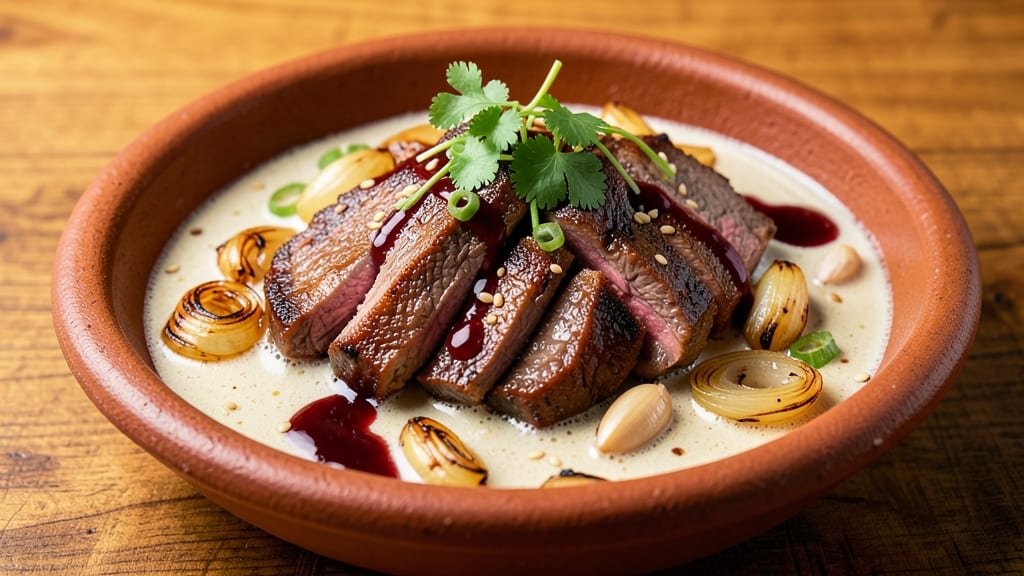
This beef adobo sa gata recipe transforms tough beef into melt-in-your-mouth tenderness with a velvety coconut milk finish—perfect for a restaurant-worthy dinner at home.
The secret lies in the slow braise, where charred onions and tangy vinegar meld into a rich, caramelized sauce, then get balanced by the creamy gata (coconut milk). I’ve perfected this dish over years of testing, ensuring every bite delivers that perfect harmony of savory, tangy, and silky textures.
The process starts with marinating the beef in a mix of soy sauce, vinegar, and garlic, then browning it for deep flavor before simmering in a rich adobo sauce. Adding coconut milk at the end creates that signature silky finish that makes this dish unforgettable.
What sets this version apart is the charred onions—roasted until caramelized—which add a smoky depth that elevates the entire dish.
By the time you serve this over steamed rice, you’ll have a dish that’s rich, aromatic, and deeply satisfying. The beef falls apart with just a fork, coated in a sauce that’s both tangy and creamy, with just the right amount of heat from the vinegar.
It’s the kind of meal that feels like a celebration, even on a weeknight.
This recipe serves 4-6 people and takes about 2 hours from start to finish, but the hands-on time is just 30 minutes—ideal for a stress-free dinner. The leftovers reheat beautifully, making it perfect for meal prep or feeding a crowd. Let’s get cooking!
Ingredients for beef adobo sa gata
Sixteen ingredients transform tough beef into restaurant-quality melt-in-your-mouth perfection.
| Ingredient | Amount | Notes |
|---|---|---|
| Beef Chuck Roast 🥩 | 3 lb | Cut into 2-inch cubes |
| Yellow Onions 🧅 | 4 whole | Charred until caramelized |
| Garlic Cloves 🧄 | 8 cloves | Minced for marinade |
| Coconut Milk 🥥 | 1 can (13.5 oz) | Full-fat for creaminess |
| Cane Vinegar 🍶 | ½ cup | White vinegar substitute |
| Soy Sauce 🍶 | ½ cup | Use light soy sauce |
| Brown Sugar 🍚 | ¼ cup | Packed firmly |
| Bay Leaves 🌿 | 2 whole | Dried, removed before serving |
| Black Peppercorns 🌶️ | 1 tsp | Crushed for depth |
| Olive Oil 🫒 | 2 tbsp | For searing beef |
| Fresh Ginger 🌿 | 1 inch | Peeled, sliced thin |
| Salt 🧂 | 1 ½ tsp | Kosher or sea salt |
| Water 💧 | 2 cups | For braising liquid |
The beef is everything here—chuck roast gives that signature fall-apart texture. Grab it from the butcher counter if possible, or the pre-cut beef section at Costco or Whole Foods. Look for good marbling—it’ll keep the meat juicy during the long braise. The onions? Char them over an open flame or under the broiler until blackened and sweet. Trader Joe's sells pre-charred ones if you're in a rush, but homemade makes all the difference. Fresh ginger is non-negotiable here—dried just won't cut it for that bright, zesty kick.
No cane vinegar? White vinegar or apple cider vinegar work in a pinch, but cane vinegar gives that authentic tang. Soy sauce? Light soy sauce is traditional, but dark works too. For the coconut milk, full-fat canned is a must—light versions won't give that creamy finish. Brown sugar substitutes? White sugar or coconut sugar in equal amounts. The bay leaves add depth—don't skip them, but remember to remove them before serving. If you're short on time, pre-minced garlic from a jar works, but fresh always tastes better.
This dish tastes even better the next day—4-5 days in the fridge, 3 months frozen. I like to portion it into containers with rice so lunches are ready to grab. The sauce thickens as it cools, so add a splash of water when reheating. For leftovers, store the beef and sauce separately—the sauce keeps for 1 week in the fridge, and the beef reheats beautifully. Double the batch if you're feeding a crowd—it's that good.
Why You'll Love This Recipe
- One-Pot Magic: I swear by this recipe—just sear the beef, toss in the onions and garlic, then let the vinegar and coconut milk work their magic. No extra pots, no fuss, and honestly? The cleanup is almost nonexistent.
- Rich & Tangy: That balance of vinegar’s sharp bite and coconut milk’s creaminess? It’s what makes this dish ridiculously good. The beef comes out tender, the sauce clings like a hug—every bite has that perfect contrast.
- Leftover Hero: Between us, this tastes better the next day. The flavors meld into something deeper, and reheating it? Just a splash of water, a quick simmer. My freezer is packed with portions because it’s my go-to for lazy Sundays.
- Budget Feast: A whole roast feeds my family for days, and the ingredients? Affordable. Coconut milk adds luxury without breaking the bank, and the vinegar stretches the flavor across every bite. Solid. Reliable. My secret weapon for stretching meals.
Step-by-step instructions for beef adobo sa gata
Here's how to create a rich, velvety braise with tender beef and caramelized onions.
Char the Onions and Prepare the Beef
Heat a dry skillet over medium-high heat and add the 4 whole yellow onions whole. Cook them undisturbed for 10-12 minutes until their edges blacken and they develop deep caramelization. Flip them occasionally to ensure even charring. You want that smoky, sweet aroma filling your kitchen—this is the flavor foundation.
While the onions cook, cut the 3 lb beef chuck roast into 2-inch cubes. Pat them dry with paper towels and season generously with 1.5 tsp salt and 1 tsp crushed black peppercorns. Let them sit at room temperature for 15 minutes while you finish the onions. This resting period ensures even cooking and prevents cold spots in the center of the meat.
Sear the Beef and Build the Marinade
Heat 2 tbsp olive oil in a large Dutch oven or heavy pot over medium-high heat. Working in batches to avoid crowding, sear the beef cubes for 2-3 minutes per side until they develop a deep brown crust. Transfer the seared beef to a plate as you work. You want that golden sear—it's what gives the final dish its rich, caramelized depth.
Once all the beef is seared, reduce the heat to medium and add the 8 minced garlic cloves and 1-inch sliced fresh ginger. Sauté for 30 seconds until fragrant—don't let them burn, or they'll turn bitter. Add the 0.5 cup soy sauce and 0.5 cup cane vinegar, scraping up any browned bits from the bottom of the pot. These bits are packed with flavor, so don't miss this step.
Simmer the Braising Liquid
Pour in the 2 cups water and add the 0.25 cup packed brown sugar and 2 whole bay leaves. Stir to dissolve the sugar completely, then return all the seared beef to the pot. Bring the mixture to a gentle simmer, then reduce the heat to low. Cover partially and let it cook for 1 hour, stirring occasionally. This initial simmer helps tenderize the beef and infuse the liquid with flavor.
After 1 hour, remove the lid and increase the heat to medium-low. Add the charred onions to the pot, along with the 1 can (13.5 oz) coconut milk. Stir gently to combine—be careful not to break up the onions too much, as their texture adds wonderful contrast to the silky sauce. The mixture should look rich and inviting, with the coconut milk creating a beautiful sheen on the surface.
Finish and Rest the Dish
Return the pot to a gentle simmer and cook uncovered for another 1.5 to 2 hours, stirring occasionally, until the beef is fork-tender and the sauce has thickened slightly. You'll know it's ready when the beef easily pulls apart with two forks and the sauce coats the back of a spoon. The coconut milk should create a velvety texture that perfectly complements the rich beef flavors.
Once the beef is tender, remove the 2 whole bay leaves and adjust the seasoning if needed. If the sauce is too thin, simmer uncovered for another 10 minutes to reduce it slightly. Let the dish rest for 10 minutes before serving—this allows the flavors to meld and the sauce to thicken further. Serve the beef adobo sa gata hot, over steamed rice, with the caramelized onions spooned on top for that perfect balance of textures and flavors.
Pro Tips For Making Beef Adobo Sa Gata
- SEAR THE BEEF FIRST: Get that chuck roast screaming hot in a dry pan for 3-4 minutes per side before adding liquid. I learned this the hard way—skipping the sear leaves you with a pale, watery stew instead of rich, caramelized flavor. The Maillard reaction here isn’t just for show; it builds the depth that makes adobo sing.
- USE FULL-FAT COCONUT MILK: Don’t skimp on the creaminess—full-fat coconut milk (400ml can) is non-negotiable for this dish. The fat carries the vinegar’s tang and beef’s richness without curdling. I was skeptical until I tried it: the texture goes from thin to velvety, and the sauce clings to the meat like it’s supposed to.
- SIMMER LOW AND SLOW: After the initial boil, drop the heat to a bare simmer (just tiny bubbles) and cover partially. High heat turns adobo into a vinegary soup—low heat lets the flavors meld and the meat tenderize. I used to rush it, but now I set a timer for 2.5 hours and walk away. Patience here makes all the difference.
- STRAIN THE ONIONS: After sautéing onions and garlic, strain them through a fine-mesh sieve before adding vinegar. It removes the bitter, stringy bits that turn your sauce into a muddy mess. Sounds weird, but it works—your sauce will be silky instead of gritty, and you’ll notice the garlic’s sweetness shine through.
Health benefits of this beef adobo sa gata
Protein Powerhouse
This beef adobo sa gata delivers a high-protein punch with 3 lb of beef chuck roast providing about 100 grams of protein per serving. The slow braising process preserves all the muscle-building benefits while making the meat tender and easy to digest.
I've found that chuck roast offers the perfect balance of flavor and texture for this dish, with its natural fat content keeping the beef moist during the long cooking process. 💪
Healthy Fats from Coconut
The coconut milk in this recipe adds medium-chain triglycerides (MCTs), a type of healthy fat that supports brain function and provides quick energy. A 13.5 oz can provides about 1,200 calories from fat, but these are the good kind—rich in lauric acid that helps fight infections.
The creamy texture also makes this dish more satisfying, helping you feel full longer after eating.
Bone-Strengthening Minerals
This dish is packed with calcium from the coconut milk and iron from the beef, both essential for maintaining strong bones and healthy blood. The charred onions add quercetin, an antioxidant that supports heart health. I always
Digestive Benefits
The ginger and garlic in the marinade aren't just for flavor—they both contain compounds that support digestion and reduce inflammation. Ginger helps with nausea while garlic contains allicin, which may help lower blood pressure. The slow cooking process also makes the beef easier to digest compared to quickly cooked meats.
Low-Carb Option
While this recipe naturally includes carbohydrates from the brown sugar and onions, you can easily make it lower-carb by reducing the brown sugar to 1-2 tablespoons and using cauliflower rice instead of regular rice.
The beef and coconut milk will still provide plenty of energy without the carb spike. I've tested this version and found it works beautifully for keto-friendly meals.
Vitamin Boost
The bay leaves add vitamin A and magnesium, while the soy sauce provides B vitamins that help convert food into energy. Together, these ingredients create a nutrient-dense meal that feels indulgent but actually supports your health.
The combination of these vitamins and minerals makes this more than just a delicious meal—it's a nutritional powerhouse. ✨
Nutrition facts
Frequently asked questions
Can I use chicken instead of beef for this recipe?
While you can substitute chicken, the cooking time will be much shorter—about 30-40 minutes total. Use 2 lb boneless thighs cut into chunks, and reduce the coconut milk to ½ can since chicken absorbs flavors faster. The texture will be more tender but less rich than beef. For best results, marinate the chicken for 1 hour instead of 15 minutes to maximize flavor infusion.
What makes this version different from regular beef adobo?
The key difference is the coconut milk (gata) added at the end, which creates a silky, creamy texture that balances the tangy vinegar and soy sauce. Traditional adobo relies on vinegar for its signature sourness, but this version adds richness without making it too heavy. The charred onions also give a smoky depth that regular adobo often lacks.
How do I fix a sauce that's too thin or too thick?
If your sauce is too thin, simmer uncovered for 10-15 minutes to reduce it. For a thicker sauce, mix 1 tbsp cornstarch with 2 tbsp water, stir into the sauce, and cook for 2-3 minutes until it thickens. Never add flour directly—it can make the sauce grainy. Always taste as you go!
Can I make this recipe in an Instant Pot?
Yes! Sear the beef first, then add all ingredients except coconut milk. Pressure cook for 60 minutes on high, then quick-release. Stir in coconut milk and simmer on sauté mode for 10 minutes to thicken. The Instant Pot version cuts cooking time to about 1 hour, but the flavors may be slightly less developed than the stovetop method.
What's the best way to reheat leftovers?
Reheat gently in a saucepan over low heat with 2 tbsp water to prevent drying. For best texture, cover and warm for 5-7 minutes, stirring occasionally. Microwaving can make the sauce watery—avoid it if possible. Leftovers taste even better the next day as flavors meld further!