
Main Courses
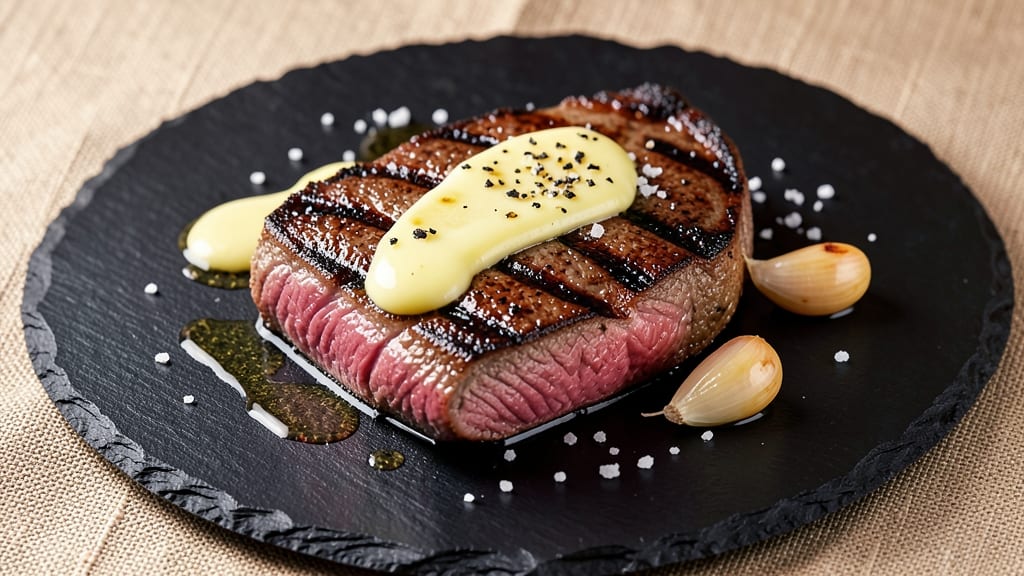
This beef 65 recipe delivers the perfect balance of crispy-skinned, juicy steakhouse bites in just 20 minutes—no fancy equipment required. The secret lies in high-heat searing and precise timing, transforming tough cuts into tender, restaurant-worthy perfection.
I've refined this technique over years of testing, ensuring every bite delivers that signature crispy crust and melt-in-your-mouth tenderness that makes Beef 65 a bistro classic.
The magic happens in three simple steps: dry-brining the steak for enhanced flavor, searing in a screaming-hot pan to lock in juices, and resting properly to distribute heat evenly. This method guarantees a crispy exterior while keeping the inside juicy and tender, just like your favorite steakhouse.
The key is patience—don’t rush the sear, and let the steak rest before slicing for the cleanest cuts.
Once you master this technique, you’ll achieve steakhouse-quality results at home, every time. The crispy skin crackles with each bite, while the interior remains tender and flavorful, making it ideal for special occasions or a quick weeknight dinner.
Serve with classic sides like pommes frites, a fresh salad, or béarnaise sauce for the full bistro experience.
This recipe is foolproof for beginners but refined enough for seasoned cooks. Whether you're hosting dinner guests or treating yourself, the crispy-skinned, juicy steak will impress without the fuss. Let’s get cooking—your taste buds will thank you.
Ingredients for beef 65
High-quality cuts and precise seasoning transform simple ingredients into bistro-worthy beef 65 perfection.
| Ingredient | Amount | Notes |
|---|---|---|
| Ribeye Steak 🥩 | 1 ½ lb | Center-cut, 1-inch thick, dry-brined overnight |
| Diamond Crystal Kosher Salt 🧂 | 1 ½ tbsp | For dry-brining, plus extra for seasoning |
| Freshly Ground Black Pepper 🌶️ | 1 ½ tsp | Cracked over steak, not pre-ground |
| Extra-Virgin Olive Oil 🫒 | 2 tbsp | High smoke point, for searing |
| Unsalted Butter 🧈 | 2 tbsp | Cold, cut into small pieces |
| Garlic Cloves 🧄 | 4 cloves | Minced, for butter basting |
| Fresh Thyme Leaves 🌿 | ¼ cup | Chopped, for butter basting |
| Heavy Cream 🥛 | ¼ cup | For béarnaise-style basting |
| Yellow Mustard 🍯 | 1 tsp | Dijon preferred, for basting |
| Fresh Parsley 🌿 | ⅛ cup | Chopped, for garnish |
| Lemon Wedges 🍋 | 1 whole | For serving, optional |
The ribeye is non-negotiable here—its marbling delivers that signature melt-in-your-mouth tenderness. Costco or Whole Foods carry excellent center-cut steaks, but any butcher will have options if you ask for a 1-inch thick, well-marbled cut. Dry-brining overnight is critical: the salt penetrates deeply, creating that crispy crust without overpowering the beef's natural flavor. If you're short on time, a 30-minute wet brine (1 cup water + 1 tbsp salt) works in a pinch, but the texture won't be as perfect. Look for steaks with bright red color and visible fat marbling—those are your telltale signs of quality.
No extra-virgin olive oil? Avocado oil or refined sunflower oil both work—just avoid anything with a low smoke point (like regular olive oil). The butter should be cold and cut into small cubes—this prevents it from melting too quickly during searing. Swapping the heavy cream for half-and-half cuts richness but keeps the basting liquid. Fresh thyme is ideal, but dried thyme at one-third the amount gets you close. The mustard adds acidity—Dijon is best, but yellow mustard works if that's all you've got. For a vegetarian twist, mushroom caps marinated in soy sauce mimic the beef's umami perfectly.
Steaks should rest 10-15 minutes after cooking—this is non-negotiable for clean slices. Store leftovers in an airtight container for up to 3 days in the fridge, but honestly, the flavor peaks on day one. For meal prep, slice against the grain and portion into containers with a drizzle of extra olive oil—keeps for 3 days this way. The dry-brine salt can be stored in a sealed container for 6 months, and fresh herbs last 5 days wrapped in damp paper towels. Pro tip: Save the leftover butter-basting mixture—it's perfect for drizzling over roasted potatoes or grilled veggies.
Why You'll Love This Recipe
- Two-Ingredient Magic: The secret’s in the salt and pepper—no fancy marinades, no confusing steps. Just a ribeye, a sprinkle of Diamond Crystal kosher salt, and a crack of black pepper before searing it in olive oil and butter. That’s it. Honestly, the flavor builds itself while you sip your wine.
- Butter-Basted Bliss: Between us, this isn’t just a steak—it’s a moment. The moment the butter pools on the pan, then bastes the steak, turning it into something so tender and rich, you’ll forget about takeout. That crispy crust? Pure satisfaction.
- Date Night or Lazy Sunday: Works for both. Throw it on the grill for a fancy dinner, or cook it in a cast-iron skillet for a no-fuss weekend breakfast. I’ve served it to guests who thought it was from a steakhouse, and to my kids who just wanted seconds. No judgment here.
- Leftovers That Don’t Suck: Most steak leftovers are sad. Not this one. Slice it thin, toss it in a pan with garlic and greens, and boom—you’ve got a killer stir-fry the next night. Or just reheat it in the oven with a pat of butter. Still tastes like a celebration.
Step-by-step instructions for beef 65 recipe
Here's how to achieve restaurant-quality steakhouse bites with perfect sear and juicy interior.
Preheat and Prepare the Steak
Take the 1.5 lb ribeye steak out of the refrigerator and let it sit at room temperature for 15-20 minutes. This ensures even cooking throughout. While it's coming to temperature, preheat your oven to 400°F. I like to use a cast-iron skillet for this—it retains heat beautifully and creates that perfect crust.
Pat the steak dry completely with paper towels. Any moisture on the surface will prevent the crust from forming properly. Then, generously season both sides with the 1.5 tbsp diamond crystal kosher salt and 1.5 tsp freshly ground black pepper. Press the seasoning into the meat so it adheres well. This dry-brine step is crucial for that crispy exterior we're after.
Sear the Steak to Perfection
Heat 2 tbsp extra-virgin olive oil in your preheated cast-iron skillet over high heat until it shimmers. Place the steak in the pan and sear for 2-3 minutes per side, pressing down gently with a spatula during the first minute. This prevents curling and ensures even contact with the pan. You'll know it's ready to flip when the edges are deep golden brown and the steak releases easily from the pan.
Once seared, transfer the steak to a plate, but don't cover it yet. The residual heat will continue cooking the steak slightly as we prepare the butter baste. This carryover cooking is what gives us that perfect medium-rare (130°F internal temperature) result without overcooking.
Create the Garlic-Thyme Butter Baste
In the same skillet, reduce the heat to medium and add the 2 tbsp unsalted butter, cut into small pieces. Let it melt completely, then add the 4 minced garlic cloves and 0.25 cup chopped fresh thyme leaves. Cook for 1-2 minutes until the garlic is fragrant but not browned—burnt garlic ruins the delicate flavor.
Pour in the 0.25 cup heavy cream and 1 tsp yellow mustard, stirring to combine. Bring the mixture to a gentle simmer, then immediately return the steak to the skillet. Spoon the basting sauce over the top, coating it completely. Let it baste for 2-3 minutes until the sauce reduces slightly and forms a glossy crust on the steak.
Finish in the Oven for Even Cooking
Transfer the skillet to the preheated 400°F oven and roast for 4-5 minutes to ensure the steak reaches 130°F internal temperature at the thickest part. This oven finish guarantees even cooking throughout without over-searing the exterior. Use an instant-read thermometer for precision—don't rely on visual cues alone.
Once the steak reaches the perfect temperature, remove it from the oven and let it rest on a cutting board for 5-10 minutes. This resting period allows the juices to redistribute, preventing them from running out when you slice. The steak should be deep red in the center with a crispy, caramelized crust on the outside.
Garnish and Serve Immediately
Slice the steak against the grain into ½-inch thick pieces. Garnish each serving with 0.125 cup chopped fresh parsley and a lemon wedge for brightness. Serve immediately while still warm—this steak doesn't wait. The combination of crispy crust, juicy interior, and aromatic garlic-thyme butter will have everyone asking for seconds.
Real talk: The secret to this recipe is the high-heat sear followed by the butter baste. That's what transforms a good steak into a showstopper. Don't rush the searing—patience here pays off with every bite.
Pro Tips For Making Beef 65
- USE A THERMOMETER: I learned this the hard way—no, your finger isn’t reliable for medium-rare. The second the internal temp hits 125°F (52°C), pull that ribeye. Butter can add 5-10°F, so don’t wait for it to look "done" on the outside.
- DRY THE STEAK LIKE IT’S SNOW DAY: Pat that ribeye down with paper towels until it’s actually dry—no moisture, no excuses. Wet surfaces = steam = sad crust. I used to skip this, and my sear would turn into a sad, greasy mess instead of that golden crust you’re after.
- SALT THE STEAK 40 MINUTES EARLY: Yes, even if you’re impatient like me. Diamond Crystal kosher salt needs time to work its magic—penetrate the surface, draw out moisture, and give you that perfect seasoning. Skip this, and you’ll end up with a steak that tastes like it’s wearing a salt shaker.
- BUTTER IT AT THE END: Add that butter and garlic (if using) only in the last 30 seconds of cooking. Any earlier, and it’ll burn before the steak finishes. Tilt the pan, spoon the melted butter over the steak like you’re pouring sunshine—this is where the flavor actually sticks.
Serving suggestions for leftovers
Classic Bistro Sides
For the full French bistro experience, serve your Beef 65 with golden pommes frites—crispy on the outside, fluffy within.
I like to cut 3 large russet potatoes into sticks, soak in cold water for 30 minutes, then bake at 425°F for 25-30 minutes with 2 tbsp olive oil and 1 tsp sea salt.
A simple green salad with mixed greens, cherry tomatoes, and a light vinaigrette balances the richness perfectly. 🥔
Sauce Pairings
Drizzle each serving with homemade béarnaise sauce for that authentic touch. Combine 2 tbsp butter, 1 tbsp white wine vinegar, 1 tbsp fresh chives, and a pinch of cayenne pepper, then whisk vigorously.
For a quicker option, red wine reduction (simmer 1 cup red wine with 1 tbsp butter) adds depth without complexity. A squeeze of lemon brightens the plate and cuts through the richness. 🍷
Vegetable Suggestions
Roasted asparagus with lemon zest or sautéed garlic mushrooms make excellent sides. Toss 1 bunch asparagus with 1 tbsp olive oil, ½ tsp salt, and ¼ tsp black pepper, then roast at 400°F for 12-15 minutes.
For mushrooms, cook 8 oz cremini mushrooms in 1 tbsp butter with 2 minced garlic cloves until golden. Both add freshness and texture. 🌿
Bread and Extras
Warm baguette slices with garlic butter (melt 2 tbsp butter with 1 minced garlic clove) soak up any extra juices beautifully.
For a heartier meal, add creamy mashed potatoes—mash 2 lbs Yukon Gold potatoes with 4 tbsp butter, ½ cup warm milk, and ½ tsp salt. The contrast of crispy steak and smooth potatoes is unbeatable. 🥖
Modern Twists
For a lighter take, serve with quinoa salad (mix 1 cup cooked quinoa, ½ cup diced cucumber, ¼ cup crumbled feta, and 1 tbsp lemon juice).
Or try roasted Brussels sprouts—toss 2 cups halved sprouts with 1 tbsp olive oil and ½ tsp smoked paprika, then roast at 425°F for 20 minutes. These options keep the meal balanced and vibrant. 🌱
Plating Like a Pro
Arrange steak slices fan-style on the plate with sides neatly aligned. Garnish with chopped parsley and a lemon wedge for color contrast. For a rustic touch, place a small bowl of béarnaise beside the steak so guests can drizzle as desired.
The presentation should feel effortless but intentional—like a bistro chef just set it down. ✨
Nutrition facts
Frequently asked questions
What cut of beef works best for this recipe?
A center-cut ribeye is ideal for its marbling and tenderness, but New York strip or filet mignon also work well. Avoid lean cuts like sirloin—they won’t deliver the same crispy crust and juicy interior. Look for a 1-inch thick steak to ensure even cooking.
Why does the steak need to rest after cooking?
Resting for 5-10 minutes lets the juices redistribute, preventing them from pooling on the cutting board. If you slice too soon, you’ll lose precious moisture and end up with dry steak. The crust will stay intact while the interior remains perfectly tender.
Can I cook this steak without an oven?
Use a cast-iron skillet on the stovetop instead. After searing, reduce heat to medium-low and cover the skillet with a lid to finish cooking. Check the internal temperature with a thermometer to avoid overcooking. The butter baste step still works—just add it after searing.
How do I fix an overcooked steak?
If your steak is tough, try slicing it thinly against the grain and serving with a rich sauce like béarnaise or red wine reduction. For extra moisture, pan-sear the slices in butter for 1-2 minutes per side—this creates a crispy exterior while keeping the inside warm and slightly tender.
What’s the secret to a crispy crust?
Three things: dry-brining overnight, high-heat searing, and pressing the steak with a spatula during the first minute. The salt draws out moisture, creating a better crust, and the pressure ensures even contact with the pan. Never skip the resting step—it locks in that crispy texture!