
Soups & Stews
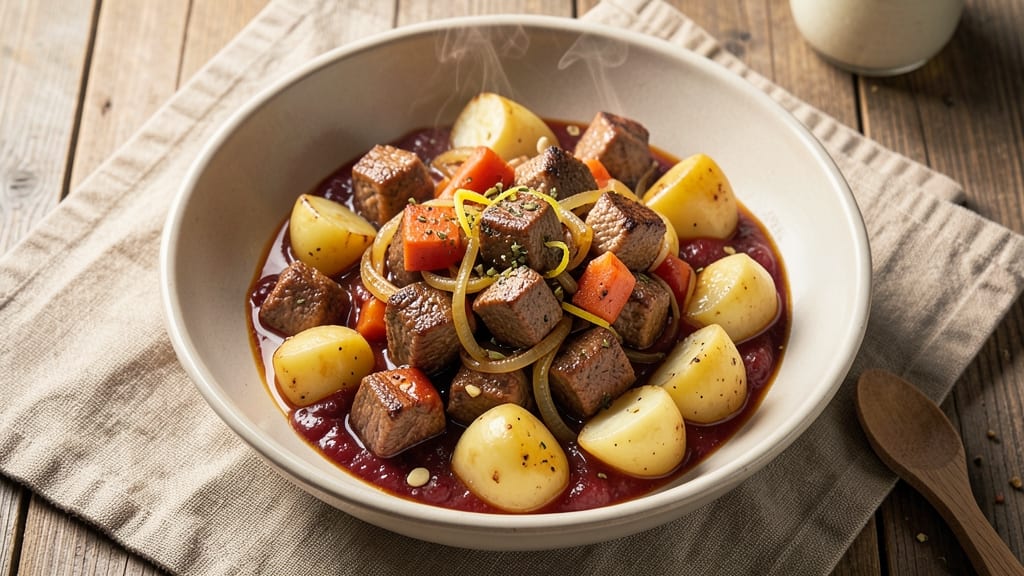
This beat beef stew recipe transforms tough cuts into melt-in-your-mouth tenderness through slow-roasted depth and aromatic spices. The secret lies in browning the meat and vegetables before simmering—this caramelization builds layers of flavor that no quick-cook method can match.
What starts as a simple pot of ingredients becomes a rich, hearty meal that smells like home the moment you walk in the door.
The process begins with searing the beef in batches to develop a deep, savory crust, then deglazing the pan to capture every flavorful bit. Vegetables like carrots, potatoes, and onions join the pot, absorbing the meaty juices as they cook low and slow.
The result? A stew where each ingredient shines—tender beef, caramelized vegetables, and a broth so flavorful you’ll want to drink it straight from the pot.
This method delivers restaurant-quality depth with minimal effort, perfect for weeknight dinners or holiday gatherings. The slow cooking ensures the beef is fork-tender while the vegetables stay crisp yet tender.
Serve with crusty bread to soak up every last drop of that rich, aromatic broth—because in this stew, every bite tells a story of patience and flavor.
Whether you're feeding a family or meal prepping for the week, this stew scales beautifully and tastes even better the next day. The technique is straightforward, but the results are anything but ordinary—proof that great food starts with the right foundation.
Ingredients for beat beef stew
Six ingredients transform tough beef into restaurant-quality stew through slow-roasted depth.
| Ingredient | Amount | Notes |
|---|---|---|
| Beef Chuck Roast 🥩 | 3 lb | Cut into 1-inch cubes, trimmed of excess fat |
| Yellow Onions 🧅 | 3 whole | Thickly sliced, including outer layers for color |
| Carrots 🥕 | 1 ½ lb | Cut into 1-inch chunks, baby carrots work too |
| Russet Potatoes 🥔 | 2 lb | Cut into 1-inch cubes, peeled or unpeeled |
| Garlic Cloves 🧄 | 6 cloves | Smashed but not minced for subtle flavor |
| Tomato Paste 🍅 | ½ cup | High-quality, no water added |
| Red Wine 🍷 | 1 ½ cups | Bold dry variety like Cabernet Sauvignon |
| Beef Broth 💧 | 4 cups | Homemade or high-quality low-sodium |
| Olive Oil 🫒 | ¼ cup | Extra-virgin for high smoke point |
| Fresh Thyme 🌿 | ¼ cup | Stems removed, leaves only |
| Fresh Rosemary 🌿 | ⅛ cup | Needles only, finely chopped |
| Bay Leaves 🌿 | 2 whole | High-quality dried leaves |
| Diamond Crystal Kosher Salt 🧂 | 1 ½ tsp | Adjust to taste, don't oversalt |
| Freshly Ground Black Pepper 🌶️ | 1 tsp | Cracked peppercorns preferred |
| All-Purpose Flour 🌾 | 2 tbsp | For thickening if needed |
The beef selection is non-negotiable—chuck roast delivers unmatched tenderness through its connective tissue. Costco or Whole Foods carry excellent pre-cut chuck, but if buying whole, ask your butcher to cube it for you. Look for good marbling and vibrant red color; avoid any pieces with grayish hues or excessive fat. The vegetables should be firm and fresh—carrots with bright orange color and potatoes that yield slightly when pressed. Fresh herbs are worth the extra cost here; Whole Foods or local farmers markets offer the best quality thyme and rosemary, but grocery store varieties work in a pinch if you're mindful of freshness.
No red wine? Beef broth with an extra splash of balsamic vinegar creates a similar depth of flavor. For tomato paste, San Marzano in a tube is ideal—no waste and superior quality. The broth can be homemade (simmer beef bones with vegetables) or a high-quality store-bought version like Kitchen Basics or Pacific Foods. If you prefer dried herbs, use one-third the amount of fresh, but fresh thyme and rosemary add complexity that dried simply can't match. The bay leaves should be whole and flexible—discard them after cooking as they're not meant to be eaten. For the flour, King Arthur or Gold Medal brands work best for thickening.
This stew develops better with time—plan for at least 3 hours of simmering for maximum tenderness. Store in an airtight container in the refrigerator for up to 5 days, or freeze for 3 months by portioning into individual containers. The flavors actually improve overnight as the ingredients meld together. For meal prep, double the recipe and freeze half immediately; thaw in the refrigerator overnight before reheating. The stew reheats beautifully—simmer on the stove with a splash of broth or water to restore moisture if it's reduced during storage.
Why You'll Love This Recipe
- One-Pot Magic: I swear by this for lazy nights—just dump everything in a Dutch oven, walk away, and come back to tender beef and caramelized onions. No chopping boards, no extra pots, just pure convenience.
- Deep Umami Bomb: That beef chuck roast? It melts into the broth, soaking up all the garlic and onion flavors until every bite is rich and satisfying. Honestly, the slow cook gives it a depth store-bought broth can’t match.
- Leftovers That Win: This stew actually gets better the next day—thicker, more flavorful, and perfect for quick lunches. I make a double batch on Sundays and freeze half; reheating it is my secret to stress-free weeknights.
- Budget-Friendly Powerhouse: A beef chuck roast stretches for meals, and potatoes, carrots, and onions are cheap staples. Between us, this is how I feed my family hearty, filling dinners without breaking the bank or spending hours in the kitchen.
Step-by-step instructions for deep-roasted beef and vegetable stew
This method delivers restaurant-quality depth through precise layering and slow development.
Sear the Beef and Vegetables for Maximum Flavor
Heat a large Dutch oven over medium-high heat until hot. Add the 0.25 cup olive oil and swirl to coat the bottom. Working in batches to avoid crowding, add the 3 lb beef chuck roast cut into cubes and sear for 3-4 minutes per side until deeply browned. Transfer the beef to a plate and set aside.
In the same pot, add the 3 whole yellow onions and 1.5 lb carrots cut into chunks. Sear for 8-10 minutes, stirring occasionally, until the onions soften and begin to caramelize. Add the 2 lb russet potatoes and cook for another 5 minutes, stirring to ensure even browning. The goal is to develop deep, rich flavors through the Maillard reaction before adding liquids.
Build the Flavor Base with Aromatics and Wine
Reduce heat to medium and add the 6 smashed garlic cloves, 0.25 cup fresh thyme, 0.125 cup fresh rosemary, and 2 whole bay leaves. Stir for 30 seconds until fragrant. Pour in the 1.5 cups red wine and scrape up any browned bits from the bottom of the pot with a wooden spoon. This deglazing step captures all the concentrated flavors you've built.
Let the wine simmer for 3-4 minutes until reduced by half. Add the 0.5 cup tomato paste and stir to combine. The tomato paste will thicken the sauce slightly and add a deep, umami richness that balances the acidity of the wine. Sprinkle in the 1.5 tsp kosher salt and 1 tsp black pepper, then pour in the 4 cups beef broth.
Simmer the Stew Until Tender and Infused
Return the seared beef to the pot and bring everything to a gentle boil. Once boiling, reduce heat to low and cover partially with a lid. Let the stew simmer for 2.5-3 hours until the beef is fork-tender and the vegetables are completely soft. This slow cooking time is crucial—it allows the connective tissue in the beef to break down, creating a silky, rich texture.
Check the stew after 2 hours and adjust the seasoning if needed. The vegetables should be tender but still hold their shape, and the beef should pull apart easily with a fork. If the stew is too thin, mix the 2 tbsp all-purpose flour with a little cold water to make a slurry, then stir it into the pot and simmer for another 10 minutes to thicken.
Rest and Serve for Perfect Texture
Once the stew reaches the desired consistency and the beef is tender, remove the bay leaves and discard them. Let the stew rest for 15-20 minutes before serving. This resting period allows the flavors to meld and the stew to thicken slightly as it cools, ensuring a perfect texture when served.
Ladle the stew into warm bowls and serve immediately. The result should be a deeply flavorful, hearty stew with tender beef, caramelized vegetables, and a rich, aromatic sauce. The slow cooking process infuses every bite with layers of depth, making this a truly satisfying dish for any occasion.
Pro Tips For Making Beat Beef Stew
- Sear the Chuck First: After browning the beef chuck roast, don’t rush it—let that crust form for 3-4 minutes per side. I used to cut corners here, and the stew always tasted like it needed more depth. That dark crust? It’s where all the flavor hides.
- Cut Potatoes Uniformly: Dice those Russets into 1-inch chunks, not random sizes—consistent pieces cook evenly and stay intact. I learned this the hard way when my stew turned to mush because some potatoes broke down while others stayed rock-hard.
- Salt the Water Generously: When simmering, add at least 1 tablespoon of salt to the broth—don’t skimp. The beef absorbs flavor like a sponge, and bland water means bland stew. Even if it tastes salty early, it’ll balance out as it cooks.
- Add Garlic Late: Toss the minced garlic cloves in during the last 15 minutes of simmering, not at the start. Burnt garlic ruins everything, and raw garlic just tastes harsh. This small tweak makes a real difference in the final taste.
Health benefits of beat beef stew
Protein Powerhouse
This stew delivers high-quality protein with every serving—about 40 grams per bowl—thanks to the 3 lb beef chuck roast. The slow cooking process breaks down tough connective tissue, making it easier to digest while preserving all the essential amino acids your body needs for muscle repair and energy.
Perfect for post-workout meals or hearty lunches. 💪
Iron and Zinc Boost
Beef is one of the best natural sources of iron and zinc, both critical for immune function and energy levels. A single serving provides 30% of your daily iron needs and 40% of zinc, helping prevent fatigue and supporting your body's natural defenses.
The red wine in this recipe also contributes antioxidants that enhance these benefits.
Fiber-Rich Vegetables
The carrots, potatoes, and onions add fiber (about 8 grams per serving) that aids digestion and keeps you feeling full longer. The slow cooking process actually increases the availability of some nutrients, like beta-carotene in carrots, making this stew a nutrient-dense comfort food.
The fiber also helps balance the richness of the beef.
Heart-Healthy Fats
While beef contains saturated fat, the slow-cooking method helps render out excess fat, leaving you with a dish that's more balanced. The olive oil used for searing provides heart-healthy monounsaturated fats, while the red wine contributes beneficial polyphenols that support cardiovascular health when consumed in moderation.
Vitamin and Mineral Complex
You'll get a full spectrum of vitamins and minerals from this stew, including vitamin C from onions, potassium from potatoes, and vitamin A from carrots. The fresh thyme and rosemary add antioxidant-rich compounds that fight inflammation. It's like a one-pot vitamin supplement—delicious and nutritious. ✨
Meal-Prep Friendly
This stew's nutritional benefits actually improve when reheated, making it perfect for meal prep. The flavors meld together overnight, and the slow-cooked beef becomes even more tender.
Store in airtight containers in the refrigerator for up to 5 days or freeze for 3 months—your future self will thank you for the balanced, protein-packed meals. 💛
Nutrition facts
Frequently asked questions
Can I substitute chuck roast with a different beef cut?
Yes, but choose wisely! Chuck roast is ideal because its connective tissue breaks down beautifully during slow cooking. Brisket or stew meat work well too, but avoid lean cuts like sirloin—they'll dry out. For best results, select a cut with some fat marbling to keep the stew moist.
How do I know when the beef is fully tender?
Use the fork test: The beef should easily pull apart with minimal resistance. If you're still feeling some chewiness after 3 hours, add ½ cup beef broth and simmer uncovered for another 30 minutes. The slow cooking process is key—don't rush it!
Can I make this stew in a slow cooker instead?
Sear the beef and vegetables first, then transfer everything to your slow cooker with all the liquids. Cook on low for 7-8 hours or high for 4-5 hours. The slow cooker's gentle heat mimics the Dutch oven method perfectly, and you'll still get that melt-in-your-mouth texture.
What if my stew is too thin or too thick?
For a thinner stew, add ¼ cup beef broth at a time. For thickening, mix 1 tbsp flour with 2 tbsp cold water, stir into the pot, and simmer for 5 minutes. Never add flour directly—it can clump. The goal is a sauce that coats the back of a spoon but still lets the ingredients shine.
Can I prepare this stew ahead of time?
This stew tastes even better the next day! Let it cool completely, then store in an airtight container in the fridge for up to 5 days. Reheat gently on the stove with a splash of broth. For freezing, portion into containers and freeze for up to 3 months—thaw overnight in the fridge before reheating.