
Main Courses
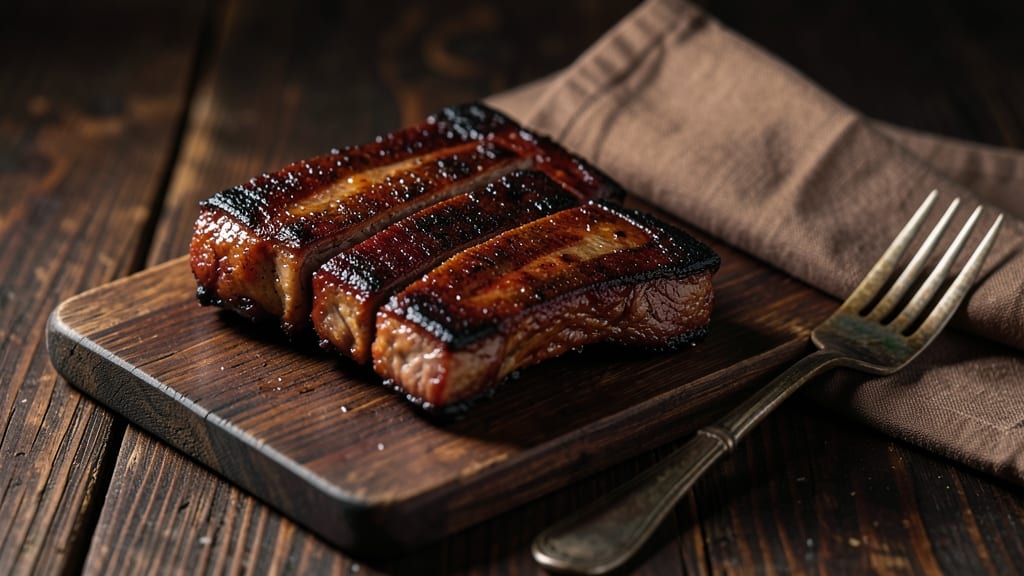
Mastering BBQ beef plate ribs means transforming tough cuts into melt-in-your-mouth perfection, and this recipe delivers exactly that with a proven method for fall-off-the-bone tenderness.
The secret lies in low-and-slow cooking—whether you're using a traditional smoker, pellet grill, or even a well-calibrated oven—paired with precise temperature control that ensures every bite is juicy and flavorful.
I've spent years perfecting this technique, learning from both my grandmother's Italian roots in slow-cooked meats and the bold flavors of American BBQ traditions.
What sets this recipe apart is the balance between traditional methods and modern shortcuts, giving you restaurant-quality results without requiring a dedicated smoker. The 3-2-1 method—3 hours unwrapped, 2 hours wrapped in foil, and 1 hour wrapped in butcher paper—creates that perfect bark while keeping the meat tender.
You'll need just three hours of active cooking time, plus a little patience for resting, but the payoff is worth every minute. The ribs develop a deep, smoky flavor with a crispy exterior that's impossible to resist.
By the time you're done, you'll have ribs that are so tender they practically fall apart at the touch, coated in a sticky-sauce glaze that balances sweet and smoky notes.
The aroma alone will have everyone gathering around the table, and the texture—crispy on the outside, velvety inside—is the kind of experience that turns weeknight dinners into special occasions. Serve with classic sides like tangy coleslaw or buttery cornbread to complete the meal.
This recipe isn't just about the ribs—it's about the process. Whether you're cooking for a crowd or treating yourself to a solo meal, the techniques here will elevate your BBQ game. Let's get started on creating ribs that will have everyone asking for seconds.
Ingredients for bbq beef plate ribs
Just the right mix of smoky, sweet, and savory ingredients for ribs that practically melt in your mouth.
| Ingredient | Amount | Notes |
|---|---|---|
| Beef Plate Ribs 🥩 | 4 lb | Bone-in, cut into 2-inch sections |
| Yellow Onion 🧅 | 1 whole | Sliced into wedges |
| Garlic Cloves 🧄 | 8 cloves | Minced, fresh preferred |
| Apple Cider Vinegar 🍎 | ¼ cup | For tenderizing marinade |
| Brown Sugar 🍚 | ½ cup | Packed, light or dark |
| Smoked Paprika 🌶️ | 2 tbsp | For deep smoky flavor |
| Ground Black Pepper 🌶️ | 1 ½ tbsp | Freshly cracked |
| Kosher Salt 🧂 | 2 tbsp | Coarse grain preferred |
| Honey 🍯 | ¼ cup | Wildflower for depth |
| Apple Wood Chips 🌳 | 1 package | For authentic smoke flavor |
| Butcher Paper 📄 | 2 sheets | For final bark wrap |
| Aluminum Foil 📄 | 1 sheet | Heavy-duty for wrapping |
| Beef Broth 🥛 | ½ cup | Low-sodium preferred |
The ribs are the star, so look for beef plate ribs with good marbling—the fat keeps them juicy. I grab mine from Costco or my local butcher shop when they're on sale, usually around $6-8 per pound. If you're using a smoker, apple wood chips give that classic BBQ flavor without overpowering. For the marinade, I always use apple cider vinegar—it tenderizes better than anything else. Grab a bottle from Trader Joe's if you want the best quality without breaking the bank. The brown sugar should be packed—don't scoop it loosely, or you'll end up with a dry rub.
No apple wood chips? Cherry or hickory work fine—just soak them for 30 minutes first. Out of apple cider vinegar? Balsamic vinegar at the same amount gives a similar tang. The honey can be swapped for maple syrup if you're out, but I prefer honey for that floral note. For the rub, if you don't have smoked paprika, regular paprika plus a pinch of liquid smoke (about 1/2 tsp) gets you close. The beef broth is just for moisture during the cooking process—use whatever you've got, but low-sodium is best so you don't over-salt the ribs.
These ribs taste even better the next day, so plan ahead. Store them wrapped in butcher paper in the fridge for up to 4 days—the flavors meld beautifully overnight. For reheating, wrap them in foil and warm in a 300°F oven for 15-20 minutes. The sauce will get thicker as it cools, so add a splash of water or beef broth when reheating if it's too stiff. Freeze any leftovers in portions—3 months max—just thaw overnight in the fridge before reheating.
Why You'll Love This Recipe
- One-Bowl Wonder: I’ll be real—this recipe’s prep is ridiculously simple. Just two bowls (one for the dry rub, one for the marinade), then slap it on the ribs and let time do the work. No fancy techniques, no chopping chaos—just mix, coat, and smoke. Honestly, the hardest part is waiting for that 225°F smoker to do its magic.
- Smoky-Sweet Magic: That perfect balance of 0.5 cup brown sugar and 0.25 cup apple cider vinegar? It’s what turns tough beef plate ribs into something addictive. The honey and smoked paprika caramelize into this glossy, crackling bark while the vinegar keeps the meat tender. Every bite has that deep, smoky punch with just enough tang to cut through the richness—like a backyard BBQ in your backyard.
- Weeknight Workhorse: Between us, these ribs are my go-to for game days, lazy Sundays, or when I need to impress without stressing. The butcher paper wrap keeps them juicy while the bark stays crisp, and they reheat like a dream. Plus, the yellow onion wedges and minced garlic on the side turn this into a full spread—no extra sides needed.
- Leftovers That Don’t Suck: Store them wrapped in butcher paper for up to 4 days, and they actually get better overnight. The flavors meld like a slow-cooked hug, and reheating? Just a quick warm in the oven or smoker. (Yes, even on a Tuesday night.) No sad, dry meat here—just fork-tender, smoky goodness that tastes like you slaved over it.
Step-by-step instructions for BBQ beef plate ribs
Here's how to transform tough beef plate ribs into melt-in-your-mouth perfection with that coveted smoky bark.
Prepare the Dry Rub and Marinade
In a medium bowl, combine the 0.5 cup brown sugar, 2 tbsp smoked paprika, 1.5 tbsp ground black pepper, and 2 tbsp kosher salt. Mix thoroughly until the sugar crystals are fully coated with spices. This dry rub will create that signature bark while keeping the meat tender.
In a separate bowl, whisk together the 0.25 cup apple cider vinegar, 0.25 cup honey, and 0.5 cup beef broth. This acidic-sweet marinade helps tenderize the meat while adding depth of flavor. The apple cider vinegar breaks down tough fibers, and the honey creates a sticky surface that helps the rub adhere and caramelize beautifully during cooking.
Season and Marinate the Ribs
Pat the 4 lb beef plate ribs completely dry with paper towels - moisture is the enemy of crispy bark. Generously coat both sides of the ribs with the dry rub mixture, pressing it into the meat so it sticks. Then brush both sides with the marinade, working it into all the crevices and bone areas.
Place the ribs on a plate, fat-side up, and cover with plastic wrap. Refrigerate for at least 4 hours or overnight. This long marinating time allows the flavors to penetrate deeply and the meat to become more tender. The acid in the vinegar will begin breaking down the tough connective tissue, while the honey and sugar create a sticky surface that helps develop that coveted bark during cooking.
Smoke the Ribs Low and Slow
Preheat your smoker to 225°F using the apple wood chips for authentic smoke flavor. Place the ribs bone-side down on the smoker grate and close the lid. Smoke for 3 hours without opening the lid - every time you open it, you lose heat and moisture, extending your cook time.
After 3 hours, check the internal temperature using a meat thermometer. You're looking for 165°F in the thickest part of the meat. The ribs should have developed a dark mahogany color and some bark formation. If they haven't reached temperature yet, continue smoking until they do. The low temperature breaks down collagen slowly, transforming tough meat into tender, fall-apart goodness.
Wrap and Finish Cooking
When the ribs reach 165°F, it's time for the "Texas Crutch" - wrapping them in butcher paper to push through the stall. Lay out one of the butcher paper sheets on your work surface and place the ribs on top. Fold the paper over the ribs, then tightly wrap them using the second sheet, leaving a small opening at one end for steam to escape.
Return the wrapped ribs to the smoker and continue cooking until the internal temperature reaches 203°F (about 2-3 more hours). The paper allows steam to circulate while maintaining that beautiful bark. The ribs should be fork-tender with a deep mahogany crust. If you prefer a thicker bark, you can remove the paper for the last 30 minutes of cooking.
Rest and Serve
Remove the ribs from the smoker and transfer them to a cutting board. Tent loosely with aluminum foil and let rest for 15-20 minutes. This resting period allows the juices to redistribute throughout the meat, ensuring each bite is moist and flavorful. The temperature will rise another 5-10°F during this time.
Slice the ribs between the bones into individual servings. The meat should pull apart easily with just a gentle tug, revealing that beautiful pink smoke ring beneath the crust. Serve immediately with the sliced yellow onion wedges and minced garlic cloves on the side for dipping. These ribs deliver that perfect balance of sweet, smoky, and tangy flavors with melt-in-your-mouth tenderness.
Pro Tips For Making Bbq Beef Plate Ribs
- Trim the Fat First: I used to skip this, but trimming excess fat from the beef plate ribs before smoking saves you from flare-ups and greasy smoke. Just wipe off any thick fat caps with paper towels—you’ll get cleaner bark and less cleanup later.
- Don’t Rush the Vinegar: The apple cider vinegar is doing heavy lifting here, so don’t cut the marinade time short. If you’re in a hurry, at least let the ribs sit for 4 hours—any less, and the tough fibers won’t break down enough for that tender result.
- Check Temp, Not Time: I’ve pulled ribs at 3 hours only to find them still tough because I ignored the thermometer. Wait for 165°F internal temp before wrapping—no guessing, no excuses. The ribs will thank you with melt-in-your-mouth texture.
- Double the Paper Trick: Sounds weird, but it works: wrap the ribs in two sheets of butcher paper instead of one. The extra layer traps steam better and keeps that bark intact while still letting moisture escape. (Yes, even if you’re impatient like me.)
Best sauces and condiments for these flavors
Classic BBQ Sauce
For a traditional finish, I reach for my go-to St. Louis-style BBQ sauce—thick, tangy, and just sweet enough to complement the smoky ribs. My favorite is Sweet Baby Ray's Original, but I also love Kansas City-style sauce like Arthur Bryant's for a deeper, richer flavor.
Brush on ¼ cup during the last 30 minutes of cooking, or serve it on the side for dipping. The key is balance—too much sauce can overwhelm the natural flavors of the meat. 🍯
Honey Butter Glaze
This is where my Italian roots come in! Mix ¼ cup melted butter with 2 tablespoons honey and a pinch of smoked paprika for a glossy, sweet finish. Brush this glaze over the ribs during the last 20 minutes of cooking, or drizzle it over the finished dish.
It adds a luxurious sheen while keeping the ribs tender. I always keep a small jar of this glaze in my fridge for last-minute touches—it’s perfect for both ribs and chicken. 🥄
Spicy Vinegar Dip
For a tangy kick, whip up a quick dip using ¼ cup apple cider vinegar, 2 tablespoons olive oil, 1 teaspoon minced garlic, and a pinch of red pepper flakes. Serve it warm alongside the ribs for dipping.
This dip cuts through the richness and adds a bright, acidic contrast that makes every bite feel fresh. I often make extra to drizzle over the ribs just before serving. 🌶️
Garlic-Herb Butter
Nothing beats a pat of garlic-herb butter on freshly sliced ribs. Melt ¼ cup softened butter with 2 minced garlic cloves, 1 teaspoon chopped fresh rosemary, and a pinch of salt.
Dot this butter generously over the ribs right before serving—it adds a fragrant, herby finish that ties everything together. I learned this trick from my Nonna, who always said butter makes everything better. ✨
Smoked Maple Syrup
For a modern twist, reduce ½ cup maple syrup with 1 teaspoon apple cider vinegar and a pinch of smoked salt until it thickens slightly. Brush this over the ribs during the last hour of cooking.
The deep caramel notes of the maple syrup pair beautifully with the smoky flavors, creating a sophisticated balance. I discovered this combo while experimenting with fall flavors—it’s become a fall staple in my kitchen. 🍁
Onion Jam
Caramelized onions take these ribs to the next level. Sauté 1 sliced yellow onion with 1 tablespoon brown sugar, 1 teaspoon apple cider vinegar, and a pinch of salt until jammy and deep golden.
Spread this onion jam on the ribs during the last 15 minutes of cooking, or serve it as a side for dipping. The sweetness and depth of flavor make it irresistible. 🧅
Nutrition facts
Frequently asked questions
How do I know when beef plate ribs are done?
Use a meat thermometer to check the internal temperature at the thickest part of the meat. Ribs are done when they reach 203°F—this ensures they're fork-tender and fall-apart perfect. The bark should be dark mahogany with a crispy texture. Never rely just on appearance; the thermometer is your best friend!
Can I cook these ribs without a smoker?
Use an oven set to 225°F with a water pan for moisture. Place the ribs on a rack above the pan and cook for 3 hours unwrapped, then wrap in butcher paper and cook another 2-3 hours until 203°F. For extra smoke flavor, add wood chips to a foil packet and place it on the oven rack. The result will be just as tender and flavorful!
Why do my ribs turn out dry?
Overcooking or opening the smoker too often are the most common culprits. Keep the temperature steady at 225°F and avoid peeking! The 203°F internal temp is key—any higher, and the meat will dry out. Also, make sure your ribs are well-marbled and patted completely dry before applying the rub. The butcher paper wrap helps retain moisture during the final phase.
How do I make the bark extra crispy?
For maximum bark, skip the butcher paper wrap and let the ribs smoke uncovered until they reach 165°F. Then, wrap them in aluminum foil (not butcher paper) to finish cooking. The foil creates steam while allowing the bark to stay crispy. Brush with a thin layer of apple cider vinegar during the last 30 minutes to enhance caramelization. The result? A perfect balance of crispy exterior and tender meat!
Can I use a different type of wood for smoking?
Yes! While apple wood chips are traditional, cherry or hickory work well too. Soak the wood chips for 30 minutes before using to prevent flare-ups. Avoid strong woods like mesquite—they can overpower the ribs' delicate flavors. If you're experimenting, start with a 50/50 mix of apple and another wood for a balanced taste.