
Soups & Stews
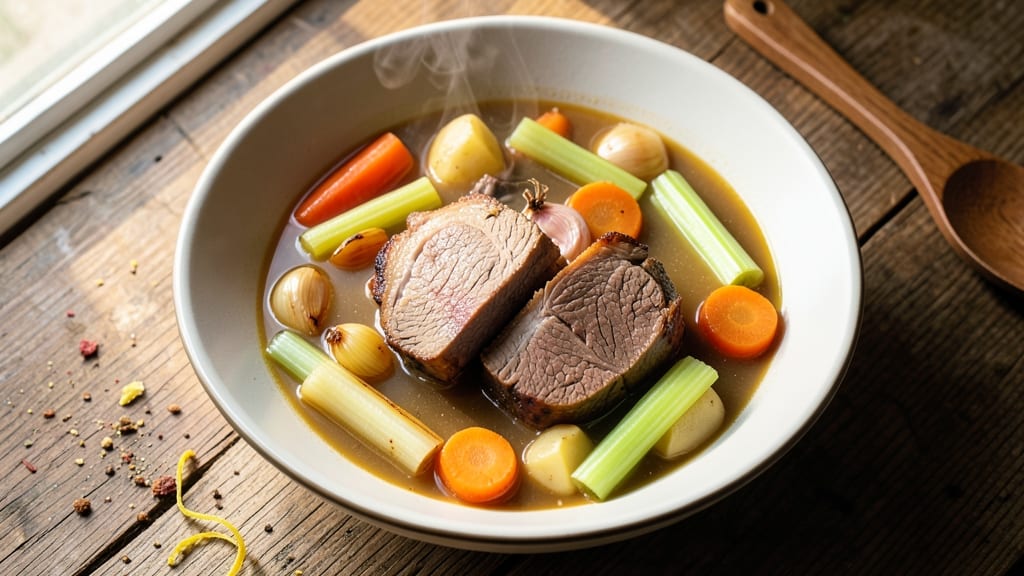
This basic vegetable beef soup recipe delivers comforting warmth in every spoonful—where tender beef and hearty vegetables simmer together in a rich, aromatic broth. 💛 The secret lies in properly browning the beef for deep flavor and timing the vegetables just right so they stay vibrant yet tender.
I've perfected this recipe over years of testing, ensuring it's simple enough for weeknight dinners but hearty enough to satisfy a crowd.
The beauty of this soup is its adaptability—whether you're using a stovetop, slow cooker, or pressure cooker, the technique remains the same. We start with a simple sauté of onions and garlic to build flavor, then add beef that cooks until tender before introducing the vegetables.
The broth develops a rich depth as it simmers, absorbing all the savory notes from the meat and vegetables.
By the time you're done, you'll have a steaming bowl of soup with tender beef that practically melts in your mouth and vegetables that retain their natural colors and textures.
The aroma alone will fill your kitchen with warmth, while the balanced flavors make it a meal you'll want to return to again and again.
Perfect for chilly evenings, meal prep, or feeding a family, this soup is the ultimate comfort food. The instructions are straightforward, and the ingredients are simple—just good-quality beef, fresh vegetables, and a few pantry staples. Let's get started on creating this hearty, satisfying dish.
Ingredients for basic vegetable beef soup
Good-quality beef, fresh vegetables, and simple pantry staples—this is all you need for comforting soup.
| Ingredient | Amount | Notes |
|---|---|---|
| Beef Chuck Roast 🥩 | 1 ½ lb | Cut into 1-inch cubes |
| Yellow Onion 🧅 | 1 whole | Diced into 1/4-inch pieces |
| Carrots 🥕 | 4 medium | Peeled and cut into 1-inch chunks |
| Celery Stalks 🌿 | 3 whole | Diced into 1/4-inch pieces |
| Garlic Cloves 🧄 | 4 cloves | Minced finely |
| Potatoes 🥔 | 2 medium | Peeled and cubed into 1-inch pieces |
| Tomato Paste 🍅 | ¼ cup | For rich depth of flavor |
| Beef Broth 💧 | 4 cups | Low-sodium preferred |
| Dried Thyme 🌿 | 1 tsp | Or 1 tbsp fresh thyme |
| Bay Leaves 🍃 | 2 whole | Remove before serving |
| Salt 🧂 | 1 ½ tsp | Kosher or sea salt |
| Black Pepper 🌶️ | ½ tsp | Freshly ground preferred |
| Olive Oil 🫒 | 2 tbsp | For browning beef |
| Fresh Parsley 🌿 | ¼ cup | Chopped for garnish |
The beef is the star here, so chuck roast is your best bet—it stays tender and flavorful. Grab it pre-cut from the grocery store meat counter to save time, or ask the butcher to cube it for you. Costco or Walmart usually have it ready to go, and it's cheaper in bulk. For the veggies, fresh is ideal, but frozen carrots and celery work in a pinch (just thaw and drain first). The potatoes should be starchy like Yukon Golds or Russets—they hold up better to long cooking. If you're using pre-diced frozen veggies, no need to chop—just toss them straight in.
No beef broth? Water plus 1 beef bouillon cube works, but add an extra pinch of salt. Fresh thyme is best, but dried works at one-third the amount. The tomato paste can be from a tube or a can—just measure it out carefully. Short on parsley? Fresh cilantro or basil gives a nice twist. For extra richness, stir in 1 tbsp Worcestershire sauce at the end (check for vegetarian-friendly versions if needed). The onions and garlic should be sautéed until golden—don’t rush this step—it builds the soup’s foundation flavor.
This soup tastes even better the next day as the flavors meld. Store leftovers in the fridge for up to 5 days, or freeze portions for 3 months. I like to portion it into containers with a little extra broth on top—prevents a soggy texture when reheating. For meal prep, double the recipe and freeze half. The beef stays tender when reheated gently, and the veggies hold their shape. Garnish with fresh parsley right before serving—it brightens up the whole bowl.
Why You'll Love This Recipe
- I swear by this trick: dice the onion, carrots, and celery together—they’re all about the same size, so you’re basically doing one chop. The beef chuck roast? Just cut it into big chunks—no knife skills needed.
- Minimal Chopping Required: I swear by this trick: dice the onion, carrots, and celery together—they’re all about the same size, so you’re basically doing one chop. The beef chuck roast? Just cut it into big chunks—no knife skills needed.
- Deep Umami Magic: That beef chuck roast simmers until it’s fall-apart tender, while the garlic and onions caramelize into this rich, savory base. Honestly, the first bite makes you forget it’s "basic"—it’s ridiculously flavorful.
- Lunchbox Hero: Double the batch and store it in the fridge—this soup only gets better the next day. Pack it in thermoses for work or school, and you’ve got a meal that’s hearty, warm, and actually filling.
Step-by-step instructions for hearty vegetable beef soup
Here's how to create a comforting bowl of soup with melt-in-your-mouth beef and vibrant vegetables.
🔥 Step 1: Brown the Beef for Maximum Flavor
Heat the 2 tablespoons olive oil in a large Dutch oven over medium-high heat. Add the 1.5 lb beef chuck roast cut into 1-inch cubes and brown on all sides—this step is crucial for developing deep flavor. You'll know it's ready when the beef develops a rich, caramelized crust. Work in batches if needed to avoid overcrowding the pan.
Once all the beef is browned, transfer it to a plate and set aside. You'll notice the pan will have some beautiful browned bits stuck to the bottom—this is the flavor foundation for your soup. Don't wipe it out; we'll deglaze it in the next step.
👨🍳 Step 2: Sauté the Vegetable Base
In the same Dutch oven, add the diced yellow onion, diced carrots, and diced celery stalks (all prepped as specified). Cook over medium heat for 5-6 minutes, stirring occasionally, until the vegetables soften and become fragrant. This is where the soup starts building its aromatic foundation.
Add the minced garlic cloves and cook for another 30 seconds until you can smell that wonderful garlic aroma filling your kitchen. Be careful not to let it burn—garlic turns bitter quickly. Here's the thing—this step ensures your soup won't taste bland, so don't rush it.
🥘 Step 3: Build the Rich Broth Base
Stir in the 0.25 cup tomato paste and cook for 1 minute to toast slightly, deepening the flavor. Pour in the 4 cups beef broth and bring everything to a gentle boil. Add the browned beef cubes back to the pot along with the 2 bay leaves, 1 teaspoon dried thyme, 1.5 teaspoons salt, and 0.5 teaspoon black pepper.
Reduce heat to low and let the soup simmer uncovered for 45 minutes. This slow simmer allows the beef to become fork-tender while the vegetables absorb all those rich flavors. You'll notice the beef will start to break down slightly—that's exactly what we want for that melt-in-your-mouth texture.
🥘 Step 4: Add Potatoes and Complete the Simmer
After the initial 45 minutes, add the 2 peeled and cubed potatoes (about 1-inch chunks) to the pot. Return to a gentle simmer and cook for another 20-25 minutes until the potatoes are tender when pierced with a fork. The soup should now have a thick, hearty consistency with all the vegetables perfectly cooked.
Real talk: This is where patience pays off. If the soup seems too thick, you can add a splash of water or more broth to reach your desired consistency. The potatoes should be soft enough to crush slightly between your fingers—that's your perfect doneness indicator.
🍽️ Step 5: Finish and Serve Warm
Remove the 2 bay leaves and taste the soup, adjusting seasoning if needed. The beef should be fork-tender, and the vegetables should be perfectly cooked but still hold their shape. Ladle the soup into bowls and garnish each serving with 2 tablespoons chopped fresh parsley for a pop of color and freshness.
Serve immediately while hot. Each spoonful should deliver that perfect balance of tender beef, sweet carrots, earthy celery, and rich broth. I like to serve this with crusty bread to soak up every last drop of that delicious soup—it's the perfect comfort food for chilly days.
Pro Tips For Making Basic Vegetable Beef Soup
- SEAR THE CHUCK ROAST: DESCRIPTION: Don’t skip the brown—after trimming fat, pat the beef chuck dry and sear it in a hot pot (no oil needed) until deep brown on all sides. That crust locks in flavor and prevents the meat from turning mushy later. I used to rush this, and the soup always tasted bland by comparison.
- CUT VEGETABLES UNIFORM: DESCRIPTION: Dice onions into ¼-inch pieces, carrots into ½-inch chunks, and celery into ½-inch slices—consistent sizes mean even cooking. My grandmother swore by this, and she was right: uneven pieces lead to some vegetables turning to mush while others stay crunchy.
- SIMMER LOW AND SLOW: DESCRIPTION: After browning the meat and sautéing aromatics, add broth and bring to a gentle boil, then drop to a low simmer—just bubbles breaking the surface. High heat makes the chuck tough; I learned this the hard way after serving rubbery beef to a skeptical dinner guest.
- USE GARLIC LAST: DESCRIPTION: Crush garlic cloves and add them with the herbs in the final 10 minutes—this keeps their bright flavor instead of letting them turn bitter. I was skeptical until I tried it: the difference in aroma is night and day, especially when paired with the rich beef.
Troubleshooting your basic vegetable beef soup
Mushy Vegetables Fix
If your carrots or celery turn out mushy, it’s likely they cooked too long. The key is timing—add harder veggies (like carrots) with the beef and softer ones (like potatoes) later.
For extra insurance, I recommend cutting potatoes into ½-inch cubes instead of 1-inch—they’ll cook faster without falling apart. 🥕
Beef Not Tender Enough
Undercooked beef is usually the result of rushing the simmer. The recipe calls for 45 minutes of low simmering, but if you’re short on time, try increasing the heat slightly to medium-low for the last 15 minutes.
For even more tenderness, add 1 cup water when you add the potatoes—this helps break down the collagen faster. A meat thermometer reading of 195°F is ideal for fork-tender beef.
Broth Too Thin or Watery
A thin broth often means too much liquid was added. If your soup seems watery, simmer it uncovered for an extra 10-15 minutes—the liquid will reduce naturally. For a thicker consistency, mash ½ of the cooked potatoes directly in the pot with a fork.
This releases starch and thickens the broth without altering the soup’s flavor. 🥔
Overly Salty Soup
If your soup tastes too salty, don’t panic—there are ways to fix it. Add ½ cup unsalted milk or cream (dairy or coconut-based) to dilute the saltiness while adding richness. Alternatively, stir in 1 cup diced tomatoes or tomato juice—the acidity balances the salt.
For a more subtle fix, add 1 extra potato and let it cook until fully tender, then remove it before serving.
Burnt or Bitter Flavor
Burnt onions or garlic can ruin the whole dish. To prevent this, keep the heat at medium when sautéing and stir frequently. If you accidentally burn the garlic, remove the burnt pieces immediately.
For a bitter aftertaste, add 1 teaspoon apple cider vinegar or lemon juice at the end—it brightens the flavor and cuts through any bitterness. 🍋
Leftover Soup Too Thick
If your soup thickens when reheating, it’s likely from the starch released by the potatoes. Thin it out with ½ cup hot water or broth, stirring well. For a creamier texture without thinning, blend ½ cup of the soup in a blender, then stir it back in.
This creates a silky consistency while keeping the soup hearty. Pro tip: Reheat gently on low heat to avoid breaking down the beef further.
Nutrition facts
Frequently asked questions
Can I substitute ground beef for cubed beef in this recipe?
Yes, but the texture will differ. Ground beef works well for a thicker, meatier soup, but it won't have the same tender chunks as cubed chuck roast. Use 1 lb ground beef instead of 1.5 lbs cubed, brown it thoroughly, and add it directly to the pot with the vegetables. Cook for 15 minutes less total time since ground beef cooks faster.
What vegetables can I swap in or out?
This recipe is flexible! Swap carrots for sweet potatoes or turnips (add with potatoes), celery for leeks or bell peppers, and potatoes for parsnips. For extra heartiness, add green beans or corn kernels in the last 10 minutes of cooking. Just adjust cooking times based on vegetable density.
How do I make this soup in a slow cooker?
Brown the beef and sauté the vegetables as directed, then transfer everything to your slow cooker. Add 2 cups broth (instead of 4) and cook on low for 7-8 hours or high for 4-5 hours. The beef will become fork-tender from the long cook time. Add potatoes in the last 1-2 hours to prevent mushiness.
Can I make this soup vegetarian?
Replace the beef with 1 lb mushrooms or 1 can lentils (drained), and use vegetable broth instead of beef broth. Add 1 teaspoon soy sauce or 1 tbsp Worcestershire sauce (vegetarian version) for umami depth. The tomato paste and thyme will still provide rich flavor.
Why does my soup taste bland?
Bland soup usually means insufficient browning of the beef or insufficient seasoning. Always brown the beef until deeply caramelized—this creates the flavor base. Taste as you go and adjust salt gradually. For extra depth, add 1 tsp smoked paprika or ½ tsp onion powder with the thyme. A splash of balsamic vinegar at the end also enhances flavor.