
Soups & Stews
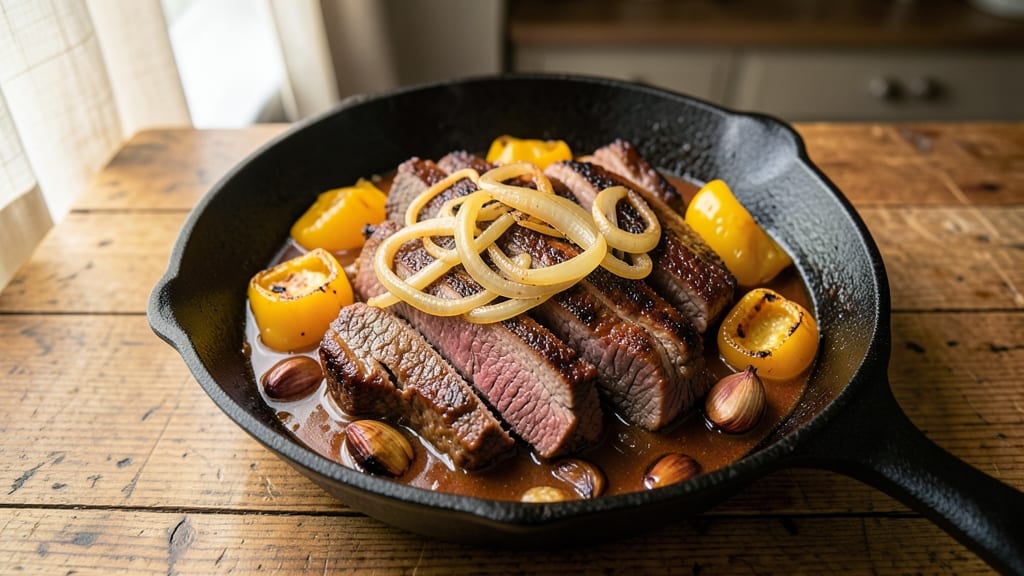
This barbecue beef stew recipe transforms tough cuts into melt-in-your-mouth perfection with deep-smoked richness and caramelized onions. 🔥 As a pitmaster trained in French technique, I've perfected the balance between slow-cooked tenderness and bold barbecue flavors—every bite delivers layers of smoky depth and sweet-savory complexity.
The key lies in proper browning and layering spices, creating a stew that tastes like it's been simmering all day, even when it only takes a few hours.
The foundation begins with a deep, flavorful brown on the beef, which builds a rich base for the sauce. Slow simmering allows the meat to become fork-tender while developing those caramelized onion notes that make this stew unforgettable.
I use a blend of traditional barbecue spices and aromatic herbs to create depth, ensuring each spoonful is packed with flavor without being overpowering. This isn't just another beef stew—it's a smoky, hearty masterpiece that belongs at your dinner table.
By the time you're done, you'll have a pot of rich, velvety stew where the beef falls apart at the touch of a fork and the sauce clings to every bite.
The aroma alone will have everyone gathering around the table, and the first taste will confirm why this recipe has become a family favorite. Whether you're serving it with crusty bread or roasted vegetables, this stew delivers restaurant-quality results that taste even better the next day.
What makes this recipe truly special is its adaptability—you can prepare it on the grill, in a Dutch oven, or even in a slow cooker. The techniques I've developed ensure consistent results no matter your method, making it perfect for weeknight dinners or special occasions.
Let's get started on creating this deeply satisfying, flavor-packed stew that will become your new go-to recipe.
Ingredients for barbecue beef stew
Sixteen ingredients, smoky flavors, melt-in-your-mouth beef perfection waiting to happen.
| Ingredient | Amount | Notes |
|---|---|---|
| Chuck Roast 🥩 | 3 lb | Well-marbled, cut into 1.5-inch cubes |
| Yellow Onions 🧅 | 3 whole | Yellow or red, sliced into 1/4-inch pieces |
| Garlic Cloves 🧄 | 6 cloves | Minced, fresh preferred |
| Yellow Bell Peppers 🌶️ | 2 whole | Cored, sliced into strips |
| Tomato Paste 🍅 | ½ cup | High-quality, no sugar added |
| Beef Broth 💧 | 4 cups | Low-sodium, homemade or store-bought |
| Apple Cider Vinegar 🍎 | ¼ cup | For tangy depth |
| Smoked Paprika 🌶️ | 2 tbsp | High-quality, not sweet |
| Ground Cumin 🌿 | 1 tbsp | Toasted for deeper flavor |
| Dried Thyme 🌿 | 1 tsp | Or 1 tbsp fresh |
| Black Peppercorns 🌶️ | 1 tsp | Freshly cracked |
| Brown Sugar 🍚 | 2 tbsp | Light or dark |
| Olive Oil 🫒 | 2 tbsp | Extra-virgin for richness |
| Salt 🧂 | 1 ½ tsp | Kosher or sea salt |
| Bay Leaves 🍃 | 2 whole | Fresh preferred |
The chuck roast is non-negotiable here—Costco or Whole Foods have the best marbling. Look for pieces with visible fat streaks, not lean cuts. Trader Joe's also carries pre-cubed chuck, which saves time. Onions are the flavor foundation, so don't skimp. Yellow or red both work, but red onions add extra sweetness. The bell peppers? Yellow for mildness, but green or red work too. Fresh garlic and thyme make all the difference—Penzeys Spices is my go-to for quality dried herbs, but fresh is ideal if you've got it.
No smoked paprika? Substitute with 1 tbsp regular paprika plus 1/2 tsp liquid smoke. Fresh thyme can be swapped 1:3 with dried. Short on apple cider vinegar? Balsamic vinegar works in a pinch, but it'll taste different. The beef broth matters—low-sodium is key so you control the saltiness. For extra richness, add 1/2 cup of whole milk or heavy cream at the end. Tomato paste? San Marzano is best, but any quality brand works. Skip the pre-shredded cheese if you're adding any at the end—it gets gummy.
This stew tastes even better the next day—3-4 days in the fridge is perfect. For longer storage, freeze portions for up to 3 months. I like to portion it into quart-sized containers so I can grab exactly what I need. The onions and peppers can be prepped ahead—store them in the fridge for 3 days before cooking. The beef cubes can be seasoned and refrigerated overnight for deeper flavor. Just brown them fresh when ready to cook.
Why You'll Love This Recipe
- One-Pot Magic: I swear by this recipe because it’s the kind of dish where you dump everything in one pot and walk away. The chuck roast practically melts into tender perfection while the onions and peppers soften—no chopping like I’m in a cooking competition, just real, satisfying food.
- Smoky Deep Flavor: That tomato paste and slow-cooked chuck? It’s where the magic happens. The smokiness from the barbecue seasoning clings to the meat, while the garlic and onions build layers of warmth—like a hug in a bowl, but way more delicious.
Step-by-step instructions for barbecue beef stew
Here's how to build deep, smoky flavor with caramelized onions and tender beef.
🔥 Step 1: Sear the Chuck Roast for Maximum Flavor
Heat a large Dutch oven over medium-high heat and add the 2 tablespoons olive oil. Once the oil shimmers, add the 3 lb chuck roast cut into 1.5-inch cubes in a single layer. Don't overcrowd the pan—work in batches if needed.
Sear each piece for 2-3 minutes per side until deeply browned and caramelized. This step creates the rich, meaty foundation of your stew. Once all pieces are browned, transfer them to a plate and set aside. Here's the thing—don't skip this step. The Maillard reaction happening here builds the deep umami flavor that makes this stew extraordinary.
👨🍳 Step 2: Build the Flavor Base with Caramelized Onions
In the same Dutch oven, add the 3 whole yellow onions sliced into ¼-inch pieces and the 2 whole yellow bell peppers sliced into strips. Cook over medium heat for 8-10 minutes, stirring occasionally, until the onions soften and begin to caramelize.
This is where the magic happens. The onions should turn golden brown and develop a sweet, jammy texture. If they stick, add a splash of water and scrape up those delicious browned bits from the bottom of the pan. After about 5 minutes, add the 6 cloves minced garlic cloves and cook for another 30 seconds until fragrant. You'll know it's ready when the kitchen fills with that irresistible aroma of caramelized onions and garlic.
🍳 Step 3: Develop the Smoky-Sweet Sauce
Stir in the 2 tablespoons smoked paprika, 1 tablespoon ground cumin, 1 teaspoon dried thyme, 1 teaspoon freshly cracked black peppercorns, 2 tablespoons brown sugar, and 1.5 teaspoons salt. Cook for 1 minute to toast the spices and let their aromas meld together.
Add the 0.5 cup tomato paste and stir well to coat everything in its rich, concentrated flavor. Pour in the 0.25 cup apple cider vinegar and let it simmer for 2 minutes until the acidity mellows slightly. This step balances the sweetness and adds that tangy depth that makes this stew special. The vinegar also helps break down the meat fibers for even more tenderness.
🥘 Step 4: Simmer the Stew to Perfection
Return the browned beef to the Dutch oven and pour in the 4 cups beef broth. Add the 2 whole bay leaves and bring everything to a gentle boil. Once boiling, reduce heat to low and cover the pot. Let it simmer for 2.5 to 3 hours until the beef is fork-tender and easily pulls apart.
Here's where patience pays off. The stew should reduce slightly, allowing the flavors to concentrate. Stir occasionally and add a splash of water if it gets too thick. You'll know it's done when the beef is so tender it practically melts in your mouth. The bay leaves should be easily removed with tongs, and the broth should have a rich, velvety consistency with deep, smoky undertones.
⏰ Step 5: Finish and Rest for Maximum Richness
Remove the bay leaves and adjust seasoning if needed. Let the stew rest for 15-20 minutes off the heat before serving. This resting period allows the flavors to meld completely and the stew to thicken slightly, creating that perfect mouthfeel.
Serve the stew hot in bowls, garnished with extra caramelized onions if desired. Each spoonful should deliver tender beef, sweet caramelized onions, and a complex blend of smoky, tangy, and savory flavors. This is the kind of stew that tastes even better the next day—so plan to make extra!
Pro Tips For Making Barbecue Beef Stew
- SEAR THE ROAST FIRST: Chuck roast needs that crust to lock in flavor. Hit it with high heat—no crowding the pan—until it’s deep brown in spots. I used to skip this, and the stew always tasted flat. Two minutes per side, then move it to a plate.
- CUT ONIONS THIN AND EVEN: Uniform slices cook faster and don’t turn to mush. Aim for 1/8-inch thickness—thicker pieces stay tough. My grandmother swore by this, and she was right: uneven onions make the stew look messy and taste underwhelming.
- SIMMER LOW AND SLOW: This isn’t a race. After browning, cover the pot and let it bubble gently—no boiling. I learned the hard way that rushing this step makes the meat dry. Two to three hours at a steady simmer is non-negotiable.
- USE TOMATO PASTE LAST: Stir it in during the final 30 minutes so it doesn’t burn. I was skeptical until I tried it—it adds depth without bitterness. Skip the pre-cooking, and the stew stays rich, not charred.
Troubleshooting perfect results
Meat Too Tough
If your beef isn't tender enough, you likely didn't cook it long enough. Chuck roast needs 2.5-3 hours of simmering at low heat to break down the connective tissue. I've found that adding 1 extra hour often makes the difference.
Also, check your heat level—too high will cook the outside faster than the inside, leaving the center tough. Use a meat thermometer to confirm the internal temp reaches 203°F before removing from heat. 💡
Sauce Too Thin
A watery stew usually means too much liquid was added. Start with 4 cups beef broth and only add splashes of water during cooking if needed. For extra thickness, remove the beef and reduce the sauce uncovered over medium-high heat for 5-10 minutes to evaporate excess liquid.
If you prefer a richer texture, stir in 1-2 tablespoons cornstarch mixed with water at the end. I keep a small bowl of this slurry on hand for emergencies—it works like magic. ✨
Onions Burned
Overcooking onions turns them bitter and dark. Keep them moving in the pan and remove them before they turn deep brown—they should be golden, not blackened. If they start sticking, add 1 tablespoon water and scrape up those flavorful browned bits from the bottom.
For extra insurance, reduce heat to medium-low once they begin caramelizing. I've ruined many batches by getting distracted—set a timer for 8-10 minutes to stay on track. 🧅
Lacking Smoky Flavor
If your stew tastes more like regular beef stew than barbecue, your smoked paprika might be weak. Use high-quality smoked paprika (I recommend Penzeys Smoked Paprika) and consider adding ½ teaspoon liquid smoke for extra depth.
Also, toast your spices in the pan for 1 full minute before adding other ingredients—this releases their aromatic oils. For a smokier profile, try adding 1-2 slices of bacon (cooked until crispy) to the pot during the simmering phase. 🌶️
Overpowering Vinegar
The apple cider vinegar adds tangy depth, but too much can make the stew taste sour. Start with ¼ cup and taste as you go—you can always add more, but you can't take it out.
If it's too sharp, balance it with 1 extra tablespoon brown sugar or a pinch of salt. For a smoother finish, simmer the stew 5 minutes longer after adding vinegar to mellow the acidity. I've learned to add vinegar gradually, tasting after each addition. 🍎
Bay Leaves Too Bitter
If your stew tastes bitter, the bay leaves may have been in too long or were old. Remove them immediately when the stew is ready to eat—they should be easily plucked with tongs.
Fresh bay leaves are best, but if using dried, reduce to 1 leaf and remove after 1 hour of simmering. For extra flavor without bitterness, add ½ teaspoon ground bay leaf (available at specialty spice shops) instead. This trick works wonders in soups and stews. 🍃
Nutrition facts
Frequently asked questions
Can I use a different cut of beef instead of chuck roast?
You can substitute with brisket or short ribs, but chuck roast is ideal because of its marbling and tenderness when slow-cooked. Brisket will need 4-5 hours of simmering, while short ribs may only need 2.5 hours. Avoid lean cuts like sirloin—they won't become tender enough.
How can I make this stew on the grill?
Use a cast-iron skillet or grill-safe Dutch oven on indirect heat. Sear the beef on direct heat first, then move everything to indirect heat for 2-3 hours, adding broth gradually. For smokier flavor, add wood chips (hickory or apple) to your grill. Keep the lid closed to trap heat.
What's the best way to reheat leftovers?
Gently reheat on low heat in a pot with a splash of broth or water to prevent drying. Never microwave—it makes the beef tough. For best results, warm for 10-15 minutes until steaming. The flavors actually improve after 2-3 days in the fridge!
Can I make this stew in a slow cooker?
Brown the beef first, then transfer everything to a 6-quart slow cooker on low for 8 hours or high for 4-5 hours. The slow cooker's gentle heat works perfectly for tenderizing the meat. Add ½ cup water if needed to prevent burning.
What's the secret to getting that perfect smoky flavor?
The combination of smoked paprika, toasted spices, and apple cider vinegar creates that signature barbecue taste. For extra depth, add ½ teaspoon liquid smoke or 1 slice crispy bacon during simmering. The key is toasting the spices in the pan for 1 full minute before adding other ingredients.