
Main Courses
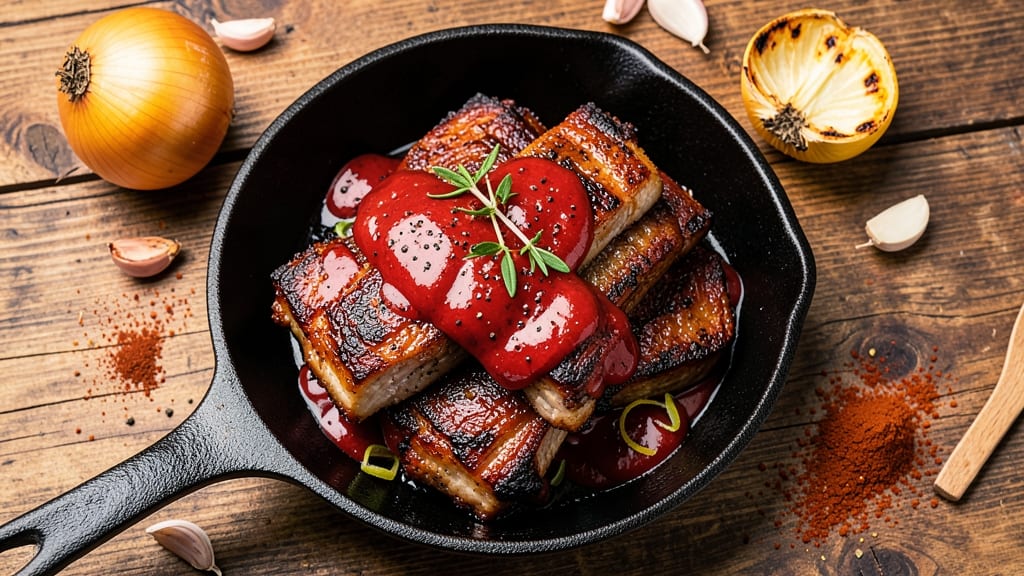
This Bandera beef ribs recipe delivers the bold, smoky, vinegar-kissed flavor that makes Texas BBQ legendary. The secret lies in a slow-braised technique that transforms tough rib meat into tender, caramelized perfection with a signature tangy-spicy sauce.
I developed this method after years of perfecting the balance between heat and tenderness—no shortcuts, just deep flavor that builds with every bite.
The process starts with a dry rub of chili powder, garlic, and smoked paprika, followed by a vinegar-based braise that tenderizes the meat while developing complex layers of flavor.
What sets these ribs apart is the sauce—equal parts tangy, smoky, and slightly sweet—that clings to every bite without overpowering the beef's natural richness. The result? Ribs so flavorful they disappear faster than you can say "Bandera BBQ."
By the time you're done, you'll have ribs with caramelized edges, fall-apart tenderness, and a sauce that's sticky, spicy, and impossible to resist. Serve with classic sides like buttery cornbread and tangy slaw to complete the Texas BBQ experience.
This isn't just a recipe—it's a taste of tradition that belongs at every table.
Perfect for feeding a crowd or meal prepping for the week, these ribs deliver restaurant-quality results with minimal fuss. The key is patience—slow cooking unlocks the full potential of the beef while the sauce develops depth.
Once you try this method, you'll never settle for anything less than authentic Texas flavor.
Ingredients for bandera beef ribs
Six pounds of beef ribs plus bold spices and vinegar create Texas BBQ magic.
| Ingredient | Amount | Notes |
|---|---|---|
| Beef Ribs (Baby Back) 🍖 | 6 lb | Meaty, bone-in cuts preferred |
| Yellow Onion 🧅 | 1 whole | Large, yellow variety |
| Garlic Cloves 🧄 | 8 cloves | Freshly minced for rub |
| Smoked Paprika 🌶️ | ¼ cup | High-quality for smokiness |
| Chili Powder 🌶️ | ¼ cup | Medium heat preferred |
| Ground Black Pepper 🌶️ | 2 tbsp | Freshly cracked for bite |
| Kosher Salt 🧂 | ½ cup | Diamond Crystal preferred |
| White Vinegar 💧 | 1 ½ cups | Distilled for tang |
| Beef Broth 🥛 | 2 cups | Low-sodium preferred |
| Brown Sugar 🍯 | ½ cup | Light or dark works |
| Apple Cider Vinegar 🍎 | ½ cup | For extra tang |
| Cayenne Pepper 🔥 | 1 tbsp | Adjust for heat |
| Olive Oil 🫒 | ¼ cup | For rib coating |
| Fresh Thyme 🌿 | ¼ cup | Leaves only, chopped |
The ribs are non-negotiable—bone-in baby backs from Costco or local butcher shops give the best flavor and texture. Look for cuts with good marbling; the fat renders down during braising, keeping the meat juicy. Penzeys or bulk bins at Whole Foods are great for spices like smoked paprika and chili powder, but grocery store brands work too if they're fresh. Fresh thyme from the market adds a bright note, but dried works in a pinch (use half the amount). The vinegar is key—distilled white vinegar gives consistent tang without overpowering, while apple cider adds depth.
No smoked paprika? Substitute half regular paprika and half liquid smoke—just don't overdo the smoke. Brown sugar can be swapped for white sugar or maple syrup, though brown adds subtle caramel notes. Running short on beef broth? Water plus a bouillon cube works, but add a splash of soy sauce for umami. The cayenne is where you control the heat—start with less if you're sensitive. For the rub, toast the spices in a dry pan for 30 seconds to deepen their flavors before mixing with salt and sugar.
These ribs taste even better the next day—reheat gently in the oven with extra sauce if needed. Store leftovers in the fridge for 4-5 days or freeze for 3 months (portion into meal-sized containers). The sauce thickens as it cools, so thin with a splash of broth if needed. For meal prep, make a double batch—the ribs reheat beautifully for sandwiches or tacos all week.
Why You'll Love This Recipe
- One-Pan Magic: I swear by this recipe—just ribs, onion, garlic, and those two spices on a sheet pan. No messy marinades or fancy equipment, just throw it all in and let the oven do the work.
- Smoky Spice Bomb: That combo of smoked paprika and chili powder? It’s like a warm hug for your taste buds. The ribs come out with this perfect balance—smoky depth from the paprika, just enough heat to linger, and a caramelized crust that makes you want to lick the plate.
- Tailgate or Tuesday: Between us, these ribs are my go-to for everything: game day spreads, lazy Sundays, or even a quick weeknight dinner when I’m too tired to fuss. The leftovers? Even better the next day, wrapped in foil and reheated.
- Budget-Friendly Feast: Baby back ribs are a splurge, but this recipe stretches them far. A single pack feeds four, and the spices cost pennies. Honestly, it’s the kind of meal that makes you feel fancy without breaking the bank—plus, the prep is so simple I’ve made it while watching TV.
Step-by-step instructions for slow-braised Bandera beef ribs
Here's how to transform tough ribs into tender, caramelized perfection with bold Texas flavors.
Build the Spice Rub and Coat the Ribs
In a large bowl, combine the 0.25 cup smoked paprika, 0.25 cup chili powder, 2 tbsp ground black pepper, 0.5 cup kosher salt, 1 tbsp cayenne pepper, and 0.25 cup fresh thyme. Mix until thoroughly blended and evenly distributed. This dry rub is the flavor foundation—don't skip the thorough mixing.
Pat the 6 lb beef ribs completely dry with paper towels (moisture prevents proper browning). Place the ribs on a wire rack set over a baking sheet and brush generously with 0.25 cup olive oil on all sides. Then, using your hands, press the spice rub firmly into every crevice of the ribs, including the bone side. This ensures maximum flavor penetration and creates that signature Bandera bark.
Sear the Ribs for Deep Flavor
Heat a large oven-safe skillet or Dutch oven over medium-high heat until very hot. Add the oiled ribs and sear for 8-10 minutes per side, pressing down gently with a metal spatula to ensure even contact. You're looking for deep golden-brown color and caramelization—this builds the flavor base that will braise beautifully later.
Once seared, transfer the ribs to a plate and set aside. The residual heat will carry over, so don't rush this step. If the pan starts smoking excessively, reduce heat slightly to prevent burning the rub. This searing step creates the Maillard reaction that gives Bandera ribs their signature depth.
Create the Braising Liquid
In the same skillet (don't scrape it clean—those browned bits are pure flavor), add the 1 whole yellow onion cut into wedges and 8 cloves garlic minced. Sauté for 3-4 minutes until softened and slightly caramelized. Then, add 1.5 cups white vinegar and 0.5 cup apple cider vinegar, scraping up any browned bits from the bottom.
Pour in the 2 cups beef broth and 0.5 cup brown sugar, stirring to combine. Bring to a gentle simmer, then return the seared ribs to the skillet, bone-side up. The liquid should come about halfway up the ribs—if it's too shallow, add a splash of water. This liquid will break down the connective tissue, transforming tough meat into melt-in-your-mouth tenderness.
Slow Braise Until Fork-Tender
Cover the skillet tightly and transfer to a 325°F oven. Braise for 3 hours, then carefully flip the ribs and add enough water to cover the bottom of the pan by about 1 inch. Return to the oven and cook another 2-3 hours until the meat is fork-tender and pulls away from the bone with minimal resistance.
Here's the thing—Bandera ribs need patience. The slow cook transforms tough collagen into rich, gelatinous goodness. Check the ribs at the 3-hour mark—they should be falling off the bone when tested gently with a fork. If not, keep braising until they reach this tender state. The sauce should reduce to a thick, glossy consistency that clings beautifully to the ribs.
Rest and Serve with Caramelized Sauce
Remove the ribs from the oven and transfer them to a cutting board. Tent loosely with foil and let rest for 15-20 minutes. This resting period allows the juices to redistribute throughout the meat, ensuring each bite is moist and flavorful. It also gives the sauce time to thicken slightly.
Discard any excess fat from the braising liquid, then skim off any remaining thyme stems. The sauce should be thick enough to coat the back of a spoon—if it's too thin, simmer uncovered for 5-10 minutes to reduce further. Serve the ribs with generous spoonfuls of this caramelized sauce, cutting between the bones for easy serving. Each bite delivers that perfect balance of smoky, spicy, sweet, and tangy flavors that make Bandera ribs legendary.
Pro Tips For Making Bandera Beef Ribs
- Trim the Fat First: Baby back ribs have that thick fat cap—slice it down to ¼-inch before seasoning. It renders faster and keeps the meat from steaming in its own grease, which is how you end up with soggy ribs instead of crispy ones. (Yes, even if you’re impatient like me.)
- Brown the Ribs Hard: Skip the gentle sear—get those ribs blistering over direct heat for 3-4 minutes per side. The Maillard reaction here isn’t optional; it’s what turns your chili powder and smoked paprika from "meh" to "smoky depth." Use a cast-iron or heavy skillet—nonstick pans won’t cut it.
- Slice Onions Like a Pro: Thin, even slices (about ⅛-inch) caramelize faster and don’t turn to mush. My grandmother swore by this, and she was right: overlapping slices in a single layer on the grill or pan guarantees they crisp instead of steam. Toss them with a pinch of salt before adding—trust me, it changes the outcome.
- Wrap in Foil at 170°F: Pull the ribs off the heat when they hit 170°F internally, then wrap them in foil with a splash of water and a crushed garlic clove. The residual heat finishes them perfectly without drying them out—this isn’t the prettiest method, but it’s the tastiest. (Your future self will thank you.)
Flavor customization for this bandera beef ribs
Spice Level Control
Adjust the heat to your taste by modifying the cayenne pepper—start with 1 tbsp for mild heat or double it to 2 tbsp for a fiery kick. For extra depth, add ½ tsp ground cumin to the rub, which complements the chili powder beautifully.
If you prefer a smoky profile, swap ½ tbsp smoked paprika for ½ tsp liquid smoke—just don't overdo it! 🌶️
Sweet-Tangy Balance
Tweak the sauce's sweetness by adjusting the brown sugar—reduce to ¼ cup for less sweetness or increase to ¾ cup for a caramel-forward flavor. For extra tang, add 2 tbsp lemon juice to the braising liquid.
If you love fruity notes, stir in 1 tbsp orange zest during the final 30 minutes of cooking.
Smoky Depth Variations
For a deeper smoky flavor, add ½ tsp chipotle powder to the rub or simmer the ribs with 2 wood chips (hickory or oak) in the oven. If you don’t have a smoker, use ½ tsp smoked salt in the braising liquid.
For a fruitier twist, add ½ cup apple juice to the sauce for a subtle sweetness that pairs perfectly with the vinegar.
Herb Swaps and Boosts
Fresh thyme is classic, but swap it for rosemary for an earthy note or oregano for a Mediterranean touch. For a brighter finish, add 1 tbsp fresh parsley at the end. If you love garlic, infuse the braising liquid with 4 extra cloves during the last hour of cooking.
Slow-Cooker Adaptation
For a hands-off approach, use a 6-quart slow cooker on low for 8-10 hours. Sear the ribs first, then add all ingredients except the brown sugar (add it during the last hour).
The vinegar and broth will tenderize the meat while the spices meld together. Finish with a quick broil in the oven to caramelize the sauce.
Sauce Thickness Adjustments
If the sauce is too thin, simmer it uncovered for 5-10 minutes to reduce. For a thicker glaze, stir in 1 tbsp cornstarch mixed with 2 tbsp water and cook until it thickens.
If you prefer a runnier sauce, add ¼ cup beef broth to loosen it up. The key is balance—thick enough to coat but not so stiff it loses its glossy finish. ✨
Nutrition facts
Frequently asked questions
Why does this recipe use vinegar for beef ribs?
The vinegar in this Bandera beef ribs recipe serves two key purposes: it tenderizes the meat by breaking down tough fibers, and it creates that signature tangy flavor that sets Texas BBQ apart. The combination of white and apple cider vinegar adds complexity without overpowering the beef's natural richness. This method has been perfected in Texas BBQ traditions for decades!
Can I make these ribs in a smoker instead of the oven?
For a smoker version, follow the same rub and sear steps, then smoke the ribs at 225°F for 4-5 hours with hickory or oak wood. Add the braising liquid during the last 2 hours to finish cooking. The slow smoke enhances the natural beef flavor while the vinegar sauce adds that signature Bandera tang. Just monitor the sauce closely to prevent burning.
How do I know when the ribs are done?
Bandera ribs are done when they're fork-tender and pull away from the bone with minimal resistance—typically after 5-6 hours of total cooking time. The meat should have a probe test score of 203°F in the thickest part. Look for caramelized edges and a sauce that coats the ribs beautifully. If they're not tender enough, return to the oven for 30-60 more minutes.
Can I use pork ribs instead of beef ribs?
While this recipe is designed specifically for beef ribs, you can adapt it for pork ribs by reducing the cooking time to 3-4 hours total. Pork ribs are more tender to begin with, so they don't need as long to braise. However, the flavor profile will be different—beef ribs develop that rich, meaty depth that's characteristic of Bandera BBQ. If you try pork ribs, consider adding ½ tsp liquid smoke to the rub for extra smokiness.
What's the best way to reheat leftover Bandera ribs?
For best results, reheat in a 325°F oven for 15-20 minutes with a splash of beef broth or water to keep them moist. You can also reheat in a skillet over low heat with some of the original sauce. Avoid microwaving as it can make the meat tough. The ribs actually taste even better the next day as the flavors meld together!