
Main Courses
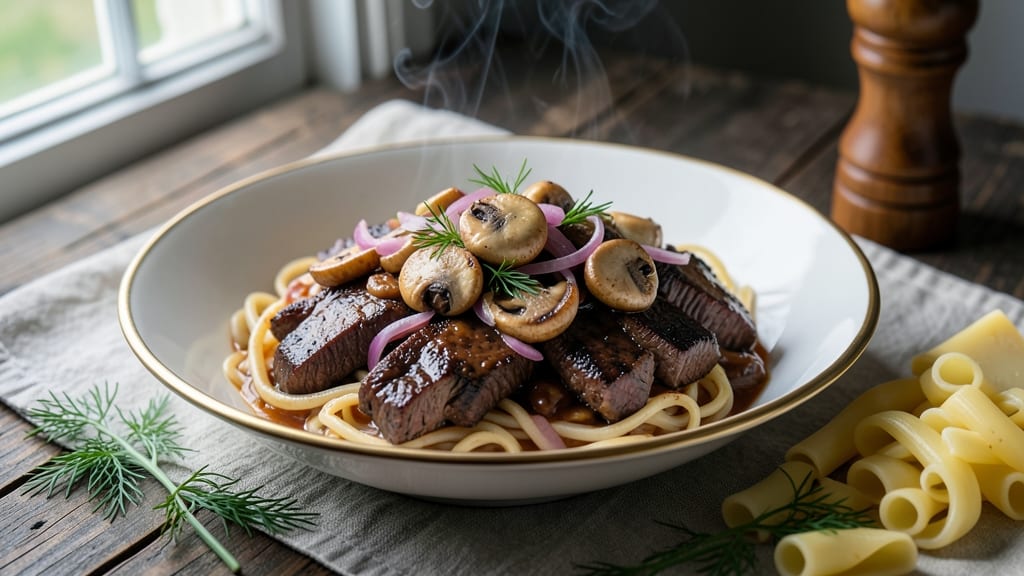
Ball canning beef stroganoff transforms a weeknight classic into a pantry staple that preserves rich, creamy flavors for months. This one-pot method simplifies the process while ensuring safety and longevity—perfect for meal preppers or emergency preparedness. The secret lies in balancing tender beef, velvety sauce, and proper canning techniques to lock in that restaurant-quality taste.
Unlike traditional recipes that require multiple steps, this version combines everything in a single pot before processing. You'll start with seared beef strips that develop deep flavor, then build a creamy mushroom sauce with a touch of sour cream for tang.
The one-pot approach minimizes cleanup while maximizing efficiency, making it ideal for busy cooks who still want gourmet results.
Once canned, this stroganoff keeps its texture and richness for up to a year, ready to reheat with minimal effort. Serve it over buttered noodles, crusty bread, or roasted potatoes for a hearty meal that feels indulgent yet practical.
The recipe also adapts easily—swap sour cream for coconut milk for a dairy-free version or add a splash of brandy for extra depth.
Safety is paramount, so we'll cover proper canning procedures, including pressure canning times and sealing techniques. With this method, you'll preserve not just ingredients, but the comfort of a home-cooked meal anytime you need it. Let's get started on creating your flavorful pantry staple.
Ingredients for ball canning beef stroganoff
Pantry staples meet pressure canning magic for stroganoff that lasts a year.
| Ingredient | Amount | Notes |
|---|---|---|
| Beef Chuck Roast 🥩 | 3 lb | Cut into 1/2-inch strips |
| Yellow Onions 🧅 | 2 whole | Medium, sliced into half-moons |
| Garlic Cloves 🧄 | 8 cloves | Minced, fresh preferred |
| Fresh Mushrooms 🍄 | 16 oz | Cremini or white, sliced |
| All-Purpose Flour 🌾 | ½ cup | For roux, unsifted |
| Unsalted Butter 🧈 | ½ cup | Cold, cut into pieces |
| Sour Cream 🥛 | 1 cup | Full-fat for creaminess |
| Beef Broth 💧 | 2 cups | Low-sodium preferred |
| Dry White Wine 🍷 | ½ cup | Substitute with extra broth |
| Tomato Paste 🍅 | 2 tbsp | Smooth, not chunky |
| Dijon Mustard 🍯 | 1 tbsp | For depth of flavor |
| Salt 🧂 | 2 tsp | Kosher or sea salt |
| Black Pepper 🌶️ | 1 tsp | Freshly ground |
| Bay Leaves 🌿 | 2 whole | For aromatic depth |
| Fresh Parsley 🌿 | ¼ cup | Chopped, for garnish |
The beef is non-negotiable—chuck roast delivers that melt-in-your-mouth texture after canning. Grab a 3-pound package from the butcher section (or pre-cut strips at Costco for convenience). Look for good marbling—that's what keeps the meat tender after processing. Fresh mushrooms make all the difference (cremini or white work best), but if you're canning a big batch, pre-sliced mushrooms in a jar from Trader Joe's save time. The flour and butter for the roux should be cold when you mix them—this prevents lumps and ensures a silky sauce. For the wine, any dry white works—Sauvignon Blanc or Pinot Grigio are safe bets.
No wine? Extra beef broth with a splash of apple cider vinegar mimics the acidity perfectly. The tomato paste can be swapped for 1/4 cup tomato sauce if you're in a pinch, but the paste gives that concentrated umami punch. Fresh herbs are ideal, but dried parsley at one-third the amount works if you're prepping ahead. The Dijon mustard adds complexity—don't skip it, but if you're avoiding gluten, mustard powder is a solid alternative. For canning safety, always use low-sodium broth to control salt levels in the final product. The bay leaves add subtle earthiness—remove them before eating, but leave them in during processing.
This stroganoff is designed for pressure canning—follow Ball Blue Book guidelines for pint jars (process 75 minutes at 10 pounds pressure). The sauce thickens beautifully when reheated, but if it seems too stiff after canning, stir in a splash of warm water or beef broth. Store sealed jars in a cool, dark pantry where they'll keep for up to a year. For serving, pair with egg noodles or crusty bread—reheating from cold takes about 5 minutes on medium-low heat, stirring occasionally. Freeze extras in glass jars with 1-inch headspace for up to 3 months if you won't use them all at once.
Why You'll Love This Recipe
- One-Pot Magic: I swear by this recipe because it’s actually hands-off after the initial sear. Brown the chuck roast in batches—yes, it’s worth the extra pan time—and then let the onions, garlic, and mushrooms caramelize while you stir in that flour slurry. The sauce thickens like a dream, and the beef practically melts in your mouth by the end.
- Deep Flavor Payoff: Between us, the secret’s in the slow cook—literally. That beef chuck roast breaks down into shreds so tender they fall apart at the touch, while the mushrooms soak up the creamy, slightly tangy sauce. It’s the kind of dish where every bite tastes like you spent hours simmering, even though you didn’t.
- Crowd-Pleaser for Any Night: This isn’t just a weeknight dinner; it’s the kind of thing that works for game days, lazy Sundays, or even a last-minute potluck. Serve it over noodles for the kids, with crusty bread for the adults, or straight from the jar with a dollop of sour cream. My college-aged nephew requests it every time he visits.
Step-by-step instructions for ball canning beef stroganoff
Here's how to create a rich, one-pot stroganoff that'll keep beautifully in jars for months.
Sear the Beef Chuck Roast
Cut the 3 lb beef chuck roast into ½-inch strips and pat them dry with paper towels. Heat a large Dutch oven over medium-high heat and add ½ cup unsalted butter cut into pieces. Once the butter foams, add the beef in batches, working in 3-4 minutes per batch to avoid crowding. You're looking for a deep golden brown crust—this builds flavor that'll shine even after canning.
Season each batch generously with 1 teaspoon salt and ½ teaspoon black pepper right as they hit the pan. Don't skip this step—the seasoning needs time to penetrate the beef. Once all beef is browned, remove it to a plate and set aside. This searing step is non-negotiable for developing that deep, savory foundation.
Build the Flavor Base
In the same Dutch oven, add the 2 whole yellow onions sliced into half-moons and cook for 5 minutes until softened and starting to caramelize. Add the 8 cloves minced garlic and cook for 30 seconds until fragrant—don't let it burn. This quick sauté unlocks the onions' natural sweetness while the garlic adds aromatic depth.
Stir in the 16 oz sliced fresh mushrooms and cook for 4-5 minutes until they release their moisture and begin to brown. Here's where it gets good—add the 2 tbsp tomato paste and 1 tbsp Dijon mustard, stirring to coat everything evenly. The tomato paste adds umami while the Dijon mustard brings a subtle tang that balances the richness. Let this cook for 2 minutes to meld the flavors.
Create the Roux and Deglaze
Lower the heat to medium and sprinkle in the ½ cup all-purpose flour, stirring constantly for 1-2 minutes until it forms a smooth, thick roux. This will be your sauce's backbone—don't rush this step or you'll get a grainy texture. The roux should be golden brown but not dark brown.
Pour in the ½ cup dry white wine (or substitute with extra beef broth) and scrape up all those delicious browned bits from the bottom of the pot. Let it simmer for 3 minutes until the alcohol cooks off and the wine reduces by half. This deglazing captures all the meaty flavors that would otherwise stick to your pot.
Simmer the Stroganoff
Return the beef to the pot along with any accumulated juices. Add the 2 cups beef broth, 2 whole bay leaves, and bring everything to a gentle boil. Once boiling, reduce heat to low and let it simmer uncovered for 1 hour, stirring occasionally. You want the beef to be fork-tender—it should pull apart easily but still have some bite.
After the hour, stir in the 1 cup sour cream and 1 teaspoon black pepper. Let it simmer an additional 10 minutes—this is crucial for pasteurizing the mixture for safe canning. The sauce should coat the back of a spoon and have a velvety consistency. Taste and adjust seasoning if needed, remembering that flavors will mellow during processing.
Prepare for Canning
Ladle the hot stroganoff into pint-sized canning jars, leaving 1-inch headspace at the top. Remove the bay leaves before filling. Run a clean knife or spatula around the inside of the jars to release any air bubbles. Wipe the rims clean with a damp paper towel—this ensures good seals.
Place the lids on the jars and screw on the bands until fingertip-tight. Process the jars in a boiling water bath for 90 minutes for pints. This extended processing time ensures the low-acid stroganoff is safe for long-term storage. Once done, remove the jars and let them cool completely on a towel-lined countertop—you'll hear the satisfying "ping" as they seal.
Pro Tips For Making Ball Canning Beef Stroganoff
- SEAR THE BEEF IN BATCHES: Chuck roast loves a good crust, but one pan of sliced beef will steam instead of brown. Work in two batches—don’t crowd the pan—so the meat hits the hot oil and develops that deep, savory flavor before you even add the onions. I learned this the hard way when my first batch came out pale and bland.
- SLICE THE ONIONS THIN: Skip the big chunks—this isn’t French onion soup. Cut those yellow onions paper-thin so they soften fast and blend into the sauce without turning mushy. A sharp knife and a steady hand make this easier, and trust me, your stroganoff will taste like it simmered all day, not 30 minutes.
- DON’T SKIP THE DEGLAZE: That browned beef and onion bits stuck to the pan? That’s flavor gold. After removing the meat, pour in a splash of broth or water and scrape like you’re mad—every bit counts. Ignore this, and your sauce will taste like it’s missing something. (Yes, even if you’re impatient like me.)
- USE A THICKENER NOW, NOT LATER: Toss that flour into the mushrooms and onions before they cook—it’ll toast lightly and create a smoother sauce later. Adding it all at once at the end? You’ll end up with lumps. This isn’t rocket science, but it makes a real difference in how the sauce feels on your tongue. (And yes, it works for ball canning too—just adjust liquid ratios.)
Perfect pairings for ball canning beef stroganoff
Classic Side Dishes
Serve your ball-canned beef stroganoff over egg noodles or wide egg noodles—they soak up the creamy sauce beautifully. For a heartier option, try garlic mashed potatoes with a splash of sour cream, or roasted baby potatoes tossed in olive oil and rosemary.
I love pairing it with crusty sourdough bread for scooping up every last bite of that rich sauce. 🥖
Fresh Vegetable Accompaniments
Brighten the plate with steamed asparagus or green beans—both add a crisp, fresh contrast to the creamy stroganoff. For a more substantial side, roasted Brussels sprouts with balsamic glaze bring a tangy sweetness.
I often serve sautéed spinach with garlic and lemon zest to cut through the richness of the dish.
Beverage Pairings
For a classic pairing, a dry Riesling or Chardonnay complements the creamy sauce and tender beef beautifully. If you prefer beer, a light lager like Heineken or a wheat beer keeps the meal refreshing without overpowering the flavors.
For a non-alcoholic option, sparkling apple cider adds a crisp, fruity contrast. 🍷
Dairy-Free Adaptations
If you're serving a dairy-free version, swap the sour cream for coconut milk or cashew cream—both add creaminess without dairy. Pair with quinoa or wild rice for a protein-rich side that holds up to the stroganoff's richness. A green salad with lemon vinaigrette keeps the meal light and balanced.
Make-Ahead Serving Tips
Reheat your canned stroganoff gently on the stovetop over medium-low heat, stirring occasionally, until warmed through—about 5-7 minutes. For extra flavor, stir in a splash of beef broth or warm water if the sauce seems thick after canning.
Garnish with chopped fresh parsley and a sprinkle of black pepper right before serving to keep everything fresh. 💫
Nutrition facts
Frequently asked questions
Can I use ground beef instead of beef chuck roast for canning?
While ground beef works for fresh stroganoff, it's not ideal for canning. The texture becomes too mushy after processing, and it lacks the satisfying bite of properly seared chuck strips. For canning, stick with chuck roast cut into strips—it stays tender yet holds its shape beautifully after pressure cooking. If you're short on time, ask your butcher to pre-cut it for you!
How do I know if my canned stroganoff is properly sealed?
Check for a concave lid that doesn't flex when pressed. If the lid pops back up, it's sealed! Also listen for the satisfying "ping" sound as jars cool. For extra verification, run a clean nail under the lid edge—if it's sealed, it won't slide easily. Unsealed jars should be refrigerated and used within 3-4 days.
Can I freeze the stroganoff before canning?
No, freezing before canning isn't recommended. The texture changes dramatically after freezing and reheating, making it unsuitable for proper canning. Instead, prepare the recipe fresh, then can immediately. If you need to store leftovers, freeze them in glass jars with 1-inch headspace for up to 3 months—just don't can them from frozen.
What if my sauce gets too thick during canning?
This happens sometimes! If the sauce seems too stiff after canning, simply stir in 1-2 tablespoons of warm water or beef broth when reheating. The sauce will loosen up beautifully. For prevention, don't over-reduce the sauce before canning—aim for a consistency that coats the back of a spoon but isn't glue-like. The sauce will thicken slightly during processing.
How long does canned stroganoff keep?
Properly canned stroganoff stays safe and flavorful for up to 1 year when stored in a cool, dark pantry. After opening, refrigerate and use within 5-7 days. For longer storage, freeze in the original jar (leave headspace) for up to 3 months. Always check for proper seals before storing—never eat from jars that didn't seal correctly.