
Main Courses
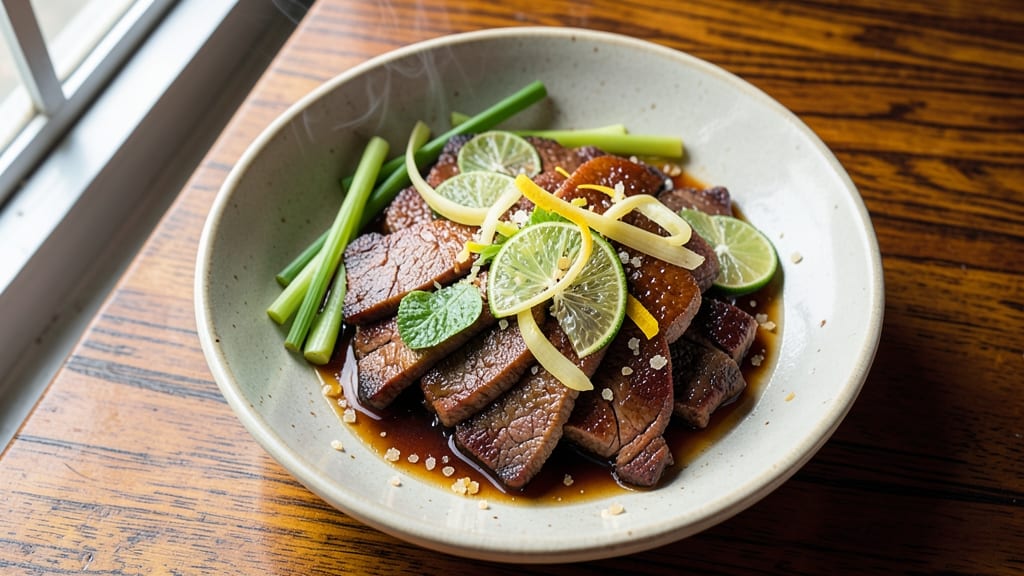
This authentic Thai beef jerky recipe brings the bold, aromatic flavors of street markets straight to your kitchen—where smoky lime zest and fragrant lemongrass transform tough beef into tender, finger-licking strips. The secret lies in a marinade that balances sweet, sour, and umami, using traditional Thai ingredients like galangal and kaffir lime leaf, which create the signature depth you won’t find in store-bought versions. With precise curing and drying techniques, you’ll achieve jerky that’s perfectly tender yet shelf-stable for weeks.
What sets this recipe apart is the attention to authenticity—no shortcuts, just the layered flavors of Thailand’s street food culture. The marinade infuses the beef overnight, while a blend of fish sauce, palm sugar, and chili flakes creates that signature tangy-sweet profile.
The drying process, whether in a dehydrator or air-drying, ensures a texture that’s chewy yet firm, with a subtle smokiness that lingers on the palate. This isn’t just jerky; it’s a taste of Thailand in every bite.
The result is a batch of jerky that’s rich in flavor, with a perfect balance of heat, acidity, and sweetness—ideal for snacking, travel, or gifting. The process is straightforward but requires patience, as the marinating and drying phases are where the magic happens.
Whether you’re a fan of traditional Thai cuisine or simply love bold, well-seasoned meats, this recipe delivers restaurant-quality results at home. Let’s get started on your journey to authentic Thai flavors.
For those new to Thai cooking, don’t be intimidated by the ingredients—galangal and kaffir lime leaf can often be found in Asian grocery stores, and the marinade is forgiving. The key is letting the flavors meld fully, so take your time with each step.
Once you’ve mastered this technique, you’ll never settle for anything less than homemade again. Ready to transform simple beef into something extraordinary?
Ingredients for authentic thai beef jerky
Four pounds of beef and 14 aromatic ingredients transform into restaurant-quality Thai jerky.
| Ingredient | Amount | Notes |
|---|---|---|
| Thinly Sliced Beef Top Round 🥩 | 2 lb | Cut against grain, 1/4-inch thick |
| Fish Sauce 🍜 | ½ cup | Red Boat preferred |
| Palm Sugar 🍯 | ½ cup | Or brown sugar substitute |
| Fresh Lemongrass 🌿 | 1 whole | Bruised stems only, chopped |
| Galangal 🍃 | 1 piece | 3-inch, peeled, sliced thin |
| Kaffir Lime Leaves 🍋 | 4 whole | Bruised, stems removed |
| Fresh Lime Zest 🍋 | 1 tbsp | From 2 limes, finely grated |
| Fresh Lime Juice 🍋 | ¼ cup | From 2 limes, freshly squeezed |
| Bird's Eye Chili 🌶️ | 1 tbsp | Finely chopped, adjust for heat |
| Garlic Cloves 🧄 | 6 cloves | Minced, fresh preferred |
| Salt 🧂 | 1 ½ tsp | Kosher or sea salt |
| Black Peppercorns 🌶️ | 1 tsp | Freshly cracked |
| Coconut Aminos 🥛 | ¼ cup | Or soy sauce substitute |
| Smoked Sea Salt 🧂 | 1 tbsp | For final seasoning |
The beef is non-negotiable—top round is lean enough to cure properly but tender when sliced thin. Asian grocery stores usually carry it pre-sliced, but if you're cutting yourself, slice against the grain for that perfect chewy texture. For the fish sauce, Red Boat is the gold standard, but any reputable brand works. Palm sugar gives that authentic caramelized depth—Trader Joe's sells it, or use brown sugar in a pinch. Galangal and kaffir lime leaves are the soul of this recipe; if you can't find them, Asian markets are your best bet. Look for fresh, fragrant stalks—they should smell citrusy and bright.
No galangal? Ginger at half the amount works in a bind, but it won’t be the same. Short on coconut aminos? Soy sauce plus a splash of vinegar mimics the umami. The lemongrass and galangal should be bruised (lightly crushed) to release their oils—wrap in a towel and pound with a rolling pin. For the chili, bird's eye is ideal, but Thai bird chili flakes or cayenne will work. The marinade needs time—let it sit for at least 8 hours, but overnight is best. If you're short on time, double the marinade and marinate for just 4 hours, but the flavor won’t be as deep.
Marinated beef keeps 3 days in the fridge, covered. For drying, a dehydrator at 160°F works best, but you can air-dry in a cool, dry place for 3-5 days. Once fully dried, store in an airtight container for up to 2 weeks. For longer storage, vacuum-seal and freeze for 3 months. The jerky will firm up as it dries—don’t rush it. Patience here is key for that perfect chewy texture and bold flavor. Portion into snack-sized bags for easy grab-and-go eating.
Why You'll Love This Recipe
- No Knife Skills Needed: I’ll admit, slicing beef paper-thin takes practice—but even if you’re not a pro, a sharp knife and steady hands (or the butcher’s help) get you there fast. The real magic? Marinate overnight, then dehydrate or air-fry for 3-4 hours. That’s it. No flipping, no fussing.
- Umami Bomb Combo: Fish sauce and palm sugar might sound simple, but together they’re chef’s kiss—salty-sweet with this deep, funky richness. Add fresh lemongrass and galangal (think ginger’s spicier cousin), and you’ve got a flavor that sticks with you. Honestly, the first bite makes me forget store-bought jerky exists.
- Snack Attack Anywhere: This jerky is my go-to for hiking, lunchboxes, or when I’m too tired to cook. It’s also the star of my “no-cook” Thai salads or ramen toppings. (Yes, even on a Tuesday night.) Plus, it keeps for weeks in the fridge—perfect for when I’m too lazy to meal prep.
- Budget Stretch Wonder: A pound of beef top round runs $5, and the marinade costs pennies. That’s way cheaper than pre-packaged jerky, and I get to control the heat and sweetness. Between us, I’ve fed a crowd for under $15 with this—just double the batch and thank me later.
Step-by-step instructions for authentic Thai beef jerky
Here's how to make restaurant-quality Thai beef jerky with bold flavors and perfect texture.
Prepare the Marinade with Fresh Aromatics
In a medium bowl, combine the 0.5 cup fish sauce, 0.5 cup palm sugar, 0.25 cup coconut aminos, and 1.5 teaspoons salt. Stir until the sugar dissolves completely, creating a smooth marinade base.
Add the 6 cloves minced garlic, 1 tablespoon finely chopped bird's eye chili, 1 tablespoon fresh lime zest, and 0.25 cup fresh lime juice. Mix well to distribute all the flavors evenly. This combination creates the signature tangy, umami-rich profile that defines authentic Thai jerky.
In a separate small bowl, gently bruise the 4 whole kaffir lime leaves and 1 piece galangal (peeled and sliced thin) with the side of a knife. Add these to the marinade along with the 1 whole chopped lemongrass (using only the bruised stems). The bruising releases their essential oils, intensifying the aromatic qualities that make this jerky truly authentic.
Marinate the Beef Thoroughly
Place the 2 pounds thinly sliced beef top round in a large resealable plastic bag. Pour the prepared marinade over the beef, ensuring every slice is completely coated. Seal the bag tightly, removing as much air as possible.
Massage the bag gently to distribute the marinade evenly, working it into the fibers of the meat. This step is crucial for flavor penetration and texture. Place the bag in the refrigerator and marinate for at least 12 hours, but I recommend 24 hours for maximum flavor development. The longer it marinates, the more tender and flavorful the jerky will be.
After marinating, remove the beef from the bag and pat it dry with paper towels. This drying step is essential for creating that perfect chewy texture when we dehydrate the jerky later. The beef should feel slightly tacky to the touch but not wet.
Dehydrate the Jerky for Perfect Texture
Preheat your dehydrator to 160°F. Arrange the marinated beef slices in a single layer on the dehydrator trays, leaving about ½ inch of space between each piece. This spacing allows proper air circulation, which is key to even drying.
Place the trays in the dehydrator and process for 6-8 hours, checking periodically. The jerky is ready when it's no longer sticky to the touch and has a slightly leathery texture. You'll notice the edges will start to curl slightly—that's your signal it's nearly done. For best results, aim for a final internal temperature of 145°F.
If you don't have a dehydrator, you can use your oven on its lowest setting with the door slightly ajar. This method takes longer but works in a pinch. The jerky should be completely dry with no moisture remaining when you're done.
Finish with Smoked Sea Salt
Once the jerky has completely dehydrated, remove it from the dehydrator and let it cool to room temperature. This cooling step is important as it helps set the texture and prevents the jerky from becoming too brittle.
Sprinkle the 1 tablespoon smoked sea salt evenly over all the jerky pieces. Gently toss them to ensure each slice gets an even coating. The smoked salt adds a subtle depth of flavor that complements the bright, citrusy marinade. Let the jerky rest for 10 minutes before storing to allow the salt to adhere fully.
Transfer the finished jerky to an airtight container and store in the refrigerator for up to 2 weeks or freeze for up to 3 months. The flavors will continue to develop and meld over time, making each bite more complex and delicious.
Pro Tips For Making Authentic Thai Beef Jerky
- Slice Against the Grain: The thin cuts here are non-negotiable, but I learned the hard way—slicing with the grain makes the jerky chewy. Cut perpendicular to the muscle fibers instead, and you’ll get that tender, paper-thin texture Thai versions nail.
- Blanch the Galangal: Fresh galangal’s sharp bite fades fast. After grating, drop it into boiling water for 30 seconds to soften, then drain. This keeps the flavor bright without bitterness creeping in later—trust me, your jerky will thank you.
- Marinate Overnight, Not Hours: I used to rush the marinade, thinking more time = better flavor. Wrong. Let the beef soak in the fish sauce, sugar, and lemongrass at least 12 hours—preferably 24. The acid and salt break down the meat just enough for that signature melt-in-your-mouth quality.
- Use a Dehydrator, Not the Oven: Ovens run hot, and they dry jerky unevenly, leaving some slices rubbery. A dehydrator at 160°F (71°C) circulates air perfectly—no flipping required. If you’re oven-bound, prop the door open 2 inches with a wooden spoon and check every 45 minutes.
Flavor customization for this recipe
Spicy Heat Level
Adjust the heat by controlling the bird's eye chili amount—start with 1 tablespoon for medium heat, then reduce to ½ tablespoon for mild or increase to 2 tablespoons for fiery results. I like adding 1-2 slices of fresh Thai chili (seeds removed) for a smoky kick without overwhelming the marinade.
For extra heat lovers, sprinkle ½ teaspoon of chili flakes directly on the dehydrated jerky before storing. 🌶️
Sweet-Savory Balance
Swap palm sugar for honey or maple syrup to intensify sweetness, especially if using a mild chili blend. For a deeper caramelized flavor, add 1 teaspoon of soy sauce to the marinade.
If you prefer a less sweet profile, reduce palm sugar to ¼ cup and add 1 teaspoon of fish sauce for extra umami. I’ve found that brown sugar works well in a pinch, though it lacks the authentic depth of palm sugar.
Citrus Variations
Boost the tang with 1 tablespoon of rice vinegar or 1 teaspoon of lime juice if your limes are weak. For a tropical twist, add ½ teaspoon of grated orange zest and 1 tablespoon of orange juice to the marinade.
If you love herbal notes, muddle 2 fresh basil leaves or 3 mint leaves into the marinade for a refreshing contrast. The key is balancing acidity—too much vinegar can overpower the delicate flavors.
Herbal Infusions
Incorporate 1 tablespoon of chopped cilantro or 1 teaspoon of ground coriander for a brighter finish. For a smoky depth, add ½ teaspoon of smoked paprika to the marinade.
My favorite fusion is 1 teaspoon of lemongrass powder (if fresh isn’t available) combined with ½ teaspoon of turmeric for a golden hue and earthy warmth. These herbs elevate the marinade without altering the core Thai profile.
Texture Adjustments
For extra chewiness, slice the beef ⅛-inch thick instead of ¼-inch and dehydrate for 10-12 hours at 150°F. If your jerky turns too dry, reduce the dehydrator temperature to 140°F and check after 5 hours.
For a softer texture, marinate the beef in ¼ cup of coconut milk for the last 2 hours before dehydrating. This trick adds moisture without diluting the flavors significantly.
Nutrition facts
Frequently asked questions
Can I use chicken or turkey instead of beef for this recipe?
While you can technically make jerky with chicken or turkey, it won't be as authentic. Beef's lean texture and fat content create the perfect balance for Thai jerky's bold flavors. If you must try poultry, use boneless, skinless turkey breast sliced ⅛-inch thick and reduce marinating time to 6-8 hours—it dries faster and can become overly dry.
What if I can't find galangal or kaffir lime leaves?
Don't worry—you can still make delicious jerky! Use ginger (½ the amount) for galangal and lime zest + ½ teaspoon of ground coriander for kaffir lime leaves. While not identical, these substitutes will keep the bright, citrusy profile. For extra depth, add 1 teaspoon of lemongrass powder if available.
How do I know when the jerky is fully dried?
The jerky is ready when it's no longer sticky to the touch and has a leathery texture. The edges should curl slightly, and it should snap cleanly when bent. For extra certainty, check the internal temperature—it should reach 145°F. If it feels damp or smells slightly sour, dehydrate for 1-2 more hours.
Can I make this jerky without a dehydrator?
Use your oven on low heat (170°F or lower) with the door slightly ajar for airflow. Arrange the beef on a wire rack over a baking sheet and dry for 4-6 hours, flipping halfway. For a smokier flavor, place a metal bowl of water near the oven to create steam. Air-drying in a cool, dry place (like a sunny windowsill) takes 3-5 days.
Why does my jerky smell sour after drying?
This usually means the beef wasn't fully dried or was exposed to moisture during storage. To prevent it, ensure the jerky reaches 145°F internally and store in an airtight container with a silica gel packet to absorb humidity. If it's already spoiled, discard it—sour-smelling jerky can indicate bacterial growth.