
Main Courses
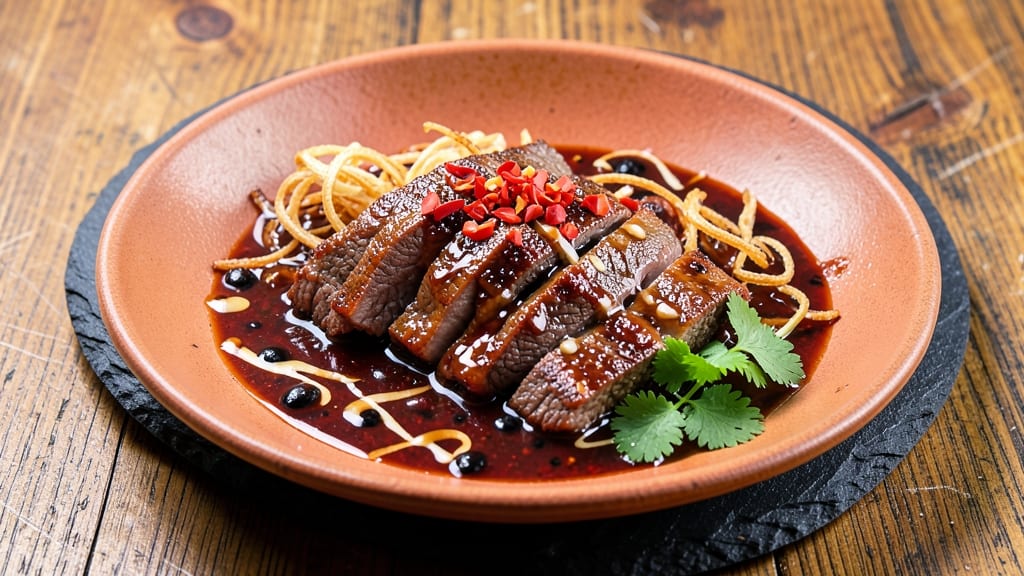
This authentic spicy Mongolian beef recipe delivers the bold, smoky-sweet heat that made it a Mongolian street food legend. The secret lies in balancing fermented black beans, chili bean sauce, and soy sauce for that signature umami depth with a fiery kick—just like the version I first tasted in Ulaanbaatar's bustling markets. What sets this apart is the two-stage cooking method: first searing the beef for deep caramelization, then finishing with a quick wok toss to lock in tenderness and flavor.
The recipe stays true to tradition while adapting for home kitchens, using readily available ingredients like chili crisp and garlic to build the sauce's complexity. I've adjusted the spice level to be approachable but still deliver that signature Mongolian heat—think chili oil heat balanced by sweet soy and vinegar brightness.
The result is beef that's perfectly tender with a slightly crisp exterior, swimming in a glossy sauce that clings to every bite.
What you'll achieve is a dish that's restaurant-quality without requiring specialized equipment—just a wok or large skillet and about 30 minutes of active cooking time.
The aroma alone will transform your kitchen into a Mongolian eatery, while the flavor profile delivers that perfect balance of heat, sweetness, and umami that makes this dish so addictive. Serve it over steamed rice to soak up every last drop of that glorious sauce.
This recipe works equally well as a weeknight dinner or impressive takeout-style meal for guests. The sauce keeps beautifully in the fridge for up to 5 days, making it perfect for meal prep or when you want to recreate that street food experience at home.
Let's get cooking—your taste buds are about to go on an adventure.
Ingredients for authentic spicy mongolian beef
Bold flavors and two-stage cooking transform simple ingredients into restaurant-quality Mongolian street food.
| Ingredient | Amount | Notes |
|---|---|---|
| Flank Steak 🥩 | 1 ½ lb | Thinly sliced against grain |
| Fermented Black Beans 🌿 | ½ cup | Rinsed to reduce saltiness |
| Chili Bean Sauce 🌶️ | ¼ cup | For authentic heat |
| Light Soy Sauce 🥄 | ⅓ cup | Kikkoman preferred |
| Dark Soy Sauce 🥄 | ¼ cup | For color depth |
| Rice Vinegar 🍶 | 0.17 cup | White or seasoned |
| Garlic Cloves 🧄 | 6 cloves | Minced for aromatic base |
| Fresh Ginger 🌿 | 1 tbsp | Grated, for zesty kick |
| Chili Crisp 🔥 | ¼ cup | For smoky heat |
| Sesame Oil 🫒 | 1 tbsp | Toasted for aroma |
| Cornstarch 🌾 | 1 tbsp | For sauce thickening |
| Neutral Oil 🫒 | 2 tbsp | Vegetable or canola |
| Green Onions 🧅 | ¼ cup | Sliced for garnish |
| Sesame Seeds 🌱 | 1 tbsp | Toasted for crunch |
| Salt 🧂 | 1 tsp | Adjust to taste |
| Black Pepper 🌶️ | ½ tsp | Freshly cracked |
The beef is everything here—flank steak delivers that signature tender yet slightly chewy texture. Look for a cut with good marbling at Whole Foods or your local Asian market—it should feel firm but not rock-hard. Slice it thinly against the grain (about 1/4-inch thick) for perfect bite-sized pieces. If you can't find fermented black beans, substitute black soybeans (rinse them well to cut the salt). The chili bean sauce is non-negotiable for that authentic heat—La Choy or Lee Kum Kee are the gold standards, but any brand with visible chunks works. Pro tip: Toast your sesame seeds in a dry pan for 30 seconds before adding them to the sauce—they'll taste 10x better.
No chili crisp? Mix 1 tbsp chili oil with 1 tsp sriracha for a quick substitute. Running short on rice vinegar? Apple cider vinegar works in a pinch, but it'll taste slightly sharper. The cornstarch is crucial for that glossy, clingy sauce—don't skip it. For extra umami depth, add 1 tsp mushroom powder (like Better Than Bouillon) to the sauce. And if you're feeling adventurous, swap half the soy sauce for hoisin sauce—it adds a sweet, sticky richness that's pure Mongolian comfort food magic. The garlic and ginger should be freshly minced (not pre-minced jars)—they make all the difference in flavor.
This sauce is a flavor bomb that keeps beautifully. Store leftovers in an airtight container in the fridge for up to 5 days, or freeze for 3 months—it actually tastes better the next day as the flavors meld. I like to double the sauce recipe and freeze half, so I always have that restaurant-quality takeout flavor on hand. To reheat, warm gently in a pan with a splash of water—never microwave, or you'll kill that gorgeous glossy texture. And if you're serving it to guests who love heat, keep a small bowl of chili oil on the side for drizzling—trust me, they'll thank you.
Why You'll Love This Recipe
- Five-Ingredient Magic: The pantry staples here—fermented black beans, chili bean sauce, and those two soy sauces—do all the heavy lifting. Honestly, I’ve made this with just a knife, a wok, and 15 minutes of standing around smelling the garlic sizzle.
- Umami Bomb: That combo of dark soy for depth and light soy for brightness? It’s like a flavor explosion in your mouth. The fermented black beans add this funky, salty crunch that makes every bite ridiculously satisfying.
- Leftover Legend: This stuff actually gets better the next day—yes, even on day three. I freeze half the batch for lazy nights, and it reheats like it’s fresh. (Between us, my kids beg for it more than the "fresh" stuff.)
- Weeknight Workhorse: Feed a crowd? Done. Meal prep for yourself? Also done. It’s the same dish whether you’re serving it over rice for a family dinner or tossing it into lettuce wraps for a quick lunch. The flank steak stays tender, no matter how you serve it.
Step-by-step instructions for spicy Mongolian beef
Here's how to deliver restaurant-quality heat and umami in every bite.
Prep the Flank Steak for Maximum Tender Crisp
Begin by slicing the 1.5 lb flank steak thinly against the grain into ¼-inch strips. This is critical—thin slices cook quickly and stay tender despite the high-heat wok method. Pat the slices dry with paper towels to remove excess moisture, which helps achieve that signature crispy sear later.
In a small bowl, combine the 1.5 lb flank steak strips, 1 tsp salt, and 0.5 tsp black pepper. Toss gently to coat evenly. Let the seasoned meat rest for 10 minutes at room temperature before cooking. This ensures even cooking and prevents uneven searing where the cold meat hits the hot wok.
Build the Umami-Packed Sauce Base
In a medium bowl, whisk together the 0.33 cup light soy sauce, 0.25 cup dark soy sauce, 0.17 cup rice vinegar, 0.25 cup chili bean sauce, and 0.25 cup chili crisp. The dark soy sauce will give your dish that signature dark, glossy color while deepening the umami flavor. Set this mixture aside—it's the backbone of your sauce.
In a separate small bowl, combine the 6 cloves minced garlic, 1 tbsp grated fresh ginger, and the 1 tbsp sesame oil. This aromatic blend will infuse the sauce with bright, zesty notes that cut through the richness. Keep this mixture separate until you're ready to incorporate it into the sauce—adding it too early can make the garlic bitter.
Wok-Sear the Beef in Stages
Heat a 14-inch wok or large skillet over high heat until it's smoking hot. Add 2 tbsp neutral oil and swirl to coat the bottom evenly. Working in batches (don't overcrowd the pan), add the seasoned steak strips in a single layer. Let them sear undisturbed for 30-45 seconds until they develop a deep golden-brown crust on one side.
Once the first side is crispy, stir the beef and continue cooking for another 1-2 minutes until it's 80% cooked through. Remove the beef to a plate and set aside. Repeat with the remaining batches, adding a bit more oil if needed to maintain high heat. High heat is key here—it prevents the beef from steaming and ensures that perfect wok-seared texture.
Combine and Thicken the Sauce
Return the wok to high heat and add the 0.5 cup fermented black beans. Stir-fry for 1 minute until they're lightly toasted and fragrant. Pour in the soy sauce mixture and bring to a boil. Immediately reduce heat to medium-high and add the garlic-ginger-sesame oil mixture, stirring constantly for 1 minute to infuse the flavors.
Sprinkle the 1 tbsp cornstarch over the sauce and stir vigorously for 30-60 seconds until it thickens to a glossy, coatable consistency. The sauce should cling to the back of a spoon and coat the beef evenly when combined. If it thickens too quickly, add 1-2 tablespoons of hot water to adjust the consistency.
Finish and Serve with Authentic Garnishes
Return the seared beef to the wok and toss everything together for 1-2 minutes until the beef is fully coated in the sauce and heated through. The beef should be tender but still retain a slight bite. Taste and adjust seasoning—add a splash more light soy sauce if it needs more saltiness or a bit of rice vinegar for brightness.
Transfer the Mongolian beef to serving plates and garnish with 0.25 cup sliced green onions and 1 tbsp toasted sesame seeds. The green onions add a fresh, crisp contrast to the rich, spicy sauce, while the sesame seeds contribute nutty crunch. Serve immediately over steamed rice to soak up every last bit of that umami-packed sauce.
Pro Tips For Making Authentic Spicy Mongolian Beef
- Slice Against the Grain: Flank steak’s tough fibers run in one direction—cut them perpendicular to that grain for tender bites. I used to ignore this and ended up with chewy strips; now I slice at a 45-degree angle before cooking, then finish with a quick chop after searing.
- Bloom the Aromatics First: Toast the fermented black beans and chili bean sauce in oil for 30 seconds before adding the steak. This step unlocks their deep umami flavor—skipping it means your sauce will taste flat, no matter how much soy you add.
- Don’t Crowd the Pan: Cook the steak in a single layer over high heat until deeply browned, then move it aside. Adding everything at once steams the meat instead of searing it, and you’ll end up with soggy strips instead of caramelized crust.
- Use Dark Soy for Color: Swap half the light soy sauce for dark soy at the end—the extra molasses caramelizes instantly when hit with a splash of water, giving that glossy, restaurant-worthy finish. It’s the one ingredient that makes the dish look (and taste) pro-level.
Pro cooking tips for perfect results
High-Heat Wok Mastery
Your wok needs to be smoking hot before adding oil—this is non-negotiable for that signature wok-seared texture. I use a 14-inch carbon steel wok (like De Buyer) because it retains heat better than stainless steel.
Once the oil is shimmering and small droplets sizzle when flicked with your fingers, you're ready. If you don't have a wok, a heavy-bottomed cast-iron skillet works in a pinch, but it won't give you that same high-heat performance. 🔥
Batch Cooking Secret
Cook the beef in two batches maximum—overcrowding the pan will steam the meat instead of searing it. I find that 12-15 strips per batch gives me perfect searing without losing heat. Keep the cooked beef warm in a clean bowl while you finish the second batch.
Pro tip: Use a meat thermometer to check doneness—beef should reach 145°F internal temperature before combining with the sauce.
Sauce Thickening Hack
The cornstarch slurry is your best friend here, but timing is everything. Once you sprinkle the 1 tbsp cornstarch over the boiling sauce, stir continuously for 30-60 seconds until it reaches a glossy, coatable consistency.
If it thickens too quickly, add 1 tbsp hot water to loosen it. I like to test the sauce by dipping a spoon in—it should coat the back smoothly without being gluey. 💡
Garlic Timing Matters
Adding the garlic-ginger-sesame oil mixture too early will make it bitter, but adding it too late means it won't infuse properly. The key is to add it right after the sauce comes to a boil and stir constantly for 1 full minute.
Freshly minced garlic (not pre-minced) releases its oils more effectively, so take the 5 extra minutes to chop it yourself—it makes all the difference in flavor depth.
Fermented Black Beans
Don't skip toasting the 0.5 cup fermented black beans—they need that 1-minute stir-fry to release their nutty, funky flavors. If you're using black soybeans instead, rinse them thoroughly first to reduce saltiness.
I like to crush about 10% of the beans with the back of a spoon before adding them to the wok—this helps them break down and thicken the sauce naturally. 🌿
Final Toss Technique
When combining the beef with the sauce, work quickly but gently—you want to coat the beef evenly without shredding it. Toss for 1-2 minutes total over medium-high heat, just until the sauce clings to every piece.
The beef should be 85% cooked through before this final toss, so it doesn't overcook in the sauce. Serve immediately while the sauce is still glossy and clingy—it loses its magic if left sitting.
Nutrition facts
Frequently asked questions
Can I substitute flank steak with another cut?
Yes! Skirt steak or sirloin work perfectly—they're lean and slice thinly. Avoid tougher cuts like chuck roast, as they won't tenderize properly in the quick stir-fry. For extra tenderness, marinate the beef for 30 minutes in 1 tbsp soy sauce + 1 tbsp rice vinegar before cooking.
How do I adjust the spice level?
The recipe balances heat with sweet umami, but you can tweak it: Reduce chili bean sauce by 1 tbsp for milder heat, or add 1 extra tbsp chili crisp for more fire. For a smoky kick, stir in ½ tsp smoked paprika with the sauce. Always taste before serving—Mongolian flavors shine when the heat is balanced with brightness from vinegar.
What if I don't have a wok?
Use a 12-inch cast-iron skillet or heavy stainless steel pan—just make sure it's preheated to high heat until smoking. Carbon steel woks distribute heat best, but any pan that retains heat will work. The key is maintaining that smoking-hot surface for proper searing. If your pan isn't hot enough, the beef will steam instead of crisp.
Can I make this dish ahead of time?
The sauce actually tastes better the next day! Cook the beef and sauce as directed, then refrigerate in an airtight container for up to 3 days. Reheat gently in a pan with a splash of water—never microwave, or the sauce will turn gluey. For best texture, serve over freshly steamed rice. The flavors meld beautifully overnight, making it perfect for meal prep.
What's the secret to crispy beef without drying it out?
Pat the beef strips very dry before cooking, and sear in small batches over maximum heat. The high heat creates a crust while the quick cooking time keeps the inside tender. If your beef turns tough, it was likely overcooked—remove it from the pan when it's 80% done and finishes cooking in the sauce.