
Main Courses
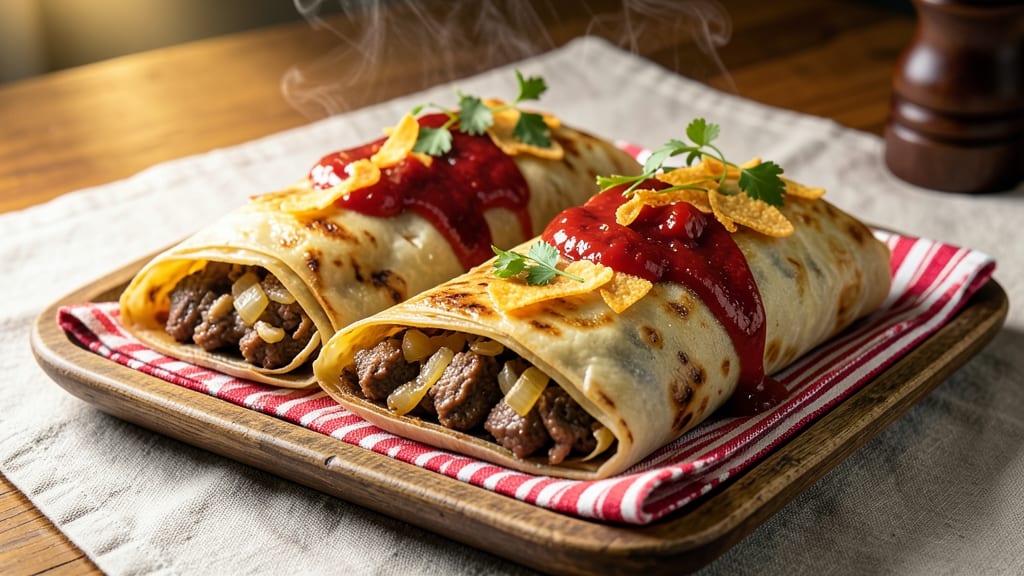
This authentic Mexican beef tamales recipe from scratch brings the soul of Mexican tradition to your kitchen, with handmade corn dough and rich, spiced filling wrapped in banana leaves. This recipe delivers the real deal—no shortcuts, just the time-honored method your abuela would recognize. The key lies in the masa (corn dough), made from scratch with lard for that signature tender texture, and a beef filling packed with cumin, garlic, and chiles that simmers until deeply flavorful.
What sets these tamales apart is the attention to detail: properly grinding the masa harina, kneading the dough just right, and folding the filling into perfect triangles. The steaming process transforms everything into tender, flavorful bites that melt in your mouth.
Every step matters—from rendering the lard to folding the masa—because authenticity comes from respecting the tradition.
By the time you're done, you'll have a batch of tamales that smell like home and taste like celebration. The masa will be soft yet sturdy, the beef filling rich with layers of spice, and the banana leaves will add a subtle earthy aroma.
Serve them with salsa verde and crema for the full experience—this is comfort food at its finest, made with care and tradition.
Perfect for holidays, family gatherings, or when you want to share Mexican heritage through food. Let's get started on this labor of love—your taste buds will thank you.
Ingredients for authentic mexican beef tamales recipe from scratch
Twelve traditional ingredients, one labor of love—these tamales taste like home.
| Ingredient | Amount | Notes |
|---|---|---|
| Masa Harina 🌽 | 4 cups | Maseca or Bob's Red Mill |
| Lard 🧈 | 1 cup | Rendered, not vegetable shortening |
| Warm Water 💧 | 2 ½ cups | 100°F for ideal texture |
| Beef Chuck Roast 🥩 | 3 lb | Well-marbled, trimmed of fat |
| Yellow Onions 🧅 | 3 whole | Medium, chopped |
| Garlic Cloves 🧄 | 8 cloves | Peeled, minced |
| Ground Cumin 🌿 | 2 tbsp | Toasted for deeper flavor |
| Dried Oregano 🍃 | 1 tbsp | Mexican oregano preferred |
| Dried Chili Powder 🌶️ | 2 tbsp | Medium heat |
| Bay Leaves 🍃 | 2 whole | Crushed lightly |
| Salt 🧂 | 1 ½ tsp | Diamond Crystal preferred |
| Black Pepper 🌶️ | ½ tsp | Freshly ground |
| Beef Broth 💧 | 2 cups | Homemade or low-sodium |
| Banana Leaves 🌿 | 12 whole | Fresh or frozen, thawed |
| Vegetable Oil 🫒 | 1 tbsp | For greasing dough |
The masa harina is non-negotiable—Maseca or Bob's Red Mill are the gold standards. Lard (not vegetable shortening) gives that signature tender texture, so grab a pound at Costco or your local butcher shop. If you can't find lard, beef fat trimmed from the roast works in a pinch. The banana leaves? Latin markets or specialty stores carry them fresh or frozen—just thaw overnight. For the beef, chuck roast with good marbling is key; it stays tender during the long cooking process. Trim excess fat, but leave some for flavor.
No lard? Rendered beef fat from your roast (just melt it down) or vegetable shortening in a bind, though texture won't be identical. Swap dried chiles for 1-2 tbsp chili powder if you're short on whole chiles, but the smoky depth is worth the hunt. Mexican oregano (sold in Latin markets) has a distinct flavor—regular oregano works, but it's not the same. The beef broth can be store-bought, but homemade with the beef bones adds layers of richness. For the masa, warm water is critical—100°F is ideal, but lukewarm tap water works if you let it sit for 10 minutes.
Store the masa dough wrapped in plastic for 2 days in the fridge, or freeze for 3 months by wrapping tightly in foil. The cooked tamales? Eat within 2 days for best texture—they reheat beautifully in a steamer or microwave. Double the batch and freeze extras; thaw overnight before reheating. Pro tip: Label your banana leaves with the date—fresh ones last longer and steam better. Leftovers? Wrap tightly in foil and reheat with a splash of water in the microwave for 2 minutes.
Why You'll Love This Recipe
- No Fuss Filling: I swear by the slow-cooked beef—tender enough to melt, packed with onion depth—because the real magic happens while you steam the masa. No last-minute chopping, no stressing over timing. Just shred that chuck roast low and slow, then fold it into the masa while it’s still warm. That’s how the flavors stick together like old friends.
- Deep, Rich Layers: The lard in the masa gives it that buttery, almost custardy richness, while the beef soaks up every bit of onion and garlic aroma. It’s not just flavor—it’s texture: the soft, pillowy masa hugging each bite of beef like a warm embrace. (Yes, even my picky uncle finishes his plate.)
- Steam-and-Go Meals: Make a double batch on Sunday, freeze half, and you’ve got weeknight dinners covered—no reheating required. Just pop them in the steamer for 10 minutes, and they’re ready. Perfect for game days, potlucks, or the night you’d rather binge-watch than cook.
- Budget Feast: Beef chuck roast is cheap, masa harina lasts forever, and a single batch feeds a crowd. Here’s the kicker: leftovers taste better the next day—if they last that long. Honestly, I’ve turned this into my go-to “I don’t want to think” meal for lazy Sundays.
Step-by-step instructions for authentic Mexican beef tamales
Here's how to make traditional tamales from scratch—just like Abuela used to.
Prepare the Beef Filling
In a large Dutch oven, combine the 3 lb beef chuck roast, 3 whole yellow onions (chopped), 8 cloves garlic (minced), 2 tbsp ground cumin, 1 tbsp dried oregano, 2 tbsp dried chili powder, 2 whole bay leaves (crushed), 1.5 tsp salt, and 0.5 tsp black pepper. Brown the beef on all sides over medium-high heat for 5-6 minutes, then add 2 cups beef broth. Bring to a boil, then reduce heat to low, cover, and simmer for 2.5-3 hours until the beef is fork-tender and falls apart easily.
Once the beef is tender, shred it using two forks and return it to the pot. Cook uncovered for an additional 10-15 minutes to thicken the sauce slightly. Remove from heat and let it cool completely before using—this prevents the masa from becoming too wet when mixed. The filling should have a rich, aromatic depth with visible chunks of beef and tender onions.
Make the Masa Dough
In a large mixing bowl, combine 4 cups masa harina and 1 cup lard. Using your hands, work the mixture together until it resembles coarse crumbs with small pea-sized lumps of lard remaining. This texture is crucial for the perfect tamale consistency—don't overmix or the dough will become tough.
Gradually add 2.5 cups warm water (about 100°F) while mixing with your hands. The dough should come together into a soft, pliable ball that holds its shape when pressed but still feels slightly sticky. If it's too dry, add 1 tablespoon at a time of warm water; if too wet, add a little more masa harina. The ideal dough should be smooth, slightly elastic, and easy to shape without sticking to your fingers.
Assemble the Tamales
Lay out 12 whole banana leaves on a clean surface, shiny side down. Lightly brush each leaf with 1 tablespoon vegetable oil to prevent sticking. Spoon about ½ cup of the masa dough onto the center of each leaf, spreading it into a 6-inch circle about ¼-inch thick. Leave a 1-inch border around the edges.
Place about ¼ cup of the beef filling onto the masa layer, leaving a ½-inch border around the edges. Fold the sides of the banana leaf up and over the filling, then fold the bottom up to create a neat, triangular package. Secure with a small piece of banana leaf or kitchen twine if needed. The tamales should be tightly wrapped but not crushed—this ensures even cooking and proper steam circulation.
Steam the Tamales
Line a large steamer basket with additional banana leaves (shiny side up) or parchment paper. Arrange the tamales seam-side up in the steamer, leaving a little space between them for steam to circulate. Bring a large pot of water to a boil, then place the steamer basket inside, ensuring the water doesn't touch the tamales. Cover tightly and steam over medium-high heat for 1.5 hours.
After 1.5 hours, check for doneness by carefully removing one tamale. The masa should be firm and slightly springy when pressed gently, and the filling should be hot throughout with no cold spots. If the tamales aren't done, return them to the steamer and continue cooking for 15-20 minutes at a time until fully cooked. The aroma should be rich and inviting, with the banana leaves adding a subtle herbal note to the steam.
Serve Traditionally
Let the tamales rest for 10 minutes after steaming before serving. To serve, carefully peel back the banana leaves and slice each tamale in half lengthwise. The masa should be tender yet firm, with a slightly crumbly texture, and the beef filling should be moist and flavorful. Serve with a side of salsa roja or crema for the full experience.
For the most authentic touch, serve tamales family-style with warm tortillas and a variety of toppings. The combination of the handmade masa, tender beef, and aromatic banana leaves creates a dish that's truly special—worth every step of the process. Enjoy immediately while still warm and steaming!
Pro Tips For Making Authentic Mexican Beef Tamales Recipe From Scratch
- Sear the Beef First: I learned this the hard way—skipping the sear means flavorless filling. Brown the beef chuck in batches over high heat until deeply caramelized before slow-cooking; that crust locks in the meat’s richness and cuts through the masa’s earthiness. (Yes, even if you’re impatient like me, resist the urge to rush this.)
- Mix Lard Into Masa: Don’t just add water to masa harina like it’s flour. Work in the lard first—about 1/4 cup per 2 cups masa—until it’s fully incorporated before adding warm water. This creates a smoother, more tender dough that won’t dry out when steamed. (Your future self will thank you.)
- Shred Meat While Warm: Pull the beef off the bone and shred it immediately—while it’s still piping hot. Cold meat turns tough and stringy, and you’ll spend twice as long picking it apart. Use two forks or your hands (gloves help) to pull it into bite-sized pieces right in the pot.
- Steam in Layers, Not All at Once: If you stack all your tamales at once, the bottom ones will turn to mush. Build the steamer in layers—corn husks, masa cups, then another layer of husks—so the steam circulates evenly. This keeps the texture light and the filling juicy. (Does it look weird? Yes. Does it work? Every single time.)
Pro cooking tips for great authentic mexican beef tamales recipe from scratch
Masa Texture Secrets
The key to perfect masa lies in the lard-to-water ratio and temperature. Use warm water (100°F)—too hot and it kills the masa's natural enzymes, making it gummy. I mix 4 cups masa harina with 1 cup lard first, then add water gradually while kneading by hand.
The dough should feel like playdough—smooth but slightly sticky. If it cracks when pressed, add 1 tbsp water; if too wet, sprinkle in 1 tbsp masa harina. Overmixing toughens the dough, so work quickly but gently. 🧈
Beef Browning Matters
Don’t rush browning the beef—this builds deep flavor. Sear the 3 lb chuck roast on all sides until deeply browned (5-6 minutes), creating the Maillard reaction that forms rich, caramelized crusts.
After adding broth, simmer covered for 2.5-3 hours—this slow cook breaks down collagen, making the beef fork-tender. Skim excess fat during cooking to prevent greasy filling. Let it cool completely before mixing with masa to avoid soggy tamales. The filling should be moist but not watery.
Banana Leaf Prep
Fresh banana leaves add aroma and prevent sticking, but prep is critical. If using frozen leaves, thaw overnight in warm water. For fresh leaves, blanch for 30 seconds to soften, then pat dry. Brush with vegetable oil before adding masa—this creates a nonstick barrier.
Fold leaves neatly to avoid air pockets, which can cause uneven cooking. I use kitchen twine to secure the final fold, ensuring the tamale holds its shape during steaming. 🌿
Steaming Like a Pro
Steam tamales over simmering water (not boiling)—direct contact with steam condenses into water, making masa soggy. Use a large pot with a trivet or rack to keep tamales 1-2 inches above water.
Steam at medium-high heat for 1.5 hours, then check doneness by piercing a tamale with a skewer—it should come out clean. If the top browns too quickly, tent with foil. The aroma when done? Unmistakably Mexican—like a warm hug from your abuela. ⏰
Resting and Serving
Never serve tamales straight from the steamer—they’ll fall apart! Let them rest 10 minutes wrapped in a towel to redistribute juices. Slice lengthwise with a sharp knife, revealing the golden masa and tender beef.
Serve with salsa verde (tangy contrast) and crema (cool richness). For extra flair, sprinkle with crumbled queso fresco or cilantro. The first bite should be tender, flavorful, and slightly sticky—that’s authenticity. 💛
Avoid Common Pitfalls
Overfilling tamales causes bursts during steaming. Use ¼ cup filling max per tamale. If masa cracks while folding, dampen your hands slightly to reseal. For first-timers, practice folding with plain masa before adding filling. And never microwave—steam only preserves the texture.
Pro tip: Label tamales with the date; they’re best eaten fresh but freeze beautifully for 3 months. The effort? Totally worth it for that first bite of tradition.
Nutrition facts
Frequently asked questions
Can I substitute lard with another fat for the masa?
While lard is traditional and gives the best texture, you can use rendered beef fat (from your roast) or vegetable shortening in a pinch. For a healthier option, try coconut oil, though the flavor will differ slightly. Never use butter—it burns easily and affects the masa's structure. The key is to keep the fat cold until mixing to prevent melting.
How do I know when the beef filling is fully cooked?
The beef should be fork-tender and easily shreddable after 2.5-3 hours of simmering. It should fall apart with minimal effort, and the juices should run clear. If it's still tough, continue cooking for another 30 minutes. The filling should also have a rich, aromatic depth with visible beef chunks and tender onions. Always let it cool completely before mixing with masa to avoid soggy tamales.
What if I don't have banana leaves? Can I use aluminum foil or parchment?
Banana leaves add authentic aroma and prevent sticking, but you can use aluminum foil or parchment paper in a pinch. For foil, lightly grease it with oil to prevent sticking. Parchment works well but lacks the banana leaf's subtle flavor. If using foil, fold it into a cone shape for easier handling during steaming. Just know the texture and aroma won't be as traditional.
Can I make tamales ahead of time and freeze them?
Assemble tamales as directed, then wrap them tightly in plastic wrap or foil. Place them in a freezer bag, removing as much air as possible. They'll keep for 3 months in the freezer. To reheat, steam from frozen for 1.5-2 hours or thaw overnight in the fridge first. Reheating in the microwave can make the masa gummy—steaming is key for texture. Label with the date for freshness tracking.
Why did my tamales turn out dry or crumbly?
Dry tamales usually mean the masa was overmixed or didn't get enough steam. Ensure your dough is slightly sticky (not dry) and steam at a gentle simmer, not a boil. Overfilling also causes dryness—stick to ¼ cup filling per tamale. If the masa cracks during folding, dampen your hands to reseal. For extra moisture, brush the wrapped tamales with a little oil before steaming.