
Soups & Stews
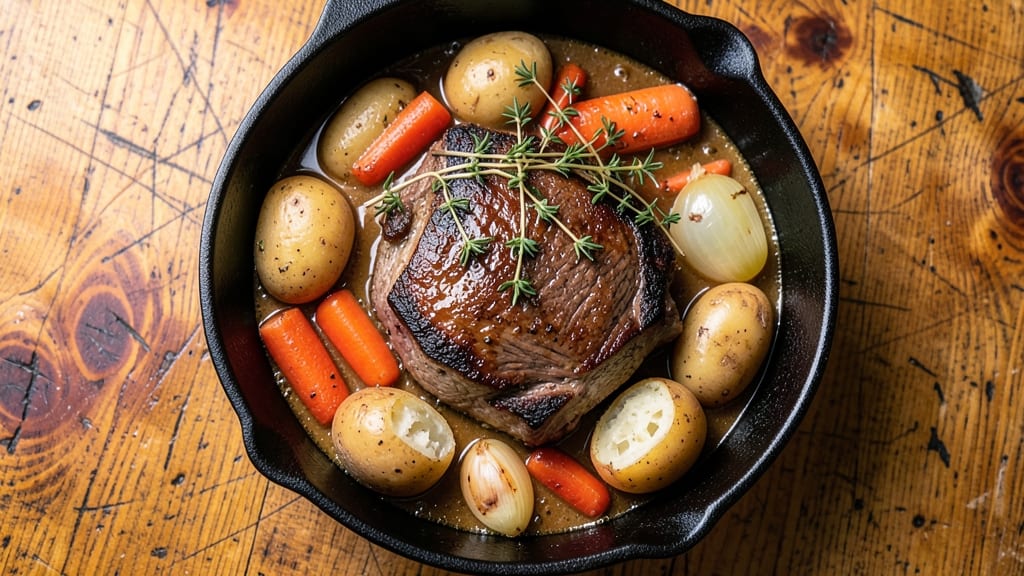
This authentic Irish beef stew recipe brings the cozy, hearty flavors of an Irish cottage to your kitchen, where tender beef simmers for hours with root vegetables, Guinness, and fragrant herbs.
The slow-cooking process transforms tough cuts into melt-in-your-mouth perfection, while the deep, malty richness of the beer creates a sauce that’s impossible to resist. I’ve perfected this recipe over years of testing, ensuring every bite delivers the soul-warming comfort of traditional Irish cooking.
The secret lies in the layers of flavor: caramelized onions form the base, while thyme, bay leaves, and a splash of Guinness infuse the stew with authentic depth. Root vegetables like carrots and potatoes absorb the rich broth, becoming tender and infused with savory notes.
Unlike rushed versions, this stew develops complexity only time can bring—its aroma alone will have everyone gathering at the table.
What you’ll achieve is a restaurant-quality stew that’s hearty enough for a cold evening or a celebratory meal, yet simple enough for a weeknight dinner.
The beef falls apart at the touch of a fork, the vegetables are perfectly tender, and the sauce clings to every bite with a perfect balance of richness and herbs. Serve it with crusty soda bread to soak up every last drop of that velvety, Guinness-infused broth.
Whether you’re cooking for a family gathering or a quiet night in, this stew delivers the warmth and authenticity of Irish tradition—without sacrificing modern convenience.
Ready in just 3 hours (or 90 minutes in a pressure cooker), it’s the kind of dish that turns a simple meal into a memorable experience. Let’s get started on this timeless classic.
Ingredients for authentic irish beef stew
Root vegetables, rich Guinness, and tender beef—this Irish stew delivers restaurant-quality comfort at home.
| Ingredient | Amount | Notes |
|---|---|---|
| Chuck Roast 🥩 | 2 ½ lb | Well-marbled for tenderness |
| Yellow Onions 🧅 | 2 whole | Thinly sliced for caramelization |
| Carrots 🥕 | 4 whole | Medium size, peeled and chopped |
| Russet Potatoes 🥔 | 2 lb | Cut into 2-inch chunks |
| Garlic Cloves 🧄 | 6 cloves | Minced for aromatic depth |
| Fresh Thyme 🌿 | 2 tbsp | Leaves only, stems removed |
| Fresh Bay Leaves 🌿 | 2 whole | Classic Irish herb |
| Guinness Stout 🍺 | 1 cup | Dry stout for authentic flavor |
| Beef Broth 💧 | 3 cups | Homemade or quality store-bought |
| Tomato Paste 🍅 | 2 tbsp | For subtle sweetness |
| Whole Black Peppercorns 🌶️ | 1 tsp | Crushed for freshness |
| Kosher Salt 🧂 | 1 ½ tsp | Diamond Crystal preferred |
| Extra-Virgin Olive Oil 🫒 | 2 tbsp | For caramelizing onions |
| All-Purpose Flour 🌾 | 1 tbsp | For thickening broth |
The chuck roast is non-negotiable here—its marbling melts into the stew, creating that signature melt-in-your-mouth texture. Costco or Whole Foods carry excellent cuts, but any well-marbled chuck will work. Look for bright red meat with visible fat flecks, not pale or dry. The potatoes should be firm and starchy—Russets or Yukon Golds hold up best during slow cooking. Fresh thyme and bay leaves elevate the dish beyond basic beef stew; Penzeys or bulk bins at natural markets offer the best quality. For the Guinness, grab a cold bottle from the beer section—Guinness Draught works perfectly, but any dry stout will do.
No Guinness? Beef broth with a splash of Worcestershire sauce mimics the malty depth, though it won’t be identical. Short on thyme? Dried thyme at one-third the amount works in a pinch, but fresh is ideal. The tomato paste can be swapped for crushed tomatoes (1/2 cup) if you prefer chunkier texture. For the onions, yellow or red both work—just avoid sweet onions, which can overpower the stew. If you’re using pre-minced garlic, toast it first in olive oil to deepen the flavor. The beef broth? Homemade is best, but Swanson or Pacific Foods brands are reliable store-bought options.
This stew tastes even better the next day as flavors meld, so make a double batch if you’re feeding a crowd. Store leftovers in the fridge for 4-5 days or freeze for 3 months—portion into containers for easy reheating. The broth thickens as it cools, so add a splash of water or broth when reheating. For serving, crusty soda bread is traditional, but any hearty bread will do. The stew reheats beautifully—just warm on the stove with a splash of water or broth to loosen the sauce.
Why You'll Love This Recipe
- I swear by this trick: buy pre-diced onions and carrots from the store’s salad bar. Toss them raw into the pot with the chuck roast, brown it in batches, then add everything else. No knife skills required—just dump, stir, and let the magic happen.
- Chop-Free Champion: I swear by this trick: buy pre-diced onions and carrots from the store’s salad bar. Toss them raw into the pot with the chuck roast, brown it in batches, then add everything else. No knife skills required—just dump, stir, and let the magic happen.
- Garlic-Glazed Magic: That crispy edge on the potatoes? It’s all about browning the garlic until it’s almost burnt, then deglazing with a splash of red wine. The result? A rich, caramelized depth that turns simple beef into something dangerously addictive.
- Leftovers That Win: Between us, this stew tastes better the next day. The flavors meld like old friends, and the potatoes soak up all that beefy goodness. Pack it in jars for lunches—your future self will high-five you.
Step-by-step instructions for authentic Irish beef stew
Here's how to create a hearty Irish beef stew with deep, smoky flavors and tender meat.
Sear the Chuck Roast for Rich Flavor
Pat the 2.5 lb chuck roast completely dry with paper towels—this ensures a proper sear. Heat 2 tablespoons extra-virgin olive oil in a large Dutch oven over medium-high heat until shimmering. Place the roast in the pot and sear on all sides for 4-5 minutes per side, pressing gently with a spoon to promote even browning. You're looking for a deep mahogany crust that develops as the meat renders its juices.
Remove the roast and set it aside on a plate. The goal is to build flavor through the Maillard reaction—those browned bits on the bottom of the pot are pure umami gold. Don't rush this step; patience here means richer stew later. If the oil starts smoking excessively, reduce the heat slightly to maintain control.
Caramelize Vegetables for Depth
In the same Dutch oven, add the 2 whole yellow onions and 4 whole carrots (peeled and chopped into 1-inch pieces). Cook over medium heat for 8-10 minutes, stirring occasionally, until the onions soften and begin to turn golden. This slow caramelization develops sweetness that balances the stew's heartiness.
Add the 6 cloves garlic cloves (minced) and cook for another 30 seconds until fragrant. Stir in the 2 tablespoons tomato paste and cook for 1 minute to deepen the sauce's color and flavor. The tomato paste adds subtle sweetness that complements the Guinness stout perfectly. If the vegetables stick, add a splash of beef broth to deglaze and lift the browned bits from the bottom.
Build the Stew Base with Aromatics
Return the seared chuck roast to the pot. Add the 1 cup Guinness stout, scraping the bottom to incorporate all the flavorful browned bits. Bring the mixture to a simmer, then add 3 cups beef broth, 1.5 teaspoons kosher salt, and 1 teaspoon crushed whole black peppercorns. Stir in the 2 whole fresh bay leaves and 2 tablespoons fresh thyme leaves (stems removed).
Bring the stew to a gentle boil, then reduce heat to low and cover partially. Let it simmer for 1.5 hours, stirring occasionally. The roast should become fork-tender, and the broth should reduce slightly, intensifying the flavors. Here's the thing—don't lift the lid during this time. Every time you peek, you release steam and lengthen the cooking process.
Add Potatoes and Finish Cooking
After the initial 1.5 hours, add the 2 lb russet potatoes (cut into 2-inch chunks) to the stew. The potatoes should cook for 30-45 minutes until tender but not falling apart. They'll absorb the rich broth while adding hearty texture. The stew should be thick enough to coat a spoon but still have a bit of body—this is where the 1 tablespoon all-purpose flour comes in.
Sprinkle the flour over the stew and stir gently to combine. Let it simmer uncovered for 10-15 minutes to thicken slightly. The flour helps create a velvety texture without making the stew gluey. Taste and adjust seasoning if needed—this is your chance to fine-tune the balance of salt, pepper, and herbal notes. The stew should be rich but not overpowering, with a perfect harmony of meaty, root vegetable, and stout flavors.
Pro Tips For Making Authentic Irish Beef Stew
- SEAR THE CHUCK ROAST: After years of making stew, I learned this the hard way—don’t just toss the chuck roast in the pot. Pat it very dry, then sear it in a hot Dutch oven with oil until it’s deep brown on all sides. That crust locks in flavor and keeps the meat tender, not rubbery. (Yes, even if you’re impatient like me.)
- PEEL THOSE CARROTS: Irish stew isn’t about fancy presentation—it’s about flavor—but peeled carrots cook faster and stay intact. Skip the peeling, and you’ll end up with a mushy, sad vegetable pile that disappears into the broth. A quick peel with a vegetable peeler saves time and keeps the texture right.
- DON’T DUMP THE POTATOES IN: I used to toss potatoes in whole, thinking they’d soften like magic. Wrong. Cut them into 1-inch chunks and add them last—about 30 minutes before the stew finishes. This guarantees they’ll soak up the broth without turning to mush or leaving you with a half-cooked center.
- STIR THE BROTH EARLY: The first 20 minutes of simmering? That’s when the onions and garlic release their soul into the stew. Stir them occasionally to prevent sticking and burning—once you get a dark, caramelized layer, you’ve lost flavor. A quick stir every 5 minutes keeps things smooth and aromatic.
Perfect pairings for this recipe
Traditional Irish Sides
Serve your stew with crusty soda bread—its slightly dense texture soaks up the rich Guinness broth beautifully. I love making it from scratch using 2 cups all-purpose flour, 1 tsp baking soda, and 1 cup buttermilk, baked in a cast-iron skillet for extra crispiness.
For a quicker option, grab a loaf from Whole Foods or a local bakery. 🥖
Another classic pairing is boxty—a traditional Irish potato pancake made from grated potatoes, flour, and buttermilk. Fry them in butter until golden for a crispy, comforting side. If you're short on time, mashed potatoes with a splash of milk and butter work perfectly too.
Guinness-Inspired Drinks
A cold Guinness Draught is the obvious choice, but I also love serving Irish whiskey cocktails like a Black Velvet (Guinness and champagne) or a Whiskey Sour for a refreshing contrast. For non-alcoholic options, try sparkling apple cider or a ginger beer to complement the stew's richness. 🍺
Herb-Focused Garnishes
Brighten the dish with fresh parsley or chives just before serving—their freshness cuts through the stew's richness. I also like a sprinkle of toasted breadcrumbs for texture, mixed with a pinch of smoked paprika for warmth. A drizzle of extra-virgin olive oil adds a silky finish that ties everything together.
Modern Twists on Classics
For a contemporary touch, serve the stew with crispy roasted Brussels sprouts tossed in olive oil and balsamic glaze. The bitterness balances the stew's heartiness, while the caramelized edges add a gourmet touch.
Another great pairing is creamy colcannon—mashed potatoes mixed with cabbage and butter—for a comforting, layered experience. 🥦
Warm Bread Alternatives
If soda bread isn't your thing, try Irish brown soda bread with a hint of raisins or cheddar cheese mixed into the dough. For a gluten-free option, cornbread or polenta works well—just ensure it's sturdy enough to hold up to the stew's sauce.
The key is a bread with enough texture to soak up those flavorful juices without turning mushy. 🍞
Nutrition facts
Frequently asked questions
Can I use a different cut of beef for this Irish stew?
While chuck roast is ideal for its marbling and tenderness, you can substitute with beef short ribs or stewing beef—both work beautifully. Just note that short ribs will have more connective tissue, requiring slightly longer cooking (2-3 hours instead of 1.5 hours). Avoid lean cuts like sirloin, as they dry out during slow cooking.
What if I don’t have Guinness? Can I substitute?
Use 1 cup beef broth + 1 tablespoon Worcestershire sauce for a similar malty depth, or swap in stout beer (like porter) or even dark ale. For a non-alcoholic version, try 1 cup beef broth + 1 teaspoon molasses to mimic the richness. The key is balancing the stew’s savory notes.
How do I make this stew in a slow cooker?
Brown the beef and veggies in a skillet first, then transfer everything to the slow cooker. Add all remaining ingredients and cook on low for 7-8 hours or high for 4-5 hours. The potatoes may need 30 extra minutes on high to soften. Pro tip: Skip the flour thickening—slow cookers naturally reduce the broth.
Why does my stew taste bland after simmering?
Blandness usually means insufficient seasoning or underdeveloped flavors. First, ensure you’re using fresh herbs and whole spices (like peppercorns), which release more aroma than pre-ground versions. Second, let the stew reduce uncovered for the last 10 minutes to concentrate flavors. Finally, taste and adjust with salt, pepper, or a splash of vinegar for brightness.
Can I prep this stew ahead of time?
This stew tastes even better the next day! Assemble it fully (including potatoes) and refrigerate for up to 3 days or freeze for 3 months. Reheat gently on the stove with a splash of broth or water to restore thickness. For serving, warm the bread separately to prevent sogginess.