
Soups & Stews
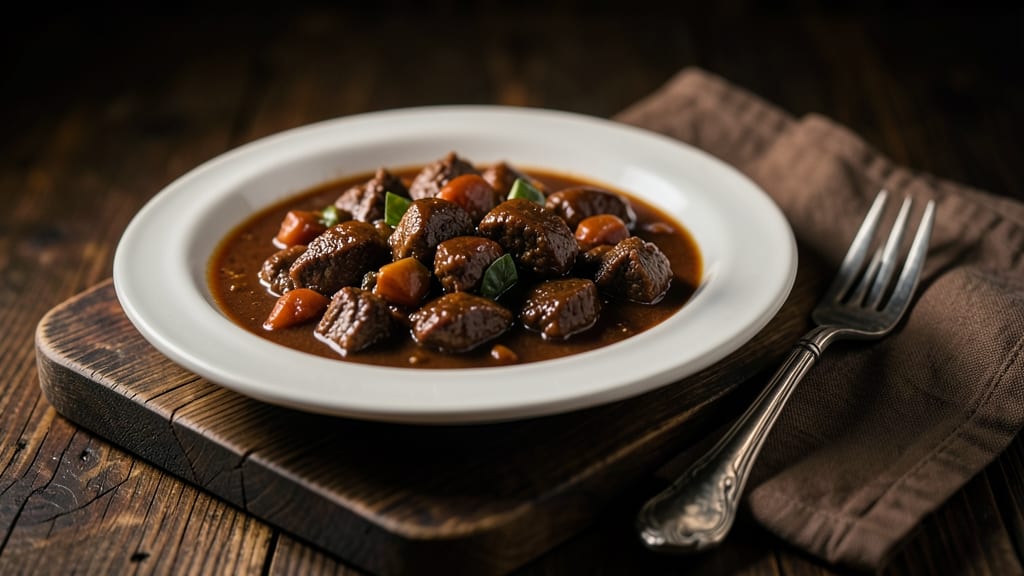
This authentic Guinness beef stew delivers the deep malt aroma and tender, fall-apart meat that makes it a pub classic. The secret lies in properly browning the beef and slow-cooking it with Guinness stout, which tenderizes the meat while adding a rich, caramelized depth to the sauce.
I've perfected this recipe over years of testing, ensuring every spoonful delivers that perfect balance of savory, smoky, and slightly sweet flavors.
What sets this stew apart is the traditional technique of browning the beef in batches—never crowded—to develop a flavorful crust. The Guinness stout not only tenderizes the meat but also creates a velvety sauce that coats every bite.
With a blend of aromatic vegetables, herbs, and spices, this stew transforms tough cuts into melt-in-your-mouth perfection. The slow simmer allows flavors to meld, resulting in a dish that's both hearty and deeply satisfying.
By the time you serve this stew, you'll have a pot of restaurant-quality comfort food that pairs beautifully with crusty bread or creamy mashed potatoes. The aroma alone will draw everyone to the table, and the first bite will confirm why this dish is a timeless favorite.
Whether you're cooking for a family gathering or a cozy weeknight dinner, this recipe delivers authentic flavor without compromise.
The beauty of this stew is its versatility—it reheats beautifully, making it perfect for meal prep, and the flavors deepen over time. With a few simple adjustments, you can tailor the thickness of the sauce or add extra vegetables to suit your preferences.
Here's how to create this classic dish in your own kitchen.
Ingredients for authentic guinness beef stew
Pantry staples plus a few pub-quality ingredients for that authentic malt depth everyone loves.
| Ingredient | Amount | Notes |
|---|---|---|
| Chuck Roast 🥩 | 3 lb | Cut into 1.5-inch cubes |
| Guinness Stout 🍺 | 1 ½ cups | Original or extra stout |
| Yellow Onion 🧅 | 1 whole | Diced, about 1.5 cups |
| Carrots 🥕 | 4 whole | Peeled, cut into chunks |
| Celery Stalks 🥬 | 4 whole | Diced, about 1 cup |
| Garlic Cloves 🧄 | 4 cloves | Minced, not pre-minced |
| Tomato Paste 🍅 | 2 tbsp | Squeeze tube preferred |
| Beef Broth 💧 | 3 cups | Low-sodium preferred |
| Bay Leaves 🍃 | 2 whole | Fresh if available |
| Thyme Sprigs 🌿 | 2 whole | Or 1 tsp dried thyme |
| Worcestershire Sauce 🍯 | 1 tbsp | Original recipe preferred |
| All-Purpose Flour 🌾 | 2 tbsp | For browning beef |
| Olive Oil 🫒 | 2 tbsp | For searing meat |
| Salt 🧂 | 1 ½ tsp | Kosher or sea salt |
| Black Pepper 🌶️ | 1 tsp | Freshly ground preferred |
The beef is everything here—chuck roast is the gold standard for its fat content and tenderness. Grocery stores usually carry it pre-cubed, which saves time, but if you're feeling ambitious, ask the butcher to cut it for you. Costco or Whole Foods often have the best selection. Look for good marbling—those little white streaks of fat are what make this stew melt-in-your-mouth tender. If you can't find chuck, stew meat works too, but it's pricier. The Guinness? Original or extra stout—never light beer. I grab mine from World Market or Total Wine if I'm not near a pub.
No Guinness? Substitute with beef broth plus 1 tbsp malt vinegar—it's not the same, but close. Fresh thyme is ideal, but dried works at one-third the amount. The tomato paste can be from a squeeze tube—Trader Joe's has the best ones, no waste. Pre-minced garlic? Don't bother. Fresh minced takes 30 seconds and tastes better. Worcestershire sauce is non-negotiable here—Lea & Perrins is the original. If you're out, soy sauce plus a pinch of sugar gets you close. The flour is just for browning—don't skip this step, even if it seems tedious. That crust is where all the flavor lives.
This stew tastes even better the next day—flavors meld overnight. Keeps 5-6 days in the fridge, freezes for 3 months. I always make a double batch. Portion into containers so lunches are ready for the week. The sauce thickens as it cools, so add a splash of broth if it's too thick when reheating. Leftovers reheat beautifully—just warm on the stove with a splash of water or broth.
Why You'll Love This Recipe
- One-Pot Wonder: Honestly, I love recipes that don’t require a million dishes—this stew does it all in one Dutch oven. Just sear the chuck roast, toss in the veggies, and let it work its magic while you do other things. No chopping boards to wash, no pots to scrub.
- Malt Magic: That first sip of Guinness-infused sauce? It’s like a warm hug in a bowl. The slow simmer pulls all the flavors together—the caramelized onions, the deep maltiness of the stout, even the earthy thyme—into something so rich, it feels like a reward after a long day.
- Weeknight Crowd-Pleaser: Between us, this is the dish I turn to when friends drop by unannounced. It’s hearty enough for a group, but simple enough that I’m not stressing over last-minute prep. Plus, the leftovers taste just as good the next day—if they last that long.
- Budget-Friendly Feast: A 3 lb chuck roast and a few pantry staples stretch into six hearty portions. The Guinness adds that luxurious touch without breaking the bank, and the veggies (onion, carrots, celery) are cheap but packed with flavor. It’s the kind of meal that makes frugal cooking feel special.
Step-by-step instructions for authentic Guinness beef stew
This is how you build layers of rich malt flavor and tender beef—no shortcuts, just tradition.
Sear the Chuck Roast for Deep Flavor
Pat the 3 lb chuck roast dry with paper towels—this ensures a proper sear. Heat 2 tablespoons olive oil in a heavy Dutch oven over medium-high heat until shimmering. Working in batches if needed, add the chuck roast cubes and sear undisturbed for 3 minutes per side until deeply browned. This step creates the Maillard reaction that forms the stew's foundation.
As you sear, sprinkle each batch with 1 teaspoon salt and ½ teaspoon black pepper (reserving the rest for later). Don't crowd the pan—this prevents steaming instead of browning. Once all pieces are golden and caramelized, remove them and set aside. You'll notice the meat releases easily when properly seared.
Build the Aromatic Base
In the same Dutch oven, reduce heat to medium and add 1½ cups diced yellow onion and 1 cup diced celery stalks. Cook for 5 minutes until softened but not browned. Add 4 whole carrots cut into chunks and cook another 3 minutes until they begin to soften slightly.
Stir in 4 cloves minced garlic and cook for 30 seconds until fragrant—don't let it burn. Here's where the magic begins: add 2 tablespoons tomato paste and cook for 1 minute, stirring constantly. This creates a rich, slightly sweet base that deepens the stew's complexity. Remove the pan from heat briefly to add 2 tablespoons all-purpose flour, whisking to coat the vegetables completely.
Deglaze and Simmer the Stew
Return the pan to medium heat and carefully pour in 1½ cups Guinness stout, scraping up all the browned bits from the bottom. Let it simmer for 3 minutes until slightly reduced. Add 3 cups beef broth, 1 tablespoon Worcestershire sauce, 2 whole bay leaves, and 2 whole thyme sprigs, then return the beef to the pot.
Bring to a gentle boil, then reduce heat to low and cover partially. Let it simmer for 2½ hours—this is where patience pays off. The meat should become fork-tender and pull away from the bone easily. Stir occasionally to prevent sticking, and add ½ cup water if the liquid reduces too much.
Finish with Malted Richness
After 2½ hours, remove the bay leaves and thyme sprigs. Increase heat to medium and simmer uncovered for 10-15 minutes to thicken the sauce slightly. Taste and adjust seasoning with the remaining ½ teaspoon salt and ½ teaspoon black pepper if needed. The stew should be rich, slightly tangy from the Guinness, and deeply flavorful.
For the final touch, stir in the remaining ½ cup Guinness stout and simmer for 2 more minutes. This last addition brightens the flavors and ensures that authentic malt depth you're after. Serve immediately with crusty bread to soak up every last bit of that velvety, Guinness-infused sauce.
Pro Tips For Making Authentic Guinness Beef Stew
- Sear in Batches: DESCRIPTION: That 3 lb chuck roast won’t fit in one layer—crowding turns searing into steaming. Work in batches, even if it takes twice as long. The golden crust from proper browning is what makes this stew taste like a pub, not a shortcut. Trust me, the extra 5 minutes now saves you from bland meat later.
- Mince Garlic Fresh: DESCRIPTION: Pre-minced garlic has no soul in this stew. Crush those 4 cloves yourself—just enough to release the aroma without turning bitter. I learned this the hard way after a batch tasted like garlic powder. Fresh minced garlic sings when it hits the tomato paste, deepening the savory base.
- Don’t Skip the Flour: DESCRIPTION: That 2 tbsp flour isn’t just for thickening—it’s the glue holding the stew together. Whisk it into the veggies after cooking the tomato paste so it coats everything evenly. Skipping it? Your sauce will taste thin and watery, no matter how long you simmer. (Yes, even if you’re impatient like me.)
- Simmer Low and Slow: DESCRIPTION: The 2½-hour simmer isn’t optional—it’s where the chuck roast transforms from chewy to melt-in-your-mouth. If you’re tempted to crank the heat, resist. A gentle bubble keeps the meat tender and the Guinness flavors rich. I once rushed it and ended up with shoe-leather beef. Your future self will thank you for the patience.
Pro cooking tips for authentic guinness beef stew
Batch Browning Essentials
The key to deep flavor is browning the beef in batches—never crowd the pan! Use a heavy Dutch oven (I love my Le Creuset) and sear 3 minutes per side over medium-high heat until golden brown. Crowding releases steam instead of creating that coveted Maillard crust.
I work in batches of 6-8 cubes at a time, adding fresh oil between batches if needed. This step takes 10-15 minutes total but builds the stew's foundation.
Pro tip: Pat the beef extra dry with paper towels before searing—this ensures maximum contact with the hot pan. The crust should be deep brown, almost black in spots, with no pink remaining. If your beef releases easily when prodded with a spatula, it's ready. 🔥
Deglaze Like a Pro
After removing the beef, don't walk away! Immediately add 1½ cups Guinness stout to the hot pan and scrape up every last bit of browned meat and vegetable bits stuck to the bottom.
This deglazing step captures all the caramelized flavors you worked so hard to create. Let it simmer for 3 minutes until slightly reduced—this concentrates the maltiness before adding the broth.
I use a wooden spoon for deglazing because it's gentle on nonstick pans (though I prefer cast iron or Dutch oven). If you're using a nonstick skillet, reduce heat to medium-low to prevent scorching. The Guinness should bubble gently but not boil vigorously. 🍺
Simmering Science
Low and slow is non-negotiable for tender beef. After adding all ingredients, bring to a gentle simmer (small bubbles, not a rolling boil) and cover partially. The 2½-hour simmer at low heat breaks down collagen in the beef, transforming tough cuts into melt-in-your-mouth perfection.
I set my oven to 300°F and place the Dutch oven inside for even heat distribution.
Check the liquid level every 30 minutes—add ½ cup water or broth if it reduces too much. The stew should have just enough liquid to coat the beef by the end. A meat thermometer is your best friend here—beef should reach 203°F for maximum tenderness. ⏱️
Sauce Thickness Secrets
The perfect Guinness stew sauce should coat the back of a spoon but still be velvety, not gluey. If your sauce is too thin after simmering, increase heat to medium and simmer uncovered for 10-15 minutes to reduce.
For extra richness, whisk in 1 tablespoon cornstarch mixed with 2 tablespoons cold water—this thickens without altering the flavor.
If the sauce is too thick, add 2-3 tablespoons beef broth and simmer for 5 minutes to blend. I always taste the sauce before serving—adjust with salt, pepper, or a splash of Guinness if needed. The final sauce should cling to the beef like a second skin. 🥄
Herb Handling Tips
Fresh herbs make all the difference, but handle them carefully. Bay leaves should be removed before serving—if left in too long, they can turn bitter. Thyme sprigs can be left in during cooking but should also be removed before serving.
I like to crush the thyme sprigs slightly between my fingers before adding them to release more aroma.
For an extra herbal boost, add 1 teaspoon fresh rosemary along with the thyme. If using dried herbs, reduce to ⅓ the amount—dried herbs are more concentrated. Never skip the herbs, even if you're short on time—they balance the richness of the Guinness and beef. 🌿
Nutrition facts
Frequently asked questions
Can I use a slow cooker for this Guinness beef stew?
For a slow cooker version, brown the beef first in a skillet, then transfer everything (including the browned bits) to your slow cooker. Cook on low for 7-8 hours or high for 4-5 hours. The slow cooker method is perfect for hands-off cooking, but you'll need to adjust the sauce thickness afterward—simmer uncovered for 10-15 minutes on the stovetop to reduce if needed.
Why does my stew turn out too watery?
If your stew is too thin, it's likely because the liquid didn't reduce enough during simmering. After the initial 2½-hour simmer, increase heat to medium and cook uncovered for 10-15 minutes to evaporate excess liquid. For extra thickness, whisk in 1 tablespoon cornstarch mixed with 2 tablespoons cold water and simmer for 2-3 minutes. The sauce should coat the back of a spoon but remain velvety.
What's the best way to reheat leftover stew?
Reheat gently on the stove over low heat to avoid breaking the sauce. Add 1-2 tablespoons beef broth or water if the stew seems too thick. Never microwave—it makes the sauce watery and the meat tough. For even heating, stir occasionally and bring just to a simmer (160°F). The flavors actually improve after the first day!
Can I substitute Guinness with another beer or broth?
While nothing beats the authentic malt depth of Guinness, you can substitute with 1½ cups beef broth plus 1 tablespoon malt vinegar for a similar tangy note. For a beer alternative, use dark ale or stout (like porter) in the same amount. Avoid light beers—they won't provide the same richness. The tomato paste and Worcestershire sauce will still add depth, but the texture may be slightly less velvety.
How do I know when the beef is perfectly tender?
The beef is done when it's fork-tender and pulls away from the bone easily. Use a meat thermometer to check—it should read 203°F internally. If you don't have one, cut into a piece: the meat should be soft enough to shred with a fork, with no pink or firm centers. Overcooking can make it mushy, so aim for 2½ hours of simmering time.