
Main Courses
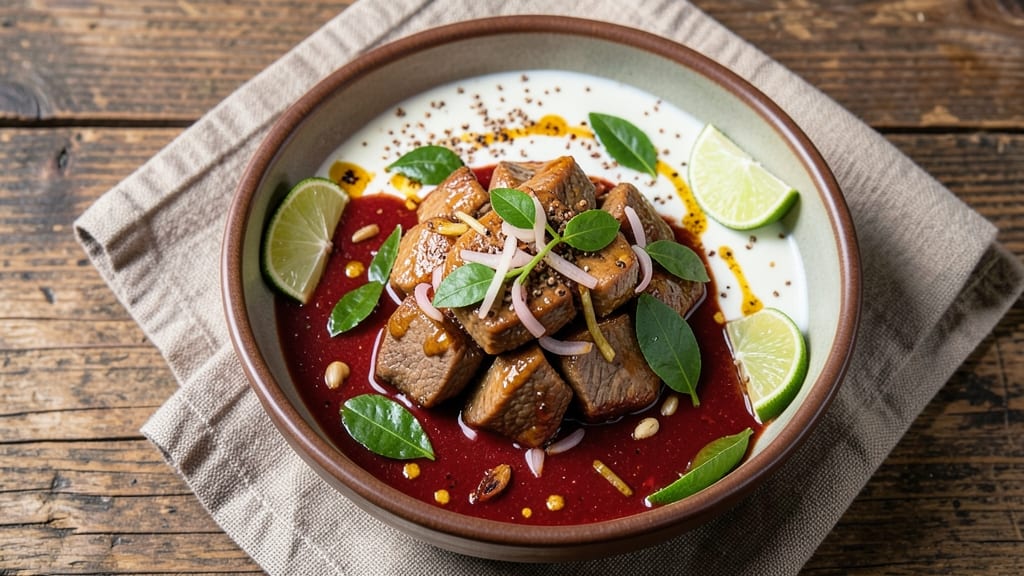
This fragrant Asian beef curry delivers restaurant-quality depth with every spoonful, where tender beef simmers in a velvety coconut-ginger sauce that's impossible to resist. The secret lies in marinating the beef overnight—this step transforms tough cuts into melt-in-your-mouth perfection while building layers of flavor.
I developed this recipe after years of testing curry variations, ensuring the balance of sweet, spicy, and aromatic notes is just right.
What sets this dish apart is the aromatic base—ginger, garlic, and lemongrass sautéed until fragrant before blending with coconut milk and spices. The sauce simmers just long enough to develop complexity without overpowering the beef, creating a rich, velvety consistency that coats every bite.
This method delivers authentic Asian flavors without requiring specialty ingredients, making it accessible for home cooks.
By the time you serve this curry, you'll have tender beef swimming in a sauce that's fragrant, slightly sweet, and perfectly spiced. The dish pairs beautifully with steamed jasmine rice or warm naan, soaking up every last drop of that luxurious coconut sauce.
It's the kind of meal that transforms an ordinary weeknight into a flavorful celebration.
For those who enjoy experimenting, this recipe serves as a versatile foundation—adjust the spice level, swap in different vegetables, or experiment with regional variations like Thai green curry or Japanese-style sukiyaki. The technique remains the same, ensuring foolproof results every time.
Ingredients for asian beef curry
Authentic Asian flavors start with these carefully chosen ingredients that build depth through marinating and slow simmering.
| Ingredient | Amount | Notes |
|---|---|---|
| Beef Chuck Roast 🥩 | 1 ½ lb | Cut into 1-inch cubes, marinated overnight |
| Fresh Ginger Root 🌿 | ½ cup | Finely grated, aromatic |
| Garlic Cloves 🧄 | 6 cloves | Minced, for aromatic base |
| Lemongrass Stalks 🌿 | 2 whole | Bruised, cut into 2-inch pieces |
| Coconut Milk 🥥 | 1 can | Full-fat, for velvety texture |
| Red Curry Paste 🌶️ | 2 tbsp | Authentic Thai or Maesri brand |
| Fish Sauce 🍶 | 1 tbsp | For umami depth, Red Boat preferred |
| Brown Sugar 🍯 | 2 tbsp | Lightly packed, balances heat |
| Vegetable Oil 🫒 | 2 tbsp | High smoke point for sautéing |
| Diamond Crystal Kosher Salt 🧂 | 1 ½ tsp | Adjusts seasoning to taste |
| Fresh Lime Juice 🍋 | 1 tbsp | Brightens flavors at the end |
| Fresh Cilantro Leaves 🌿 | ¼ cup | Chopped, for garnish |
| Thai Bird's Eye Chilies 🌶️ | 1 whole | Optional, adjust to heat preference |
| Jasmine Rice 🍚 | 1 ½ cups | Uncooked, for serving |
The beef selection is critical—chuck roast delivers the best texture when marinated and slow-cooked. Look for cuts with good marbling at specialty butchers or Asian markets, where they often carry pre-cut beef for stir-fries and curries. Costco or Whole Foods typically stock high-quality chuck roasts in the meat section. If you can't find chuck, sirloin works in a pinch, though it won't be as tender. The ginger and lemongrass should be vibrant and fragrant—avoid dried substitutes, as they lack the complex aroma needed for this dish. For the coconut milk, full-fat canned versions (like Thai Kitchen brand) provide the richest texture, while light versions can make the sauce watery.
No fish sauce? Soy sauce or Worcestershire (ensure vegetarian-friendly) provides umami, though fish sauce offers that unmistakable savory depth. The curry paste is non-negotiable for authenticity—Maesri or Thai Kitchen brands are readily available in most grocery stores. For a spicier kick, Thai bird's eye chilies can be finely chopped and added directly to the sauce, but remove seeds for less heat. If you're sensitive to spice, omit entirely or use milder red bell peppers. The brown sugar balances the heat beautifully, but coconut sugar works equally well for a more caramelized flavor. Fresh herbs like cilantro and basil should be added at the very end to preserve their bright flavors.
This curry develops deeper flavor the next day, so make extra if possible—it reheats beautifully. Store in airtight containers in the refrigerator for up to 5 days, or freeze for 3 months in portion-sized containers. The sauce thickens as it cools, so a splash of water or coconut milk can restore its velvety consistency when reheating. Serve with jasmine rice or warm naan to soak up every last drop of that luxurious sauce, which only gets better with time as the flavors meld together.
Why You'll Love This Recipe
- I swear by this trick: smash the garlic and ginger with the side of my knife instead of mincing—saves time and makes the flavors pop. The lemongrass? Just bruise the stalks with the flat of your knife, no peeling needed. Honestly, it’s the kind of recipe where you spend more time admiring the slow simmer than prepping.
- Minimal Chopping Required: I swear by this trick: smash the garlic and ginger with the side of my knife instead of mincing—saves time and makes the flavors pop. The lemongrass? Just bruise the stalks with the flat of your knife, no peeling needed. Honestly, it’s the kind of recipe where you spend more time admiring the slow simmer than prepping.
- Rich & Balanced Bite: That beef chuck roast turns tender while the coconut milk keeps it lusciously creamy, but here’s the magic: the ginger’s sharp kick and lemongrass’s citrusy depth cut through the richness. It’s not heavy or one-note—more like a hug in a bowl, but with actual umami.
- Weeknight to Potluck Star: Between us, this curry is my go-to when I’m too tired to plan. Toss it in a slow cooker for hands-off dinner, or double the batch and freeze half for lazy Mondays. Bring it to a gathering? The aroma alone gets you invited back—no sides required.
Step-by-step instructions for Asian beef curry
This method delivers restaurant-quality depth with aromatic layers and tender beef every time.
Prepare the Aromatic Base
Heat the 2 tablespoons vegetable oil in a large Dutch oven over medium heat until shimmering. Add the 2 whole lemongrass stalks (bruised and cut into 2-inch pieces) and cook for 2 minutes until fragrant. Remove and set aside, keeping the oil in the pot.
Add the 6 cloves garlic cloves (minced) and 0.5 cup fresh ginger root (finely grated) to the pot. Sauté for 3-4 minutes until the garlic turns golden and the ginger becomes translucent. This foundational step builds the curry's aromatic complexity - don't rush it or the flavors won't develop properly.
Develop the Curry Paste
Increase heat to medium-high and add the 2 tablespoons red curry paste, stirring constantly for 1-2 minutes until it darkens slightly and releases its oils. This is where the curry's signature depth comes from - the paste should coat the bottom of the pot evenly.
Immediately add 1 tablespoon fish sauce and 2 tablespoons brown sugar, stirring vigorously to combine. The sugar will caramelize slightly, adding another layer of complexity. Let this mixture cook for 1 minute while you prepare the beef to maintain consistent heat.
Sear the Beef
Add the 1.5 lb beef chuck roast (pre-cut into 1-inch cubes) to the pot in a single layer. Let it sear undisturbed for 3-4 minutes until deep golden brown on all sides. This initial searing creates the Maillard reaction that forms the curry's rich foundation.
Once browned, add the reserved lemongrass back to the pot along with 1 can coconut milk. Stir gently to combine, then reduce heat to low to prevent curdling the coconut milk. The mixture should simmer gently - if it's too vigorous, the curry will separate.
Simmer to Tender Perfection
Cover the pot and simmer for 1 hour 15 minutes on low heat, stirring occasionally. The beef should become fork-tender while absorbing all the aromatic flavors. If the curry reduces too much, add ¼ cup water to maintain proper consistency.
After simmering, stir in the 1.5 teaspoons diamond crystal kosher salt and 1 tablespoon fresh lime juice. Taste and adjust seasoning - you may need additional salt or lime to balance the flavors. The curry should be rich but not overly salty, with bright acidity from the lime.
Finish and Serve
Garnish with 0.25 cup chopped fresh cilantro leaves and 1 whole Thai bird's eye chili (sliced, if using). For serving, prepare 1.5 cups jasmine rice according to package instructions. The rice should be fluffy and separate, providing a neutral base that lets the curry flavors shine.
Ladle the curry over the rice and serve immediately. Each bite should deliver tender beef, complex spice layers, and velvety coconut milk. The aromatics should be present but not overpowering, with balanced heat from the chili and brightness from the lime.
Pro Tips For Making Asian Beef Curry
- Sear the Chuck First: After burning my first batch of curry because I skipped this, I now swear by a 5-minute sear in a screaming-hot pan with 1 tablespoon of oil—no crowding, just even brown patches. This locks in flavor and prevents the meat from turning into tough, gray mush later.
- Slice Ginger Thinly: I used to chop ginger into rough chunks and wondered why my curry tasted dull. Now I use a microplane or knife to slice it paper-thin—this releases the oils without bitterness and blends seamlessly into the sauce.
- Simmer Lemongrass Low: Lemongrass burns faster than you’d think. Once the curry’s bubbling, drop the heat to medium-low and stir occasionally—if you let it boil hard, you’ll end up with bitter, charred stalks instead of fragrant, citrusy depth.
- Use Full-Fat Coconut Milk: I was skeptical until I tried it: the extra richness in full-fat coconut milk (none of that watered-down stuff) makes the curry velvety and balances the heat without needing extra oil. Just stir it in at the end to avoid curdling.
Creative variations of this dish
Thai Green Curry Twist
Swap the red curry paste for 3 tablespoons Thai green curry paste (like Maesri brand) and add 1 stalk lemongrass and 1 kaffir lime leaf to the aromatic base. Use 1 can light coconut milk instead of full-fat for a lighter texture.
This version delivers bright, herbal notes with a slightly sweeter profile. Garnish with Thai basil leaves instead of cilantro for that signature Thai restaurant flavor. 🌿
Japanese Sukiyaki Style
Replace the coconut milk with 1 cup dashi broth> and 2 tablespoons soy sauce, then add 1 tbsp mirin and 1 tbsp sake to the sauce. Use thinly sliced beef (ribeye or chuck)> instead of cubes, and cook until just tender (45 minutes).
Serve family-style with shungiku greens and raw egg> for dipping, creating an authentic sukiyaki experience. 🍶
Indian Butter Chicken Fusion
Add 2 tbsp tomato paste and 1 cup heavy cream to the coconut milk for a richer sauce. Replace the fish sauce with 1 tbsp garam masala> and add 1 tsp turmeric to the aromatic base.
Use boneless chicken thighs> instead of beef for a true butter chicken adaptation. Garnish with toasted cashews and fresh cilantro for that creamy, spiced profile. 🌶️
Vegetarian Adaptation
Replace the beef with 1.5 lbs extra-firm tofu> (pressed and cubed) or chickpeas> for a hearty texture. Add 1 cup bell peppers> and 1 cup snap peas> during the simmering phase.
Boost umami with an extra 1 tbsp soy sauce> or 1 tsp miso paste. This version keeps all the rich, aromatic flavors while being completely plant-based. 🌱
Spicy Sri Lankan Curry
Add 1 tbsp Sri Lankan curry powder> (like Saffron Road brand) and 1 tsp ground coriander> to the aromatic base. Include 1 tbsp tamarind paste> and 1 tsp mustard seeds> for depth.
Use 1 can coconut milk> plus ½ cup water> for a thinner, more broth-like consistency. Garnish with fresh curry leaves> and grated coconut> for an authentic Sri Lankan touch. 🔥
Nutrition facts
Frequently asked questions about Asian beef curry
Can I use ground beef instead of chuck roast?
Ground beef works but won't have the same rich texture. For best results, use 80/20 ground chuck and cook it just until browned (3-4 minutes) before adding coconut milk. The fat content helps create a more velvety sauce. For extra tenderness, add 1 tablespoon cornstarch to the beef before cooking to prevent drying out.
How do I make this curry less spicy?
Reduce the red curry paste to 1 tablespoon and omit the Thai bird's eye chili. For a milder kick, add 1 teaspoon sweet paprika instead of chili. If you've already cooked it, stir in 1 extra tablespoon brown sugar or 1 teaspoon coconut sugar to balance the heat with sweetness.
What's the best way to store leftovers?
Let the curry cool completely, then transfer to airtight containers. It keeps in the refrigerator for 4-5 days and freezes well for 3 months. When reheating, warm over low heat with a splash of water or coconut milk to restore its creamy texture. The flavors actually improve after the first day!
Can I make this curry in a slow cooker?
Sear the beef first, then transfer everything to a 6-quart slow cooker. Cook on low for 6-7 hours or high for 3-4 hours. The slow cooking enhances the beef's tenderness and lets the flavors meld beautifully. Add ¼ cup water if the sauce gets too thick during cooking.
What vegetables pair well with this curry?
Try adding bell peppers, snap peas, or bamboo shoots during the last 15 minutes of cooking. For a Thai-inspired version, stir in 1 cup Thai eggplant or baby corn. Keep portions small—vegetables cook quickly and can make the sauce watery. Basil leaves or Thai basil add freshness when garnished at the end.