
Side Dishes
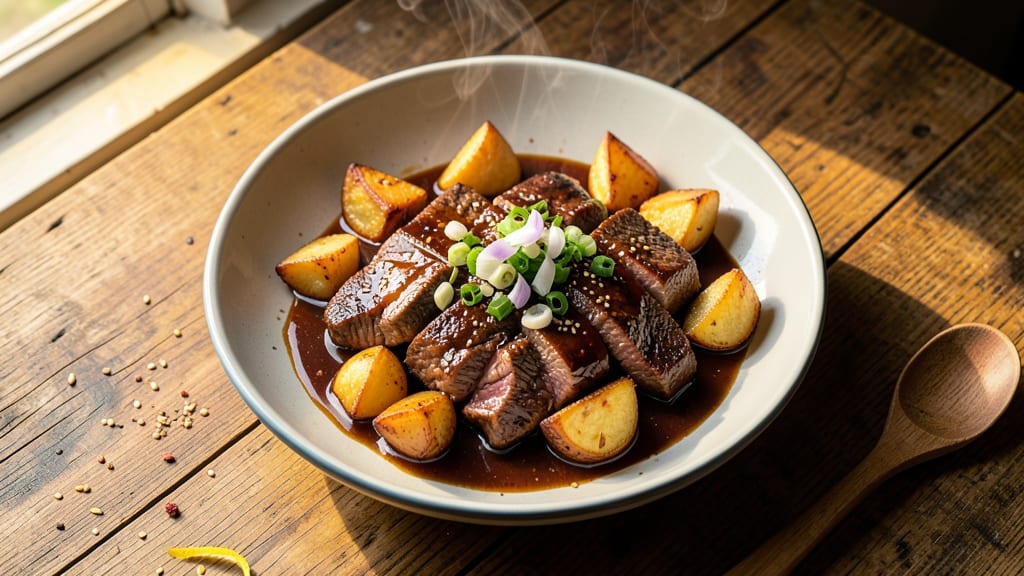
This Asian beef and potatoes recipe transforms simple ingredients into a savory stir-fry with caramelized edges and deep umami flavors. The secret lies in balancing tender beef strips with crispy potatoes, all coated in a wok-hei-inspired sauce that delivers restaurant-quality results at home.
I developed this dish after craving the perfect harmony of textures—juicy beef, crispy potatoes, and a glossy sauce that ties everything together.
The beef gets marinated in a blend of soy sauce, garlic, and five-spice powder, ensuring maximum tenderness and flavor penetration. Meanwhile, the potatoes are pan-fried until golden and crispy, then tossed with the beef in a high-heat stir-fry that locks in moisture while creating those coveted caramelized edges.
The sauce, made with a touch of honey and sesame oil, adds a perfect balance of sweetness and smokiness.
What you’ll end up with is a dish that’s rich, aromatic, and packed with layers of flavor—ideal for a weeknight dinner or a special occasion.
The beef stays tender, the potatoes are crispy on the outside and fluffy inside, and the sauce coats every bite with a perfectly balanced umami-sweet profile. This recipe is designed to be foolproof, with techniques that work whether you’re using a wok or a large skillet.
Serve it over steamed rice or with a side of stir-fried greens for a complete meal. The leftovers reheat beautifully, making this a great option for meal prep. Let’s get cooking—this dish is about to become a staple in your rotation.
Ingredients for asian beef and potatoes
Simple ingredients, bold flavors—this stir-fry delivers restaurant-quality caramelized edges every time.
| Ingredient | Amount | Notes |
|---|---|---|
| Flank Steak 🥩 | 1 lb | Thinly sliced against grain |
| Russet Potatoes 🥔 | 1 ½ lb | Cut into 1-inch chunks |
| Soy Sauce 🍶 | ½ cup | High-quality Asian brand |
| Garlic Cloves 🧄 | 6 cloves | Minced for marinade |
| Five-Spice Powder 🌶️ | 1 tsp | For authentic flavor |
| Sesame Oil 🫒 | 1 tbsp | Toasted for aroma |
| Honey 🍯 | 2 tbsp | For umami-sweet balance |
| Vegetable Oil 🫒 | ½ cup | High smoke point |
| Green Onions 🧅 | 4 whole | Sliced for garnish |
| Sesame Seeds 🌰 | 1 tbsp | Toasted for crunch |
| Salt 🧂 | 1 ½ tsp | Kosher or sea salt |
| Black Pepper 🌶️ | ½ tsp | Freshly ground |
| Ginger Root 🌿 | 1 tbsp | Freshly grated |
The beef is non-negotiable here—flank steak gives you that perfect chew and flavor. I grab mine from the butcher counter at Whole Foods when possible, but the pre-sliced packs at Trader Joe's work in a pinch. Look for good marbling and ask for it sliced against the grain—that’s the secret to tender bites. For potatoes, Russets are your best bet; their starchiness holds up to high heat without turning mushy. If you’ve got time, soak the potato chunks in cold water for 20 minutes before cooking to remove excess starch—crispier results guaranteed.
No five-spice powder? Mix 1/4 tsp each of cinnamon, star anise, cloves, fennel, and pepper—it’s what’s in the blend. Short on sesame oil? Toasted peanut oil works surprisingly well, though it’ll lack that nutty aroma. The honey can be swapped for maple syrup if you’re avoiding it, but trust me, it’s worth the caramelization. For extra umami, add 1 tsp fish sauce (vegetarian? use soy sauce). And if your garlic burns, blanch it in hot oil for 30 seconds first—no more bitter bites.
Potatoes reheat best in a 350°F oven for 15 minutes—they crisp up again like magic. The beef? Keep it warm in the sauce, don’t overcook. This dish keeps for 3 days in the fridge (though it disappears faster), and freezes beautifully for 2 months if you portion it right. I like to store components separately—sauce, beef, and potatoes—so I can reheat just what I need. Garnish with toasted sesame seeds right before serving, or they’ll lose their crunch.
Why You'll Love This Recipe
- One-Pan Magic: Honestly, I love recipes that don’t require a million dishes—this one lives on a single sheet pan. Toss the potatoes and steak together, add the marinade (soy sauce, garlic, five-spice), and let the oven do the work. No chopping boards to clean, no pots to scrub—just slide it in and forget it.
- Deep Umami Crunch: That five-spice powder and soy sauce combo? It’s where this dish gets its soul. The steak stays juicy while the potatoes get crispy edges, and the garlic? Oh, it’s there—like a little flavor punch in every bite. Not just tasty; it’s ridiculously satisfying.
- Lunchbox Hero: Between us, this is my go-to for meal prep. Slice the steak thin, let it cool, and pack it with the potatoes for lunch the next day. The flavors only get better as they mingle, and it’s way cheaper than takeout. (Yes, even on a Tuesday night.)
- Budget Steak Night: Flank steak is affordable, and russets are the cheapest potato around. A little soy sauce, a sprinkle of five-spice, and you’ve got a restaurant-quality meal without the price tag. Plus, leftovers reheat like a dream—no dry, sad meat here.
Step-by-step instructions for Asian beef and potatoes stir-fry
Here's how to create a perfectly balanced stir-fry with tender beef and caramelized potatoes.
Prepare the Marinated Beef
Start by slicing the 1 lb flank steak thinly against the grain into ¼-inch thick strips. This ensures tender bites that cook quickly and evenly. In a bowl, combine the sliced beef with 0.5 cup soy sauce, 1 tbsp honey, 1 tbsp freshly grated ginger root, 6 minced garlic cloves, 1.5 tsp salt, and 0.5 tsp black pepper. Mix well to coat the beef completely, then let it marinate for at least 30 minutes—this allows the flavors to penetrate deeply.
While the beef marinates, cut the 1.5 lb russet potatoes into 1-inch chunks. Toss them in a bowl with 1 tbsp sesame oil, 1 tsp five-spice powder, and 0.5 tsp black pepper. Set aside—this seasoning will create a fragrant base for the potatoes as they caramelize.
Cook the Potatoes Until Caramelized
Heat 0.5 cup vegetable oil in a large skillet or wok over medium-high heat until shimmering. Add the seasoned potato chunks in a single layer, ensuring they don't overlap. Cook undisturbed for 5-6 minutes until the edges begin to brown and crisp. This is where the magic happens—the potatoes develop a deep caramelization while staying tender inside.
Once the potatoes are golden brown on one side, gently flip them and cook for another 5-6 minutes until evenly caramelized. Remove them from the skillet and set aside on a plate. The residual heat will keep them warm while you finish the beef.
Stir-Fry the Marinated Beef
In the same skillet, increase the heat to high and add the marinated beef in a single layer. Let it sear undisturbed for 1-2 minutes until the edges turn golden brown. This step is crucial—it locks in the juices and creates a flavorful crust. Once browned, stir the beef and cook for another 2-3 minutes until fully cooked through but still tender.
Reduce the heat to medium and return the caramelized potatoes to the skillet. Add the cooked beef back in and toss everything together for 1-2 minutes to combine the flavors. The potatoes will soak up the beef's juices, creating a cohesive stir-fry with every bite.
Finish with Aromatics and Garnish
Drizzle 1 tbsp toasted sesame oil over the stir-fry and toss gently to coat. Add the 4 sliced green onions and 1 tbsp toasted sesame seeds, then stir for 30 seconds to distribute the aromatics evenly. The sesame oil adds a nutty depth, while the green onions and sesame seeds bring freshness and crunch.
Taste and adjust seasoning if needed—you might want to add a splash more soy sauce or a drizzle of honey for balance. Serve immediately while everything is hot and the edges are still crispy. This dish tastes best straight from the pan, with the caramelized potatoes and tender beef working together in perfect harmony.
Pro Tips For Making Asian Beef And Potatoes
- Slice Against the Grain: Flank steak’s tough fibers run lengthwise, so cut it thin (¼-inch max) and perpendicular to the grain—no one wants to chew for 10 minutes. Use a sharp knife and don’t rush; I’ve seen too many people force it and end up with shredded meat instead of tender slices.
- Par-Cook Potatoes First: Boil the Russets in salted water until they’re just fork-tender (about 8-10 minutes), then shock them in ice water. This stops the cooking and lets them crisp up perfectly later—no more soggy spuds ruining the dish. (Yes, even if you’re impatient like me.)
- Bloom the Five-Spice: Toast the whole garlic cloves in a dry pan for 30 seconds until fragrant, then crush them—this deepens their flavor. Do the same with the five-spice powder (just warm it in the pan for 10 seconds) before adding soy sauce. Skipping this step means missing out on layers of warmth that make the dish sing.
- Deglaze with Soy Sauce: After searing the steak, don’t just dump the soy sauce in—let the browned bits (fond) build up first, then splash in a little water or broth to lift them before adding the sauce. This adds richness that plain soy sauce alone can’t match. (I learned this the hard way after tasting a bland version.)
Common mistakes when making great asian beef and potatoes
Overcrowding the Pan
This is the #1 mistake I see—packing too many potatoes or beef into the skillet at once. When you crowd the pan, the potatoes steam instead of caramelizing, and the beef releases too much moisture, creating a soggy mess.
I promise, patience pays off: Cook the potatoes in batches if needed, and work with the beef in single layers. A 12-inch cast iron skillet works best for this recipe—it gives you enough surface area without overcrowding. 🔥
Skipping the Rest
After cooking, I’ve seen people rush to serve the beef immediately, but this is a game-changer: Let the marinated beef rest for 5-10 minutes after cooking. This allows the marinade to fully penetrate and the meat to relax, preventing it from becoming tough.
Trust me, those extra minutes make all the difference in texture and flavor. Skip this, and you’ll end up with chewy beef that falls apart.
Low Heat for Potatoes
Many home cooks underestimate the importance of high heat for caramelization. If you cook the potatoes on medium-low heat, they’ll absorb too much oil and turn greasy instead of developing that golden crust.
Crank that heat up to medium-high and let them sizzle—this is how you get those coveted crispy edges. I like to use a thermometer probe to confirm the oil is at 375°F before adding the potatoes.
Ignoring the Sauce Balance
The sauce is what ties everything together, so don’t skip the honey and sesame oil step. Too much soy sauce makes the dish salty, while too little leaves it flat. I recommend tasting as you go and adjusting with 1 tsp increments.
Pro tip: If your sauce is too thick, add a splash of water or beef broth to loosen it up. The goal is a glossy, sticky finish that coats every bite.
Using the Wrong Potato
Not all potatoes are created equal for stir-frying. If you use waxy potatoes like red or Yukon golds, they’ll turn mushy instead of caramelizing. Stick with Russet potatoes—their high starch content holds up to high heat and creates that perfect crispy texture.
If you’re in a pinch, sweet potatoes work too, but they’ll add a slightly sweet note that changes the flavor profile.
Overcooking the Beef
Beef is done when it reaches 145°F internal temperature, but many people leave it in the pan too long, turning it tough and dry. Once the beef is browned and cooked through, remove it immediately and set it aside.
You can always add it back to the pan later to reheat—this keeps it tender and juicy. A quick check with a meat thermometer ensures you nail the perfect doneness every time. 💡
Nutrition facts
Frequently asked questions
Can I substitute flank steak with another cut of beef?
Yes, but choose tender cuts that slice thinly against the grain. Sirloin or ribeye work well—they stay juicy when cooked quickly. Avoid tougher cuts like chuck, as they won’t tenderize properly in this high-heat stir-fry. If using sirloin, trim excess fat first to prevent excess smoke.
How do I make this dish less salty?
Reduce the soy sauce by 1-2 tablespoons and balance with extra honey or a splash of rice vinegar (1 tsp). For umami depth without salt, add 1 tsp fish sauce (or soy sauce substitute) or a pinch of MSG. Taste as you go—adjust in 1 tsp increments to avoid overdoing it.
Can I cook this in an air fryer instead of a skillet?
Toss the marinated beef and potatoes with 1 tsp oil in the air fryer basket (no crowding). Cook at 400°F for 12-15 minutes, shaking halfway. For extra crispiness, spray with oil before the final 2 minutes. The air fryer gives a similar texture but with less oil—just watch closely to avoid burning.
What’s the best way to reheat leftovers?
Reheat in a 350°F oven for 10-12 minutes on a baking sheet to restore crispiness. For microwave reheating, cover with a damp paper towel and heat in 30-second bursts, stirring between each. Avoid reheating in the sauce—it can make the potatoes soggy. Store components separately for best results.
Why does my beef turn out tough?
Overcooking is the most common cause. Beef should reach 145°F internal temperature and cook for only 3-4 minutes total after browning. Always slice against the grain and marinate for at least 30 minutes. If using thicker cuts, reduce cooking time by 1 minute** to maintain tenderness.