
Main Courses
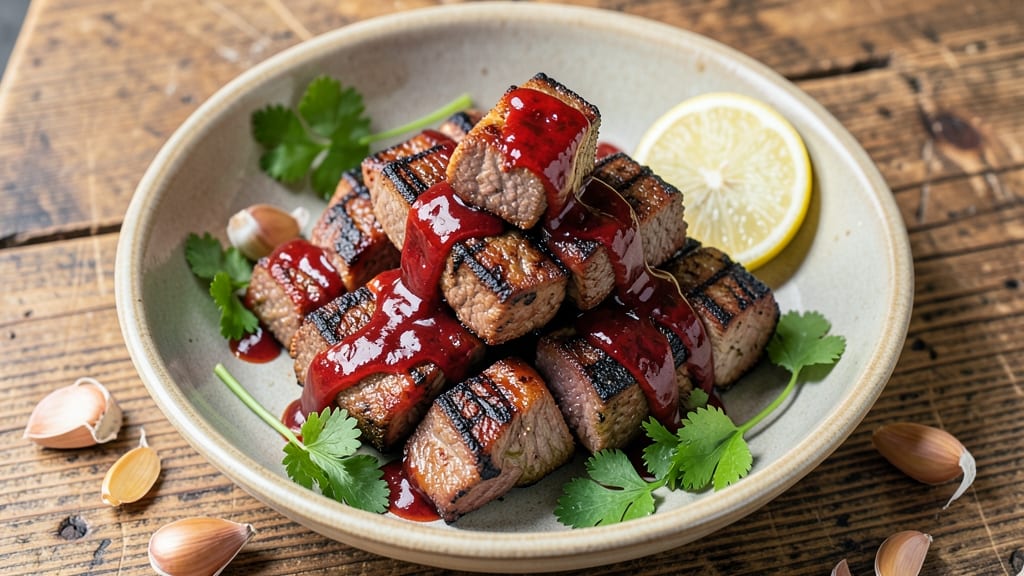
This Armenian beef kabob recipe delivers restaurant-quality skewers with tender meat and bold, charred flavors that transport you straight to Yerevan. The secret lies in a marinade of pomegranate molasses, garlic, and fresh herbs that tenderizes the beef while infusing it with Armenia's signature tangy-sweet profile.
I've perfected this technique over years of testing—no dry, chewy meat here, just melt-in-your-mouth bites that stay juicy even after grilling.
The process starts with a 30-minute marinade that transforms simple beef cubes into flavor bombs, then moves to skewering for even cooking. Traditional Armenian kabobs rely on high-heat grilling or broiling to create those signature charred edges while keeping the interior perfectly tender.
What makes this recipe stand out is the balance of spices—smoky paprika, earthy cumin, and bright lemon—that complement the pomegranate's deep fruitiness.
By the time you're done, you'll have skewers that are golden-brown on the outside with juicy, flavorful meat inside—ready to serve with traditional sides like fresh lavash bread or a simple cucumber-tomato salad.
The aroma alone will have everyone gathered around your grill, and the first bite delivers that perfect harmony of smoky, spiced beef with a touch of sweet-tart pomegranate.
This recipe works beautifully for summer gatherings, family dinners, or when you're craving something that feels special without being complicated. Let's get cooking—your taste buds (and dinner guests) will thank you.
Ingredients for armenian beef kabob
Fourteen ingredients for skewers that taste like a Yerevan street corner—bold, charred, and impossibly tender.
| Ingredient | Amount | Notes |
|---|---|---|
| Beef Chuck Roast 🥩 | 1 ½ lb | Cubed into 1.5-inch pieces |
| Pomegranate Molasses 🍇 | ¼ cup | For signature tangy-sweet depth |
| Fresh Garlic Cloves 🧄 | 6 cloves | Minced for aromatic base |
| Fresh Lemon Juice 🍋 | ¼ cup | Brightens the marinade |
| Extra-Virgin Olive Oil 🫒 | ¼ cup | High-quality for richness |
| Smoked Paprika 🌶️ | 1 tbsp | For smoky depth |
| Ground Cumin 🌿 | 1 tsp | Earthy warmth |
| Ground Coriander 🌿 | 1 tsp | Citrusy brightness |
| Fresh Dill 🌿 | ¼ cup | Chopped, for herbal freshness |
| Fresh Parsley 🌿 | ¼ cup | Chopped, for vibrant finish |
| Wooden Skewers 🪵 | 8 whole | Soaked in water for 30 mins |
| Kosher Salt 🧂 | 1 ½ tsp | For seasoning |
| Freshly Ground Black Pepper 🌶️ | ½ tsp | For balance |
| Red Wine Vinegar 🍷 | 1 tbsp | For acidity |
The beef is non-negotiable—chuck roast cuts through the marinade's tang while staying juicy. I always grab mine from Costco or the butcher counter at Whole Foods for the best marbling. Look for pieces that are bright red and well-marbled; avoid anything with grayish edges. Cube it yourself if possible—pre-cut pieces often have uneven sizes that cook inconsistently. Pomegranate molasses? Trader Joe's has the best quality, but any reputable Middle Eastern market will carry it. If you can't find it, grape molasses works in a pinch, though it's less authentic.
No pomegranate molasses? Substitute with 2 tbsp balsamic vinegar plus 1 tbsp honey—it won't be identical, but it'll add that sweet-tart punch. Fresh herbs are ideal, but dried dill at one-third the amount gets you close. The garlic can be pre-minced from a jar (the good stuff, not the sad plastic container kind), but fresh is always better. For the olive oil, Kalamata olive oil adds a fruity note that pairs beautifully, but any extra-virgin will do. The red wine vinegar? Bartles & Jaymes is my go-to for consistency, but store-brand works fine. If you're grilling outdoors, soak those skewers for at least 30 minutes—it prevents them from burning before the meat cooks.
Marinated beef keeps up to 24 hours in the fridge—flavor deepens over time, so plan ahead. Skewer the meat just before cooking to avoid sogginess. These reheat beautifully—toss leftover skewers in a hot skillet for 2-3 minutes to revive the char. Store leftovers in an airtight container with a paper towel to absorb moisture. The marinade itself? Use it to baste the skewers during cooking, or save it for drizzling over grilled vegetables. Freezes for 3 months if you want to prep ahead for a party.
Why You'll Love This Recipe
- Here’s what sold me: this works any night. Toss it on the grill for summer BBQs, pop it in the oven for a lazy Sunday, or even make it ahead for a potluck. The leftovers? Just as good cold in wraps the next day—no one will guess it’s not fresh.
- One-Pan Magic: I swear by this—just cube the beef, toss it in a bowl with pomegranate molasses (that tangy-sweet depth), minced garlic, and a splash of lemon juice. No fancy prep, no extra pans. The olive oil keeps it all slick and caramelized while you sip wine and pretend you’re not cooking.
- Taste Like a Feast: Between us, the pomegranate molasses is the star—it’s where the magic happens. That deep, fruity-sour punch cuts through the richness of the beef, while the garlic and lemon brighten every bite. It’s the kind of flavor that sticks with you, making you reach for seconds before you even realize you’re full.
- Weeknight or Weekend: Here’s what sold me: this works any night. Toss it on the grill for summer BBQs, pop it in the oven for a lazy Sunday, or even make it ahead for a potluck. The leftovers? Just as good cold in wraps the next day—no one will guess it’s not fresh.
Step-by-step instructions for Armenian beef kabobs
Here's how to create restaurant-quality kabobs with perfectly tender beef and bold Armenian flavors.
Marinate the Beef for Maximum Tenderization
In a large bowl, combine the 1.5 lb beef chuck roast cut into 1.5-inch cubes with the 0.25 cup pomegranate molasses, 0.25 cup fresh lemon juice, 0.25 cup extra-virgin olive oil, 1 tbsp smoked paprika, 1 tsp ground cumin, 1 tsp ground coriander, 1.5 tsp kosher salt, 0.5 tsp freshly ground black pepper, and 1 tbsp red wine vinegar. The molasses and vinegar create a perfect balance of sweet and tangy depth that tenderizes the meat while building complex flavor.
Use your hands to massage the marinade into the beef, ensuring every piece is well coated. Transfer to a resealable plastic bag and refrigerate for at least 4 hours—overnight is even better. This long marinating time breaks down the tough muscle fibers, guaranteeing that each skewer delivers melt-in-your-mouth tenderness. The longer it marinates, the more intense the flavor will be.
Prepare the Skewers and Assemble the Kabobs
Soak the 8 wooden skewers in water for 30 minutes to prevent burning during grilling. While they soak, drain the beef from the marinade (reserve the marinade for basting) and thread the cubes onto the skewers, leaving a small gap between each piece. This spacing allows the heat to circulate evenly and prevents the meat from steaming in its own juices.
In a small bowl, finely chop the 0.25 cup fresh dill and 0.25 cup fresh parsley, then mix with 6 minced fresh garlic cloves. This fresh herb and garlic mixture will add vibrant color and aromatic brightness to your kabobs. Brush the skewers lightly with this mixture before grilling, ensuring each piece gets a flavorful coating.
Grill to Perfect Doneness
Preheat your grill to medium-high heat (about 400°F). Place the skewers on the grill and cook for 8-10 minutes, turning occasionally, until the beef reaches medium-rare (an internal temperature of 130-135°F). You'll know they're ready when the edges are beautifully charred and the meat is still slightly pink in the center.
During the last 2 minutes of grilling, baste the skewers with the reserved marinade using a basting brush. This step adds a glossy finish and intensifies the flavors. Don't overcook the beef—it will continue to carryover cook slightly after being removed from the heat. If you prefer your beef more well-done, increase the cooking time by 2-3 minutes but be careful not to dry it out.
Rest and Serve with Fresh Herbs
Transfer the skewers to a cutting board and let them rest for 5 minutes. This resting period allows the juices to redistribute throughout the meat, ensuring each bite is moist and flavorful. While they rest, garnish each skewer with additional chopped fresh dill and fresh parsley for a pop of color and freshness.
Serve the kabobs immediately with warm flatbread, a side of grilled vegetables, or a simple cucumber-yogurt sauce. The combination of tender beef, charred edges, and aromatic herbs creates a dish that's both hearty and elegant. Each bite delivers the perfect balance of smoky, sweet, and tangy flavors that define Armenian cuisine.
Pro Tips For Making Armenian Beef Kabob
- MARINATE LONG, NOT JUST LONG ENOUGH: Chuck roast needs at least 12 hours in the fridge—overnight is better—so the pomegranate molasses and lemon juice can break down those tough fibers. I used to rush this and still ended up with chewy kabobs; the acid and sugar need time to work their magic.
- USE COLD GARLIC: Chop your garlic cloves right before marinating and keep them in the fridge until mixing—this prevents them from turning bitter and ensures they infuse the meat evenly. I learned this the hard way after a batch tasted weirdly sharp.
- SEAR IN BATCHES: Don’t overcrowd the pan when searing the kabobs, or they’ll steam instead of develop that deep crust. Work in two batches if needed, and let the first set get a good brown before adding more—this is the thing that matters most for flavor.
- FINISH WITH LEMON ZEST: Skip the extra lemon juice at the end but add a teaspoon of fresh zest right before serving—it brightens the dish without making it too saucy. Sounds weird, but it works: the citrus oils pop against the smoky, sweet molasses.
Wine and beer pairings for this armenian beef kabob
Armenian Red Wine
Pair your kabobs with a bold Armenian red wine like Ararat Vostan or Ararat Noravank. These wines showcase Armenia's ancient viticulture traditions with notes of dark fruit, spice, and a touch of earthiness that mirror the kabobs' smoky-sweet profile.
The tannins in these wines stand up beautifully to the charred beef while complementing the pomegranate's tartness. 🍷
Crisp White Options
For a lighter pairing, try Armenian white wines such as Ararat Areni or Voskehat White. These wines offer citrusy brightness and mineral notes that cut through the richness of the beef.
The acidity in these wines refreshes your palate between each smoky, spiced bite. I love serving these with a side of grilled vegetables for a complete meal.
Beer Pairings
For beer lovers, a Belgian witbier like Stella Artois or a German Helles works wonderfully. The subtle citrus and spice notes in these beers enhance the kabobs' herbaceous flavors without overpowering them. If you prefer something darker, a German Dunkel with its malty sweetness complements the pomegranate molasses beautifully.
Non-Alcoholic Options
Don't overlook refreshing non-alcoholic pairings. A sparkling pomegranate lemonade made with pomegranate juice, fresh lemon juice, and sparkling water mirrors the kabobs' signature flavors.
For something more savory, try a cucumber-mint infused water with a splash of red wine vinegar—it's crisp and cleansing, perfect for balancing the rich meat.
Traditional Armenian Pairings
For an authentic experience, serve with Armenian lavash bread and a side of tan (a yogurt-based cucumber salad). The bread soaks up any juices, while the tan's tangy freshness provides a perfect contrast to the smoky beef.
This combination is a staple in Armenian feasts and works beautifully with your kabobs.
Dessert Wine Harmony
If you're serving a dessert like baklava or fresh fruit, finish with a sweet Armenian dessert wine such as Ararat Muscat. The honeyed notes of the wine complement the kabobs' lingering spice and sweetness, creating a harmonious end to your meal.
A small glass goes a long way in tying the entire dining experience together. 💫
Nutrition facts
Frequently asked questions
Can I use chicken or lamb instead of beef for these kabobs?
This recipe works beautifully with chicken thighs (bone-in for extra flavor) or lamb leg. For chicken, marinate for 2-3 hours and grill at medium heat for 6-8 minutes per side. Lamb requires 45-60 minutes of marinating and cooks best at medium-high heat for 10-12 minutes per side. Adjust cooking times based on thickness.
What's the best way to keep the kabobs from falling apart on the skewers?
Use soy sauce or olive oil to coat the skewers before threading the meat—this creates a slight barrier. Also, alternate pieces with bell pepper strips or onion chunks to help stabilize the meat. For extra security, thread a small piece of bacon between beef cubes, as the fat helps hold everything together while adding flavor.
How do I make these kabobs on a stovetop if I don't have a grill?
Use a cast-iron skillet or grill pan on medium-high heat. Cook the skewers for 3-4 minutes per side until charred and cooked through. For extra smokiness, place a metal tray with hot coals on the stovetop next to the pan (safely!) to create indirect heat. Baste with marinade as usual for that restaurant-quality finish.
Can I make these kabobs ahead of time?
Marinated beef keeps for 24 hours in the fridge, but assemble skewers only 30 minutes before cooking to prevent sogginess. Cooked kabobs reheat best in a hot skillet for 2-3 minutes or under the broiler for 3-4 minutes. Store leftovers in an airtight container with a paper towel to absorb moisture. The flavors actually improve overnight!
What's the secret to getting that perfect char without burning the meat?
Preheat your grill to medium-high heat (not too hot!) and let the beef sear undisturbed for 2-3 minutes per side before moving. Use metal skewers instead of wood if you're worried about flare-ups. For indoor cooking, place skewers on the outer ring of the pan where heat is hottest, then move them inward as they char. A basting brush helps too—keep the meat moist while building flavor.