
Sauces & Condiments
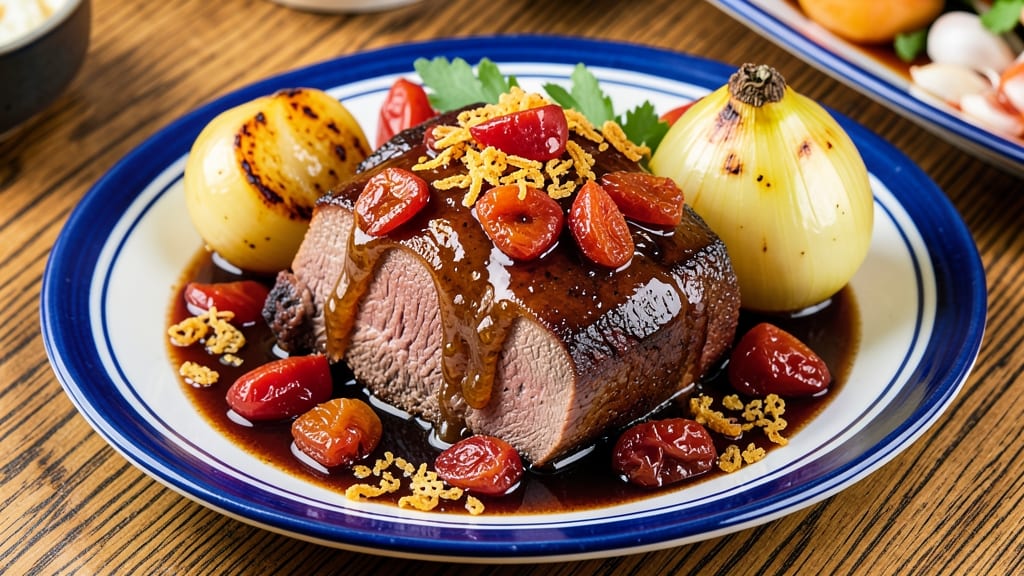
This apricot glazed corned beef recipe transforms a classic dish into something extraordinary with its caramelized sweet-tart glaze that clings to every bite. 🌟 The secret lies in slow-braising the beef until fork-tender, then finishing with a reduced apricot sauce that balances rich, savory flavors with natural fruit sweetness—no artificial ingredients needed.
What makes this recipe stand out is the perfect harmony of traditional techniques and modern twists, ensuring restaurant-quality results at home.
The process begins with a foolproof slow-cooking method that guarantees tender meat, followed by a pan-seared finish for deep caramelization. The apricot glaze isn’t just a topping—it’s a flavor enhancer that cuts through the richness of the beef while adding a subtle tang.
This dish is ideal for special occasions or cozy weeknights when you want to impress without spending hours in the kitchen.
By the time you serve this, you’ll have juicy, fall-apart corned beef bathed in a glossy glaze that’s sticky, sweet, and just slightly tart—a perfect balance that elevates the dish beyond typical brisket or pastrami.
The glaze caramelizes beautifully on the bone, making every bite worth savoring. Pair it with roasted potatoes, cabbage, or crusty bread to complete the meal.
Whether you're hosting a holiday feast or craving a comforting meal, this recipe delivers restaurant-quality results with minimal effort. The slow-cooking process ensures tender meat, while the apricot glaze adds a touch of elegance that turns a simple dish into a showstopper. Let’s get cooking!
Ingredients for apricot glazed corned beef
Sixteen ingredients transform traditional corned beef into restaurant-quality sweet-tart perfection.
| Ingredient | Amount | Notes |
|---|---|---|
| Corned Beef Brisket 🥩 | 4 lb | High-quality, well-marbled cut |
| Dried Apricots 🍑 | 1 ½ cups | Chopped, unsulfured preferred |
| Red Wine 🍷 | 1 ½ cups | Bold dry variety like Cabernet |
| Beef Broth 💧 | 2 cups | Low-sodium preferred |
| Yellow Onion 🧅 | 1 whole | Chopped, medium size |
| Garlic Cloves 🧄 | 6 cloves | Minced, fresh preferred |
| Honey 🍯 | ½ cup | Wildflower or clover variety |
| Apple Cider Vinegar 🍏 | ¼ cup | For tangy depth |
| Fresh Ginger 🌿 | 1 tbsp | Grated, fresh preferred |
| Bay Leaves 🌿 | 2 whole | Dried, standard size |
| Black Peppercorns 🌶️ | 1 tbsp | Crushed, freshly ground |
| Allspice Berries 🌶️ | ½ tsp | Crushed, whole berries |
| Salt 🧂 | 2 tsp | Diamond Crystal preferred |
| Unsalted Butter 🧈 | ½ cup | Cold, cubed for finishing |
The corned beef cut is non-negotiable—brisket delivers the best texture when slow-cooked to fork-tender perfection. Whole Foods or local butcher shops carry the highest-quality cuts with optimal marbling. If you're using a pre-packaged brisket, check the packaging for at least 15% fat content—this ensures juiciness. For the dried apricots, Trader Joe's or specialty markets offer unsulfured varieties that elevate the glaze's natural sweetness. The red wine should be bold and dry, like a Cabernet Sauvignon or Merlot—avoid sweet varieties that will overpower the dish.
No red wine? Substitute with additional beef broth and a splash of balsamic vinegar—it mimics the acidity beautifully. Fresh ginger is ideal, but ground ginger at half the amount works in a pinch. For the honey, local wildflower varieties add subtle floral notes, but any high-quality honey will suffice. The allspice berries are crucial for that warm, slightly peppery depth—if unavailable, cinnamon and cloves combined can substitute, though the flavor profile will differ slightly. The butter for finishing should be cold and cubed—this creates the perfect caramelized crust when seared.
This recipe reheats beautifully—simmer gently for 10-15 minutes to revive the glaze. Store leftovers in an airtight container for up to 5 days, or freeze for 3 months by portioning into individual servings. The glaze thickens as it cools, so reheat with 1-2 tbsp of water if it becomes too stiff. For meal prep, assemble the dish ahead of time and refrigerate until ready to cook—this allows flavors to meld even further.
Why You'll Love This Recipe
- One-Pot Magic: I swear by this recipe because it’s one pan, zero fuss—just toss in the brisket, onions, and broth, then let the apricot glaze do the work. No chopping mountains of veggies or monitoring multiple pots; the red wine and dried apricots caramelize right into that sticky-sweet glaze while you sip your coffee.
- Sweet-Savory Balance: Between us, the combo of salty corned beef and jammy apricots is ridiculously good—like a cross between a pub classic and a dessert. The red wine adds depth, but the dried fruit softens into a luscious glaze that clings to every bite, making it taste like you slaved over it for hours (spoiler: you didn’t).
- Leftovers That Shine: This dish actually improves the next day. The flavors meld into something even richer, and the glaze thickens just enough to drizzle over toast or crackers. Honestly, I make it on Sundays just so I can have "fancy" leftovers all week—no one needs to know it’s repurposed.
- Budget-Friendly Feast: A whole brisket feeds a crowd for less than takeout, and the dried apricots stretch the flavor without breaking the bank. I’ll be real: my grocery bill drops when I batch this, and the red wine adds a touch of elegance without requiring a fancy bottle. Plus, the beef broth? That’s the secret to turning cheap cuts into something special.
Step-by-step instructions for apricot glazed corned beef
Transform tough brisket into melt-in-your-mouth perfection with this sweet-tart glaze that caramelizes beautifully on the bone.
🔥 Step 1: Parboil the Corned Beef Brisket
Place the 4 lb corned beef brisket in a large stockpot and cover it completely with cold water. Bring to a boil over high heat, then immediately reduce to a gentle simmer. This initial boil removes surface impurities and helps the meat cook evenly. Skim off any foam that rises to the surface during the first 5 minutes of simmering.
Simmer the brisket for 2 hours, maintaining a barely bubbling surface. You'll know it's ready when the meat is fork-tender and pulls apart easily along the grain. The brisket should have reduced in size but remain moist throughout. Drain the brisket and set it aside on a plate, reserving 2 cups of the cooking liquid for the glaze later.
🍳 Step 2: Build the Apricot Glaze Base
In a large saucepan, combine the 1.5 cups chopped dried apricots, 1.5 cups red wine, and 2 cups beef broth reserved from the brisket. Bring to a boil over medium-high heat, then reduce to a gentle simmer. Let it cook uncovered for 15 minutes until the liquid reduces by about one-third and the apricots soften slightly.
Add the chopped yellow onion, minced garlic cloves, grated fresh ginger, crushed black peppercorns, and crushed allspice berries. Stir well and simmer for another 10 minutes until the onions are translucent and the mixture thickens slightly. The aroma should be rich and complex—sweet from the apricots, tangy from the wine, and warm from the spices.
🥘 Step 3: Thicken and Sweeten the Glaze
Stir in the 0.5 cup honey and 0.25 cup apple cider vinegar, bringing the mixture to a gentle simmer again. Let it cook uncovered for 10-12 minutes, stirring occasionally, until the glaze thickens to a syrup-like consistency—it should coat the back of a spoon but still be pourable. The color should deepen to a rich amber, indicating caramelization.
Taste and adjust seasoning with 2 tsp salt if needed. The glaze should balance sweet, tart, and savory flavors. Remove from heat and stir in the 2 whole bay leaves, which will infuse subtle aromatic notes during the final cooking stage.
🔥 Step 4: Braise the Brisket in Glaze
Return the simmered brisket to the saucepan with the glaze. Add enough water to just cover the meat—about 1-2 cups—then bring to a gentle simmer over low heat. Cover the pan with a tight-fitting lid and braise for 2-3 hours, turning the brisket occasionally, until it's fork-tender and the glaze has reduced to a thick, glossy coating. The internal temperature should reach 200-205°F for maximum tenderness.
Here's the thing—don't rush this step. The long, slow braise ensures the meat becomes fall-apart tender while the glaze clings beautifully to every surface. If the glaze reduces too quickly, add small amounts of water or broth to maintain the liquid level.
⏰ Step 5: Finish with Butter and Rest
Remove the brisket from the glaze and transfer it to a cutting board. Let it rest for 15 minutes before slicing—this allows the juices to redistribute and ensures every bite is moist. While it rests, return the glaze to the saucepan and stir in the 0.5 cup cold unsalted butter, cubed. Simmer gently for 2-3 minutes until the butter melts and the glaze becomes silky and glossy. The butter adds richness and helps create a beautiful sheen.
Slice the brisket against the grain into ¼-inch thick pieces and arrange on a platter. Spoon the apricot glaze generously over the top, drizzling it over the slices and around the edges. Serve immediately with crusty bread or roasted vegetables to soak up every last drop of that luscious glaze.
Pro Tips For Making Apricot Glazed Corned Beef
- Sear the Brisket First: Hit that corned beef with a screaming-hot pan for 3-4 minutes per side before braising—it’s the only way to get that deep, caramelized crust that holds up through the long cook. I used to skip this, and the meat always felt too soft, like it needed more structure. Trust me, the extra 10 minutes now saves you from dryness later.
- Chop Apricots Small: Cut those dried apricots into ¼-inch pieces, not thick slices—this ensures they soften evenly and blend into the glaze instead of staying chewy. I learned this the hard way when I lazy-chopped them and ended up with texture issues. A sharp knife and a few extra minutes here make the glaze silky.
- Deglaze with Wine Early: After searing the onions, pour in that red wine immediately while the pan is still hot—this pulls up all the fond (browned bits) for richer flavor. Let it reduce by half before adding broth, or you’ll dilute the sauce too soon. This isn’t just flavor; it’s the backbone of your glaze.
- Check Internal Temp Twice: Use a meat thermometer and pull the brisket at 195°F—not 203°F. It’ll keep rising 5-10 degrees while resting, and overcooking turns it tough. Wrap it in foil for the last 30 minutes of cooking if it’s not hitting temp fast enough; this keeps it moist without steaming it to mush.
Flavor customization for apricot glazed corned beef
Sweet Heat Balance
Adjust the sweet-tart ratio by adding 1-2 tbsp of chili powder or ½ tsp cayenne pepper to the glaze for a smoky kick. For a milder heat, swap ½ cup of the honey for ½ cup of apricot jam—it adds depth without overpowering.
I love balancing the glaze with fresh lime zest at the end for a bright citrus note that cuts through the richness. 🌶️
Fruit Variations
Swap dried apricots for dried plums (prunes) for a deeper, jammy glaze or dried cherries for a tart, fruity twist. For a tropical vibe, use dried mango chunks and add 1 tsp ground cardamom to the spice blend.
Each fruit changes the flavor profile—plums add richness, cherries bring tang, and mango offers a bright sweetness.
Spice Depth
Boost warmth with ½ tsp ground cinnamon or ¼ tsp ground cloves during the glaze reduction. For a smoky depth, add 1 tsp smoked paprika or a ½-inch piece of fresh ginger (extra for boldness).
I often toast the spices lightly in a dry pan before adding them to the glaze—this intensifies their flavors and adds a nutty aroma. 🌿
Umami Boost
Enhance the savory base by adding 1 tbsp soy sauce or 1 tsp fish sauce (trust me, it blends beautifully) to the glaze during the final reduction.
For a vegetarian option, use 1 tbsp mushroom powder or a splash of balsamic vinegar instead. These additions deepen the umami without overpowering the fruit's natural sweetness.
Herb Freshness
Finish the glaze with 1 tbsp fresh thyme leaves or 2 sprigs of rosemary (removed after infusing) for an aromatic touch. For a brighter profile, stir in 1 tbsp chopped fresh parsley or cilantro at the end.
Herbs add freshness that balances the richness, especially when paired with the buttery finish.
Nutrition facts
Frequently asked questions about apricot glazed corned beef
Can I use fresh apricots instead of dried?
Fresh apricots won't work the same way—they contain too much water and won't reduce properly to create a thick glaze. For a similar effect, try apricot jam (½ cup) mixed with 2 tbsp water to thin it, or use dried apricots as called for. The dried fruit concentrates the sweetness and texture needed for the perfect caramelized coating.
How do I know when the corned beef is fully tender?
The meat should be fork-tender and pull apart easily along the grain with minimal resistance. Test by inserting a fork into the thickest part—if it slides in like butter, it's ready. The internal temperature should reach 200-205°F for maximum tenderness. Overcooking can make it dry, so remove it just before it reaches this temp if needed.
What's the best way to reheat leftovers?
Gently reheat in a skillet over low heat with 1-2 tbsp of water or beef broth to prevent drying. Cover and simmer for 5-7 minutes, basting occasionally. For oven reheating, wrap in foil with a splash of liquid and bake at 300°F for 15 minutes. Never microwave—it'll make the glaze rubbery and the meat tough.
Can I make this recipe in a slow cooker?
Yes! Parboil the brisket first, then place it in the slow cooker with the glaze ingredients. Cook on low for 6-8 hours or high for 4-5 hours, adding water as needed to keep the meat submerged. The slow cooker method works especially well for the tenderizing process, though you may need to reduce the glaze separately on the stovetop afterward for thickness.
Why did my glaze turn out too thin?
This usually happens if the liquid wasn't reduced enough or too much broth/water was added during cooking. For next time, simmer uncovered more frequently to evaporate excess liquid, or reduce the glaze separately on high heat until it thickens to a syrup-like consistency. A splash of cornstarch slurry (1 tsp cornstarch + 1 tbsp water) can also help thicken it quickly.