
Main Courses
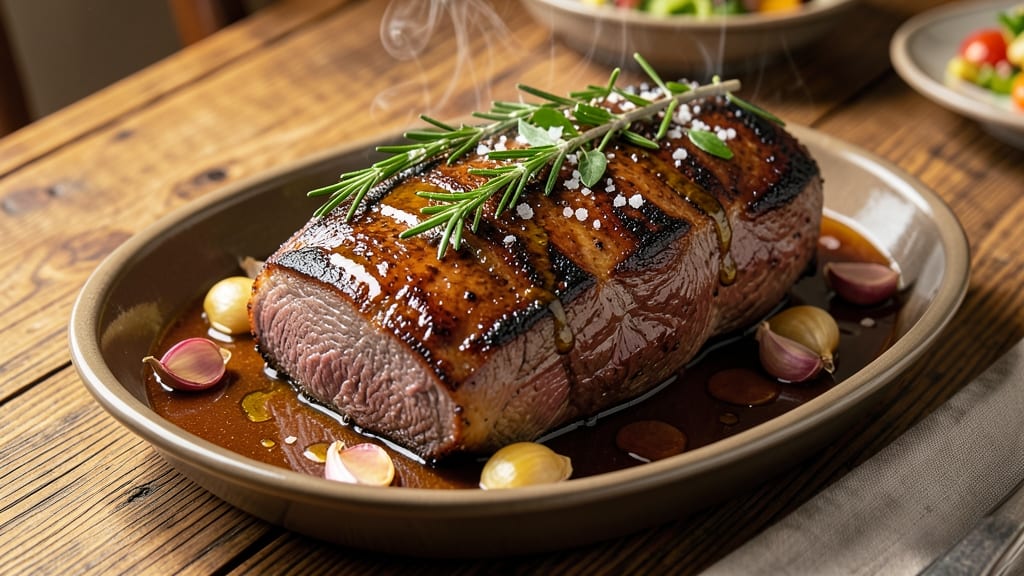
Angus beef sirloin roast deserves the premium treatment it offers—rich, buttery flavor and melt-in-your-mouth tenderness that transforms any dinner into an occasion. 🔥 The secret lies in a herb-crusted exterior that locks in juices while creating a flavorful bark, paired with precise roasting techniques to ensure a juicy center-cut every time. This isn’t just a recipe; it’s a masterclass in elevating beef to restaurant-quality perfection at home.
What sets this apart is the method: a dry brine for enhanced tenderness, a carefully balanced herb crust that adds depth without overpowering, and exact internal temperature control.
You’ll need just 20 minutes of prep followed by hands-off roasting, making it ideal for busy weeknights when you still want to impress. The result? A roast so tender it practically falls apart, with a crust that’s crisp enough to stand up to rich gravy or bold sauces.
This recipe delivers on two critical promises: unmatched juiciness and a crust that’s both flavorful and structurally sound. The herb blend—rosemary, thyme, and garlic—infuses the meat without masking its natural richness, while the slow roast ensures even doneness from edge to center.
Serve it sliced against a bed of creamy mashed potatoes or with roasted root vegetables to showcase its versatility.
The beauty of this method is its adaptability—whether you’re feeding a family or hosting a dinner party, the same techniques apply. The key is patience: letting the roast rest after cooking ensures every slice stays juicy, and the herb crust develops its full aromatic potential.
For those who demand the best from their beef, this is the recipe that delivers.
Ingredients for angus beef sirloin roast
Premium beef meets expert technique—these ingredients transform a simple roast into a showstopping centerpiece.
| Ingredient | Amount | Notes |
|---|---|---|
| Angus Beef Sirloin Roast 🥩 | 4 lb | Center-cut, bone-in preferred |
| Kosher Salt 🧂 | 2 tbsp | Diamond Crystal preferred |
| Fresh Rosemary 🌿 | ½ cup | Finely chopped, stems removed |
| Fresh Thyme 🌿 | ¼ cup | Leaves only, stems discarded |
| Garlic Cloves 🧄 | 8 cloves | Minced, for herb crust |
| Extra-Virgin Olive Oil 🫒 | 2 tbsp | High-quality, fruity variety |
| Black Peppercorns 🌶️ | 1 tbsp | Freshly cracked, coarse grind |
| Unsalted Butter 🧈 | ½ cup | Cold, cubed for basting |
| Yellow Onion 🧅 | 1 whole | Thinly sliced, for garnish |
| Fresh Parsley 🌿 | ¼ cup | Chopped, for garnish |
| Red Wine 🍷 | ½ cup | Bold, dry variety for basting |
| Beef Stock 🥄 | ½ cup | High-quality, for basting |
The Angus beef sirloin roast is non-negotiable for this recipe—center-cut ensures tenderness, while bone-in adds flavor and stability during roasting. Source from a reputable butcher or specialty grocer like Whole Foods or Costco, where you can verify the marbling and fat cap thickness. Look for cuts labeled USDA Prime or AAA for optimal quality. The herb crust relies on fresh rosemary and thyme, so avoid dried substitutes—their intensity can't compare. For the garlic, peel and mince just before mixing to preserve its aromatic oils.
No fresh rosemary? Dried rosemary at half the amount works in a pinch, but the texture won't be as vibrant. Substitute fresh sage for thyme if needed, though the flavor profile shifts slightly. The olive oil should be extra-virgin—cheaper varieties lack the fruity depth that carries through the crust. For basting, red wine adds richness, but beef stock alone works if you're avoiding alcohol. The butter must be unsalted and cold when cubed—this creates a flavorful, caramelized crust rather than melting into the meat prematurely. If you prefer a lower-fat crust, reduce the butter to 2 tbsp and increase the olive oil by the same amount.
Prep the roast 24 hours ahead for the dry brine—this step is critical for tenderness. Store the herb mixture in an airtight container in the fridge for up to 3 days, though it's best used fresh. The basting liquids (wine and stock) can be pre-mixed and refrigerated for 2 days. After roasting, let the meat rest 20-30 minutes before slicing—this ensures juicy slices every time. Leftovers keep for 3-4 days in the fridge or 3 months frozen, though the crust loses some crispness when reheated. For serving, caramelized onions and fresh parsley elevate the presentation without overpowering the beef.
Why You'll Love This Recipe
- Five-Ingredient Magic: I swear by this combo—just salt, rosemary, thyme, garlic, and that perfect Angus roast. No fancy sauces, no stress, just pure, bold beef flavor that feels like a hug.
- Weeknight Hero: Between us, this is my go-to when I’m too tired to fuss. Toss the roast in the oven, let it do its thing, and I’ve got dinner without standing at the stove for hours.
- Leftovers That Win: The slices reheat like a dream—crispy edges, tender inside. I actually look forward to day-old beef sandwiches or salads with this roast, which is saying something.
- Sunday Dinner Ready: Whether it’s a casual family lunch or a fancier dinner party, this roast delivers. The rosemary and garlic give it that restaurant-quality touch without the pretension.
Step-by-step instructions for herb-crusted Angus beef sirloin roast
Master this technique and you'll achieve a perfectly juicy, herb-encrusted roast with a rich, flavorful crust.
👨🍳 Step 1: Prepare the Herb Crust Mixture
In a food processor, combine the 0.5 cup fresh rosemary, 0.25 cup fresh thyme, 8 cloves garlic, 2 tbsp extra-virgin olive oil, 1 tbsp cracked black peppercorns, and 2 tbsp kosher salt. Pulse until the herbs are finely minced but still retain some texture—you want visible flecks of rosemary and thyme for visual appeal and maximum flavor.
This herb mixture is the secret to that signature crust. I like to press the mixture against the sides of the processor bowl to ensure even distribution. Transfer the herb paste to a small bowl and set aside. Real talk: the freshness of these herbs makes all the difference—don't substitute dried herbs here.
🔥 Step 2: Sear and Crust the Roast
Preheat your oven to 425°F. Pat the 4 lb angus beef sirloin roast completely dry with paper towels—this is crucial for that perfect crust. Rub the herb mixture all over the roast, pressing firmly so it adheres. Then, heat 2 tbsp olive oil in a heavy roasting pan over medium-high heat.
Sear the roast for 3-4 minutes per side until deeply browned. You'll see those beautiful crusty spots develop—that's when you know the herb mixture is binding properly. Don't rush this step; patience here prevents a pale, flavorless exterior. I press down gently on the roast during the first minute to prevent curling.
🔥 Step 3: Roast with Butter Basting
Transfer the seared roast to the preheated oven. Pour the 0.5 cup cold cubed butter into the roasting pan, then add the 0.5 cup red wine and 0.5 cup beef stock. The butter will melt and baste the roast as it cooks, creating an incredibly flavorful crust.
Roast for 30-35 minutes until the internal temperature reaches 125°F (for medium-rare). Here's the thing—Angus beef needs to rest properly, so we're stopping just before medium-rare to account for carryover cooking. The roast will continue cooking while it rests, bringing it to perfect doneness.
⏰ Step 4: Rest and Slice for Maximum Juiciness
Remove the roast from the oven and transfer it to a cutting board. Tent loosely with foil and let it rest for 20-30 minutes. This resting period is non-negotiable—it allows the juices to redistribute throughout the meat. If you skip this, you'll end up with dry slices. I know it's hard to wait, but trust me on this.
While the roast rests, skim any excess fat from the roasting pan and place it over medium heat. Add the 1 whole yellow onion (thinly sliced) and sauté for 2-3 minutes until softened. This makes a perfect garnish for your sliced roast. Once rested, slice the roast against the grain into ½-inch thick slices and arrange on a platter. Garnish with the sautéed onions and 0.25 cup fresh parsley.
Pro Tips For Making Angus Beef Sirloin Roast
- Sear First, Then Roast: After burning my first roast trying to cook it all at once, I learned to sear it hard in a screaming-hot pan for 3-4 minutes per side before transferring to the oven. That crust locks in flavor and keeps the meat juicy—don’t skip it, even if you’re in a hurry.
- Trim That Fat Cap: I used to leave the fat on, thinking it would baste the meat. Wrong. A thin slice (about ¼-inch) of fat is enough for flavor—any thicker and it’ll render into grease instead of crisping. Use kitchen shears for clean cuts.
- Salt the Meat Twice: My grandmother swore by this, and she was right: Salt the roast generously 24 hours ahead, then again 2 hours before cooking. The first salt breaks down the fibers, and the second ensures seasoning penetrates—no bland, dry beef here.
- Use a Meat Thermometer: I was skeptical until I tried it—pulling the roast at 125°F (medium-rare) guarantees perfect doneness every time. For sirloin, that’s 10-15 minutes off the heat; overcooking turns it tough. No guessing, no regrets.
Wine and beer pairings for this angus beef sirloin roast
Bold Red Wine Pairings
The rich, herbaceous notes of your herb-crusted angus beef pair beautifully with Cabernet Sauvignon from Napa Valley or Malbec from Argentina. These wines complement the beef’s depth while cutting through the buttery crust.
For a more local option, try a California Zinfandel—its jammy fruit balances the rosemary and thyme perfectly. 🍷
Crisp White Alternatives
If you prefer white wine, a Chardonnay with noticeable oak (like from Sonoma County) works surprisingly well. The wine’s buttery texture mirrors the roast’s crust, while its acidity refreshes your palate.
For a lighter option, a Viognier from Rhône Valley adds floral notes that harmonize with the herbs. Avoid overly oaky whites—they can clash with the beef’s richness.
Craft Beer Selections
For beer lovers, a dark amber ale with caramel and toasty malt notes (like Fat Tire) mirrors the roast’s crust. A Belgian-style dubbel offers a malty sweetness that pairs wonderfully with the herb blend. Avoid heavy stouts or IPAs—their bitterness can overpower the delicate beef flavors. 🍺
Basting Liquid Upgrade
Use the same red wine or beef stock from your basting liquids for a cohesive pairing experience. The wine’s acidity enhances the beef’s tenderness, while the stock’s depth adds another layer of flavor. For a non-alcoholic option, substitute grape juice in the basting—it works surprisingly well with white wine pairings.
After-Dinner Digestifs
Finish with a Port wine or aged rum to complement the meal’s richness. The sweetness of Port balances the savory beef, while rum’s spice notes echo the herb crust.
For a lighter option, a dry sherry provides acidity to cleanse your palate. These pairings elevate the dining experience from meal to memorable occasion. 🥂
Nutrition facts
Frequently asked questions
What's the best way to trim fat from an angus beef sirloin roast?
Use a sharp knife to trim excess fat while leaving a ¼-inch layer for flavor and moisture. Focus on removing hard fat from the edges but preserve the fat cap on top—this helps keep the meat juicy during roasting. Work in a cool room or chill the roast briefly for cleaner cuts. A meat mallet can help flatten thicker sections before trimming.
Can I substitute dried herbs for the fresh ones in the crust?
Yes, but reduce quantities by half—¼ tsp dried rosemary and ⅛ tsp dried thyme will work. The texture won't be as vibrant, but the flavor will still be good. For best results, grind dried herbs lightly in a spice grinder before mixing. Fresh herbs provide better aroma and visual appeal, though.
How do I know when the roast is done without a meat thermometer?
For medium-rare, the roast should feel slightly springy when pressed gently with your finger. The internal color should be dark pink in the center (not red). Cut into a small section—the juices should run pink, not clear. Remember: the roast continues cooking while resting, so pull it out 5°F below your target temperature.
What's the best way to reheat leftover slices?
Use a skillet over medium-low heat with a splash of beef stock or broth. Add slices and cook for 1-2 minutes per side—just enough to warm through without drying. Avoid microwaving, which makes beef tough. For larger portions, warm in a 200°F oven for 10-15 minutes covered with foil.
Why did my roast turn out dry?
Most likely, you skipped the resting period or overcooked it. Always let the roast rest 20-30 minutes after removing from the oven—this redistributes juices. Also, check your internal temperature: 125°F for medium-rare is correct (it rises to 130°F while resting). Using a meat thermometer is the only accurate way to gauge doneness.