
Main Courses
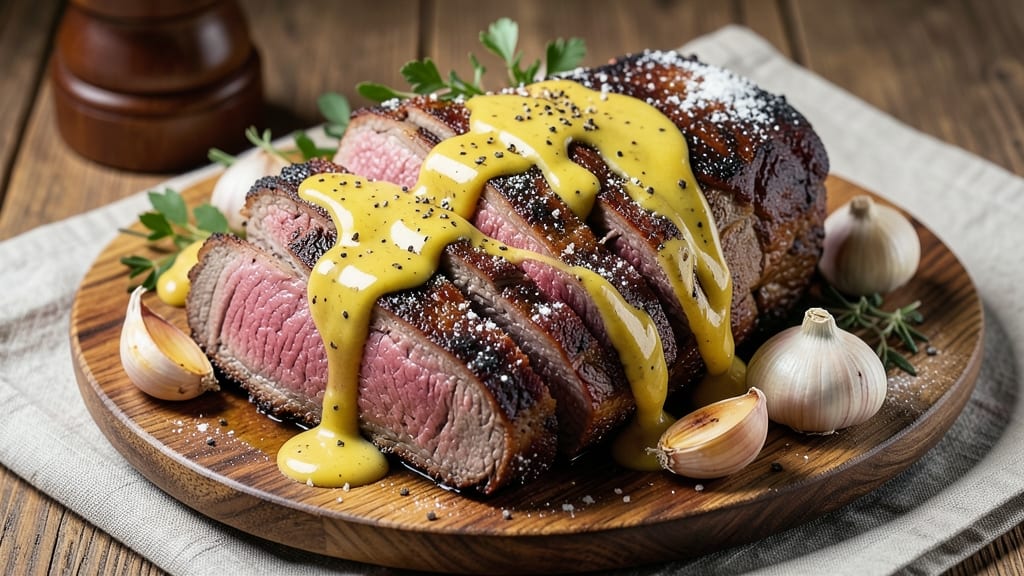
This Amish roast beef recipe delivers melt-in-your-mouth tenderness with a rich, savory gravy that makes every bite unforgettable. The secret lies in slow-cooking tough cuts like chuck roast until they practically fall apart, a technique perfected by Amish cooks who valued patience and simplicity over shortcuts.
What sets this recipe apart is the balance of bold spices—black pepper, mustard, and garlic—that create a crust while keeping the meat impossibly tender inside.
The process is straightforward but requires time, which is exactly why the results are so exceptional. You'll start with a simple dry rub of salt, pepper, and mustard, then let the beef slow-cook in its own juices until fork-tender.
The Dutch oven or oven-braised method ensures even cooking and maximum flavor development, transforming tough cuts into something restaurant-worthy. This is the kind of dish that tastes even better the next day, making it perfect for meal prep or holiday gatherings.
By the time you're done, you'll have perfectly tender beef that shreds easily, all coated in a rich, velvety gravy made from the cooking juices.
The aroma alone will have everyone gathering at the table, and the texture—crisp edges with a melt-in-your-mouth center—is exactly what makes this recipe worth the wait. Serve it with mashed potatoes, pickled vegetables, or crusty bread to soak up every last bit of that savory gravy.
Whether you're feeding a family or preparing for a special occasion, this Amish roast beef delivers comfort food at its finest. The simplicity of the ingredients doesn't mean sacrificing flavor—in fact, it enhances the natural richness of the beef.
Let's get started on a dish that will become a staple in your home.
Ingredients for amish roast beef
Six ingredients transform tough beef into melt-in-your-mouth perfection—no shortcuts, just patience and flavor.
| Ingredient | Amount | Notes |
|---|---|---|
| Chuck Roast 🥩 | 4 lb | Well-marbled for tenderness |
| Yellow Mustard 🍯 | ½ cup | Dijon for extra flavor |
| Garlic Cloves 🧄 | 6 cloves | Minced for even distribution |
| Kosher Salt 🧂 | 2 tbsp | Diamond Crystal preferred |
| Freshly Ground Black Pepper 🌶️ | 1 tbsp | Coarse grind for texture |
| All-Purpose Flour 🌾 | ¼ cup | For gravy thickening |
| Beef Broth 💧 | 2 cups | Low-sodium preferred |
| Olive Oil 🫒 | 2 tbsp | For Dutch oven searing |
| Fresh Rosemary 🌿 | 1 sprig | For aromatic depth |
| Fresh Thyme 🌿 | 2 sprigs | Leaves only, finely chopped |
| Onion 🧅 | 1 whole | Yellow, diced for base |
| Carrots 🥕 | 2 whole | Baby carrots work too |
| Celery Stalks 🥬 | 2 whole | Diced for classic mirepoix |
The beef is everything here. Chuck roast is the secret—it's tougher but breaks down beautifully when slow-cooked. Look for good marbling at Costco or your butcher shop; the more fat, the more flavor. If you can't find chuck, bottom round works in a pinch. The mustard isn't just for flavor—it helps tenderize the meat and creates that signature crust. Grab Dijon-style from the fancy jar at Whole Foods if you're feeling fancy, but the yellow stuff from the regular store works too. Fresh garlic and herbs? Trader Joe's has great prices on those little bundles—buy extra, you'll want them for other dishes.
No Dijon mustard? Regular yellow plus a pinch of sugar gets you close. Fresh herbs wilt fast, so if you're prepping ahead, dried thyme at half the amount saves the day. The beef broth can be homemade (simmer beef bones with veggies) or store-bought—just check the sodium. The mirepoix (onion, carrots, celery) is classic for a reason: it builds sweetness and depth. Use whatever veggies you've got—frozen works in a pinch, just thaw and drain first. And that flour? Don't skip it—it's what turns the cooking juices into that rich, velvety gravy everyone will beg for seconds of.
This dish tastes even better the next day—make extra. Store leftovers in the fridge for 4-5 days or freeze for 3 months in airtight containers. The gravy thickens as it cools, so add a splash of broth when reheating. For meal prep, portion the beef and gravy separately—reheat them together for maximum flavor. And if you've got crusty bread or mashed potatoes on hand, you're golden. This keeps well enough that I often make it on Sundays for the week ahead.
Why You'll Love This Recipe
- Five-Ingredient Magic: I swear, this recipe only needs five things—and three of them are already in your pantry. Chuck roast? That’s the affordable cut that forgives mistakes. Slather it with mustard and garlic, sprinkle salt and pepper, and let the oven do the rest. No fancy prep, no stress.
- Crispy-Creamy Perfection: The mustard crust cracks into golden flakes while the inside stays juicy and tender. That garlic punch? It’s subtle but there—like a warm hug for your taste buds. Honestly, the first bite makes me close my eyes.
- Weeknight or Sunday Feast: Toss it on the table for a quick dinner or double the batch for a potluck. It’s hearty enough for a family of six but simple enough to make on a Tuesday. My daughter even asks for it when she’s sick—(yes, even on a Tuesday night).
- Leftovers That Don’t Suck: This roast actually tastes better the next day. Shred it for sandwiches, slice it for salads, or just reheat it with a splash of broth. Between us, I’ve eaten it cold straight from the fridge—no judgment.
Step-by-step instructions for Amish roast beef
Here's how to make this classic comfort dish with melt-in-your-mouth beef and rich gravy.
Sear the Chuck Roast for Deep Flavor
Pat the 4 lb chuck roast completely dry with paper towels—this helps create that golden crust. Heat 2 tablespoons olive oil in a large Dutch oven over medium-high heat until shimmering. Place the roast in the pan and sear on all sides for 3-4 minutes per side until deeply browned. You're not cooking it through yet—just building flavor.
Real talk: Don't rush this step. You want that beautiful crust that locks in juices during the slow cook. If the pan gets too crowded, work in batches. Once seared, remove the roast and set it aside on a plate.
Build the Classic Vegetable Base
In the same Dutch oven, add 1 whole onion, 2 whole carrots, and 2 whole celery stalks, all diced into ¼-inch pieces. Cook for 5-6 minutes until the vegetables begin to soften and the onion turns translucent. This creates the foundation for your gravy.
Next, add 6 cloves minced garlic, 1 sprig fresh rosemary (leaves only), and 2 sprigs fresh thyme (leaves only). Stir for 30 seconds until fragrant—this releases all those aromatic oils that'll infuse your beef. The rosemary and thyme add that classic Amish herbal depth without overpowering the beef.
Slow-Cook Until Fork-Tender
Return the seared roast to the Dutch oven. Pour in 2 cups beef broth and ½ cup yellow mustard, then sprinkle with 2 tablespoons kosher salt and 1 tablespoon freshly ground black pepper. The mustard adds tangy richness that balances the beef's richness.
Bring everything to a gentle simmer, then reduce heat to low. Cover and cook for 3-3½ hours until the beef is fork-tender. I know it seems like a long time, but this slow cooking transforms tough chuck roast into melt-in-your-mouth perfection. Check occasionally to ensure there's always some liquid in the pot.
Thicken the Gravy
Once the beef is tender, remove it from the pot and set it aside. Strain the cooking liquid through a fine-mesh sieve into a bowl to remove any herbs or vegetable bits. Return the liquid to the Dutch oven and whisk in ¼ cup all-purpose flour to thicken the gravy.
Cook over medium heat for 3-5 minutes, stirring constantly, until the gravy thickens enough to coat the back of a spoon. Taste and adjust seasoning—you might need a little more salt or pepper. The gravy should be rich but not gluey, clinging beautifully to each bite of beef.
Rest and Serve with Confidence
Slice the roast against the grain into ¼-inch thick slices. Let the beef rest for 10 minutes before serving—this lets the juices redistribute so every bite stays moist. Spoon the thickened gravy over the sliced beef and serve with crusty bread or mashed potatoes.
This is where all your hard work pays off. The beef should be so tender it practically falls apart, with a rich, savory gravy that ties everything together. The mustard adds just the right tang, while the herbs give it that classic Amish homestyle flavor. Don't skip the resting time—it's what makes the difference between good and extraordinary.
Pro Tips For Making Amish Roast Beef
- SEAR IT FIRST: Chuck roast needs a hard crust to hold up during slow cooking—don’t skip the high-heat sear in a hot Dutch oven. After patting it dry, let it sit in the oven for 5 minutes before adding liquid; this guarantees a deep, caramelized layer that keeps the mustard glaze from sliding off later.
- SMASH THOSE GARLIC CLOVES: I used to just peel and toss garlic cloves into the pan, but they’d float like lazy potatoes. Instead, smash them with the flat side of your knife first—this releases more flavor and ensures they crisp into golden bits instead of turning to mush.
- DON’T RUSH THE MUSTARD: The mustard should simmer slowly with the roast, not boil like a frenzied pot of oatmeal. If it’s bubbling hard, lower the heat and let it work its magic—this keeps it from turning bitter and guarantees a smooth, tangy finish that clings to every bite.
- REST IT UNDER FOIL: After pulling the roast from the oven, tent it with foil and let it sit for 15 minutes before slicing. I learned this the hard way—skipping it means dry, stringy meat, and no one wants that, especially when you’ve put in all this effort.
Storing and reheating this amish roast beef
Fridge Storage
Let your Amish roast beef cool completely before transferring to an airtight container—I use glass Pyrex with snap-on lids for best results. Store in the fridge at 40°F or below for up to 4-5 days.
The flavors actually deepen overnight as the spices meld together, making leftovers taste even better. 💫
Freezer Prep
For long-term storage, portion the beef and gravy separately in freezer-safe bags (leave 1 inch headspace for expansion). Freeze for up to 3 months—the gravy can be reheated separately if needed.
I like using quart-sized bags because they stack neatly in the freezer. Label with the date to track freshness.
Reheating Gravy
To reheat the gravy, pour it into a saucepan over medium-low heat and stir in 2-3 tablespoons beef broth to loosen any thickened spots. Heat until bubbling, then reduce to a simmer for 3-5 minutes—stir constantly to prevent burning.
If it's too thick, add more broth 1 tablespoon at a time. 🔥
Reheating Beef
For the beef, I recommend reheating it in the oven for even results. Place slices on a baking sheet and cover loosely with foil. Heat at 325°F for 15-20 minutes until warmed through.
Alternatively, reheat in a skillet over low heat with a splash of beef broth to keep it moist. Never microwave—it dries out the beef!
Serving Leftovers
Leftovers make an amazing sandwich filling—pile sliced beef onto crusty bread with a smear of mustard and a drizzle of reheated gravy. For a heartier meal, serve over mashed potatoes or egg noodles.
The gravy also freezes well for future meals—just thaw and reheat as directed. This dish is so versatile, you'll find new ways to enjoy it every time. ✨
Nutrition facts
Frequently asked questions
Can I use a different cut of beef instead of chuck roast?
Yes! While chuck roast is ideal for its marbling and flavor, you can substitute with bottom round or brisket. For tougher cuts like round, increase cooking time by 30-45 minutes to ensure tenderness. Just avoid lean cuts like sirloin—they won't become fork-tender with this method.
Why does the recipe call for mustard if it's not a traditional seasoning?
The mustard isn't just for flavor—it's a key Amish technique! The acidity helps tenderize the beef while creating a beautiful crust during searing. Plus, it adds a subtle tang that balances the richness. Traditional Amish cooks often used what they had on hand, and mustard was a pantry staple that worked perfectly with beef.
How do I know when the beef is done without a meat thermometer?
Use the fork test: The beef should be fork-tender with no resistance when pierced. A visual cue is the crust—it should be golden brown and crispy. If you're unsure, cut into a small piece: it should shred easily with minimal pressure. For chuck roast, aim for 203°F internal temp if you have a thermometer.
Can I make this in a slow cooker instead of a Dutch oven?
Brown the beef first in a skillet, then transfer everything (veggies, herbs, and all) to your slow cooker. Cook on low for 8-9 hours or high for 5-6 hours. The slow cooker works beautifully for this dish—just add ½ cup extra broth since slow cookers evaporate more liquid.
What's the best way to serve this with traditional Amish sides?
Pair it with classic Amish comfort foods: creamy mashed potatoes, tangy pickled vegetables, and warm cornbread. For a heartier meal, add buttery egg noodles or steamed green beans. The gravy makes everything taste even better—don't be shy about serving extra!