
Main Courses
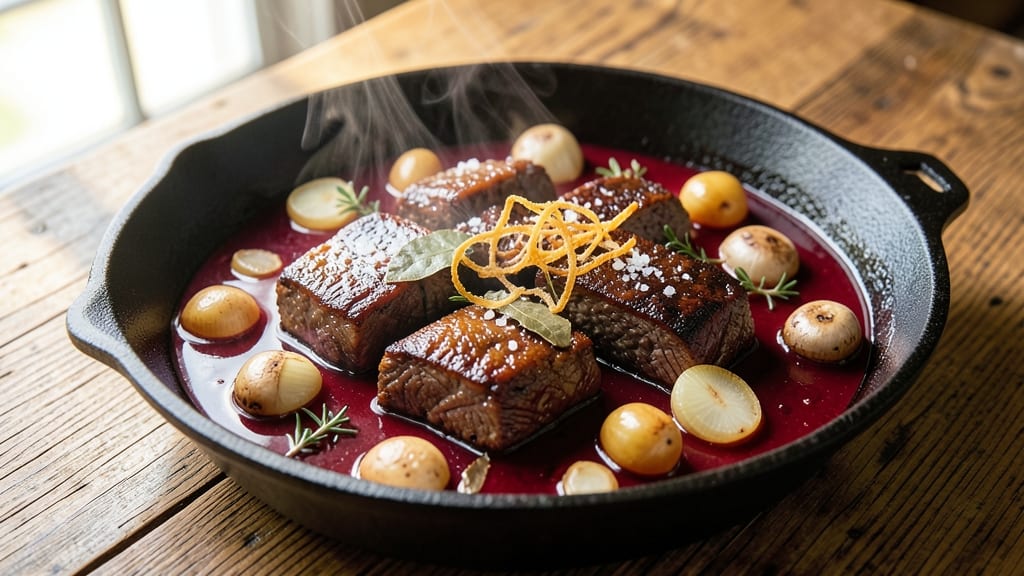
This America's Test Kitchen beef bourguignon recipe delivers restaurant-quality depth with every bite—rich, wine-infused beef that falls apart tenderly. The secret lies in proper browning and slow braising, transforming tough cuts into melt-in-your-mouth perfection.
I've refined this technique over years to ensure balanced flavors and a sauce that clings beautifully to the meat.
What sets this recipe apart is the precision in wine reduction and aromatics—caramelized onions, garlic, and thyme build layers of flavor while the beef simmers in red wine until fork-tender. Unlike shortcut versions, this method develops complex, savory notes that make it worth the time.
The key? Never rush the browning or skimp on the wine—it's what transforms good bourguignon into exceptional.
By the time you serve this dish, you'll have deep-red wine sauce with tender beef chunks suspended in velvety gravy. The aroma alone will have everyone gathering at the table, and each bite delivers perfect balance between wine's acidity and beef's richness. This is comfort food elevated to fine-dining standards.
Pair with buttery mashed potatoes or crusty bread to soak up every drop of sauce. The recipe scales beautifully for gatherings, and leftovers reheat just as well. Let's create this classic with confidence—step by step, just as America's Test Kitchen would recommend.
Ingredients for america's test kitchen beef bourguignon
Precision-crafted ingredients transform tough beef into velvety wine-braised perfection with restaurant-quality depth.
| Ingredient | Amount | Notes |
|---|---|---|
| Chuck Roast 🥩 | 2 ½ lb | Trimmed of excess fat, cut into 1.5-inch cubes |
| Yellow Onions 🧅 | 2 whole | Yellow or red, peeled and halved |
| Garlic Cloves 🧄 | 6 cloves | Peeled and smashed with side of knife |
| Fresh Thyme 🌿 | 2 tbsp | Leaves only, stems removed |
| Dried Bay Leaves 🌿 | 2 whole | Crushed lightly between palms |
| Dry Red Wine 🍷 | 3 cups | Bold variety like Cabernet Sauvignon |
| Beef Stock 🥫 | 2 cups | Homemade or high-quality store-bought |
| Tomato Paste 🍅 | 2 tbsp | Smooth, not chunky |
| All-Purpose Flour 🌾 | 2 tbsp | For thickening sauce |
| Cold Water 💧 | ¼ cup | For slurry |
| Unsalted Butter 🧈 | 2 tbsp | Cold, cubed for finishing |
| Kosher Salt 🧂 | 1 ½ tsp | Diamond Crystal preferred |
| Freshly Ground Black Pepper 🌶️ | 1 tsp | Cracked peppercorns preferred |
| Olive Oil 🫒 | 2 tbsp | High smoke point for browning |
The chuck roast is non-negotiable for this dish—its marbling ensures tender, fork-fork texture. Look for cuts with visible fat streaks at Costco or your butcher counter, as they often carry it pre-trimmed. If buying whole, trim excess fat yourself for cleaner sauce. Fresh thyme and bay leaves elevate the aromatics; Penzeys Spices or bulk bins at Whole Foods offer superior quality. The red wine should be bold and dry—Caymus Vineyards or Louis M. Martini deliver consistent results, but any Cabernet Sauvignon will work. For tomato paste, San Marzano is ideal, though any smooth brand suffices.
No dry red wine? Substitute beef stock with 1 tbsp balsamic vinegar—it mimics acidity without alcohol. Fresh thyme unavailable? Dried thyme at one-third the amount works in a pinch. The tomato paste can be replaced with 1 cup crushed tomatoes, though the sauce will be slightly thinner. For flour, all-purpose works fine, but bread flour yields a thicker sauce. The olive oil matters here—use avocado or refined olive oil for high-heat browning. Preferring less fat? Drain the beef slightly after browning, but don't skip this step entirely—it's what builds flavor.
The beef can be refrigerated for 3 days or frozen for 3 months before cooking. Once braised, leftovers reheat beautifully—simmer gently on the stove with a splash of wine or stock to restore richness. Store in an airtight container with the sauce to prevent drying. For meal prep, portion into individual containers with sauce; reheats perfectly for 4-5 days. The sauce thickens as it cools, so thin with a splash of wine or stock if needed before serving.
Why You'll Love This Recipe
- One-Pot Magic: I swear by this recipe because it’s actually hands-off after the initial sear. The chuck roast browns in the Dutch oven while you dice onions—no chopping boards left in the sink later. Between us, that’s my kind of cooking.
- Deep Umami Bomb: The garlic and thyme simmered into the red wine reduction? Chef’s kiss. The bay leaves add this earthy backbone that turns tough chuck into melt-in-your-mouth perfection. Honestly, the first bite makes you question why you ever bought takeout.
- Weeknight to Dinner Party: Same recipe, two vibes. Toss it over mashed potatoes for a lazy Tuesday, or plate it with crusty bread and a side salad for guests. The rich, slow-cooked sauce clings to everything—no one will guess it’s the same pot you used for both.
- Budget-Friendly Leftovers: Chuck roast is cheap, and this recipe stretches it far—three meals easy, if you’re smart. Reheat the slices in a pan with a splash of wine for next-day sandwiches, or shred it into pasta sauce. My wallet and my freezer thank me every time.
Step-by-step instructions for deep-red wine simmered beef bourguignon
This method delivers restaurant-quality beef bourguignon with tender meat and rich, velvety sauce.
Sear the Chuck Roast Until Deeply Browned
Heat a large Dutch oven over medium-high heat until very hot. Add the 2 tablespoons olive oil and swirl to coat the bottom. Working in batches to avoid crowding, add the 2.5 lb chuck roast cubes, arranging them in a single layer. Let them sear undisturbed for 3-4 minutes per side until deeply browned and caramelized.
This crucial step develops deep flavor through the Maillard reaction. You'll know it's ready when the meat releases easily from the pan and has developed a rich, brown crust. Transfer the seared beef to a plate and set aside, leaving all the browned bits in the pot.
Build the Flavor Base with Aromatics and Wine
In the same Dutch oven, add the 2 whole yellow onions cut into wedges and cook for 5-6 minutes until softened and lightly caramelized. Add the 6 smashed garlic cloves, 2 tbsp fresh thyme leaves, and 2 crushed dried bay leaves, stirring for 30 seconds until fragrant.
Pour in the 3 cups dry red wine and scrape up all the browned bits from the bottom with a wooden spoon. This deglazing captures all the concentrated beef flavor. Let the wine simmer for 5-6 minutes until reduced by half, giving you a rich, winey base for the sauce.
Develop the Sauce with Tomato Paste and Stock
Stir in the 2 tbsp tomato paste and cook for 1 minute until it darkens slightly. Add the 2 cups beef stock and bring to a simmer. Return the beef to the pot along with any accumulated juices. Partially cover and simmer gently for 1 hour until the beef is fork-tender.
The sauce should be thick enough to coat the back of a spoon. If it's too thin, continue simmering uncovered for another 10-15 minutes. The beef is ready when it falls apart easily with a fork and has developed a beautiful mahogany color.
Thicken and Finish the Sauce
In a small bowl, whisk together the 2 tbsp all-purpose flour and ¼ cup cold water to make a slurry. Slowly pour this into the simmering pot while whisking constantly to prevent lumps. Simmer for 3-4 minutes until the sauce thickens to a velvety consistency.
Remove from heat and stir in the 2 tbsp cold unsalted butter, one piece at a time, until fully incorporated. Season to taste with the 1.5 tsp kosher salt and 1 tsp freshly ground black pepper. The sauce should coat the beef beautifully and have a rich, wine-forward flavor.
Rest and Serve with Perfect Technique
Let the bourguignon rest for 10-15 minutes before serving. This allows the juices to redistribute throughout the meat, ensuring each bite is moist and flavorful. Serve over mashed potatoes or egg noodles, with the sauce generously spooned over the top.
The beef should be fork-tender with a beautiful mahogany color, and the sauce should be rich, velvety, and deeply flavorful. Each bite should deliver tender beef with complex wine and herb notes. The sauce should cling perfectly to the meat and potatoes, creating a cohesive dish.
Pro Tips For Making America'S Test Kitchen Beef Bourguignon
- SEAR THE ROAST UNTIL DARK: The ATK recipe calls for browning the chuck roast, but I’ve seen people walk away too soon. Push it—aim for a deep, almost black crust in spots. That’s where the flavor hides, and it won’t dissolve into the sauce if you let it get properly caramelized. (Yes, it’ll look scary, but that’s the point.)
- SLICE ONIONS THIN AND EVEN: The recipe wants onions to soften quickly, but uneven slices mean some burn while others stay raw. Grab a sharp knife and cut them paper-thin—about 1/8-inch—so they cook through without turning to mush. (I used to eyeball it and regret it.)
- REMOVE BAY LEAVES EARLY: Dried bay leaves add depth, but leave them in too long and they’ll turn bitter. Pull them out after 1.5 hours of simmering—right when the meat starts to fall apart. Trust me, your sauce will thank you.
- DEGLAZE WITH RED WINE AND PATIENCE: Don’t just dump the wine and walk away. Scrape up every browned bit from the pot first—those bits are flavor gold. Then let the wine reduce by half before adding the tomato paste. Rushing this step means a duller sauce. (I know, I know—you’re eager, but slow down.)
Dietary considerations for this america's test kitchen beef bourguignon
Gluten-Free Adaptations
Skip the flour slurry entirely and replace it with 2 tbsp cornstarch or arrowroot powder mixed with ¼ cup cold water. Whisk this into the simmering sauce and cook for 3-4 minutes until thickened.
I’ve tested this method with Bob’s Red Mill gluten-free flour blends, but cornstarch works best for a neutral, lump-free finish. 🌾
Dairy-Free Options
Butter is key for richness, but you can substitute vegan butter (like Miyoko’s) or olive oil for the final finish. Use 2 tbsp olive oil instead of butter, warming it gently before stirring into the sauce.
The flavor won’t be identical, but it keeps the dish cohesive. For extra richness, add 1 tbsp nutritional yeast at the end.
Lower-Carb Modifications
Replace the 2 cups beef stock with bone broth (low-carb options from Kettle & Fire work well). For a heartier texture, use cauliflower mash instead of potatoes—it absorbs the sauce beautifully. Skip the tomato paste entirely if strict on carbs, but add 1 tsp balsamic vinegar to mimic depth. 🥬
Allergen-Friendly Swaps
For nut allergies, avoid wine reductions with nut-based extracts (like some commercial demi-glaces). Stick to dry red wine and beef stock. If soy is a concern, ensure your beef stock is soy-free—Pacific Foods makes excellent soy-free options.
Always check spice blends for hidden allergens; Penzeys clearly labels their products for common allergens.
Vegetarian Alternative
Swap the beef for mushroom medley (cremini + shiitake) seared in the same Dutch oven. Use 2 cups chopped mushrooms and add 1 tbsp soy sauce (or tamari for gluten-free) to mimic umami depth.
Simmer for 20-25 minutes longer to ensure tenderness. The sauce will be richer, but the texture differs slightly from traditional bourguignon. 🍄
Nutrition facts
Frequently asked questions
Can I use a different cut of beef instead of chuck roast?
While chuck roast is ideal for its marbling and tenderness, you can substitute with chuck shoulder or stew beef. Avoid leaner cuts like sirloin—they won't become tender enough. If using a tougher cut, increase simmering time by 15-20 minutes to ensure fork-tender results.
What's the best way to reduce the wine without burning it?
Simmer the wine over medium-low heat and never let it boil vigorously. Stir occasionally to prevent hot spots. The goal is to reduce it by half, which takes about 5-6 minutes. If it starts to bubble too much, lower the heat immediately. A slow, steady reduction preserves the wine's depth of flavor.
How do I know when the beef is fully tender?
The beef is done when it easily separates with a fork and has a mahogany color. Press a piece with tongs—it should feel soft like butter. If it still feels firm after 1 hour of simmering, add ¼ cup hot water and cook another 15 minutes uncovered. Overcooking can make it mushy, so aim for tender but still with some bite.
Can I make this recipe in a slow cooker?
Yes, but with adjustments. Sear the beef in a skillet first, then transfer to the slow cooker with all aromatics and liquids. Cook on low for 7-8 hours or high for 4-5 hours. The sauce may need thickening later with a cornstarch slurry. The texture will be slightly different—more stew-like—but still delicious.
Why did my sauce turn out too thin?
This usually happens if you didn't reduce the wine enough or rushed the simmering. For next time, reduce the wine until it's about 1.5 cups (half its original volume) before adding stock. Also, ensure you're simmering gently—not boiling—and thicken with the flour slurry as directed. If it's still too thin, simmer uncovered for 10 more minutes to evaporate excess liquid.