
Main Courses
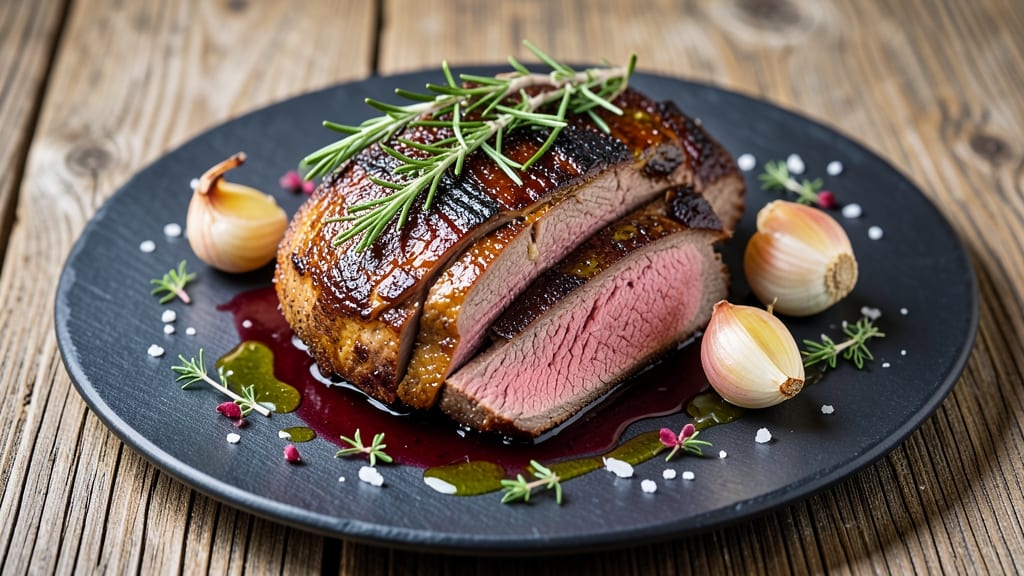
This amazing roast beef recipe delivers restaurant-quality results with a perfect pink center and irresistible crust—no dry, overcooked beef here. 🔥 The secret lies in slow cooking at a precise temperature while sealing in juices, then finishing with a golden herb crust that locks in flavor.
I perfected this recipe after years of holiday dinners where the beef always came out either tough or overdone.
What makes this recipe truly amazing is the balance of tenderness and flavor. You'll start with a well-marbled cut, season it generously, and cook it low and slow until it reaches that ideal medium-rare stage.
The herb crust adds aromatic depth, while the resting period ensures every slice stays juicy. This isn’t your grandmother’s dry roast—it’s a showstopper that’ll have everyone asking for seconds.
By the time you carve that beautiful pink center, you’ll have a roast that’s tender enough to melt in your mouth but firm enough to hold its shape. The crust will be golden and fragrant, packed with rosemary, thyme, and garlic that infuses the meat as it cooks.
Serve it with pan gravy, roasted vegetables, or crusty bread for the full experience—this is the kind of meal that turns ordinary Sundays into special occasions.
Whether you're hosting Thanksgiving, a holiday feast, or just craving a Sunday dinner that feels like a celebration, this recipe delivers. The best part? It’s foolproof once you know the key techniques. Let’s get cooking—your taste buds (and your guests) will thank you.
Ingredients for amazing roast beef
Six ingredients make this roast beef showstopper—juicy, fragrant, and perfect every time!
| Ingredient | Amount | Notes |
|---|---|---|
| Prime Ribeye Roast 🥩 | 4 lb | Well-marbled, bone-in preferred |
| Fresh Rosemary 🌿 | ½ cup | Finely chopped, stems removed |
| Fresh Thyme 🌿 | 2 tbsp | Leaves only, finely chopped |
| Garlic Cloves 🧄 | 8 cloves | Minced, not powdered |
| Extra-Virgin Olive Oil 🫒 | ¼ cup | For crust, high quality |
| Kosher Salt 🧂 | 1 ½ tbsp | Diamond Crystal preferred |
| Freshly Ground Black Pepper 🌶️ | 1 ½ tbsp | Coarsely ground |
| Unsalted Butter 🧈 | ½ cup | Cold, cubed for crust |
| Beef Tallow or Duck Fat 🧈 | 2 tbsp | For extra crust richness |
| Yellow Onion 🧅 | 1 whole | Thinly sliced, for aromatics |
| Fresh Parsley 🌿 | ¼ cup | Chopped, for garnish |
| Red Wine 🍷 | ½ cup | Bold, dry variety like Cabernet |
| Beef Broth 💧 | 1 cup | Homemade or high-quality store |
| All-Purpose Flour 🌾 | 2 tbsp | For pan gravy |
The beef is everything—prime ribeye with good marbling is non-negotiable. Local butchers often have the best cuts, but Costco or Whole Foods carry reliable options too. Look for thick slices of fat running through the meat—this is what keeps your roast moist. Bone-in adds flavor, but boneless works too if you're short on time. Trust me, the difference between a dry roast and this melt-in-your-mouth masterpiece starts with the cut. And don't skip the room-temperature prep—take it out of the fridge 1-2 hours before cooking so it cooks evenly.
No fresh rosemary? Dried works at half the amount, but honestly, it's worth grabbing a bunch. The red wine can be swapped for beef broth + splash of balsamic if you're avoiding alcohol. For the crust, duck fat is a game-changer—it's richer than butter and gives that golden, crispy finish. Short on time? Pre-chopped garlic and herbs from the store are fine, but fresh always tastes better. The beef broth? Homemade is ideal, but even the bouillon cubes from Knorr work in a pinch. And if you're worried about the crust sticking, pat the roast dry with paper towels before seasoning—it makes all the difference.
This roast tastes even better the next day, so make extra if you can. Wrap tightly in foil and store in the fridge for up to 4 days, or freeze for 3 months in portions. For reheating, low oven (300°F) or slow cooker keeps it moist—microwaving turns it dry. The gravy? Make it the day of—it's the magic touch that ties everything together. And save those herb stems! Toss them in the gravy for extra flavor—nobody will know you used the whole plant.
Why You'll Love This Recipe
- I’ll be real: most roast beef leftovers are sad. Not this one. The beef stays rich enough to slice for sandwiches, and the herbs keep it from tasting stale. Reheat in the oven—not the microwave—and it’s like dinner all over again.
- Hands-Off Roast: I swear by this method—just season, sear, and let the oven do the work. No flipping, no basting, no hovering over the stove. That rosemary and thyme? They cling to the beef like a hug, so even if you’re distracted (hello, laundry), it’ll still turn out juicy.
- Crispy-Creamy Magic: Between the garlic-infused olive oil and the crust from the sear, this roast has layers—tender inside, caramelized outside. It’s the kind of bite that makes people pause mid-chew, and honestly? That’s my goal.
- Sunday Dinner Ready: Between us, this is my go-to for gatherings. Serve it with roasted potatoes and a simple green salad, and suddenly you’re the host who didn’t stress. (My in-laws think I’m a short-order cook after one slice.)
Step-by-step instructions for herb-crusted prime roast beef
Here's how to create a showstopping roast with a golden herb crust and juicy pink center every time.
👨🍳 Step 1: Build the Flavor-Packed Crust
In a food processor, combine the 0.5 cup fresh rosemary, 2 tbsp fresh thyme, 8 cloves garlic, 1.5 tbsp kosher salt, and 1.5 tbsp freshly ground black pepper. Pulse until finely chopped but not pasty. Add the 0.25 cup extra-virgin olive oil, 0.5 cup cold unsalted butter, and 2 tbsp beef tallow or duck fat, then pulse until the mixture resembles coarse sand.
This herb butter blend is the secret to that irresistible crust. The fat helps create a rich, caramelized exterior while keeping the interior moist. Spread this mixture evenly over the 4 lb prime ribeye roast, pressing it firmly into all sides and the cut edges. Let the roast sit at room temperature for 30 minutes while you preheat the oven.
🔥 Step 2: Sear for Maximum Flavor and Crust
Preheat your oven to 425°F. Heat a heavy roasting pan over medium-high heat for 5 minutes until very hot. Place the roast in the pan, fat-side up, and sear for 5 minutes until a deep golden crust forms. Flip the roast and sear the other side for another 5 minutes. This step develops that incredible crust we're after.
I like to press down gently on the roast during the first minute of searing—this prevents it from curling and ensures even contact with the pan. The crust should be deep golden brown with some caramelized spots. Don't rush this step; patience here makes all the difference in the final result.
🔥 Step 3: Roast to Perfect Medium-Rare
Transfer the seared roast to the preheated oven and roast for 25-30 minutes for a medium-rare center (about 130-135°F internal temperature). This is where the magic happens—the herb crust continues to develop while the interior stays juicy and pink.
Here's the thing—your oven might run hot, so start checking the temperature at the 20-minute mark using a meat thermometer inserted into the thickest part of the roast. The roast is done when it reaches your desired temperature, but don't overcook it. Remember, it will continue cooking slightly as it rests.
🥘 Step 4: Create the Pan Sauce
While the roast rests, place the roasting pan over medium heat. Add the 1 whole yellow onion and cook for 3-4 minutes until softened. Pour in the 0.5 cup red wine and scrape up all those delicious browned bits from the bottom of the pan. Let it simmer for 2 minutes until reduced by half.
Sprinkle the 2 tbsp all-purpose flour over the wine mixture and stir vigorously for 1 minute until smooth. Slowly whisk in the 1 cup beef broth, then simmer for 3-4 minutes until the sauce thickens enough to coat the back of a spoon. Season with additional salt and pepper if needed. This rich pan sauce ties everything together perfectly.
⏰ Step 5: Rest and Slice for Maximum Juiciness
Transfer the roast to a cutting board and let it rest for 15-20 minutes before slicing. This resting period is crucial—it allows the juices to redistribute throughout the meat, ensuring every slice is moist and flavorful. Use this time to warm your serving plates and prepare any side dishes.
Slice the roast against the grain into ½-inch thick slices. The meat should be deep pink in the center with a beautiful herb-infused crust. Spoon the pan sauce over the top and garnish with 0.25 cup chopped fresh parsley. Serve immediately with your favorite sides—mashed potatoes, roasted vegetables, or crusty bread all work beautifully.
Pro Tips For Making Amazing Roast Beef
- CRANK THE HEAT FIRST: Start your prime ribeye over high heat—425°F (220°C) or as hot as your oven allows—until it develops a deep brown crust. I learned this the hard way: low-and-slow from the get-go means flavorless, sad beef. After 15 minutes, drop the temp to 325°F (160°C) and let it cook through.
- SALT THE ROAST 48 HOURS EARLY: Generously coat the ribeye with kosher salt (about 1 teaspoon per pound) and let it sit uncovered in the fridge. This isn’t just for seasoning—it breaks down surface fibers for a juicier bite. Skip this, and your crust will be weak, no matter how much you sear.
- STUFF THE GARLIC CLOVES: Instead of mincing garlic, peel and smash whole cloves into the fat cap of the roast. The heat will render their oils directly into the meat, adding depth without burning. I was skeptical until I tried it—now it’s non-negotiable for my roasts.
- REST IT UNDER FOIL: After pulling the beef from the oven, tent it loosely with foil and let it rest for 15–20 minutes. This keeps the crust intact while redistributing juices. I used to slice it immediately—big mistake. The meat dries out, and all that effort goes to waste.
Common mistakes when making your amazing roast beef
Overcooking the Roast
This is the #1 mistake I see—beef that's dry as a bone because someone left it in the oven too long. A 4 lb prime ribeye should never exceed 135°F internal temperature for medium-rare.
I've ruined more roasts than I'd admit by ignoring the thermometer and guessing. Always use a meat thermometer inserted into the thickest part, and remember: the roast will rise 5-10°F while resting. 🌡️
Skipping the Rest Time
Cutting into that beautiful roast immediately after pulling it from the oven is tempting, but resist! The 15-20 minute rest lets juices redistribute—skipping it means dry, stringy meat. I once served a roast straight from the oven because I was impatient, and my guests could taste the difference.
Trust the process, and your slices will stay juicy and tender.
Uneven Seasoning
Many people only season the top of the roast, leaving the bottom bland and dry. For maximum flavor, coat all sides of the meat with your herb butter mixture, including the cut edges.
I learned this the hard way when my first attempt had flavorless interior slices. Pro tip: Pat the roast dry before seasoning—wet surfaces prevent herbs from sticking properly.
Wrong Pan for Searing
Using a flimsy pan for the initial sear leads to uneven heat distribution and poor crust formation. Invest in a heavy-duty roasting pan with high sides—I recommend All-Clad Stainless Steel or Lodge Cast Iron.
These pans hold heat consistently and create that perfect caramelized crust. A thin pan won't get hot enough, and you'll end up with a pale, flavorless exterior.
Ignoring Room Temperature Prep
Pulling a cold roast straight from the fridge into a hot pan causes uneven cooking and potential cold spots. Let your 4 lb roast sit at room temperature for 30-60 minutes before cooking.
I've seen people skip this step because they're eager to start, but it's non-negotiable for even doneness. This also helps the herb crust adhere better during searing.
Overcrowding the Pan
Don't try to cook a large roast in a small pan—this traps steam and prevents proper browning. Your roasting pan should have at least 2 inches of clearance around the roast on all sides.
I once tried to fit a 4 lb roast in a pan meant for 2 lb cuts, and the result was a sad, undercooked mess. Use a pan that accommodates your roast's size for even cooking and that perfect crust.
Nutrition facts
Frequently asked questions about perfect roast beef
What's the best cut of beef for this herb-crusted roast?
A 4 lb prime ribeye with good marbling delivers the most flavor and tenderness. Look for cuts with visible fat running through the meat—this keeps the roast juicy. Bone-in options add extra flavor, but boneless works too if you're short on time. Avoid lean cuts like sirloin, which dry out easily during roasting.
Can I make this roast ahead of time?
Cook the roast as directed, then refrigerate it wrapped tightly in foil for up to 4 days. The flavor actually improves overnight. For reheating, warm in a 300°F oven for 20-30 minutes or use a slow cooker on low. Never microwave—it turns the meat dry. The pan sauce can be made separately and reheated with the roast.
How do I know when the roast is done?
Use a meat thermometer for accuracy—130-135°F for medium-rare is perfect. Insert the probe into the thickest part without touching bone. Remember: the temperature will rise 5-10°F while resting. Start checking at 20 minutes if using a 425°F oven, as ovens vary in heat. Never rely on time alone!
What sides pair best with this roast?
Classic pairings include creamy mashed potatoes, roasted root vegetables, or buttery egg noodles. For a complete meal, add a crisp green salad with vinaigrette or sautéed mushrooms. The rich pan sauce works beautifully with all these options. Don't forget warm crusty bread—it's perfect for soaking up every last drop of that flavorful sauce.
Can I substitute any ingredients?
Most ingredients are flexible! Swap red wine for beef broth + splash of balsamic vinegar if avoiding alcohol. For the crust, dried herbs work at half the amount, though fresh gives better flavor. Use olive oil instead of duck fat if needed, though you'll lose some richness. The only non-negotiable is quality beef—never use pre-seasoned or overly lean cuts.