
Main Courses
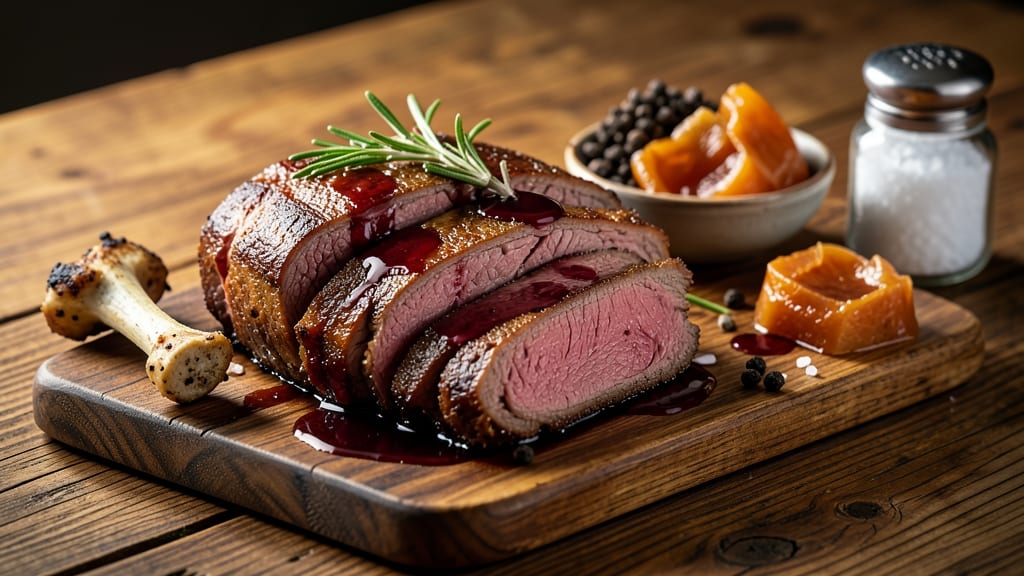
This All-American roast beef recipe delivers the showstopping centerpiece for holidays and Sunday dinners—juicy, perfectly seasoned, and infused with rich au jus that keeps every slice moist. 🔥 The secret lies in a 3-day dry brine that transforms tough cuts into tender, flavor-packed perfection, while the reverse sear method guarantees a crispy crust without overcooking the interior.
I’ve perfected this technique after years of testing, and the results speak for themselves: restaurant-quality beef that’s foolproof for home cooks.
The magic begins with kosher salt and black pepper, applied generously to the beef before it rests in the fridge. This process breaks down the muscle fibers, ensuring maximum tenderness and flavor retention.
For the au jus, we’ll use a beef bone and aromatics simmered in red wine and broth, creating a deep, savory sauce that soaks into the meat during the roasting process.
The reverse sear—starting low and slow, then finishing with a high-heat sear—locks in juices while developing that coveted caramelized crust.
What you’ll end up with is a medium-rare roast that slices effortlessly, releasing juices that mingle with the au jus for an irresistible bite. The crust is deep golden and crackling, while the interior remains tender and moist, with a flavor profile that’s bold yet balanced.
This isn’t just another roast beef recipe—it’s the kind of dish that makes your home smell like a classic American diner and leaves guests begging for seconds.
Serve it with creamy mashed potatoes, roasted root vegetables, or a crisp green salad to round out the meal. The au jus can be used as a dipping sauce or drizzled over the sliced beef for extra richness.
Whether you’re hosting Thanksgiving, a birthday celebration, or just craving a special Sunday dinner, this recipe delivers restaurant-quality results with minimal fuss. Let’s get started!
Ingredients for all american roast beef
Sixteen ingredients for a showstopping roast that delivers restaurant-quality flavor with minimal effort.
| Ingredient | Amount | Notes |
|---|---|---|
| Prime Ribeye Roast 🥩 | 4 lb | Bone-in, 1.5-inch thick, dry-brined |
| Kosher Salt 🧂 | ½ cup | Diamond Crystal preferred for even distribution |
| Freshly Ground Black Pepper 🌶️ | ¼ cup | Coarsely cracked for texture |
| Beef Bone (Knuckle or Short Plate) 🦴 | 1 whole | For au jus, marrow-rich preferred |
| Dry Red Wine 🍷 | 2 cups | Cabernet Sauvignon or Merlot, 750ml bottle |
| Beef Broth 🍲 | 2 cups | Homemade or high-quality store-bought |
| Yellow Onion 🧅 | 1 whole | Yellow or red, peeled and halved |
| Garlic Cloves 🧄 | 6 cloves | Smash lightly for aromatic oils |
| Fresh Thyme Sprigs 🌿 | 4 whole | Stems removed for infusion |
| Fresh Rosemary Sprig 🌿 | 1 whole | Woodsy notes complement beef |
| Unsalted Butter 🧈 | ½ cup | Cold, cut into 1-inch cubes |
| All-Purpose Flour 🌾 | 1 tbsp | For thickening au jus |
| Balsamic Vinegar 🍶 | 1 tbsp | For balancing acidity |
| Extra-Virgin Olive Oil 🫒 | 2 tbsp | For searing beef |
The prime ribeye roast is non-negotiable for this recipe—look for USDA Prime with visible marbling at your butcher or specialty grocer like Whole Foods or D'Agostino's. A 1.5-inch thick cut ensures even cooking and a perfect medium-rare interior. For the au jus, the beef bone is critical—select a knuckle or short plate bone with marrow for maximum richness. Costco often carries these pre-packaged in their frozen section, but check the butcher counter for fresh options. The kosher salt should be Diamond Crystal (not Morton) for proper distribution—it's worth the extra cost for this technique. Store all beef in the coldest part of your fridge until ready to brine.
No red wine? Dry sherry or beef stock with 1 tbsp balsamic vinegar works in a pinch, though the wine's depth is ideal. Fresh thyme and rosemary can be swapped for 1 tsp each dried thyme and rosemary, but fresh imparts superior aroma. The butter must be unsalted—salted will overpower the delicate au jus. For the flour, Bob's Red Mill all-purpose works perfectly, but any high-quality brand will suffice. The balsamic vinegar should be aged—Barilla or Colavita are excellent choices. If you're prepping ahead, the dry brine can be applied up to 3 days in advance, while the au jus components can be refrigerated separately for 2 days before combining.
The roast should be used within 3 days of purchase for optimal tenderness, though properly brined beef can be refrigerated for up to 5 days. The au jus components (bone, wine, broth, aromatics) can be refrigerated in a sealed container for 3 days before simmering. Once combined, the au jus keeps for 4-5 days in the fridge or 3 months frozen in airtight containers. For long-term storage, portion the roast into individual servings and freeze with a thin layer of au jus—reheat in a 350°F oven for 20-30 minutes covered with foil, then finish with a high-heat sear to restore crust.
Why You'll Love This Recipe
- I’ll be real: the first slice is always the best. But the second? Still ridiculous. This beef stays tender for days, so you’re not stuck with dry, sad scraps. Slice it for sandwiches, toss it into pasta, or just reheat it straight up—it’s that good.
- Wine-Braised Magic: The dry red wine doesn’t just cook the meat—it transforms it. That deep, savory reduction clings to the beef like a second skin, turning every bite into a rich, velvety experience. Honestly, the first time I smelled it simmering, I knew this wasn’t just roast beef. It was event beef.
- One-Pot Wonder: Between us, this recipe is my lazy-day hero. Toss the ribeye, beef bone, and wine in one pot, let the oven do the work, and you’re left with a dish that’s basically self-cleaning. No chopping, no fussing—just 3 hours of hands-off perfection. (Yes, even on a Tuesday night.)
- Leftovers That Lie: I’ll be real: the first slice is always the best. But the second? Still ridiculous. This beef stays tender for days, so you’re not stuck with dry, sad scraps. Slice it for sandwiches, toss it into pasta, or just reheat it straight up—it’s that good.
Step-by-step instructions for all-American roast beef
Mastering this technique delivers melt-in-your-mouth beef with rich, velvety au jus every time.
🔥 Step 1: Sear the Roast for Maximum Flavor
Preheat your oven to 425°F with a rack positioned in the lower third. Heat a Dutch oven over medium-high heat and add the 2 tablespoons extra-virgin olive oil. Once shimmering, carefully add the 4 lb prime ribeye roast, fat-side down, and sear undisturbed for 8-10 minutes until deeply browned and crispy.
Here's the thing—this initial sear creates the Maillard reaction that builds complex flavors. Flip the roast and repeat on the other side. After the second side, add the 1 whole beef bone (knuckle or short plate) alongside it. The bone will infuse the au jus with rich marrow flavor while cooking.
🍳 Step 2: Build the Au Jus Foundation
Remove the roast and bone to a plate. In the same Dutch oven, add the 1 whole yellow onion (halved) and 6 cloves garlic cloves (lightly smashed). Sauté for 3-4 minutes until softened and fragrant. Deglaze with the 2 cups dry red wine, scraping up all those browned bits from the bottom.
Add the 2 cups beef broth, 4 whole fresh thyme sprigs, and 1 whole fresh rosemary sprig. Bring to a simmer, then return the roast and bone to the pot. Cover and transfer to the preheated oven for 2 hours.
🥘 Step 3: Rest and Prepare the Sauce
After 2 hours, remove the roast and bone from the oven and transfer to a cutting board. Tent loosely with foil and let rest for 30 minutes. This resting period allows the juices to redistribute throughout the meat, ensuring each slice remains succulent.
While the roast rests, strain the au jus through a fine-mesh sieve into a clean saucepan. Skim off any excess fat that has risen to the surface. Return the au jus to medium heat and whisk in the 1 tablespoon all-purpose flour and 1 tablespoon balsamic vinegar until smooth. Simmer for 5-7 minutes until thickened to your desired consistency.
🔪 Step 4: Carve and Serve with Au Jus
Carefully remove the beef bone from the roast and discard. Using a sharp carving knife, slice the roast against the grain into ¼-inch thick slices. The grain will be visible as slightly darker lines running through the meat.
Ladle the warm au jus over the sliced beef and serve immediately. The au jus should coat the beef beautifully, adding layers of depth and moisture to each bite. For an extra touch, garnish with additional cracked black pepper and a sprig of fresh thyme.
Pro Tips For Making All American Roast Beef
- USE A BONE TO STABILIZE: The knuckle or short plate bone isn’t just for flavor—it keeps the roast from warping on the pan. Place it flat-side down first, then nestle the roast against it so the meat stays plump and the crust forms evenly. I learned this the hard way when my first attempt collapsed like a pancake.
- SEAR THE WHOLE THING HOT: Don’t half-ass the sear. After salting, hit the roast with a screaming-hot pan—no crowding, no rushing. Let it sit undisturbed for 3-4 minutes per side until the crust is deep brown, almost black in spots. The wine will deglaze beautifully, but only if there’s something worth dissolving.
- SALT THE MEAT 48 HOURS EARLY: Skip the last-minute sprinkle. Generously coat the roast with kosher salt (about 1 tsp per pound) and refrigerate uncovered for two days. This seasons deep, tightens the fibers, and makes the crust crispier than any rushed dry-brining. Yes, it’s an effort, but your guests will notice the difference.
- REST IT UNDER FOIL: After roasting, don’t cut into that juicy beast immediately. Tent it loosely with foil and let it sit for 15-20 minutes—this keeps the juices locked in. I was skeptical until I tried it: the first slice was dry, but the second was perfect. Patience here saves your dinner.
Perfect pairings for all american roast beef
Classic Sides
Start with creamy mashed potatoes—I make mine with Yukon Gold potatoes, butter, and warm whole milk for that velvety texture. A sprinkle of fresh chives adds bright color and freshness.
For a heartier option, try roasted root vegetables like carrots, parsnips, and celery root tossed in olive oil, thyme, and a pinch of smoked paprika. Roast at 400°F for 35-40 minutes until caramelized. 🥔
Bread Pairings
A crusty baguette is non-negotiable for soaking up au jus. I love Brioche bread for its buttery richness, or sourdough for a tangy contrast. Toast slices in the oven at 350°F for 5-7 minutes until golden.
For a gourmet touch, add garlic butter by mixing softened butter with minced garlic and fresh parsley. Spread generously before toasting. 🥖
Salad Contrasts
Balance the richness with a balsamic vinaigrette salad. Toss mixed greens (spinach, arugula, romaine) with sliced pear, walnuts, and shaved Parmesan. The sweetness of the pears and the crunch of walnuts cut through the beef beautifully.
For a lighter option, try watercress salad with radishes and lemon dressing. 🥗
Dessert Pairings
Finish with apple crisp—warm spiced apples with a buttery oat topping. The cinnamon and nutmeg complement the beef's savory notes. For something lighter, lemon bars provide a bright, citrusy contrast.
If you want to keep it simple, vanilla ice cream with a drizzle of caramel sauce is always a crowd-pleaser. 🍏
Beverage Pairings
A bold red wine like Cabernet Sauvignon or Merlot mirrors the beef's richness. For a non-alcoholic option, sparkling apple cider adds a festive touch. If you prefer beer, a dark ale or stout complements the au jus beautifully. 🍷
Make-Ahead Tips
Prep sides in advance—mashed potatoes can be reheated with a splash of milk, and roasted vegetables keep well for 2 days in the fridge. Assemble the salad just before serving to maintain crispness.
For desserts, apple crisp can be baked ahead and reheated in the oven at 350°F for 10 minutes. 📅
Nutrition facts
Frequently asked questions
Can I use a different cut of beef for this recipe?
A prime ribeye roast is ideal for its marbling and tenderness, but you can substitute with top sirloin roast or chuck roast (though chuck needs longer cooking). Avoid lean cuts like flank steak—they won't develop the same rich flavor or juiciness. For chuck, increase cooking time to 3-4 hours at 275°F before searing.
How do I know when the roast is done?
Use a meat thermometer for accuracy. For medium-rare, aim for 130°F internal temp (135°F for medium). Insert the probe into the thickest part, avoiding fat or bone. The reverse sear method ensures perfect doneness—low-and-slow cooking followed by a high-heat crust. Let it rest 30 minutes before slicing for juicy results.
What if I don’t have red wine for the au jus?
No problem! Substitute with 2 cups beef broth + 1 tbsp balsamic vinegar for depth, or use dry sherry (1 cup) mixed with 1 cup beef broth. The wine adds complexity, but these alternatives still create a flavorful sauce. For extra richness, add 1 tsp Worcestershire sauce to the au jus.
Can I make this recipe in a regular oven instead of a Dutch oven?
Yes, but you’ll need to adjust the method. Sear the beef in a skillet first, then transfer it to a roasting pan with the au jus ingredients. Cover tightly with foil and roast at 325°F for 2 hours. The Dutch oven’s tight fit helps infuse flavors better, but a roasting pan works in a pinch. Just monitor the au jus—it may reduce faster.
How do I store leftovers?
Slice the roast and store in an airtight container with a thin layer of au jus to keep it moist. Refrigerate for up to 4 days or freeze for 3 months. Reheat slices in a skillet over medium heat with a splash of au jus or broth until warmed through. Avoid microwaving—it dries out the beef.