
Main Courses
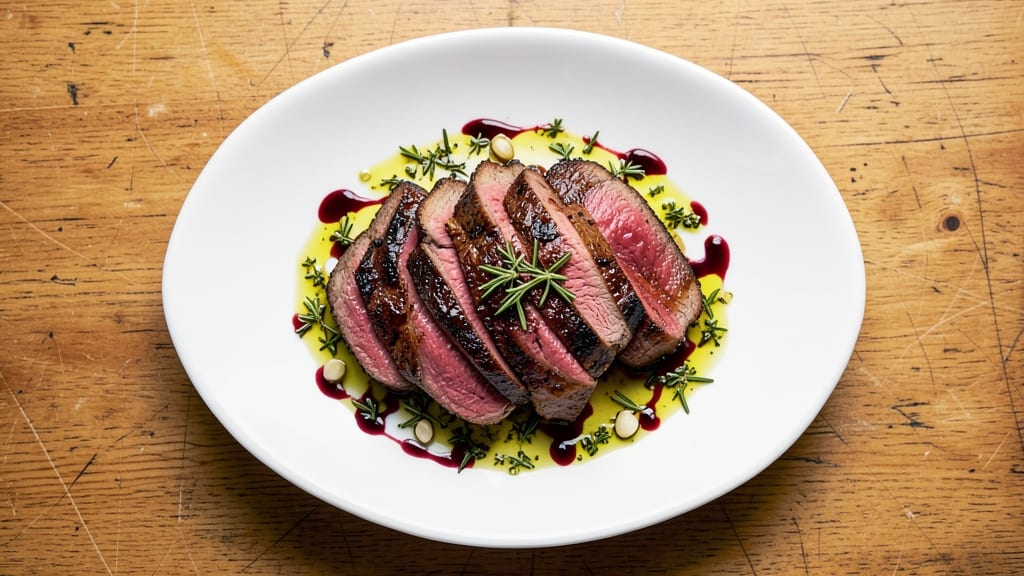
Alex Guarnaschelli's beef tenderloin recipe transforms holiday dinners into unforgettable centerpieces with its signature herb-crusted perfection. The secret lies in a precise sear followed by a low-and-slow roast that yields melt-in-your-mouth tenderness while maintaining a juicy core.
This isn't just a dish—it's a celebration of technique, where every slice reveals layers of aromatic herbs and rich beef flavor that command attention at the table.
The recipe begins with a dry-brined tenderloin, ensuring maximum moisture retention, then builds flavor through a coarse herb crust of rosemary, thyme, and garlic. Guarnaschelli's method emphasizes proper resting times and internal temperature precision—critical details that separate home-cooked meals from restaurant-quality results.
The crust develops a beautiful golden-brown finish while the interior reaches the ideal 130°F for medium-rare perfection.
What sets this apart is the attention to plating and presentation—each slice should be fanned slightly to showcase its texture, accompanied by a drizzle of reduced red wine or herb butter.
The herb crust adds visual appeal while delivering bold, earthy flavors that complement traditional holiday sides like roasted root vegetables or creamy mashed potatoes. This is the kind of dish that makes guests pause mid-conversation to savor each bite.
Perfect for Thanksgiving or Christmas, this recipe scales beautifully for crowds while maintaining its restaurant-worthy quality. The herb crust can be adjusted to include Dijon mustard for extra depth, or a touch of lemon zest for brightness.
With proper preparation, you'll have a showstopping main course that feels effortless yet impresses every time. Let's get started on creating your holiday centerpiece.
Ingredients for alex guarnaschelli beef tenderloin
Six ingredients transform a holiday centerpiece into restaurant-quality beef tenderloin perfection.
| Ingredient | Amount | Notes |
|---|---|---|
| Beef Tenderloin 🥩 | 4 lb | Center-cut, trimmed of silver skin |
| Kosher Salt 🧂 | 2 tbsp | Diamond Crystal preferred |
| Fresh Rosemary 🌿 | ½ cup | Finely chopped, stems removed |
| Fresh Thyme 🌿 | ¼ cup | Leaves only, stems discarded |
| Garlic Cloves 🧄 | 8 cloves | Minced, for crust |
| Extra-Virgin Olive Oil 🫒 | ¼ cup | For crust and searing |
| Unsalted Butter 🧈 | ½ cup | Cold, cubed, for crust |
| Dijon Mustard 🍯 | 1 tbsp | Optional, for depth |
| Red Wine 🍷 | 1 cup | Bold dry variety, reduced |
| Fresh Lemon Zest 🍋 | 1 tsp | Brightens herb crust |
| Black Peppercorns 🌶️ | 1 tsp | Freshly cracked |
| Vegetable Oil 🫒 | ½ cup | High smoke point for searing |
The beef tenderloin is the star—center-cut and trimmed of silver skin for even cooking. Source from a reputable butcher like D'Agostino or Whole Foods for optimal marbling. A 4-pound roast serves 6 generously, with leftovers perfect for sandwiches. Look for bright red color and firm texture; avoid any with grayish hues or excessive fat. The dry brine (salt applied 24 hours ahead) ensures maximum moisture retention, a technique Guarnaschelli emphasizes for holiday perfection.
Fresh herbs elevate this dish—rosemary and thyme should be bright green and fragrant, not wilted or dried out. Penzeys Spices or your local farmers market are ideal sources. For the garlic, use fresh cloves—jarred minced lacks the depth. Substitute lemon zest with orange zest if preferred, or omit entirely. The Dijon mustard adds complexity (skip if avoiding mustard), and red wine can be swapped for beef broth if needed. Olive oil should be extra-virgin for richness, while vegetable oil ensures a high-heat sear without burning.
Prep the herb crust 24 hours ahead and store in the fridge for deeper flavor development. The butter should be cold when mixed with herbs to create a firm crust. This roast reheats beautifully—warm in a 300°F oven for 10 minutes to maintain tenderness. Leftovers keep 3-4 days in the fridge or 3 months frozen. For presentation, fan slices slightly and drizzle with reduced wine or herb butter—the golden-brown crust is worth the effort.
Why You'll Love This Recipe
- Same recipe, two vibes: throw it in the oven for a stress-free family dinner, or dress it up with a red wine reduction for guests. The tenderloin’s forgiving nature means it’s always a crowd-pleaser.
- Foolproof Roast: I swear, the tenderloin just about melts in your mouth—no fussing with marinades or fancy rubs. Just season with kosher salt, tuck in those garlic cloves and rosemary sprigs, and let the oven do the work. (Yes, even if you’re the kind who burns toast.)
- Herb-Packed Magic: That combo of rosemary and thyme? It’s like a warm hug for your taste buds. The garlic cloves caramelize just enough to add depth without overpowering—simple, but somehow ridiculously flavorful.
- Weeknight or Dinner Party: Same recipe, two vibes: throw it in the oven for a stress-free family dinner, or dress it up with a red wine reduction for guests. The tenderloin’s forgiving nature means it’s always a crowd-pleaser.
Step-by-step instructions for alex Guarnaschelli's herb-crusted beef tenderloin
This method delivers a showstopping centerpiece with perfect balance—crispy herb crust, tender interior, and rich wine reduction.
Prepare the Herb Crust Mixture
In a food processor, pulse together the 0.5 cup fresh rosemary, 0.25 cup fresh thyme, 8 cloves garlic, 1 tsp black peppercorns, and 1 tsp fresh lemon zest until finely chopped but not pasty. Transfer to a bowl and mix in the 0.25 cup extra-virgin olive oil and 1 tbsp Dijon mustard until fully combined. The texture should resemble coarse sand.
This herb blend forms the signature crust that encases the tenderloin, creating both visual drama and concentrated flavor. The Dijon mustard adds subtle depth while the lemon zest brightens the earthy herbs. Keep this mixture at room temperature until ready to use—cold ingredients won't adhere properly to the meat.
Season and Sear the Tenderloin
Preheat your oven to 425°F. Pat the 4 lb beef tenderloin completely dry with paper towels—this is critical for crisp crust development. Rub the meat generously with the 2 tbsp kosher salt, pressing it into all sides including the ends. Let it sit at room temperature for 30 minutes while you prepare the crust.
Heat 0.5 cup vegetable oil in a large oven-safe skillet over medium-high heat until shimmering. Add the tenderloin and sear for 4-5 minutes per side until developing a deep golden-brown crust. The oil should be hot enough to sizzle vigorously when the meat touches—this creates the Maillard reaction that builds flavor. Remove the skillet from heat and place in a 425°F oven.
Apply the Herb Crust and Roast
Using a spoon or your hands, press the herb mixture evenly over the seared tenderloin, covering all surfaces completely. Dot the top with the 0.5 cup cold unsalted butter, distributing it evenly across the crust. Return the skillet to the oven and roast for 20-25 minutes until the internal temperature reaches 125°F on a meat thermometer.
The butter will melt and baste the meat continuously, creating that signature glossy finish. Here's the thing about beef tenderloin—it's lean and can dry out if overcooked. The 125°F target ensures perfect doneness while allowing for carryover cooking during resting. Don't open the oven during this time to preserve the heat and crispness.
Rest and Prepare the Wine Reduction
Remove the tenderloin from the oven and transfer it to a cutting board. Tent loosely with foil and let it rest for 15-20 minutes while you prepare the sauce. This resting period is non-negotiable—it allows the juices to redistribute throughout the meat, preventing them from pooling on the cutting board.
In the same skillet (don't clean it), pour in the 1 cup red wine and scrape up all the browned bits from the bottom with a wooden spoon. Bring to a simmer over medium heat and reduce by half, about 5-7 minutes, until syrupy. Strain through a fine-mesh sieve to remove any herb particles if desired. The reduction should coat the back of a spoon.
Slice and Serve with Pan Sauce
After resting, slice the tenderloin into 1-inch thick medallions against the grain. The meat should be perfectly pink in the center with a firm, springy texture. Arrange the slices on a warm platter, fanning them slightly for presentation. Spoon the wine reduction generously over the top and around the slices.
Each serving should deliver that perfect balance of textures—crisp herb crust, tender pink interior, and glossy wine reduction. For holiday presentation, garnish with additional fresh rosemary sprigs and serve with roasted root vegetables or creamy mashed potatoes. The sauce can be thickened further with a tablespoon of cold butter if needed, but it should remain velvety rather than heavy.
Pro Tips For Making Alex Guarnaschelli Beef Tenderloin
- USE A MEAT THERMOMETER: I learned this the hard way—guessing doneness on a tenderloin leads to dryness or undercooked meat. For that perfect medium-rare (125°F internal temp), don’t rely on time; the thermometer is your only friend here.
- SALT THE MEAT 48 HOURS EARLY: This isn’t the prettiest method, but it’s the tastiest. Guarnaschelli’s recipe relies on that deep seasoning, so if you’re short on time, at least salt the tenderloin 24 hours ahead—it makes a real difference in flavor penetration.
- SMASH GARLIC CLOVES, DON’T SLICE: I was skeptical until I tried it—crushed garlic cloves release more aroma and flavor than thin slices. For this recipe, use the flat side of your knife to smash each clove before mincing, so every bite gets that punchy garlic punch.
- DON’T SKIP THE ROOM-TEMP EQUALIZATION: Take the tenderloin out of the fridge 1–2 hours before cooking. Cold meat sears unevenly and steams instead of browning—this recipe depends on that perfect crust, and room temp ensures it happens every time. (Yes, even if you’re impatient like me.)
Pro cooking tips for perfect results
Perfect Sear Technique
For that signature golden-brown crust, heat your vegetable oil in an oven-safe skillet until it's smoking hot—about 350°F—before adding the tenderloin. I use a thermometer to confirm this, because oil that's too cool equals a pale, flavorless crust.
Sear for 4-5 minutes per side without moving the meat until deep brown patches form. This creates the Maillard reaction that builds complex flavors. 🔥
Herb Crust Adhesion
The secret to the herb crust sticking lies in room-temperature ingredients and proper pressing. After searing, pat the meat completely dry again—even if it feels dry already. Press the herb mixture firmly with your hands, working it into all crevices.
The cold butter dots act as glue, helping the crust adhere during roasting. I often press extra hard on the ends where the crust tends to slide off.
Temperature Precision
Beef tenderloin is forgiving, but precision matters. Use a meat thermometer to monitor internal temperature—125°F for medium-rare is ideal. The crust will read higher than the core, so don't rely on visual cues alone.
I recommend the ThermoWorks Smoke for its accuracy. Remove the meat 5°F below your target temp and let it rest—this accounts for carryover cooking during resting.
Resting Like a Pro
This is where many home cooks fail. After roasting, never cut into the meat immediately—it needs 15-20 minutes to redistribute juices. I cover it loosely with foil and place it on a warm plate to maintain temperature.
The crust stays crisp while the interior becomes juicier. Pro tip: Use this time to make your wine reduction—it'll be ready when you are. ⏰
Wine Reduction Mastery
Don't skip scraping the browned bits (fond) from the skillet—this adds 50% more flavor to your sauce. Use a bold dry red wine like Cabernet Sauvignon or Malbec for depth. Reduce until syrupy—about half the original volume—and strain if you prefer a smooth texture.
The sauce should coat the back of a spoon but still be pourable. I often finish it with a pat of cold butter for richness.
Slicing Against the Grain
Slice the tenderloin against the grain at a 45-degree angle for maximum tenderness. Use a sharp chef's knife and cut through the muscle fibers cleanly. For presentation, fan the slices slightly and arrange them in a curved pattern on your platter.
The wine reduction should be drizzled generously over the top—this is where the dish comes together visually. 💫
Nutrition facts
Frequently asked questions
Can I substitute butter in the herb crust?
You can use ghee or olive oil instead of butter for the crust, but the flavor will differ slightly. Butter adds richness and helps create that signature glossy finish. If avoiding dairy, use 1/4 cup extra olive oil instead of the butter cubes, but expect a slightly less flavorful crust. The herb mixture itself can remain the same.
How do I adjust this recipe for a larger crowd?
For every additional 2 pounds of beef tenderloin, increase the herb crust by 1/4 cup and the butter by 1/4 cup. Scale up the wine reduction proportionally—1/2 cup wine per pound of meat. Use a larger oven-safe skillet or roasting pan, and increase oven temperature by 25°F to ensure even cooking. The resting time remains the same.
What if I don't have fresh herbs?
Use 1 tbsp dried rosemary and 1 tbsp dried thyme instead of fresh, but reduce the amount by half. For garlic, 1 tsp granulated garlic works in a pinch, though fresh is preferred. If you can't find lemon zest, omit it or use 1/2 tsp lemon juice instead. The dish will still be flavorful, just slightly less vibrant.
Why is my beef tenderloin dry?
Overcooking is the most common cause. Use a meat thermometer and remove the tenderloin at 125°F for medium-rare—it will rise to 130°F while resting. Avoid cutting into it too soon, and never skip the 15-20 minute rest. Also, ensure your tenderloin is center-cut and trimmed of silver skin for even cooking.
Can I make this ahead of time?
Prep the herb crust up to 24 hours ahead and store it in the fridge. The day of cooking, sear the tenderloin and apply the crust as directed. For a make-ahead main course, cook the tenderloin to 115°F internal temp, rest, slice, and refrigerate. Reheat slices in a 300°F oven for 10 minutes with a splash of broth or wine to maintain moisture. The wine reduction should be made fresh.