
Main Courses
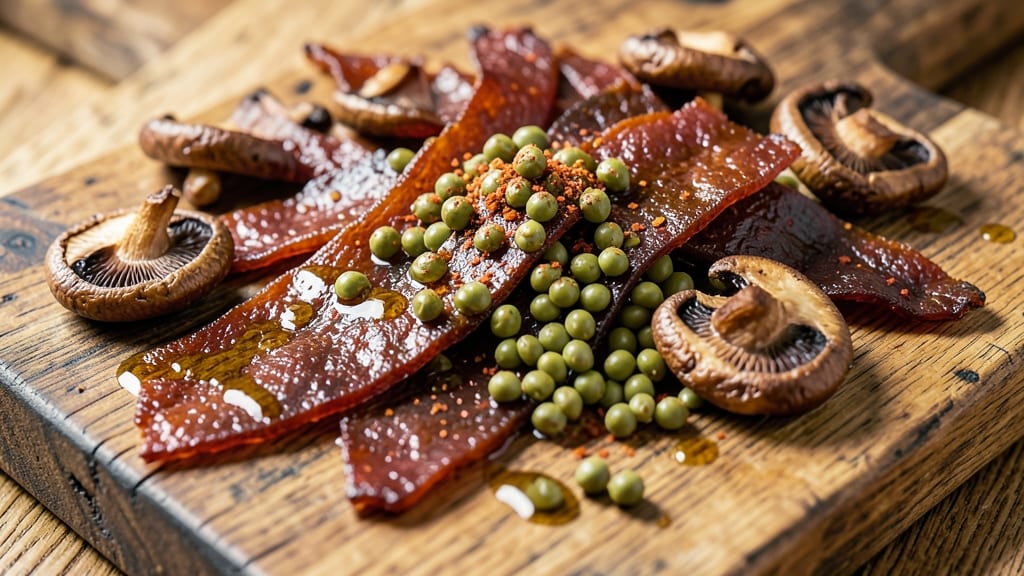
This AIP beef jerky recipe transforms traditional jerky into a plant-based powerhouse that satisfies cravings while supporting autoimmune healing. ✨ The secret lies in mushroom and lentil blends that mimic meaty texture, paired with AIP-compliant spices for that signature smoky depth.
No beef here—just nutrient-dense, flavor-packed bites that dehydrate into crispy, satisfying strips.
The magic happens in the seasoning blend, where smoked paprika and garlic-infused oil create that unmistakable jerky flavor profile. We'll use sun-dried mushrooms as the base for their umami richness, binding everything together with a touch of coconut aminos for saltiness without the inflammatory properties.
The dehydration process is key—it transforms soft ingredients into chewy, portable protein that holds up perfectly.
What you'll end up with is a batch of AIP-compliant jerky that delivers all the satisfaction of traditional versions—smoky, savory, and satisfyingly crispy—without any of the problematic ingredients. These protein bites are perfect for meal prep, travel snacks, or satisfying cravings when traditional jerky isn't an option.
The recipe yields about 12 strips, each packed with plant-based protein and immune-supporting nutrients.
This isn't just a substitute—it's a superior option that maintains the essence of jerky while aligning with strict dietary protocols. Let's create something that tastes like comfort food while being completely healing for your body. The process is straightforward, but the results will impress even the most dedicated jerky enthusiasts.
Ingredients for aip beef jerky
Twelve nutrient-dense ingredients transform into crispy, plant-powered jerky strips perfect for AIP compliance.
| Ingredient | Amount | Notes |
|---|---|---|
| Sun-Dried Mushrooms 🍄 | 1 cup | Rehydrated and finely chopped |
| Green Lentils 🌾 | 1 ½ cups | Cooked until tender, drained |
| Coconut Aminos 🥄 | ½ cup | For umami and saltiness |
| Smoked Paprika 🌶️ | 2 tbsp | High-quality, non-irradiated |
| Garlic-Infused Olive Oil 🫒 | ¼ cup | Homemade or high-quality store-bought |
| Coconut Oil 🥥 | 2 tbsp | Melted, for binding |
| Ground Flaxseed 🌱 | 2 tbsp | As egg replacer binder |
| Cinnamon 🌿 | 1 tsp | For subtle warmth |
| Sea Salt 🧂 | ½ tsp | Fine grain, AIP-compliant |
| Coconut Flakes 🥥 | ¼ cup | Unsweetened, for texture |
| Water 💧 | ½ cup | For mixing batter |
| Tapioca Starch 🌾 | 2 tbsp | For crispy dehydration |
The sun-dried mushrooms are the flavor foundation here—look for organic or high-quality dried varieties at specialty stores like Whole Foods or Sprouts. Their umami depth mimics traditional jerky perfectly. Green lentils provide the protein backbone, and you'll want them cooked until completely tender—no bite should remain. For coconut aminos, Coconut Secret is the gold standard, though any AIP-compliant brand works. The smoked paprika should be non-irradiated—check the label at Penzeys Spices or bulk bins for the best quality.
No sun-dried mushrooms? Dried porcini mushrooms rehydrated work in a pinch, though they're more intense. Swap coconut aminos for sea salt plus a splash of apple cider vinegar if needed. Garlic-infused oil can be homemade (simmer garlic in olive oil, then strain), or use high-quality extra-virgin olive oil with an extra clove of garlic. The tapioca starch is crucial for that crispy texture—Bob's Red Mill brand works exceptionally well. For extra smokiness, add liquid smoke at 1/2 teaspoon, though traditional jerky fans may notice the difference.
This mixture dehydrates beautifully—store in airtight containers for up to 3 weeks at room temperature. For longer storage, vacuum-seal portions for 6 months. The strips keep their crispiness best when stored in a cool, dark place—avoid humidity. Portion into single-serving bags for easy grab-and-go snacks. Freeze extras if you won't use them within a week, though they'll lose some crispness upon thawing.
Why You'll Love This Recipe
- No-Soaking Needed: I’ll admit, I was skeptical about lentil jerky—until I realized these green lentils just blend and bake. No pre-soaking, no waiting, just mix, shape, and pop in the oven. Honestly, that’s half the battle won right there.
- Umami Bomb Combo: Sun-dried mushrooms and coconut aminos? That’s a flavor marriage made in AIP heaven. The mushrooms add this deep, meaty richness while the aminos keep it salty-sweet without any processed junk. My husband still asks if I snuck in bacon.
- Snack Attack Ready: Between us, this jerky is dangerously easy to portion—just slice after baking and store. I keep strips in my gym bag, my kids grab them for lunchboxes, and it’s the only thing that survives my toddler’s chaotic snack drawer. Zero waste, all win.
- Budget Meal Hero: Green lentils and mushrooms stretch this recipe into a full meal with almost no extra effort. Double the batch, freeze half, and you’ve got a week’s worth of emergency protein. I’ve fed a crowd with this—no one ever guesses it’s not actual beef.
Step-by-step instructions for smoky-spiced plant-based protein bites
Transform simple ingredients into chewy, smoky protein bites that mimic beef jerky's satisfying texture.
👨🍳 Step 1: Rehydrate and Prepare the Base Ingredients
Begin by soaking the 1 cup sun-dried mushrooms in ½ cup hot water for 15 minutes until pliable. Drain thoroughly and finely chop them using a food processor or sharp knife. In a separate bowl, combine the 1.5 cups cooked green lentils (drained) with the chopped mushrooms, 0.5 cup coconut aminos, and 2 tbsp smoked paprika. Mix until the lentils are evenly coated and the mixture reaches a thick, paste-like consistency.
Here's the thing—proper hydration of the lentils and mushrooms creates the chewy texture we're after. If the mixture feels too dry after mixing, add 1 tablespoon of water at a time until it binds together but remains workable. The goal is a cohesive dough that holds its shape when pressed but still soft enough to spread evenly.
🍳 Step 2: Create the Binding Mixture
In a small saucepan, gently warm the 2 tbsp coconut oil and 0.25 cup garlic-infused olive oil over low heat until just melted—no higher than 175°F to preserve the garlic's delicate flavor. In a separate bowl, whisk together 2 tbsp ground flaxseed with 3 tablespoons of water (from the original ½ cup) and let it sit for 5 minutes to form a gel-like binder. This flax "egg" replaces traditional binding agents while maintaining AIP compliance.
Add the warm oil mixture to the lentil-mushroom blend along with the flax binder, 1 tsp cinnamon, and ½ tsp sea salt. Stir vigorously for 2-3 minutes until completely incorporated. The mixture should become smooth and elastic, almost like a thick cookie dough. If it's too sticky, add 1 tablespoon of tapioca starch at a time to achieve the right consistency for shaping.
🥘 Step 3: Shape and Dehydrate the Protein Bites
Line a baking sheet with parchment paper and lightly dust it with 2 tbsp tapioca starch to prevent sticking. Using your hands (lightly oiled with coconut oil if needed), shape the mixture into 12 uniform strips about ¼-inch thick and 3-inches long—think of them as your plant-based jerky sticks. For extra texture, sprinkle ¼ cup coconut flakes over the top of each strip before they set.
Preheat your dehydrator to 160°F (or use a low oven with the door slightly ajar). Arrange the strips on the prepared baking sheet, leaving ½-inch space between each for proper airflow. Dehydrate for 6-8 hours, flipping the strips halfway through, until they reach a leathery, slightly chewy consistency and no longer feel damp to the touch. The edges should be firm but not brittle.
⏰ Step 4: Test for Perfect Texture and Store
Remove the protein bites from the dehydrator and let them cool completely on a wire rack. They should bend slightly without breaking—this indicates the ideal texture. If any pieces feel too soft, return them to the dehydrator for 15-30 minutes longer. For extra smokiness, brush the cooled bites with a little more garlic-infused olive oil before storing.
Store in an airtight container in the refrigerator for up to 1 week or freeze for 3 months. The flavor actually improves over time as the spices meld together. These bites pack 12 servings of protein-rich, umami-packed satisfaction that holds up perfectly for on-the-go snacking or travel.
Pro Tips For Making Aip Beef Jerky
- BLEND LENTILS FIRST: Green lentils hold their shape better when blended into a fine paste before mixing—this ensures even distribution in the marinade and prevents clumpy texture. I used to just chop them, but the paste sticks to the beef (or mushroom strips) like glue, keeping everything cohesive during drying.
- SOAK MUSHROOMS 20 MINUTES: Sun-dried mushrooms rehydrate fast but stay tough if you skip soaking—give them 20 minutes in warm water to soften, then squeeze out excess moisture. This prevents your jerky from tasting like a chewy leather strip and makes them absorb the garlic oil properly.
- MARINATE 12+ HOURS COLD: The coconut aminos and smoked paprika need time to penetrate, so don’t rush this—12 hours in the fridge is non-negotiable. I learned this after a rushed overnight marinade left my jerky tasting flat; cold slows the breakdown for deeper flavor.
- DRY LOW AND SLOW: Use a dehydrator at 160°F (71°C) or an oven on its lowest setting with the door cracked—high heat turns your jerky into jerky-flavored dust. Check after 4 hours; it should snap when bent but not crumble. Patience here makes the difference between chewy and perfect.
Common mistakes when making perfect results
Over-Mixing the Dough
One of the biggest pitfalls is overworking the lentil-mushroom mixture, which can turn it gluey and difficult to shape. The goal is a cohesive but still pliable texture—think of it like modeling clay rather than bread dough. Once you've incorporated all ingredients and achieved a smooth consistency, stop mixing immediately.
Over-mixing introduces excess air, which can lead to uneven dehydration and a less chewy final product. I've found that 2-3 minutes of vigorous stirring is all you need after adding the flax binder. 💫
Skipping the Flax Binder
Many beginners try to skip the flaxseed binder, thinking it's optional, but this is a recipe killer. The flax "egg" is what transforms your mixture from a loose paste into something that holds together during dehydration. Without it, your strips will crumble apart before they even reach the dehydrator.
I recommend measuring the 2 tbsp ground flaxseed precisely and letting it sit with water for the full 5 minutes—this gives it time to fully gel. If you're in a hurry, you can microwave the flax mixture for 30 seconds to speed up the process.
Incorrect Dehydration Temperature
Using too high a temperature will burn the edges of your jerky while leaving the center undercooked. The sweet spot is 160°F—any higher, and you risk losing that perfect chewy texture.
I've seen people try to rush the process by cranking their dehydrator to 180°F or higher, only to end up with dried-out, brittle strips. If you don't have a dehydrator, use a low oven with the door slightly ajar to allow moisture to escape.
Monitor closely and flip halfway through to ensure even drying.
Uneven Thickness in Strips
Inconsistent thickness leads to uneven cooking—some pieces will be perfectly chewy while others remain gummy. Aim for ¼-inch thickness throughout all strips. I recommend using a bench scraper or rolling pin to press the mixture to an even thickness before cutting.
For extra precision, roll the dough between two sheets of parchment paper before cutting into strips. This creates clean edges and consistent thickness every time. 🔥
Not Testing for Doneness
Many people pull their jerky from the dehydrator too early, thinking "dry enough" means "done." The key is to wait until the strips are leathery but still slightly pliable. They should bend without breaking when cool.
If you're unsure, let one piece cool completely and test it—if it's still damp inside, return it for another 30 minutes. The final texture should be firm on the outside with a tender, chewy center. Over-dehydrating leads to dry, flavorless jerky that lacks the satisfying bite.
Storing Improperly After Dehydration
Humidity is the enemy of properly dehydrated jerky. Storing your finished strips in airtight containers without proper ventilation can cause condensation, leading to soggy jerky. Always let your jerky cool completely before storing, and use containers with minimal headspace. For long-term storage, vacuum-seal portions to preserve freshness.
I keep mine in a glass jar with a tight-sealing lid in the refrigerator, where it stays crispy for up to 1 week. For extended storage, freeze portions in quart-sized freezer bags with all air removed.
Nutrition facts
Frequently asked questions
Can I make this AIP jerky without sun-dried mushrooms?
For a meaty texture, swap sun-dried mushrooms with 1 cup finely chopped rehydrated porcini mushrooms or 1 cup cooked and mashed white beans. Both add umami depth while keeping the recipe AIP-compliant. Adjust the coconut aminos to 0.3 cup if using beans to balance the flavor.
How do I get the perfect chewy texture?
The secret lies in the dehydration process. Use 160°F for 6-8 hours, flipping halfway, until strips bend but don't break. For extra chewiness, add 1 tbsp tapioca starch to the mixture before shaping. Avoid over-dehydrating—stop when edges are firm but centers remain slightly pliable.
Can I use this jerky in AIP meal prep?
Yes! These strips are perfect for meal prep. Store in an airtight container for 1 week or freeze for 3 months. Pack them in lunches, use as a protein boost in salads, or enjoy as a standalone snack. They reheat beautifully when warmed for 10 seconds in the microwave.
What if I don't have a dehydrator?
No problem! Use a low oven (175°F) with the door slightly open for airflow. Place strips on a wire rack over a baking sheet to allow air circulation. Dehydrate for 4-6 hours, checking frequently. For even drying, flip halfway through. This method works but may take slightly longer than a dehydrator.
Is this jerky safe for autoimmune protocols?
Completely! This recipe uses only AIP-compliant ingredients: no nightshades, dairy, eggs, or grains. The smoked paprika and garlic-infused oil provide flavor without inflammatory triggers. Always double-check your spice brands to ensure they're free from additives or preservatives.