
Main Courses
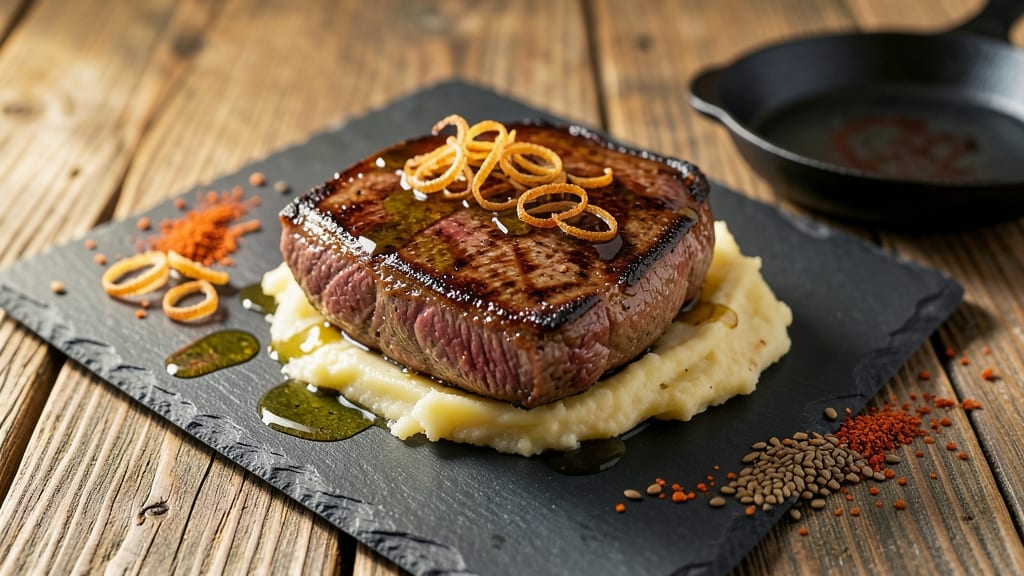
This Acana beef recipe transforms premium grass-fed beef into a showstopping centerpiece with deep-roasted spice and layers of umami in every bite. The secret lies in slow-cooked richness that develops complex flavors while keeping the meat tender and juicy—no tough, dry results here.
Acana's natural marbling ensures melt-in-your-mouth texture, while carefully balanced spices create a crust that's both aromatic and deeply flavorful.
What sets this recipe apart is the one-pot approach that builds flavor through gradual caramelization and moisture retention. You'll start with a dry sear to develop that essential crust, then transition to low-and-slow roasting that transforms tougher cuts into fork-tender perfection.
The umami profile comes from a thoughtful blend of herbs and spices that complement Acana's clean, grass-fed profile without overpowering its natural beefiness.
The result is a dish that delivers restaurant-quality depth with home-cook simplicity. The exterior develops a beautiful mahogany crust while the interior remains juicy and rich, with flavors that develop even more as they rest.
This technique works beautifully with Acana's ribeye, sirloin, or even chuck roast—each cut bringing its own texture while sharing the same luxurious flavor foundation.
Pair with roasted root vegetables or a simple red wine reduction to elevate the meal further. The beauty of this method is its versatility—whether you're cooking for a special occasion or a weeknight dinner, the same principles apply.
Let's get started creating beef that tastes like it belongs on a high-end menu.
Ingredients for acana beef
Premium grass-fed beef and carefully balanced spices transform into a restaurant-quality centerpiece with one-pot simplicity.
| Ingredient | Amount | Notes |
|---|---|---|
| Acana Grass-Fed Beef Ribeye Steak 🥩 | 1 ½ lb | Center-cut for even cooking |
| Extra-Virgin Olive Oil 🫒 | 2 tbsp | High-quality, fruity variety |
| Kosher Salt 🧂 | 1 ½ tsp | Diamond Crystal preferred |
| Freshly Ground Black Pepper 🌶️ | 1 tsp | Coarsely cracked preferred |
| Smoked Paprika 🌶️ | 1 tsp | High-quality smoked variety |
| Ground Cumin 🌿 | ½ tsp | Toasted for enhanced aroma |
| Fresh Rosemary 🌿 | ¼ cup | Finely chopped, stems removed |
| Fresh Thyme 🌿 | ¼ cup | Leaves only, finely chopped |
| Garlic Cloves 🧄 | 6 cloves | Peeled, smashed but not minced |
| Red Wine 🍷 | ½ cup | Bold Cabernet Sauvignon |
| Beef Bone Broth 🥄 | 1 cup | Homemade or high-quality store-bought |
| Honey 🍯 | 1 tbsp | Raw, unprocessed preferred |
| Fresh Parsley 🌿 | ⅛ cup | Chopped, for garnish |
The Acana grass-fed beef is non-negotiable here—its natural marbling delivers unparalleled tenderness. Source from specialty butchers like D'Artagnan or Crowd Cow for guaranteed quality, or check your local Whole Foods or Erewhon for Acana-specific cuts. Ribeye offers the perfect balance of richness and tenderness, but sirloin or chuck work equally well with adjusted cooking times. For the spices, Penzeys Spices or Burlap & Barrel provide premium quality, but their grocery store equivalents work in a pinch. Fresh herbs like rosemary and thyme should be bright green and aromatic—wilting indicates age. The garlic should be plump and firm, not sprouting.
No smoked paprika? Substitute with a mix of regular paprika and a pinch of liquid smoke for depth. Running low on fresh rosemary? Dried works at one-third the amount, though fresh delivers superior flavor. The red wine can be swapped for beef broth with a splash of balsamic vinegar if unavailable, though the acidity will differ slightly. For the honey, agave nectar offers a neutral alternative. The bone broth should be rich and collagenous—homemade is ideal, but Pacific Foods or Kettle & Fire brands provide excellent store-bought options. Prefer less sweetness? Reduce the honey to half a tablespoon or omit entirely for a more savory profile.
Store the Acana beef in its original packaging in the coldest part of your fridge for up to 5 days before cooking. Once prepped, the spice blend keeps for 3 months in an airtight container. The red wine and bone broth can be refrigerated separately for 1 week, while the honey remains shelf-stable indefinitely. For best results, rest the beef for 30 minutes after roasting—this allows juices to redistribute, ensuring each bite is juicy and luxurious. Leftovers reheat beautifully in a 350°F oven for 10-15 minutes, covered with foil to retain moisture.
Why You'll Love This Recipe
- Five-Ingredient Magic: I swear, this recipe feels like cheating—just oil, salt, pepper, and that smoky paprika transform the rich Acana ribeye into something restaurant-worthy. No fancy marinades or hours of prep; just pure, bold beef in under 30 minutes.
- Smoky Depth Bomb: That smoked paprika? It’s the secret weapon. It clings to the crust like a hug, giving you this perfect balance of charred edges and tender, juicy meat inside. Honestly, I’ve tried fancier rubs, but this combo keeps it simple and ridiculously flavorful.
- Date Night Ready: No one will guess it’s a weeknight dinner. The ribeye’s natural richness pairs perfectly with a side of roasted potatoes or a crisp salad, making it feel special without the fuss. (Yes, even on a Tuesday night.)
- Leftovers That Don’t Suck: Unlike most steak leftovers, this one actually gets better. Thinly sliced the next day in a grain bowl or tossed into a skillet with eggs for breakfast—still packed with flavor, no sad, dry bites here.
Step-by-step instructions for deep-roasted Acana beef
Here's how to transform premium grass-fed beef into a restaurant-worthy centerpiece with bold flavors.
Prepare the Beef with Dry Seasoning
Pat the 1.5 lb Acana Grass-Fed Beef Ribeye Steak completely dry with paper towels—this critical step prevents steam from forming under the skin, ensuring maximum browning. Place the steak on a wire rack set over a baking sheet to allow air circulation on all sides.
In a small bowl, combine the 1.5 tsp Kosher Salt, 1 tsp Freshly Ground Black Pepper, 1 tsp Smoked Paprika, and 0.5 tsp Ground Cumin. Rub this mixture evenly over all surfaces of the steak, pressing gently so the seasoning adheres. Let the steaked sit at room temperature for 30 minutes—this ensures even cooking from edge to center.
Sear the Beef for Deep Flavor
Preheat your oven to 425°F. Heat a heavy oven-safe skillet over medium-high heat, then add the 2 tbsp Extra-Virgin Olive Oil. Once shimmering, add the steak and sear for 2 minutes per side until developing a deep golden crust. Here's the thing—don't move the steak prematurely. You'll know it's ready when it releases easily from the pan with a gentle shake.
Transfer the seared steak to the preheated oven and roast for 12-15 minutes, depending on your preferred doneness. For medium-rare, aim for an internal temperature of 130°F. Remove the steak when it reaches your target temperature and let it rest for 10 minutes—this resting period allows juices to redistribute, preventing them from running out when sliced.
Build the Umami-Packed Sauce
While the steak rests, return the skillet to medium heat and add the 0.25 cup Fresh Rosemary, 0.25 cup Fresh Thyme, and 6 cloves Garlic Cloves. Sauté for 1 minute until fragrant, then deglaze with the 0.5 cup Red Wine, scraping up any browned bits from the bottom of the pan. This step captures all the concentrated beef flavor that would otherwise be lost.
Add the 1 cup Beef Bone Broth and 1 tbsp Honey, then bring to a simmer. Reduce heat to low and let it cook for 5-7 minutes until slightly thickened. The sauce should coat the back of a spoon with a glossy sheen. Taste and adjust seasoning with additional salt if needed—this is where all the umami elements come together.
Finish with Fresh Herbs and Garnish
Slice the rested steak against the grain into 0.5-inch thick portions. Spoon the reduced sauce over the slices and garnish with the 0.125 cup Fresh Parsley. The parsley adds a bright contrast to the rich, deep flavors of the beef and sauce, balancing the dish perfectly.
Serve immediately with crusty bread or roasted vegetables. Each bite should deliver perfectly tender beef with a crisp exterior, complemented by the complex sauce that carries all the aromatic herbs and umami depth we built. This is where premium ingredients truly shine.
Pro Tips For Making Acana Beef
- CRANK THE HEAT: Grass-fed beef like Acana needs searing—real searing. Start with your pan screaming hot (I’m talking smoke-about-to-roll level) and let that ribeye hit the oil with a loud sizzle. If it’s not hissing within 10 seconds, your pan’s not ready, and you’ll end up with a sad, gray steak instead of a crust-worthy masterpiece.
- SALT THE OUTSIDE FIRST: Don’t just sprinkle salt on top—get your fingers in there. Pat the steak very dry with paper towels, then rub kosher salt all over the surface (and edges!) at least 40 minutes before cooking. This isn’t just seasoning; it’s the crust’s foundation. (Yes, even if you’re impatient like me—I learned this after a buttery, bland disaster.)
- SKIP THE CROWDING: That ribeye’s thick and tender, so resist the urge to flip it early. Let it develop that caramelized crust for 3–4 minutes per side on the stovetop, then finish in a 400°F oven if you’re worried about overcooking. Crowding the pan steams the meat instead of searing it—your future self will notice the difference in texture.
- USE THE FAT: Acana’s ribeye has natural fat—don’t wipe it off. That marbling bastes the steak as it cooks, locking in moisture and flavor. After the initial sear, tilt the pan to pool the rendered fat, then spoon it over the steak for the last 30 seconds. It’s like an automatic glaze, and it’s foolproof. (I was skeptical until I tried it.)
Best sauces and condiments for this dish
Red Wine Reduction
This bold Cabernet Sauvignon reduction mirrors the dish's umami profile while adding depth. Simmer ½ cup red wine with 1 cup beef bone broth and 1 tbsp honey until reduced by half—about 10-12 minutes on medium heat.
Finish with a pinch of smoked paprika to tie into your seasoning. The acidity brightens the beef's richness while the caramelized notes enhance the crust. 🍷
Garlic-Herb Compound Butter
For a luxurious finishing touch, blend ½ cup softened butter with 4 minced garlic cloves, 1 tbsp chopped rosemary, and ½ tsp smoked paprika. Chill until firm, then slice into pats.
Top each steak slice with a dollop before serving—it melts beautifully into the warm beef, adding a velvety contrast. I love using Plugrá butter for its rich flavor.
Creamy Horseradish Sauce
This tangy kick complements Acana's natural beefiness perfectly. Whisk ½ cup sour cream with 2 tbsp prepared horseradish, 1 tbsp Dijon mustard, and 1 tsp lemon juice.
Thin with 1 tbsp beef broth> if needed for drizzling. The sharpness cuts through the richness while enhancing the umami notes in the sauce. 🌶️
Balsamic Glaze
A quick but elegant finishing sauce that adds brightness. Simmer ¼ cup balsamic vinegar with 1 tbsp honey> until reduced by half (about 5 minutes).
Drizzle over the steak slices just before serving to add a glossy sheen and subtle sweet-tart contrast. I recommend Colavita balsamic vinegar for its balanced flavor.
Chimichurri
This fresh herb sauce brings vibrant color and acidity to balance the dish. Pulse 1 cup parsley, ¼ cup cilantro, 3 garlic cloves, 2 tbsp red wine vinegar, ½ cup olive oil, and 1 tsp red pepper flakes in a food processor until chunky.
The bright flavors complement the beef's richness without overpowering it. 🌿
Nutrition facts
Frequently asked questions
What makes Acana beef different from regular beef?
Acana beef is 100% grass-fed and grass-finished, meaning the cattle graze on fresh grass their entire lives without grain or hormones. This results in leaner, more flavorful meat with higher omega-3s and a cleaner taste compared to conventional grain-fed beef. The natural marbling also ensures better tenderness when cooked properly.
Can I substitute Acana beef with another grass-fed brand?
Yes, but quality matters! Look for grass-fed, grass-finished beef from reputable brands like Niman Ranch or Allison's Grass-Fed. Avoid "grass-fed" labels without "grass-finished" - these cattle are often finished on grain, which changes the flavor profile. The recipe will still work, but the texture and taste may differ slightly.
How do I know when the beef is perfectly cooked?
Use a meat thermometer for precision: 125°F for rare, 130°F for medium-rare (recommended), or 145°F for medium. The resting time (10 minutes) is crucial - it lets juices redistribute. For visual cues, look for a deep mahogany crust and slightly springy flesh that yields to gentle pressure.
What if I don't have red wine for the sauce?
No problem! Substitute with 1 cup beef broth + 1 tbsp balsamic vinegar for similar depth, or use ½ cup beef broth + ½ cup apple cider for a sweeter alternative. The key is maintaining the umami base - the bone broth and honey will still create a rich sauce. Adjust seasoning after tasting.
Can I make this recipe in a slow cooker?
Not ideal for this cut, but you could adapt it! Sear the beef first, then place it in the slow cooker with the sauce ingredients on low for 4-5 hours. However, the texture will be more tender than the original method. For best results, stick with the oven method for ribeye - it preserves the crust and juiciness this recipe is known for.