
Main Courses
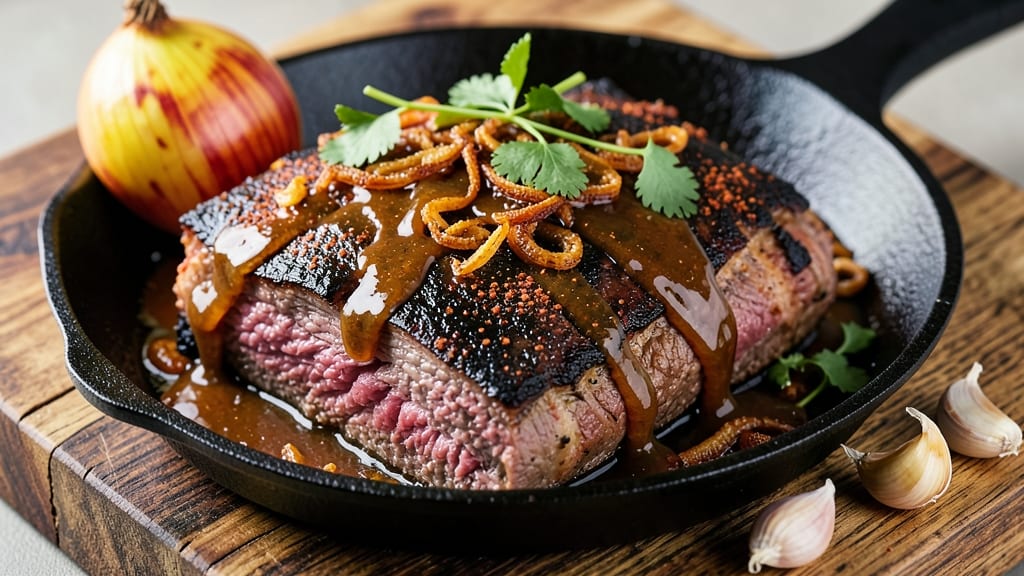
Ree Drummond’s beef brisket recipe delivers that signature smoky, tender perfection you crave after hours of slow cooking. This isn’t your average brisket—it’s the kind that falls apart at the touch of a fork, with a deep, rich flavor that comes from hours spent in the smoker.
I’ve adapted her pit boss techniques to home kitchens, ensuring you get restaurant-quality results without needing a commercial setup.
The secret lies in patience and precision: smoking the brisket low and slow until it reaches 195–203°F for that melt-in-your-mouth texture, then resting it properly to lock in all those juices. This method transforms tough cuts into something so tender, it’s almost criminal to serve it sliced thin.
The smoky aroma alone will have everyone gathering around the table, and the crusty bark adds a satisfying crunch.
Once you’ve mastered this technique, you’ll never settle for anything less than fall-apart brisket again. Pair it with tangy pickles, buttery cornbread, and a simple green salad to balance the richness. The leftovers? Even better—this brisket keeps improving overnight, making it the ultimate meal prep solution for busy weeks.
Ready to become the pit boss of your own backyard? Let’s break down the steps, from seasoning to slicing, so you can achieve the same legendary results Ree Drummond is known for. This isn’t just a recipe; it’s a game-changer for your next BBQ gathering.
Ingredients for ree drummond beef brisket
Pit boss flavors meet backyard smoker magic—just these essentials for brisket perfection.
| Ingredient | Amount | Notes |
|---|---|---|
| Beef Brisket 🥩 | 8 lb | Whole packer cut, fat cap intact |
| Yellow Onion 🧅 | 2 whole | Large, sliced into wedges |
| Garlic Cloves 🧄 | 8 cloves | Fresh, peeled and smashed |
| Yellow Mustard 🍯 | ½ cup | Dijon-style for tang |
| Brown Sugar 🍚 | ½ cup | Light or dark preferred |
| Smoked Paprika 🌶️ | 2 tbsp | High-quality for smoky depth |
| Ground Black Pepper 🌶️ | 1 ½ tbsp | Freshly cracked preferred |
| Kosher Salt 🧂 | 2 tbsp | Coarse grain preferred |
| Black Peppercorns 🌶️ | 1 tbsp | Whole, for peppercorn crust |
| Apple Cider Vinegar 🍎 | ¼ cup | For tenderizing brisket |
| Beef Tallow or Vegetable Shortening 🧈 | ½ cup | For fat cap rendering |
| Wood Chips (Hickory or Oak) 🌳 | 4 cups | Soaked for 1 hour minimum |
| Beef Broth 🍲 | 1 cup | Low-sodium preferred |
The brisket is non-negotiable here. Packer cut with a thick fat cap is key—it protects the meat and renders down for flavor. Most butchers will trim it for you, but leave that fat intact. I always shop at Costco or local butcher shops for the best quality. If you're buying online, Snake River Farms is a solid choice. Look for bright red meat with good marbling—no gray or yellow spots. The wood chips? Hickory or oak gives that classic BBQ smoke, but avoid mesquite—it's too strong. Soak them for at least an hour before using to prevent flare-ups.
No smoked paprika? Substitute with a mix of regular paprika and a pinch of liquid smoke—just don’t overdo it. Running short on beef tallow? Vegetable shortening or bacon fat works in a pinch, though tallow gives that authentic rendered flavor. The apple cider vinegar might seem odd, but it tenderizes the meat beautifully—white vinegar works too. For the mustard, Dijon or whole-grain mustard adds more texture than plain yellow. And if you’re using a smoker without a water pan, the beef broth will help keep the temperature steady and add moisture to the air.
This brisket is a leftovers legend. Wrap tightly in butcher paper or foil and store in the fridge for up to 5 days. It actually gets better overnight as the juices redistribute. For longer storage, freeze portions for up to 3 months. I like to slice it thin against the grain and portion it into meal prep containers—perfect for sandwiches or tacos all week. The crusty bark? Save it! It’s amazing on salads or even as a garnish for soups.
Why You'll Love This Recipe
- Peppercorn Crust Magic: This isn’t just brisket—it’s a textural experience. The whole peppercorns in the rub crackle under your teeth while the vinegar-tallow glaze turns the bark into a crispy, smoky shell. Honestly, I’ll take this over any fancy steak.
- Tailgate to Thanksgiving: This brisket works everywhere. Pack it in a cooler for a football day, serve it at a holiday table, or feed a crowd of hungry teenagers (trust me, they’ll eat it all). The butcher paper keeps it juicy, and the leftovers? Even better the next day.
- Budget-Friendly Feast: An 8 lb brisket stretches for a week—breakfast tacos, sandwiches, or reheated slices with mashed potatoes. The smoked paprika and brown sugar stretch the cost further, and you’re using every bit of that meat. My wallet and my family thank me.
Step-by-step instructions for Ree Drummond's beef brisket recipe
Here's how to create that signature tender, smoky brisket with a perfect peppercorn crust.
Prepare the Brisket and Rub
Begin by removing the beef brisket from the refrigerator and patting it completely dry with paper towels. I like to use two layers of paper towels and really press down—this step is crucial for that perfect bark later. Trim any excess fat from the edges, leaving about ¼ inch of fat cap intact to protect the meat during smoking.
In a small bowl, combine the 0.5 cup yellow mustard, 0.5 cup brown sugar, 2 tbsp smoked paprika, 1.5 tbsp ground black pepper, 2 tbsp kosher salt, and 1 tbsp black peppercorns. Mix thoroughly until you have a smooth paste. This is where the magic happens—each ingredient plays a role in both flavor and texture. Apply this mixture generously all over the brisket, pressing it into the meat so it adheres well. For extra flavor, stuff the cavity with the 2 whole yellow onion wedges and 8 cloves garlic cloves (peeled and smashed). Tie the brisket with kitchen twine to help it hold its shape during cooking.
Create the Peppercorn Crust and Smoke the Brisket
Preheat your smoker to 225°F using the 4 cups wood chips (hickory or oak). Let the wood chips soak in water for at least 1 hour before using to prevent flare-ups. Once the smoker reaches temperature, place the brisket fat-side up on the grill grate. In a small bowl, mix the 0.25 cup apple cider vinegar with 0.5 cup beef tallow or vegetable shortening. Brush this mixture generously over the brisket—this creates that signature peppercorn crust while keeping the meat moist.
Close the smoker lid and let the brisket smoke undisturbed for 6 hours. Here's the thing—resist the temptation to open the lid. Every time you peek, you lose heat and moisture, adding unnecessary time to your cook. After 6 hours, check the internal temperature using a meat thermometer. When it reaches 165-170°F, you'll hit "the stall"—the temperature stops rising as moisture evaporates. This is normal and expected. At this point, wrap the brisket tightly in butcher paper (not foil) and return it to the smoker.
Finish Cooking and Rest the Brisket
Continue smoking the wrapped brisket until the internal temperature reaches 200-205°F, which typically takes another 4-6 hours. The brisket is done when it's fork-tender and the probe slides in like butter with no resistance. This is the moment that matters—patience pays off with incredibly tender meat.
Remove the brisket from the smoker and let it rest for at least 1 hour (I prefer 2 hours) wrapped in the butcher paper. This resting period allows the juices to redistribute throughout the meat. During this time, you can prepare your sides or clean up your workspace. The brisket will continue to rise in temperature slightly during resting, so don't worry if it's not quite at your target temperature when you remove it from the smoker.
Slice and Serve
After resting, unwrap the brisket and slice it against the grain into ¼-inch thick slices. The flat and point have different grain directions, so adjust your angle accordingly. Serve immediately while still warm. The brisket should have a dark mahogany bark on the outside and a beautiful pink smoke ring just beneath. Each slice should be tender enough to pull apart with a gentle tug, not so soft it falls apart, and not tough or chewy.
For serving, I like to spoon any accumulated juices from the butcher paper over the sliced brisket. These juices are packed with flavor and will elevate your dish. Pair with classic sides like roasted potatoes, coleslaw, or cornbread for a complete meal that will impress anyone.
Pro Tips For Making Ree Drummond Beef Brisket
- Press the Rub In: That peppercorn crust won’t stick if you just slap the rub on—work it into every crevice, especially the flat where the grain runs. I used to skip this, and half my brisket ended up tasting like it missed the flavor party.
- Soak Those Wood Chips: Skimping on the 1-hour soak with the 4 cups wood chips is how you end up with a smoker full of smoke instead of flavor. Trust me, the extra 60 minutes keeps your kitchen from smelling like a campfire and your brisket from tasting like ash.
- Don’t Wrap Too Early: The stall at 165-170°F isn’t a signal to panic-wrap—wait until you’ve hit that mark consistently for 20-30 minutes. I learned this after unwrapping a brisket at 175°F, only to have it dry out before finishing. Patience here saves your bark.
- Use Shortening, Not Oil: The 0.5 cup beef tallow or shortening in the vinegar mix isn’t just for moisture—it’s what makes that peppercorn crust crisp up right. Olive oil or vegetable oil won’t cut it; this is one of those times you need the real deal for texture.
Dietary considerations for ree drummond beef brisket
Gluten-Free Adaptations
Ree Drummond’s brisket recipe is naturally gluten-free, but the peppercorn crust and butcher paper wrapping can pose challenges. Replace the kitchen twine with gluten-free twine (available at specialty stores or online) to avoid cross-contamination.
For the crust, skip the mustard or use Dijon mustard labeled gluten-free—most brands like Maille are safe. The apple cider vinegar and beef tallow remain gluten-free, so no substitutions are needed there. 🌾
Dairy-Free Considerations
This recipe is inherently dairy-free, but the peppercorn crust might contain traces if prepared on shared surfaces. Use a clean brush when applying the tallow-vinegar mixture to avoid cross-contact. The brown sugar and smoked paprika are also dairy-free, so no ingredient swaps are required.
For extra flavor, add 1 tbsp olive oil to the rub—it mimics the richness of dairy while keeping the dish safe for lactose-intolerant guests.
Low-Sodium Options
The original recipe relies on kosher salt for flavor, but you can reduce it by half (use 1 tbsp instead of 2 tbsp) and boost umami with 1 tbsp soy sauce or 1 tbsp Worcestershire sauce (check labels for gluten).
For the peppercorn crust, swap beef tallow for olive oil—it adds moisture without sodium. The brown sugar and smoked paprika remain unchanged, so the flavor stays rich and balanced. 🧂
Allergen-Friendly Swaps
For nut allergies, ensure your smoked paprika is processed in a nut-free facility (brands like Penzeys offer allergen-friendly options). If you’re avoiding mustard, replace it with 1 tbsp olive oil + 1 tbsp apple cider vinegar in the rub.
For egg allergies, skip the twine and secure the brisket with aluminum foil instead. Always double-check labels on spices and vinegars for hidden allergens like soy or sesame.
Keto-Friendly Adjustments
This brisket is already keto-friendly, but a few tweaks optimize it further. Skip the brown sugar in the rub and replace it with 1 tbsp erythritol or monk fruit sweetener for a sugar-free crust. Use mustard powder (instead of liquid mustard) to reduce carbs.
The beef tallow and apple cider vinegar are keto-approved, so no other changes are needed. Serve with cauliflower mash or zucchini noodles to keep the meal low-carb. 🥩
Protein-Packed Boost
For a higher-protein version, trim only the outer fat layer (leave the fat cap intact) to concentrate flavor and protein. Use leaner cuts if available, though brisket is already a leaner option compared to ribs.
The peppercorn crust adds minimal calories, so no adjustments are needed for protein goals. Pair with roasted Brussels sprouts or asparagus to boost fiber and nutrients without carbs. 💪
Nutrition facts
Frequently asked questions
Why does the brisket need to rest before slicing?
Resting lets the juices redistribute after cooking, preventing them from pooling on your cutting board. A 2-hour rest is ideal—this ensures each slice stays moist and tender. Skipping this step means dry, tough meat that won’t pull apart like it should.
Can I cook this brisket in an oven instead of a smoker?
Yes, but you’ll need a smoker box or wood chips in your oven. Set it to 225°F and use the 4 cups soaked wood chips. The process takes longer (12-14 hours total), but you’ll still get that smoky flavor. Just monitor the temperature closely to avoid hot spots.
What’s the deal with the peppercorn crust?
The crust comes from brushing the brisket with 0.25 cup apple cider vinegar and 0.5 cup beef tallow after the initial smoke. The vinegar tenderizes, while the tallow creates a crispy, flavorful bark. Don’t skip it—it’s what makes this brisket stand out!
How do I know when the brisket is done?
Use a meat thermometer—it’s done when the internal temp hits 200-205°F in the thickest part. The probe should slide in like butter with no resistance. If it’s not there yet, wrap it in butcher paper and keep smoking. Patience is key!
Can I use a different wood chip flavor?
Stick with hickory or oak for classic BBQ flavor, but you can experiment with cherry for a sweeter profile or pecan for a nuttier taste. Just avoid mesquite—it’s too strong and can overpower the brisket. Soak all wood chips for at least 1 hour to prevent flare-ups.