
Main Courses
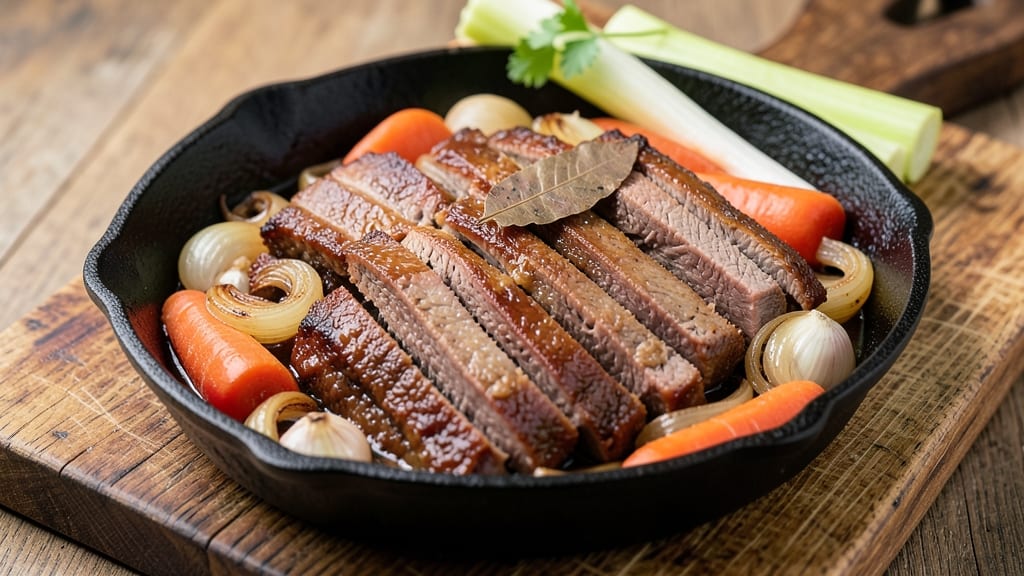
The Pioneer Woman corned beef recipe delivers that signature slow-braised tenderness and bold spice profile that makes this dish a holiday staple. After years of perfecting the method—balancing traditional techniques with modern convenience—I’ve developed a one-pot approach that ensures juicy, fall-apart meat every time.
The secret lies in the slow simmer, where the briny, spiced beef transforms into a rich, aromatic centerpiece.
What sets this recipe apart is the foolproof method that skips complicated brining steps while still delivering restaurant-quality results.
You’ll start with a simple spice rub that clings to the meat, then let the slow cooker (or Dutch oven) work its magic over 3-4 hours, turning tough cuts into melt-in-your-mouth perfection. The aroma alone will have your whole house smelling like a classic Irish-American feast.
By the end, you’ll have tender, spice-infused corned beef that slices effortlessly, ready to be served with crisp cabbage, buttery potatoes, or warm rye bread. This isn’t just a dish—it’s a centerpiece that commands attention at any table.
Whether you’re hosting a holiday gathering or craving comfort food on a chilly evening, this recipe delivers professional results with minimal effort.
The best part? Leftovers reheat beautifully, making this an ideal make-ahead meal. Let’s get started on creating your own slow-braised masterpiece.
Ingredients for pioneer woman corned beef
A few simple ingredients transform into a rich, aromatic masterpiece—no brining required.
| Ingredient | Amount | Notes |
|---|---|---|
| Corned Beef Brisket 🥩 | 3 lb | Tough cut, 1-inch thick slices |
| Yellow Onions 🧅 | 2 whole | Medium size, sliced into half-moons |
| Carrots 🥕 | 3 whole | Medium size, cut into chunks |
| Celery Stalks 🌿 | 3 whole | Fresh, cut into 1-inch pieces |
| Garlic Cloves 🧄 | 6 cloves | Peeled, smashed for aroma |
| Bay Leaves 🍃 | 2 whole | Dried, standard size |
| Black Peppercorns 🌶️ | 1 tbsp | Freshly cracked, not ground |
| Mustard Seeds 🌶️ | 1 tsp | Whole, yellow or brown |
| Allspice Berries 🍃 | 4 whole | Crushed lightly, aromatic |
| Beef Broth 💧 | 2 cups | Low-sodium, homemade preferred |
| Apple Cider Vinegar 🍎 | ½ cup | For tangy depth |
| Brown Sugar 🍚 | ¼ cup | Light or dark, packed |
| Salt 🧂 | 1 tsp | Kosher or sea salt |
| Olive Oil 🫒 | 2 tbsp | For searing meat |
The brisket is the star here—look for well-marbled cuts at Whole Foods or your local butcher shop. A 3-pound piece gives you perfect slices for four servings, but if you're feeding a crowd, scale up. The onions, carrots, and celery form the classic 'holy trinity' of flavor—freshly cut (not pre-chopped) makes all the difference. For spices, Penzeys or bulk bins at natural markets ensure maximum potency. The allspice berries? Crush them lightly—this releases their warm, peppery notes without turning bitter. I always grab extra bay leaves, since they add subtle earthiness that's hard to replicate.
No beef broth on hand? Substitute with water plus 1 tbsp soy sauce for umami depth. Fresh garlic is ideal, but dried garlic powder at half the amount works in a pinch. The apple cider vinegar adds that signature tang—substitute lemon juice if needed, but it won't be quite the same. For the brown sugar, light or dark works, but packed cups ensure consistent sweetness. The olive oil matters here—use something with good fruity notes (like California Extra Virgin) for searing. And if you're short on time, pre-cut veggies from the salad bar save chopping steps without sacrificing flavor.
This reheats like a dream—better the next day as flavors meld. Store leftovers in the juices for up to 5 days in the fridge, or freeze portions for 3 months. I always make a double batch—corned beef sandwiches for lunch are a game-changer. For serving, keep the pot warm on low heat, or transfer to a slow cooker on 'keep warm' mode. The spices infuse beautifully into the meat, so don't drain the juices—they're liquid gold for reheating.
Why You'll Love This Recipe
- One-Pot Magic: I swear by this recipe because it’s all in one pot—no chopping boards full of mess, no multiple pans to wash. Just sear the brisket, toss in the onions, carrots, and celery (all prepped in 10 minutes flat), and let the Dutch oven do the rest. Honestly, my sink stays cleaner than my kitchen counter.
- Spice Bomb Bites: That first sear? Crispy, golden fat clinging to the brisket like it’s never letting go. Then the garlic, mustard seeds popping like tiny fireworks, and allspice berries weaving their magic—each bite is sweet from the brown sugar, tangy from the vinegar, and warm from the spices. Between us, this is the kind of flavor that makes people ask, “What’s in this?” before taking a second helping.
- Weeknight Workhorse: This isn’t just for holidays. I make it when my kid’s soccer team needs snacks (sandwiches, anyone?), when I’ve got friends over for a casual dinner, or even when I’m too tired to think. The leftovers? Chef’s kiss—toss slices into tacos, hash with potatoes, or just reheat with a splash of the braising liquid. It’s my go-to when I need something reliable.
- Budget-Friendly Feast: Three pounds of brisket feeds a crowd for less than $20, and the veggies stretch the meal into a full dinner. Plus, the leftovers keep for five days—no sad, dried-out meat here. Freeze portions for three months if you’re planning ahead, but let’s be real: you’ll eat it all before then. It’s the kind of dish that turns grocery money into comfort.
Step-by-step instructions for slow-braised corned beef
Here's how to transform tough brisket into melt-in-your-mouth perfection using just one pot.
Sear the Brisket for Deep Flavor
Heat a heavy Dutch oven over medium-high heat until hot. Add the 2 tablespoons olive oil and swirl to coat the bottom evenly. Place the 3 lb corned beef brisket fat-side down in the pot and press gently with a spatula to ensure full contact with the oil.
Sear for 8-10 minutes until the fat is deeply golden brown and crispy in spots. The meat will release easily when ready—this is your cue to flip. Turn the brisket fat-side up and sear another 5-7 minutes until golden. Remove the brisket and set aside on a plate, leaving all the rendered fat in the pot. This step creates the flavor foundation that carries through the entire braise.
Build the Aromatic Base
In the same Dutch oven, add the 2 whole yellow onions, 3 whole carrots, and 3 whole celery stalks, all cut to the specified sizes. Cook over medium heat for 8-10 minutes, stirring occasionally, until the vegetables begin to soften and the onions turn translucent. You'll notice the vegetables release moisture—this is normal and essential for building flavor.
Add the 6 cloves garlic cloves, 1 tablespoon black peppercorns, 1 teaspoon mustard seeds, and 4 whole allspice berries. Stir for 1-2 minutes until the garlic becomes fragrant and the spices begin to sizzle. The mustard seeds will pop slightly—this is a good sign. Remove the pot from heat and stir in the 2 whole bay leaves. This aromatic blend forms the spice bomb promised in the title, infusing every bite with complexity.
Deglaze and Combine All Ingredients
Return the pot to medium heat and carefully pour in the 0.5 cup apple cider vinegar, scraping up any browned bits from the bottom with a wooden spoon. This deglazing step captures all the flavor you've built so far. Let the vinegar simmer for 2-3 minutes until it reduces by about half and the liquid takes on a rich, tangy aroma.
Add the 2 cups beef broth, 0.25 cup brown sugar, and 1 teaspoon salt, stirring to combine. Return the brisket to the pot, fat-side up, along with any accumulated juices from the plate. The liquid should come about halfway up the sides of the brisket. Bring to a gentle simmer—you'll see small bubbles forming at the edges but not a rolling boil. This controlled simmer is crucial for even cooking and tenderizing the meat.
Braise Until Fork-Tender
Cover the pot with a tight-fitting lid and transfer to a preheated 300°F oven. Braise for 3-4 hours, checking occasionally to ensure the liquid doesn't evaporate completely. If it reduces too much, add hot water 1 tablespoon at a time to maintain about 1 inch of liquid above the meat. The brisket is done when it reaches an internal temperature of 200-205°F and a fork slides in with minimal resistance.
Here's where patience pays off: the long, slow cook time breaks down the tough muscle fibers, transforming the brisket into fork-tender perfection. The spices will have melded into the meat, creating layers of flavor in every bite. The vegetables will be tender enough to eat with a spoon, absorbing all the rich braising liquid.
Rest and Serve with Braising Liquid
Remove the brisket from the pot and transfer it to a cutting board. Tent loosely with aluminum foil and let it rest for 15-20 minutes. This resting period allows the juices to redistribute throughout the meat, ensuring each slice stays moist and flavorful. During this time, skim any excess fat from the braising liquid if desired—though I like to leave some for richness.
Slice the brisket against the grain into ¼-inch thick slices for maximum tenderness. Serve the meat with generous ladles of the braising liquid poured over the top. The finished dish should have a deep, complex flavor profile with notes of sweetness from the brown sugar, tang from the vinegar, and warmth from the spices. Each bite should be rich, tender, and packed with the spice bomb character promised in the title.
Pro Tips For Making Pioneer Woman Corned Beef
- Press That Brisket: When searing the brisket, don’t just drop it in—press it down firmly with a spatula for even fat contact. I used to skip this, and half the meat would stay pale and greasy. The crispy, golden spots? That’s where all the flavor hides.
- Slice Onions Like a Pro: Cut those onions into even half-moons—no thick chunks, no thin slivers. Uneven slices mean some burn while others stay raw. A sharp knife and steady hand make this step worth the extra 2 minutes.
- Don’t Skip the Vinegar Reduction: Let that 0.5 cup apple cider vinegar simmer until it’s noticeably reduced—about half its volume. Skimping here means a flat, one-dimensional sauce instead of that tangy depth the recipe promises.
- Check the Temp, Not Just Time: The brisket’s done at 200–205°F, not just "after 3 hours." I’ve pulled it early and had chewy meat, or late and dried it out. A meat thermometer is your best friend—trust it over guesswork.
Wine and beer pairings for this dish
Irish Red Wine
A bold Irish red wine like Blackberry Wine from Murphy's Irish Pub is my go-to pairing for this dish. The deep berry notes and subtle oak complement the corned beef's richness while standing up to the spices.
Serve slightly chilled to enhance the wine's acidity and balance the dish's heartiness. 🍷
For a traditional choice, look for Irish whiskey-infused red blends—they add a smoky depth that mirrors the allspice and black peppercorns in the recipe. Brands like Redbreast 12-Year (when reduced to a glaze) or Jameson Caskmates Red work beautifully as a finishing touch over the sliced meat.
English Ales
An English brown ale like Fuller's ESB or Samuel Smith's Nut Brown Ale provides a malty sweetness that cuts through the corned beef's richness. The caramel and toffee notes in these beers echo the brown sugar in the braising liquid, creating a harmonious balance.
Serve at 50°F for optimal flavor. 🍺
For a lighter option, try a pale ale such as Harviest Golden—its citrusy hop profile brightens the dish without overpowering the spices. The crisp finish cleanses your palate between rich bites of corned beef and tangy braising liquid.
Cider Pairings
Since the recipe includes apple cider vinegar, a dry hard cider like Strongbow Original or Woodchuck Hard Cider bridges the gap between the dish's sweet and tangy elements. The slight bitterness in these ciders enhances the allspice and black peppercorns. Chill thoroughly before serving. 🍎
For a regional twist, opt for an Irish dry cider such as Maggie Murphy's—its herbal and slightly floral notes complement the bay leaves and mustard seeds in the recipe. The acidity also helps balance the dish's richness, making it a refreshing match.
Non-Alcoholic Options
For a non-alcoholic pairing, a sparkling ginger beer like Feather's adds a fizzy contrast to the rich corned beef. The ginger's warmth enhances the allspice, while the carbonation cleanses the palate. Serve over ice with a lime wedge. 💧
Alternatively, a dry sparkling apple cider such as Martinelli's Dry mirrors the vinegar in the recipe while offering a crisp, refreshing finish. The slight tartness balances the dish's sweetness, making it a crowd-pleasing choice for all guests.
Nutrition facts
Frequently asked questions
Can I use a slow cooker instead of an oven for this recipe?
Transfer the braised brisket to a slow cooker after Step 3 and cook on Low for 8-10 hours or High for 5-6 hours. The key is maintaining a gentle simmer—add hot water 1 tablespoon at a time if the liquid reduces too much. The slow cooker method actually enhances tenderness through even, low-heat cooking.
Why does the recipe call for a 300°F
oven instead of higher heat?
The low temperature is critical for breaking down tough muscle fibers without drying out the meat. At 300°F, the collagen in the brisket slowly melts into gelatin, creating that signature fork-tender texture. Higher heat would cook the exterior too quickly while leaving the center tough. Patience here transforms a chewy cut into melt-in-your-mouth perfection.
How do I know when the corned beef is fully tender?
Use the fork test: when a fork slides in with minimal resistance and the meat falls apart easily, it's done. The internal temperature should read 200-205°F. If you're unsure, let it cook another 30 minutes. Overcooking won't ruin it—just make the meat slightly softer. The braising liquid should be rich and slightly reduced, coating the meat beautifully.
Can I make this recipe without apple cider vinegar?
Yes, but the flavor will be less complex. Substitute with ½ cup lemon juice or ½ cup red wine vinegar for tanginess. For depth, add 1 teaspoon smoked paprika to compensate for the missing vinegar's acidity. The vinegar not only adds tang but also helps tenderize the meat during the long braise.
What's the best way to reheat leftovers?
Slice the leftovers and reheat in the braising liquid over medium-low heat until warmed through (5-7 minutes). For sandwiches, warm the meat on a skillet with a splash of beef broth to keep it moist. Never microwave—it dries out the meat. The juices are your friend here, so always reheat with them.