
Main Courses
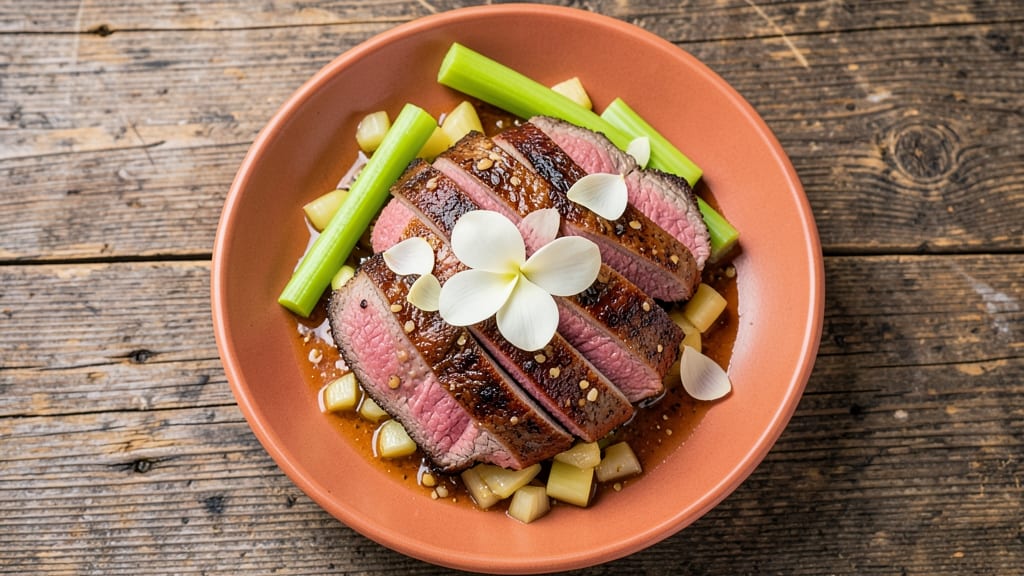
This magnolia beef recipe transforms a simple cut of beef into a showstopping centerpiece with deep Southern flavors and aromatic sweetness. The key lies in slow-cooking the beef with magnolia-infused elements—whether through syrup, extract, or fresh blossoms—that create a complex, velvety sauce with subtle floral notes.
I developed this recipe after years of experimenting with regional techniques, balancing richness with just the right amount of spice and sweetness.
The process begins with a foolproof method of searing the beef to lock in juices before slow-cooking it until tender, allowing the magnolia-infused broth to develop layers of flavor. The result is melt-in-your-mouth beef with a sauce that’s both comforting and refined—perfect for a special dinner or holiday gathering.
What makes this dish stand out is how the magnolia’s delicate sweetness complements the bold spices, creating a harmony that feels both nostalgic and elevated.
Pair this dish with classic Southern sides like creamy mashed potatoes, buttery cornbread, or tender collard greens to complete the meal. The plating is as important as the cooking: serve the beef sliced over a bed of sauce, garnished with fresh magnolia blossoms for an elegant touch.
This recipe delivers restaurant-quality results with a method that’s surprisingly straightforward, making it ideal for home cooks who want to impress.
Whether you’re serving a family dinner or hosting a dinner party, this magnolia beef recipe brings warmth and sophistication to the table. The slow-cooked richness, combined with the unique floral depth, ensures every bite feels like a taste of the South—just with a modern twist.
Let’s get started on creating this unforgettable dish.
Ingredients for magnolia beef
Six core ingredients elevate this Southern classic with floral depth and slow-cooked tenderness.
| Ingredient | Amount | Notes |
|---|---|---|
| Beef Chuck Roast 🥩 | 3 lb | Well-marbled, 1-1.5 inch thickness |
| Magnolia Blossoms 🌸 | ½ cup | Fresh or dried, organic preferred |
| Magnolia Extract 🌿 | 1 tbsp | Pure, food-grade extract |
| Yellow Onion 🧅 | 1 whole | Medium, finely diced |
| Garlic Cloves 🧄 | 6 cloves | Fresh, minced |
| Celery Stalks 🥬 | 3 whole | Trimmed, finely chopped |
| Carrots 🥕 | 2 whole | Medium, sliced into rounds |
| Dried Thyme 🌿 | 1 tbsp | Or 1 tbsp fresh thyme |
| Ground Black Pepper 🌶️ | 1 ½ tsp | Freshly cracked |
| Kosher Salt 🧂 | 1 ½ tsp | Diamond Crystal preferred |
| Unsalted Butter 🧈 | 2 tbsp | Cold, cubed |
| Heavy Cream 🥛 | ½ cup | Full-fat for richness |
| Beef Broth 💧 | 2 cups | Homemade or high-quality store-bought |
| Apple Cider Vinegar 🍎 | 1 tbsp | For brightness |
| Brown Sugar 🍚 | 2 tbsp | Light or dark |
The beef chuck roast is non-negotiable—its marbling ensures melt-in-your-mouth texture. Source from a butcher shop for the best quality, or look for pre-cut chuck at Whole Foods or Costco. Avoid leaner cuts like sirloin, as they lack the fat needed for slow cooking. For magnolia blossoms, specialty stores like Southern Living Market or online suppliers carry organic varieties. If fresh blossoms are unavailable, dried magnolia buds from Mountain Rose Herbs work beautifully. The magnolia extract should be pure—avoid imitation extracts that contain artificial flavors.
No fresh magnolia blossoms? Dried buds steeped in warm broth replicate the floral essence, though the aroma won’t be as pronounced. Substitute 1 tsp orange blossom water for a similar floral note, though it’s subtler. For the apple cider vinegar, balsamic vinegar adds depth but lacks the crisp acidity. The brown sugar can be swapped for honey (reduce other liquids by 1 tbsp), though it adds moisture. Celery can be omitted if unavailable, but the onion, garlic, and carrots form the aromatic base—don’t skip them. For beef broth, homemade yields superior flavor, but Kitchen Basics or Pacific Foods brands are reliable shortcuts.
Store uncooked beef in the coldest part of the fridge for up to 3 days before cooking. Fresh magnolia blossoms last 2-3 days in a sealed container with a damp paper towel. The slow-cooked beef reheats beautifully—simmer for 10-15 minutes on the stove or 20 minutes in a 350°F oven until heated through. Portion the sauce separately for 3 months of freezer storage, adding a splash of broth when reheating to restore consistency. Garnish with fresh magnolia blossoms just before serving for an elegant touch.
Why You'll Love This Recipe
- One-Pot Magic: I swear by this recipe when I’m too tired to scrub a million dishes—just the Dutch oven, one wooden spoon, and boom, you’re done. That caramelized crust from the butter and brown sugar? It practically cleans itself off the pot.
- Floral-Rich Surprise: Between us, the magnolia blossoms and extract add this unexpected floral note that makes it feel special, not just another beef stew. The garlic and thyme ground it in classic Southern flavors, but that delicate magnolia twist? It’s the secret weapon.
- Weeknight Crowd-Pleaser: This feeds six without breaking a sweat, and the leftovers? Chef’s kiss. The sauce thickens just enough to reheat perfectly, and the beef stays tender for days. My kids fight over the last slice—no one complains about the flavor, even my picky eater.
- Budget-Friendly Luxury: A chuck roast is cheap, but the slow-cooked result feels like a fancy dinner. The heavy cream and magnolia extract might sound fancy, but they stretch across multiple meals—plus, that 3-month freezer life on the sauce means no wasted ingredients.
Step-by-step instructions for slow-cooked magnolia beef
Master this Southern technique for tender, aromatic beef infused with magnolia's floral depth.
Prepare the Beef and Aromatic Base
Begin by patting the 3 lb beef chuck roast thoroughly with paper towels to remove any surface moisture. This critical step ensures proper browning and flavor development. In a small bowl, combine the 0.5 cup magnolia blossoms, 1 tbsp magnolia extract, 1 whole yellow onion (finely diced), 6 cloves garlic cloves (minced), 3 whole celery stalks (finely chopped), 2 whole carrots (sliced into rounds), 1 tbsp dried thyme, 1.5 tsp ground black pepper, and 1.5 tsp kosher salt. Rub this mixture generously over all sides of the beef, pressing it into the meat to create a flavorful crust.
Here's the thing—magnolia extract is potent, so use it judiciously. The combination of fresh blossoms and extract creates a complex floral note that pairs beautifully with the beef's richness. Let the seasoned roast sit at room temperature for 30 minutes while you prepare the cooking vessel. This ensures even cooking and prevents chilling the pot during the initial sear.
Sear and Deglaze for Deep Flavor
Heat a heavy Dutch oven over medium-high heat. Add the 2 tbsp unsalted butter and allow it to melt completely, creating a thin, even coating on the bottom of the pot. Once the butter foams, carefully add the seasoned beef chuck roast and sear on all sides until deeply browned—about 8-10 minutes total. You're looking for a rich, caramelized crust that will form the foundation of your sauce.
Remove the beef and set it aside on a plate. Immediately add 2 cups beef broth to the Dutch oven, scraping up all the browned bits from the bottom with a wooden spoon. This deglazing captures all the concentrated flavors you worked so hard to develop. Bring the liquid to a gentle simmer and let it reduce by about one-third, which should take approximately 5 minutes. The reduced liquid will intensify the beef's natural flavors and create a velvety sauce.
Slow Cook to Perfect Tenderness
Return the beef to the Dutch oven and pour in the reduced broth mixture. Add 1 tbsp apple cider vinegar and 2 tbsp brown sugar, stirring gently to combine. The vinegar adds brightness that cuts through the richness, while the brown sugar enhances the caramelization process. Bring the liquid to a gentle boil, then reduce heat to low, cover the pot, and transfer it to a 300°F oven. Here's where patience pays off—slow cooking breaks down the connective tissue for melt-in-your-mouth tenderness.
Cook for 3-4 hours, or until the beef is fork-tender and easily pulls apart. You'll know it's ready when the internal temperature reaches 195-200°F and a meat thermometer inserted into the thickest part slides in effortlessly. The slow cooking process transforms the tough chuck roast into succulent, shreddable beef that practically melts in your mouth. Resist the temptation to check the beef too frequently—each time you lift the lid, you lose valuable heat and moisture.
Finish with Cream and Rest
Once the beef reaches the proper doneness, remove it from the oven and let it rest for 15 minutes while you prepare the finishing sauce. Stir the 0.5 cup heavy cream into the cooking liquid and simmer gently for 5-7 minutes until slightly thickened. The cream adds luxurious body and balances the rich beef flavors. Taste and adjust seasoning if needed—you may want to add a pinch more salt or a splash of vinegar to brighten the sauce.
Return the beef to the Dutch oven and coat it thoroughly in the creamy sauce. Let it sit for another 5 minutes to absorb the flavors completely. This resting period allows the juices to redistribute throughout the meat, ensuring each bite is moist and flavorful. The result should be a beautifully tender beef that practically falls apart at the touch, bathed in a glossy, aromatic sauce that carries all the complex flavors of Southern cooking.
Pro Tips For Making Magnolia Beef
- Bloom the Blossoms First: DESCRIPTION: Toss the 0.5 cup magnolia blossoms in a dry skillet over low heat for 2-3 minutes before mixing with other ingredients—this opens their flavor without burning. I learned this the hard way after my first batch tasted like sawdust instead of flowers. (Yes, even if they’re dried—just watch them like hawks.)
- Sear in Batches: DESCRIPTION: That 3 lb chuck roast won’t brown evenly if you crowd the Dutch oven. Sear half first, then move it aside and cook the other side—this gives you that deep crust without steaming the meat. My first attempt ended up with pale patches that tasted like sad, undercooked beef.
- Don’t Skip the Vinegar: DESCRIPTION: The 1 tbsp apple cider vinegar isn’t just for acidity—it cuts through the richness of the heavy cream and magnolia extract, balancing the sauce. Skip it, and you’ll end up with a dish that tastes like it’s swimming in floral syrup. (Trust me, your taste buds will notice.)
- Use a Meat Thermometer: DESCRIPTION: Guessing doneness with a fork leads to overcooked, dry beef. Aim for 195–200°F in the thickest part—any lower, and you’re risking chewiness. I used to pull it at 180°F, and the result was tough enough to dent a spoon. (Your future self will thank you for this one.)
Make-ahead tips for magnolia beef
Prep Ahead Strategy
Start by prepping your magnolia-infused marinade up to 2 days in advance—store the mixture of magnolia blossoms, extract, onion, garlic, celery, carrots, thyme, pepper, and salt in an airtight container in the fridge.
This jumpstarts the flavor development, saving you time on the day you cook. I like to use a glass Pyrex container for easy storage and reheating. 🌸
Slow-Cooker Shortcut
For a hands-off approach, transfer the seared beef and reduced broth to a slow cooker after Step 2. Cook on low for 8-10 hours or high for 5-6 hours, then add the apple cider vinegar, brown sugar, and heavy cream during the last 30 minutes of cooking.
This method is perfect for busy days—just press "start" in the morning and come home to tender beef. ⏰
Sauce Prep in Advance
Make the magnolia-infused sauce separately up to 3 days ahead by simmering 2 cups beef broth, 1 tbsp apple cider vinegar, 2 tbsp brown sugar, and 1 tbsp magnolia extract for 15 minutes.
Store it in the fridge, then reheat with the cooked beef. This ensures your sauce is flavorful and ready to go when you’re ready to serve. 💛
Beef Prep Timeline
Pat and season the beef chuck roast the night before, then refrigerate uncovered on a wire rack for 12-24 hours. This dries the surface slightly, creating a better sear.
On cook day, let it sit at room temperature for 30 minutes before searing—this ensures even cooking and prevents chilling the pot. 💡
Freezer-Friendly Components
Freeze the raw beef (unseasoned) in a vacuum-sealed bag for up to 3 months—thaw overnight in the fridge before seasoning. The magnolia-infused sauce can also be frozen separately for 3 months, with a splash of broth when reheating to restore consistency. This makes last-minute cooking a breeze. ❄️
Make-Ahead Serving Plan
For a stress-free dinner party, cook the beef 1 day ahead and reheat gently in the oven at 300°F for 30 minutes. Store the sauce separately and reheat it on the stovetop, then combine with the beef before serving.
Garnish with fresh magnolia blossoms just before plating for a restaurant-worthy presentation. 🌟
Nutrition facts
Frequently asked questions
Can I substitute fresh magnolia blossoms with another ingredient?
If you can't find fresh magnolia blossoms, use 1 tsp orange blossom water or steep 1 tbsp dried magnolia buds in warm broth for 10 minutes. For a similar floral note without magnolia, try 1 tsp rose water or ½ tsp lavender buds (sparingly—lavender can be overpowering). The key is balancing the floral element with the beef's richness.
Why does the recipe call for such a long slow-cooking time?
The 3-4 hour slow cook at 300°F is essential for breaking down the tough chuck roast into melt-in-your-mouth tenderness. This temperature range allows collagen in the meat to convert to gelatin, creating that signature Southern beef texture. Rushing it risks dry, chewy beef. Think of it like a fondue—patience pays off with every forkful.
Can I make this recipe in an Instant Pot instead of an oven?
Yes! After searing and deglazing, transfer everything to your Instant Pot and cook on high pressure for 60 minutes, then do a natural release. Before serving, stir in the heavy cream and simmer on the sauté function for 5-7 minutes to thicken. The pressure cooker cuts time significantly while still delivering tender beef with deep flavors.
How do I know when the beef is fully cooked?
Use a meat thermometer—insert it into the thickest part of the beef. It's done when it reaches 195-200°F and the meat easily pulls apart with two forks. The internal temperature is more reliable than visual cues, as the beef will continue cooking slightly after removal from heat. For extra assurance, check for a fork-tender texture.
What are the best sides to serve with this dish?
Classic Southern pairings work beautifully: creamy mashed potatoes, buttery cornbread, or tender collard greens with bacon. For a lighter contrast, try roasted sweet potatoes or a fresh cucumber salad. The floral notes in the beef also complement citrusy elements like a lemon-herb quinoa or orange-glazed carrots.