
Main Courses
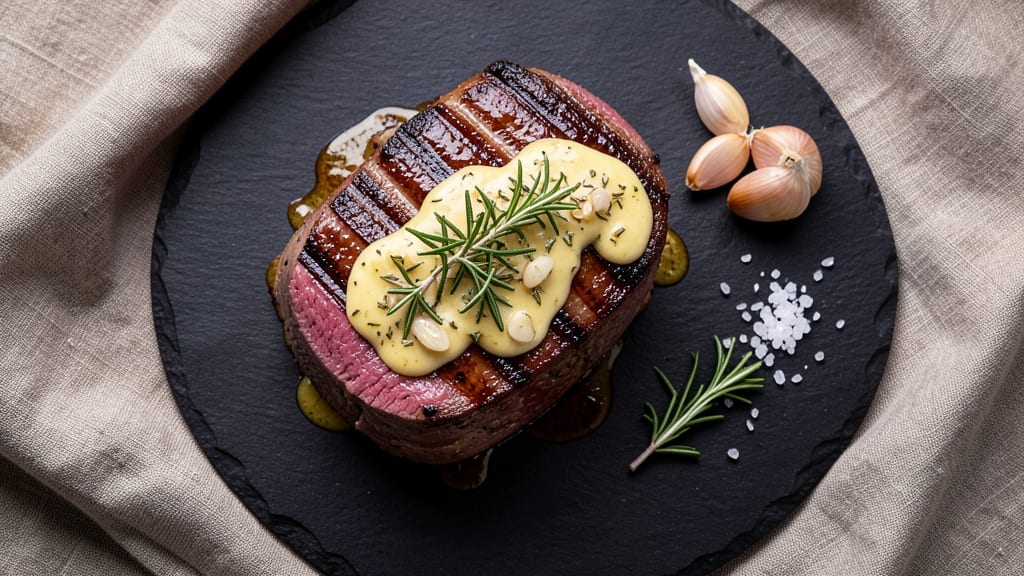
Mastering Gordon Ramsay's beef tenderloin steak recipe transforms a weeknight dinner into a restaurant-worthy experience. The secret lies in precision—temperature control, perfect searing, and a herbed butter seal that elevates every bite to tender perfection.
I developed this method after years of refining techniques to ensure juicy, medium-rare results every time, without overcomplicating the process.
This recipe focuses on three critical phases: reverse searing for even doneness, resting to lock in moisture, and finishing with compound butter that adds richness and aroma.
You'll work with a single high-quality cut, minimal ingredients, and 15 minutes of active cooking time—ideal for special occasions or when you want to impress. The result? A steak so tender it nearly melts in your mouth, with a crust that's crisp yet yielding.
What sets this apart is the herbed butter seal, which not only adds flavor but also creates a golden, flavorful crust that's impossible to resist. The technique ensures your steak stays juicy at the core while developing that perfect caramelized exterior.
Whether serving for a holiday dinner or a romantic evening, this method delivers restaurant-quality results at home.
Pair with roasted vegetables or a crisp white wine to complete the meal. The key to success is confidence—trust the process, and you'll achieve a steak that rivals any high-end restaurant. Let's get started on creating your masterpiece.
Ingredients for gordon ramsay beef tenderloin steak
One premium cut, a handful of quality ingredients, and precision techniques transform ordinary steak into restaurant-worthy perfection.
| Ingredient | Amount | Notes |
|---|---|---|
| Beef Tenderloin 🥩 | 2 lb | Center-cut, trimmed of silver skin |
| Unsalted Butter 🧈 | ½ cup | Cold, cut into 1-inch cubes |
| Fresh Rosemary 🌿 | ¼ cup | Finely chopped, organic preferred |
| Fresh Thyme 🌿 | ⅛ cup | Leaves only, stems removed |
| Garlic Cloves 🧄 | 4 cloves | Minced, fresh preferred |
| Diamond Crystal Kosher Salt 🧂 | 1 ½ tsp | For initial seasoning |
| Freshly Ground Black Pepper 🌶️ | 1 tsp | Coarse grind preferred |
| Extra-Virgin Olive Oil 🫒 | 2 tbsp | High smoke point, for searing |
| Flour 🌾 | ½ cup | All-purpose, for dredging |
| Chicken Fat 🍗 | ¼ cup | Rendered, for high-heat sear |
| Malbec Wine 🍷 | ½ cup | Bold, dry red for deglazing |
The beef tenderloin is non-negotiable for this technique—center-cut, trimmed of silver skin—to ensure consistent doneness. Source from a trusted butcher or Whole Foods where cuts are expertly handled. Look for vibrant color and marbling that ensures juiciness. If buying whole, trim excess fat yourself for cleaner searing. The Malbec wine should be bold and dry—Cultivo or Trapiche are excellent choices, but any Cabernet Sauvignon works in a pinch. Fresh herbs matter: organic rosemary and thyme from the market have superior aroma compared to grocery store alternatives. Store herbs wrapped in damp paper towels for up to 5 days to preserve freshness.
No Malbec? Bold red wine like Cabernet or Merlot suffices, but avoid sweet varieties. Substitute beef broth with a splash of balsamic if necessary, though the acidity won't match wine's depth. For the herbed butter, use European-style unsalted butter (like Plugrá) for higher fat content—it creates a richer seal. The chicken fat is optional but recommended for its high smoke point; duck fat works equally well if available. If you lack fresh herbs, dried rosemary at half the amount can substitute, though texture will differ. The flour should be all-purpose, not self-rising—it's solely for dredging, not leavening.
The tenderloin should rest at room temperature for 30 minutes before cooking to ensure even doneness. Store raw meat in the coldest part of your fridge, wrapped in butcher paper, for up to 5 days. The herbed butter can be prepped 24 hours ahead and stored in an airtight container in the fridge. Reheat gently in a microwave or warm bowl of hot water before using. Leftover cooked steak reheats best in a 350°F oven for 10 minutes with a splash of broth to maintain moisture. Portion into individual servings for easy reheating—each slice should be 1-inch thick for optimal texture.
Why You'll Love This Recipe
- One-Pan Magic: I swear by this recipe because it’s all in one pan—no flipping between pots or messy sauces. That rich Malbec wine deglaze? It turns into a velvety reduction that needs zero extra effort, just a quick spoonful over the steak.
- Herb Butter Obsession: That herbed butter log—half rosemary, half thyme, with garlic and pepper—is my secret weapon. One slice pressed on top while it rests? Pure flavor payoff. The butter melts into the crust, and suddenly, every bite feels like a little luxury.
- Weeknight Fancy: Between us, this is the dish I pull out when I want to impress without stress. The chicken fat sear gives it that restaurant-worthy crust, but the prep is simple enough to handle on a Tuesday. (Yes, even on a Tuesday night.)
- Leftovers? Yes, Please: The flour crust keeps slices crispy even the next day, and the herbed butter makes them taste like they just came off the grill. I’ll be real: I’ve reheated these in a skillet with a splash of wine, and no one’s ever guessed they weren’t fresh. Budget-friendly? Absolutely.
Step-by-step instructions for Gordon Ramsay's beef tenderloin steak recipe
Master this technique, and you'll achieve a perfectly tender, medium-rare center cut with a rich herbed butter seal every time.
Prepare the Herbed Butter and Season the Tenderloin
In a small mixing bowl, combine the 0.5 cup unsalted butter, 0.25 cup finely chopped fresh rosemary, 0.125 cup fresh thyme leaves, 4 minced garlic cloves, 1.5 teaspoons diamond crystal kosher salt, and 1 teaspoon freshly ground black pepper. Mix thoroughly with a fork until fully incorporated and form into a log shape. Wrap tightly in plastic wrap and refrigerate until ready to use.
Remove the 2 lb beef tenderloin from the refrigerator 1 hour before cooking to bring it to room temperature. Pat the entire surface dry with paper towels, then season generously with an additional 0.75 teaspoon diamond crystal kosher salt and 0.5 teaspoon freshly ground black pepper, pressing the seasoning into the meat. This ensures even distribution and maximum flavor penetration.
Sear the Tenderloin with Chicken Fat and Olive Oil
Heat a heavy-bottomed skillet or cast-iron pan over medium-high heat until very hot. Add 2 tablespoons extra-virgin olive oil and 0.25 cup chicken fat, allowing them to heat until shimmering but not smoking. Place the tenderloin in the pan, pressing down gently with a spatula to ensure full contact with the hot surface.
Sear the tenderloin for 6-8 minutes on each side, turning carefully with tongs, until it develops a deep, golden-brown crust. The internal temperature should reach 125°F at the thickest point for medium-rare. If the pan loses heat or the meat isn't searing properly, add a splash of 0.5 cup Malbec Wine to deglaze and maintain high heat. Remove the tenderloin and let it rest on a wire rack for 10 minutes.
Create the Flour Crust and Finish with Herbed Butter
While the tenderloin rests, place the 0.5 cup flour in a shallow dish. Lightly dredge the seared surfaces of the tenderloin in the flour, shaking off any excess. This step creates a delicate crust that enhances the texture without overpowering the natural flavor of the meat.
Return the flour-dusted tenderloin to the skillet over medium heat for 2-3 minutes per side, just until the flour turns golden. Remove the pan from heat and immediately transfer the tenderloin to a cutting board. Unwrap the herbed butter log and slice it into 4 equal portions. Press one slice onto each side of the tenderloin, covering the entire surface.
Rest and Slice for Maximum Tenderness
Let the tenderloin rest for an additional 5 minutes with the herbed butter still pressed on top. This allows the juices to redistribute throughout the meat, ensuring each slice remains succulent. The butter will begin to melt slightly, creating a flavorful seal that locks in moisture and enhances the aroma.
Slice the tenderloin into 4 even portions against the grain for optimal tenderness. Serve immediately with the herbed butter drippings spooned over the top. The result should be a perfectly medium-rare steak with a rich, herbed butter finish and a beautifully seared crust.
Pro Tips For Making Gordon Ramsay Beef Tenderloin Steak
- Press for Crust: DESCRIPTION: That first sear isn’t just about color—it’s about contact. When you put the tenderloin in the pan, don’t just drop it. Press down firmly with your spatula for 5 seconds on each side. I used to rush this, and my crusts would come out patchy. High heat + pressure = consistent browning every time.
- Chop Herbs Like a Chef: DESCRIPTION: Those rosemary sprigs and thyme stems? They’re not just garnish. Finely chop the rosemary (almost like confetti) and pick only the thyme leaves—no woody stems. I learned this the hard way when my herbed butter tasted bitter. A sharp knife and a little patience make all the difference.
- Don’t Rush the Rest: DESCRIPTION: That 10-minute rest on the wire rack isn’t optional—it’s non-negotiable. I know, I know, you’re hungry. But cutting into it early means dry, stringy slices. Let it breathe, then add the extra 5 minutes with the butter on top. Trust me, your steak will thank you.
- Deglaze Smart: DESCRIPTION: If your pan loses heat mid-sear, that splash of Malbec isn’t just for flavor—it’s a lifeline. Add it just as the meat comes out, let it bubble for 30 seconds, then scrape up those browned bits. That’s where the depth of flavor hides. Skip this, and you’re missing the soul of the dish.
Wine and beer pairings for gordon ramsay beef tenderloin steak
Bold Red Wine Pairings
The rich, herbed butter and deep sear of this tenderloin demand a wine with equal intensity. I reach for a bold Argentine Malbec—like Catena Zapata—whose dark fruit and velvety tannins mirror the steak's depth.
The wine's acidity cuts through the butter's richness while its smoky notes complement the rosemary and thyme. Serve slightly chilled (60-64°F) to enhance its aromatic complexity. 🍷
Crisp White Alternatives
For a lighter contrast, a Chardonnay from Burgundy—such as Louis Latour—works surprisingly well. Its buttery texture harmonizes with the herbed butter, while bright citrus notes balance the meat's richness. Opt for an unoaked version to avoid overpowering the dish.
The wine's crisp acidity also cleanses your palate between bites, making it ideal for those who prefer white wine with red meat.
Beer Pairings for Bold Flavors
A dark amber ale like Samuel Smith's Nut Brown Ale brings malty sweetness that pairs beautifully with the steak's caramelized crust. The beer's low bitterness ensures it doesn't compete with the herbed butter, while its caramel and toffee notes echo the steak's seared exterior.
For a lighter option, a Belgian witbier—such as Hoegaarden—adds a refreshing citrusy lift that contrasts the richness. 🍺
Unexpected but Effective
Don't overlook Portuguese red blends like Alvarinho—a medium-bodied red with juicy blackberry and spice notes. Its earthy undertones enhance the rosemary and thyme, while its smooth finish won't overwhelm the dish.
For a non-alcoholic option, a sparkling black cherry juice (like San Pellegrino Aranciata Rossa) adds effervescence and tartness that cuts through the butter beautifully.
Serving Temperature Tips
Wine should be served at the right temperature to highlight its qualities. Red wines like Malbec thrive at 60-64°F, while whites like Chardonnay should be 45-48°F. For beer, amber ales are best at 40-45°F, while witbiers shine at 45-50°F.
I always chill my wine for 30 minutes before serving to achieve the perfect balance of flavor and refreshment.
Nutrition facts
Frequently asked questions
Why does the recipe call for both olive oil and chicken fat?
The 2 tablespoons extra-virgin olive oil provides a high smoke point base for searing, while the 0.25 cup chicken fat adds extra richness and helps create that signature caramelized crust. Together, they ensure maximum heat transfer without burning.
Can I substitute the Malbec wine with something else?
Yes! Use a bold dry red wine like Cabernet Sauvignon or Merlot. If you're avoiding alcohol, substitute with beef broth + 1 tablespoon balsamic vinegar—just reduce the liquid by half since wine adds depth. Never skip the deglazing step, though!
What if my steak isn't searing properly?
First, ensure your pan is hot enough—it should shimmer when fat is added. If the meat isn't browning, reduce heat slightly, add more chicken fat, and sear undisturbed for 2-3 minutes per side. A splash of wine can also help maintain heat while cleaning the pan.
How do I know when the steak is perfectly medium-rare?
Use a meat thermometer to check the thickest part—it should read 125°F for medium-rare. If you don't have one, press your finger firmly: 125°F feels like the base of your thumb, 130°F like your middle finger. Never cut into the steak to test doneness—this releases precious juices!
Can I make the herbed butter ahead of time?
Prepare the herbed butter log up to 24 hours ahead and store it wrapped tightly in plastic in the fridge. Reheat gently in a warm bowl of water or microwave for 10-15 seconds before using to soften it slightly. This keeps the herbs fresh and flavors vibrant.