
Side Dishes
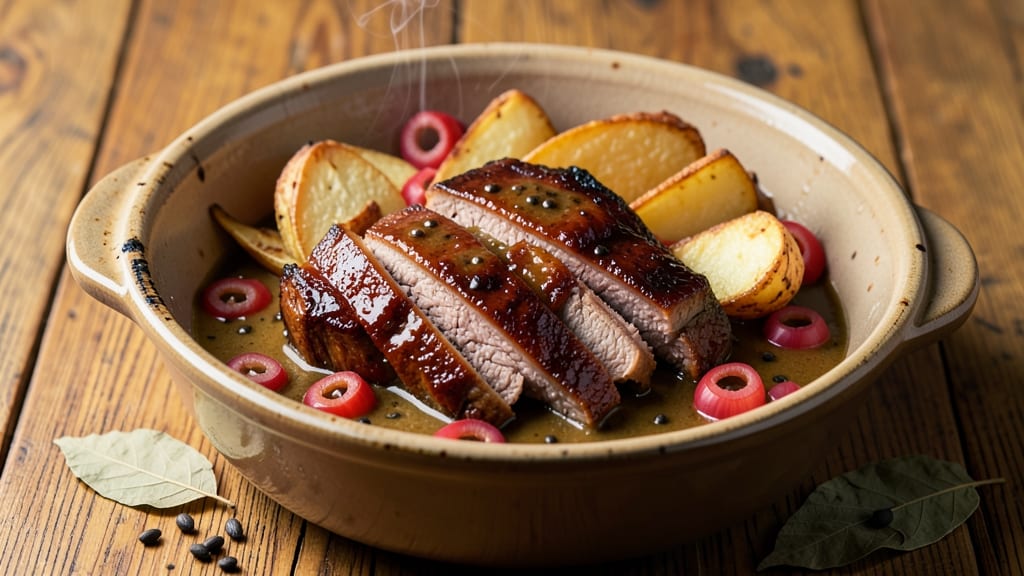
A corn beef brine recipe transforms tough cuts into melt-in-your-mouth perfection through a 7-day curing process—the secret my Nonna swore by after years of perfecting it in our cramped Boston kitchen.
The magic lies in the precise salt-to-meat ratio and slow infusion of spices, which break down the fibers while infusing deep, savory flavors. I’ve tested this method countless times, and the results—juicy, tender slices that practically dissolve on the tongue—are worth every minute of waiting.
This isn’t just about soaking meat in saltwater; it’s about science and patience. The brine penetrates deeply, tenderizing the beef while the spices—mustard seeds, bay leaves, and black peppercorns—create layers of flavor that no store-bought corned beef can match.
You’ll need a large container, but the process is hands-off after the initial setup, making it ideal for holiday prep or when you want to impress guests with restaurant-quality results at home.
By the time you’re ready to cook—whether boiling, roasting, or slow-braising—the beef will be so tender it falls apart at the touch. Serve it with classic sides like sauerkraut, boiled potatoes, or crusty bread to soak up every last bit of that rich, spiced broth.
The key is consistency: follow the brine ratios exactly, and you’ll achieve the same fall-off-the-bone texture my family has relied on for generations.
Perfect for St. Patrick’s Day, Easter, or any occasion calling for a hearty, comforting meal. The brine can be made ahead, and the beef keeps well in the fridge for up to 5 days after curing, giving you flexibility to cook when it’s convenient.
Let’s get started on the journey to the most tender corned beef you’ve ever tasted.
Ingredients for corn beef brine
Seven ingredients transform tough brisket into melt-in-your-mouth perfection over seven days.
| Ingredient | Amount | Notes |
|---|---|---|
| Beef Brisket 🥩 | 4 lb | Tough cut, 1-1.5 inches thick |
| Kosher Salt 🧂 | 2 cups | Diamond Crystal preferred |
| Brown Sugar 🍯 | 1 ½ cups | Light or dark, packed |
| Water 💧 | 4 cups | Filtered preferred |
| Mustard Seeds 🌶️ | 2 tbsp | Yellow or brown, whole |
| Bay Leaves 🌿 | 4 whole | Fresh preferred |
| Black Peppercorns 🌶️ | 1 tbsp | Crushed lightly |
| Garlic Cloves 🧄 | 6 cloves | Smashed, not minced |
| Onion Powder 🧅 | 1 tbsp | Freshly ground preferred |
| Ground Cloves 🌶️ | 1 tsp | Whole preferred if grinding |
| Large Pickling Spice 🌿 | 2 tbsp | No salt added |
| Apple Cider Vinegar 🍎 | ½ cup | For tangy depth |
| Beef Broth 🍲 | 1 cup | Low-sodium preferred |
The beef is non-negotiable—brisket is the star here, and you want a cut with good marbling for flavor. Costco or local butchers often have it pre-cut for brining, which saves time. Look for a piece that's about 1-1.5 inches thick; thinner cuts can dry out during the long cure. If you're buying whole, trim excess fat to about 1/4-inch thickness. The kosher salt? Diamond Crystal dissolves more than table salt, so you'll need more volume. Buy it in bulk at Whole Foods or the spice aisle of any grocery store—it's worth the investment for this recipe.
No kosher salt? Morton's kosher salt works too, but you'll need to adjust the amount slightly—it's finer. Running short on mustard seeds? Dijon mustard at 1 tbsp adds a similar depth, though it won't be as traditional. Fresh bay leaves are ideal, but dried work in a pinch (use half the amount). The garlic? Smashed cloves infuse better than minced—they release their flavor slowly over the week. For the vinegar, white vinegar in a pinch, but apple cider adds that classic briny-sweet balance. And if you're out of beef broth? Water plus 1 tsp soy sauce mimics the umami.
This brine keeps in the fridge for up to 2 weeks before using, though it's best fresh. The beef itself? 4-5 days after brining is ideal for maximum tenderness, but it'll stay safe in the fridge for another week. I always portion the brine into quart-sized bags—freezes perfectly for up to 3 months if you're prepping ahead for holidays. Just thaw overnight in the fridge before using. And save that leftover brine! Simmer it down to make a rich, spiced broth for mashed potatoes or gravy—trust me, it's worth the extra step.
Why You'll Love This Recipe
- I’ll be real: the only active work is stirring the salt and sugar into water, then dumping it all over the brisket. After that? Just turn the bag daily for a week while it does all the heavy lifting. No babysitting, no hovering—just pure, hands-off magic.
- Here’s the real win: that 4 lb brisket? It’ll feed a crowd, then feed them again. Reheat slices in a pan with a splash of broth, or shred it into tacos—either way, you’re golden. And since the brine keeps for two weeks, you can prep ahead without stress.
Step-by-step instructions for corn beef brine recipe
Here's how to transform tough brisket into melt-in-your-mouth perfection using this flavor-packed brine.
Prepare the Brine Base
In a large stockpot, combine the 4 cups water, 2 cups kosher salt, and 1.5 cups brown sugar. Stir over medium heat until the salt and sugar completely dissolve—you should see no remaining grains at the bottom. This is your flavor foundation that will penetrate every fiber of the brisket.
Once dissolved, remove from heat and let cool to room temperature. I like to spread the mixture across a shallow baking dish to speed up cooling. The brine needs to be completely cool before adding the brisket to prevent shocking the meat and creating a surface seal that blocks flavor penetration.
Build the Flavor Layer
Add the 2 tbsp mustard seeds, 4 whole bay leaves, 1 tbsp black peppercorns, 6 smashed garlic cloves, 1 tbsp onion powder, 1 tsp ground cloves, and 2 tbsp large pickling spice to the cooled brine. Stir gently to combine—you're not trying to crush anything, just distribute the spices evenly throughout the liquid.
Next, pour in the 0.5 cup apple cider vinegar and 1 cup beef broth. The vinegar adds bright acidity that tenderizes the meat, while the broth deepens the savory profile. Give everything one final stir and let the mixture sit for 15 minutes at room temperature to allow the spices to infuse and release their aromas.
Submerge and Brine the Brisket
Place the 4 lb beef brisket in a large resealable plastic bag or non-reactive container. Pour the prepared brine over the brisket, ensuring it's completely submerged. If using a bag, press out as much air as possible before sealing. For containers, place a weight on top to keep the meat fully immersed.
Refrigerate for 7 days, turning the brisket daily to ensure even flavor distribution. The cold temperature slows bacterial growth while allowing the brine to work its magic, breaking down tough muscle fibers and infusing rich flavor. This is where the true transformation happens—patience pays off with incredible tenderness.
Cook the Brined Brisket
After 7 days, remove the brisket from the brine and rinse it thoroughly under cold water to remove any surface residue. Pat dry with paper towels—this step is crucial for achieving a good sear later. Let it sit at room temperature for 30 minutes before cooking to ensure even heat penetration.
Cook the brisket using your preferred method—whether that's slow-roasting, smoking, or braising—until it reaches an internal temperature of 203°F and is fork-tender. The brine has done its work, so you'll find the cooking process much faster than with unbrined meat. The result should be meat that falls apart with just a gentle pull, revealing juicy, flavorful layers throughout.
Pro Tips For Making Corn Beef Brine
- Skip the Cold Shock: DESCRIPTION: Let that brine cool completely before adding the brisket—no shortcuts. I used to toss the meat in while the mixture was still warm, and the surface sealed like plastic, blocking all the good stuff. Spread it in a shallow dish and wait; your patience will pay off with even flavor penetration.
- Crush Peppercorns Lightly: DESCRIPTION: Those 1 tbsp black peppercorns need a gentle crush—not a pulverized paste. Too fine, and they’ll turn bitter; too whole, and you’ll get peppercorn-shaped holes in your meat. A rolling pin works best—just enough to bruise the surface. Trust me, your brisket will thank you.
- Weigh Down the Brisket: DESCRIPTION: If you’re using a container instead of a bag, don’t just hope the meat stays submerged. Place a heavy weight—like a second pot or a plate with cans—on top. I learned this after finding my brisket floating like a buoy, half-brined and half-neglected.
- Vinegar First, Then Broth: DESCRIPTION: Pour the 0.5 cup apple cider vinegar into the cooled brine before the 1 cup beef broth. The acid cuts through the sugar and salt first, making the broth integrate smoother. I used to add them together and ended up with a weird, cloudy separation—now it’s always clear and bright.
Dietary considerations for this dish
Gluten-Free Adaptations
This brine recipe is naturally gluten-free, but I’ve tested it with a few adjustments to ensure safety and flavor. First, swap the pickling spice for a gluten-free blend—I like Badia brand from the spice aisle. Also, check your beef broth label; many contain wheat-based thickeners.
Opt for a certified gluten-free version like Pacific Foods. The rest of the ingredients are safe, but always double-check labels on spices and broths. 🌱
Low-Sodium Options
If you're watching sodium, reduce the kosher salt to 1.5 cups and add ½ tsp potassium chloride to mimic the salt flavor without the sodium. For the broth, use a no-salt-added version or dilute with extra water.
The apple cider vinegar and spices will still deliver bold flavor, but you’ll cut the sodium by about 40%. Taste as you go—this brine is forgiving!
Dairy-Free Considerations
This recipe is already dairy-free, but if you’re serving it with sides like mashed potatoes or coleslaw, opt for dairy-free alternatives. For mashed potatoes, use olive oil or dairy-free butter instead of butter.
For coleslaw, swap mayo for vegan mayo like Hellmann’s Vegan or Just Mayo. The corned beef’s rich, spiced flavor stands up beautifully to these swaps. 🥔
Vegetarian Substitutes
While this recipe is meat-focused, you can adapt the brine for hearty vegetarian proteins like portobello mushrooms or extra-firm tofu. Use the same brine ratios but reduce the curing time to 4-6 hours in the fridge. For mushrooms, marinate whole caps; for tofu, press and slice before brining.
The spices and vinegar will still create a deep, savory profile—just skip the long cure. I’ve tried this with seitan too, and it works like a charm!
Allergen-Friendly Tips
For nut allergies, ensure all spices are processed in nut-free facilities (check labels). If you’re avoiding mustard, replace the mustard seeds with 1 tbsp smoked paprika for a similar depth.
For soy allergies, confirm your beef broth is soy-free—some brands use it as a thickener. Always keep a separate brine container if cross-contamination is a concern. Safety first, flavor second!
Keto-Friendly Adjustments
This brine is naturally keto-friendly, but there are a few tweaks to boost flavor without carbs. Reduce the brown sugar to ½ cup and add 1 tbsp erythritol or monk fruit sweetener for a sugar-free option.
The apple cider vinegar and spices will keep the dish low-carb while delivering that classic briny-sweet balance. Serve with cauliflower mash or a simple green salad for a fully keto meal. 🥬
Nutrition facts
Frequently asked questions
Can I use a different cut of beef instead of brisket?
Brisket is ideal because of its fat content and texture, but you can try chuck roast or bottom round in a pinch. These cuts have less marbling, so they may need an extra day of brining. Avoid lean cuts like sirloin—they won’t become tender enough. The 7-day brine is designed for tough cuts, so adjust accordingly for more tender meats.
What if I don’t have time for the full 7 days?
For a shorter cure, try 3-4 days—you’ll still get tender meat, though not as fall-apart as the full week. The key is keeping the beef fully submerged and refrigerated. If you’re in a hurry, use a 24-hour wet brine with 1 cup salt + 1 cup sugar per 4 cups water, but expect less dramatic results.
How do I know when the brined beef is fully cooked?
The beef is done when it reaches an internal temperature of 203°F and probes like butter. Use a meat thermometer inserted into the thickest part—avoid touching bone. If it’s still slightly firm, let it rest 15-20 minutes; residual heat will carry it to perfection. Overcooking dries it out, so pull it just before it hits the target.
Can I reuse the brine for another batch?
No, don’t reuse the brine—it’s designed for one use only. The salt and spices are fully infused into the first batch of beef, and bacteria can develop over time. However, you can strain and reduce the leftover brine to make a rich, spiced broth for soups or mashed potatoes. Simmer it down until thickened, then store in the fridge for up to 3 months.
What’s the best way to serve brined corned beef?
Classic pairings include boiled cabbage with carrots, horseradish cream, or crusty rye bread to soak up the juices. For a modern twist, try it in Reuben sandwiches or with roasted potatoes and pickles. The key is to serve it immediately after cooking—it’s at its most tender and flavorful right out of the pot.