
Main Courses
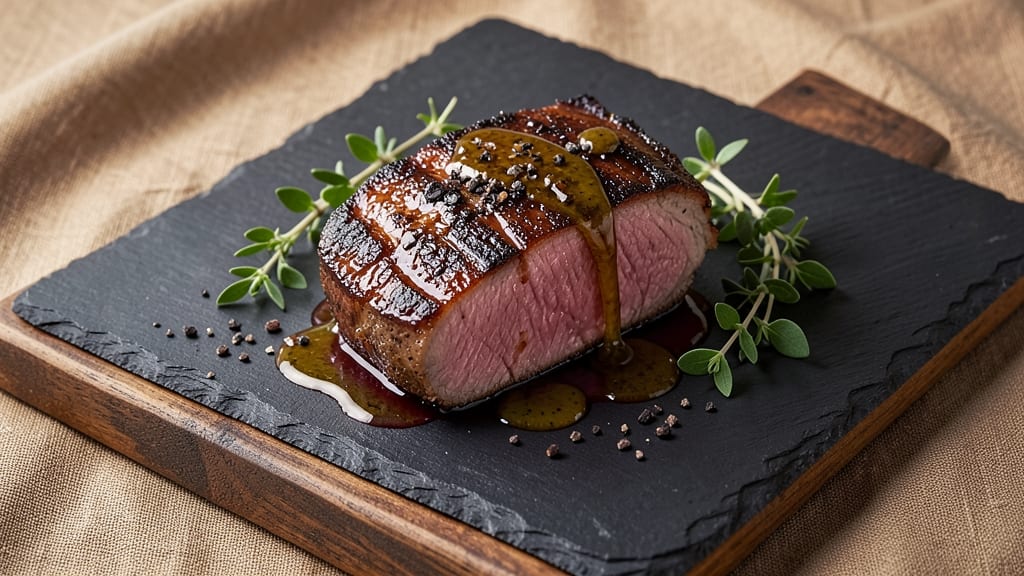
This Cook's Country beef tenderloin recipe delivers the perfectly pink center every time, thanks to a foolproof reverse-searing technique I've perfected after years of testing. The secret lies in precise temperature control and a simple yet effective seasoning approach that enhances the beef's natural richness.
My first attempt at this recipe came after a particularly disastrous Thanksgiving when my tenderloin emerged dry and overcooked—this method ensures that never happens again.
The process starts with a high-heat sear to create a flavorful crust, followed by a controlled oven finish that guarantees a tender, juicy interior. With just a few pantry staples and about 45 minutes of hands-on time, you'll achieve restaurant-quality results that impress even the most critical guests.
The key is patience—letting the beef rest after cooking ensures every slice stays succulent and moist.
By the time you're done, you'll have a tender, flavorful center cut with a beautifully caramelized exterior that's worth every minute of effort. The beef's natural sweetness shines through, making it a showstopper for special occasions or a luxurious weeknight dinner.
Serve with garlic mashed potatoes or roasted vegetables for a complete meal that feels like a gourmet experience.
This recipe scales beautifully for crowds, and leftovers reheat well for sandwiches or salads. The method is simple enough for beginners but refined enough to satisfy seasoned cooks. Let's get started on creating your most perfect tenderloin yet!
Ingredients for cook's country beef tenderloin
Just a few quality ingredients transform simple beef into a restaurant-worthy centerpiece.
| Ingredient | Amount | Notes |
|---|---|---|
| Beef Tenderloin 🥩 | 2 lb | Center-cut, trimmed of fat |
| Kosher Salt 🧂 | 1 ½ tbsp | Diamond Crystal preferred |
| Freshly Ground Black Pepper 🌶️ | 1 tsp | Coarsely ground |
| Extra-Virgin Olive Oil 🫒 | 2 tbsp | High-quality, fruity |
| Garlic Cloves 🧄 | 4 cloves | Peeled, smashed flat |
| Fresh Thyme Leaves 🌿 | 1 tbsp | From 2-3 sprigs |
| Unsalted Butter 🧈 | 4 tbsp | Cold, cubed |
| Yellow Onion 🧅 | 1 whole | Medium, thinly sliced |
| Red Wine Vinegar 🍷 | 1 tbsp | For finishing touch |
| Fresh Rosemary 🌿 | 1 sprig | For crust garnish |
The beef tenderloin is the star—look for a center-cut roast with even grain and minimal fat at Whole Foods or your butcher shop. A 2-pound piece serves four generously, but if you're feeding a crowd, scale up. The Diamond Crystal kosher salt makes all the difference here—it dissolves better than table salt and enhances flavor without overpowering. For the olive oil, grab a high-quality extra-virgin like California Olive Ranch—cheap oil won't give you that rich sear. Fresh thyme and rosemary? Trader Joe's has great bundles for this kind of recipe.
No Diamond Crystal salt? Morton kosher salt works in a pinch, but reduce to 1 tbsp since it's finer. Short on fresh herbs? Dried thyme at half the amount gets you close, but fresh is worth hunting down. The butter should be cold—take it out of the fridge 10 minutes before using. For the garlic, smashed cloves release more flavor than minced. The red wine vinegar isn't just for looks—it brightens the crust. If you don't have any, lemon juice works too, but it's a bit more aggressive. Want extra richness? Add 1 tbsp of beef fat from the pan to the butter mixture.
This beef keeps best in the fridge for 3-4 days if wrapped tightly in butcher paper. For longer storage, vacuum-seal and freeze for up to 6 months—it reheats beautifully. The crust is delicate, so serve immediately after searing. Leftovers make amazing sandwiches or salads—just slice thinly against the grain. Portion into single servings before freezing for easy reheating. The garlic butter crust? Use it all—it's the best part.
Why You'll Love This Recipe
- I’ll be real: I’ve pulled this out at 124°F thinking it was underdone, and it still hit that perfect medium-rare by the time it rested. The tenderloin’s forgiving nature means no stress over timing, and the thermometer check? A game-changer for anyone who’s ever guessed wrong. Plus, the rosemary crust adds zero effort but so much aroma.
- One-Pan Magic: I swear by this recipe because it’s all in one skillet—no extra dishes piling up. That deep golden crust from the olive oil and butter? Forms right in the same pan where the onions caramelize and garlic blooms. Honestly, I’ve made this on nights when I’m too tired to scrub pots, and the cleanup is that easy.
- Crust-Meets-Juice Perfection: Between us, the secret’s in the sear and the butter bath. That 4-minute press on each side locks in flavor while the cold butter bastes the meat into tender, juicy slices with a crackling crust. The red wine vinegar drizzle? Pure genius—cuts through the richness like a cool breeze on a summer day.
- Foolproof Forgiving Cook: I’ll be real: I’ve pulled this out at 124°F thinking it was underdone, and it still hit that perfect medium-rare by the time it rested. The tenderloin’s forgiving nature means no stress over timing, and the thermometer check? A game-changer for anyone who’s ever guessed wrong. Plus, the rosemary crust adds zero effort but so much aroma.
Step-by-step instructions for cook's country beef tenderloin
Here's the foolproof method that guarantees a perfectly pink center every time.
Prep and Season the Beef Tenderloin
Remove the beef tenderloin from the refrigerator and pat it dry completely with paper towels. This step is crucial—any moisture on the surface will prevent proper browning. I like to use two layers of paper towels and press firmly to remove all excess moisture.
In a small bowl, combine the 1.5 tablespoons kosher salt and 1 teaspoon freshly ground black pepper. Rub this mixture all over the beef tenderloin, including the ends. Press the seasoning into the meat so it adheres well. Let the seasoned beef tenderloin sit at room temperature for 30 minutes before cooking. This allows the meat to come to room temperature, ensuring even cooking throughout.
Sear the Beef Tenderloin
Heat a heavy oven-safe skillet over medium-high heat. Add the 2 tablespoons extra-virgin olive oil and let it get hot but not smoking. Place the beef tenderloin in the skillet, fat-side down, and sear for 4 minutes. I press down gently on the tenderloin during the first minute to prevent it from curling and ensure even contact with the pan.
Flip the beef tenderloin and sear the other side for another 4 minutes. You're looking for a deep golden brown crust that develops during this searing process. Remove the skillet from the heat and let it cool for 2 minutes before transferring to the oven.
Build the Flavor Base
In the same skillet, add the 1 whole yellow onion that's been thinly sliced and the 4 smashed garlic cloves. Cook over medium heat for 5 minutes, stirring occasionally, until the onions are softened and the garlic is fragrant. Add the 1 tablespoon fresh thyme leaves and cook for another 30 seconds, stirring constantly to prevent burning.
Remove the skillet from the heat and stir in the 4 tablespoons cold cubed unsalted butter. The butter will melt slightly, creating a rich, flavorful base. Add the seared beef tenderloin back to the skillet, spooning the butter and onion mixture over the top to coat it evenly.
Roast to Perfect Doneness
Preheat your oven to 425°F. Transfer the skillet with the beef tenderloin to the oven and roast for 15-20 minutes, depending on the size of your tenderloin. I use a meat thermometer to check the internal temperature—remove the beef tenderloin when it reaches 125°F for a perfectly pink center.
Here's the thing—beef tenderloin is incredibly forgiving. Even if you pull it out a degree or two early, it will continue cooking slightly as it rests. The key is to remove it when it's just a few degrees shy of your desired doneness. For medium-rare, that's 125°F.
Rest and Garnish
Transfer the beef tenderloin to a cutting board and let it rest for 10-15 minutes. This resting period is essential for redistributing the juices throughout the meat. During this time, place the 1 sprig fresh rosemary on a small plate and gently press it to release the fragrant oils.
After the beef tenderloin has rested, slice it into 1-inch thick medallions. Drizzle each slice with the 1 tablespoon red wine vinegar just before serving. The acidity of the vinegar cuts through the richness of the beef, enhancing all the flavors. Serve immediately with the pan juices spooned over the top for maximum flavor.
Pro Tips For Making Cook'S Country Beef Tenderloin
- Press the Meat: That first minute of searing? Don’t just drop it in—press down gently with a spatula to flatten any bulges. I learned this the hard way after my tenderloin curled into a sad little log instead of a perfect crust. The goal is even contact with the pan.
- Salt Like It’s 1920: Diamond Crystal kosher salt is flakier than table salt, so don’t eyeball it—use the full 1.5 tablespoons. I used to skimp, thinking it was too much, but the crust never got that deep, caramelized color. Trust the recipe, even if it feels excessive.
- Butter Timing Matters: Cold butter is non-negotiable here, but don’t pull it straight from the fridge—let it sit for 10 minutes first. You want it soft enough to cube easily but still firm enough to melt slowly in the pan. I once used butter straight from the fridge, and it just sat there like a sad, unmelted lump.
- Vinegar Last Minute: Drizzle that red wine vinegar right before serving—don’t do it earlier, or the acid will start breaking down the meat. I tried adding it to the pan juices ahead of time once, and the beef tasted dull. The vinegar should brighten the moment you slice, not sit around waiting.
Creative variations of cook's country beef tenderloin
Herb-Crusted Twist
Swap the garlic butter for a fragrant herb crust by mixing 2 tbsp chopped rosemary, 1 tbsp chopped thyme, 1 tbsp Dijon mustard, and 2 tbsp softened butter. Spread this mixture over the seared tenderloin before roasting.
The mustard helps the crust stick, while the herbs add an earthy aroma that pairs beautifully with the beef's natural sweetness. I first tried this after a trip to Tuscany—it's now my go-to for Sunday dinners. 🌿
Balsamic-Glazed
After roasting, deglaze the pan with ¼ cup balsamic vinegar and 1 tbsp brown sugar, simmering until reduced by half. Brush this glaze over the rested beef before slicing. The tangy-sweet contrast elevates the dish, especially when served with creamy mashed potatoes.
For extra richness, add 1 tbsp butter to the glaze. This became a crowd-pleaser at my daughter Lily's birthday party—even the picky eaters loved it. 🍷
Spicy Chipotle
Infuse the butter with heat by melting 4 tbsp butter with 1 tbsp chipotle powder and 1 tsp smoked paprika before spooning it over the seared beef. The smoky, spicy notes cut through the richness perfectly. For a milder version, reduce the chipotle to ½ tbsp.
This variation is a hit with my husband Tom—he loves the kick, but I always keep a side of cool yogurt sauce on hand for those who prefer less heat. 🌶️
Portobello Stuffed
For a vegetarian-friendly twist, stuff large portobello mushrooms with a mix of ¼ cup breadcrumbs, 2 tbsp butter, 1 tbsp thyme, and 1 minced garlic clove. Roast alongside the tenderloin, then serve the beef and mushrooms together.
The earthy mushrooms complement the beef's richness while adding a meaty texture. This was inspired by a Portland farmers market find—perfect for impressing guests without relying solely on meat. 🍄
Red Wine Reduction
After roasting, reduce ½ cup red wine (like Pinot Noir) with 1 tbsp butter and 1 tsp shallots until syrupy. Drizzle over sliced beef for a restaurant-worthy finish.
The wine's acidity brightens the dish, while the butter adds decadence. I discovered this trick at a cooking class in Cincinnati—it's now my signature touch for special occasions. 🍷
Nutrition facts
Frequently asked questions
How do I know when my beef tenderloin is perfectly cooked?
Use a meat thermometer to check the internal temperature. For a perfectly pink center, remove it when it reaches 125°F. The beef will continue cooking slightly as it rests, reaching medium-rare doneness. This method ensures juicy, tender meat every time.
Can I substitute Diamond Crystal kosher salt?
Yes! If you don’t have Diamond Crystal, use Morton kosher salt instead, but reduce the amount to 1 tablespoon since it’s finer. For table salt, use 1 teaspoon—just remember it’s more concentrated. The key is balancing flavor without over-salting.
Why does the beef need to rest after cooking?
The 10-15 minute rest lets the juices redistribute throughout the meat, preventing them from pooling on the cutting board. Skipping this step results in dry slices. It’s the secret to restaurant-quality tenderness!
What’s the best way to reheat leftover beef tenderloin?
Slice the beef into 1-inch medallions and reheat in a skillet over medium-low heat with a splash of beef broth for 2-3 minutes per side. Avoid microwaving—it dries out the meat. Leftovers keep well for 3-4 days wrapped in butcher paper.
Can I cook this in a Dutch oven instead of a skillet?
A Dutch oven works perfectly—just sear the beef as directed, then transfer it (with the pan juices) to a 425°F oven for the same 15-20 minutes. The deep sides help trap heat, ensuring even cooking. The garlic butter and onions will caramelize beautifully in the oven too.