
Main Courses
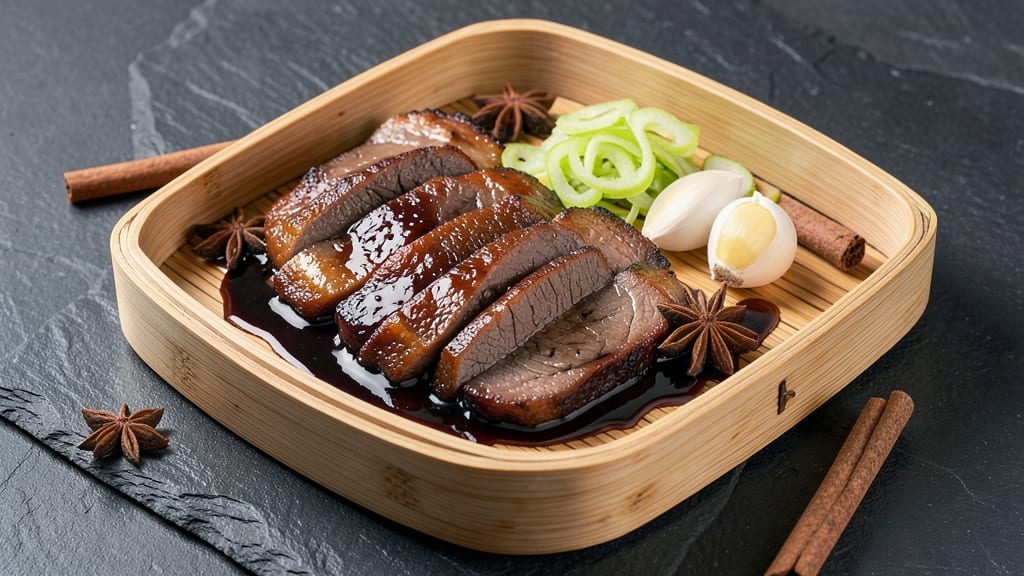
Mastering Chinese beef tongue transforms tough cuts into melt-in-your-mouth silky perfection—this braised recipe delivers restaurant-quality results with just a few hours of hands-off cooking. 💫 The secret lies in slow simmering with aromatic spices that penetrate every layer, creating a dish so tender it practically dissolves.
I first discovered this technique while chatting with a butcher about traditional Chinese preservation methods, and it quickly became a dinner party showstopper.
This recipe relies on a simple yet powerful combination: soy sauce for depth, star anise and cinnamon for warmth, and ginger for brightness—all working together to create a rich, caramelized glaze. The braising process breaks down collagen-rich connective tissue, turning what was once a chewy cut into velvety, fork-tender slices.
With just 4 hours of active cooking time and minimal prep, you'll end up with a dish that's both impressive and deeply satisfying.
What makes this recipe special is its versatility—serve it sliced thin over steamed rice for an elegant meal, or pair with simple stir-fried vegetables for a complete feast.
The aroma alone will have everyone gathering at the table, while the texture delivers that perfect balance of tender meat and glossy, flavorful sauce. This is comfort food at its finest, with just enough complexity to feel special.
The key to success is patience—don't rush the braising process, as that's when all the magic happens. Once you try this method, you'll never buy pre-cooked beef tongue again. Let's get started on creating your own silky, irresistible masterpiece.
Ingredients for chinese beef tongue
Aromatic spices and tender beef tongue—just a handful of ingredients for restaurant-quality comfort.
| Ingredient | Amount | Notes |
|---|---|---|
| Beef Tongue 🥩 | 2 lb | Fresh, uncooked, connective tissue intact |
| Soy Sauce 🥢 | ½ cup | Light or dark, for depth |
| Star Anise 🌿 | 3 whole | Whole pods for aroma |
| Cinnamon Sticks 🌶️ | 2 whole | 1-inch pieces preferred |
| Fresh Ginger 🧄 | ½ cup | Julienned, skin removed |
| Garlic Cloves 🧄 | 6 cloves | Smashed, not minced |
| Brown Sugar 🍚 | ¼ cup | Packed, for caramelization |
| Shaoxing Wine 🍷 | ¼ cup | Substitute dry sherry |
| Green Onions 🧅 | 4 whole | White and green parts |
| Dried Red Chilies 🌶️ | 2 whole | Optional, for heat |
| Bay Leaves 🌿 | 2 whole | Fresh preferred |
| Salt 🧂 | 1 ½ tbsp | Kosher preferred |
| White Peppercorns 🌶️ | ½ tsp | Freshly cracked |
| Jasmine Rice 🍚 | 2 cups | Uncooked, for serving |
| Vegetable Oil 🫒 | 2 tbsp | High smoke point |
The beef tongue is the star here, so look for fresh, uncooked cuts at your butcher or Asian market. Costco often carries them pre-ordered if you ask ahead. The skin should be intact and the meat firm but not rock-hard. If you can't find fresh, frozen works too—just thaw it overnight in the fridge. For the spices, Penzeys or bulk bins have the best quality, but the grocery store stuff is fine if it's fresh. Star anise and cinnamon sticks are non-negotiable—they're what give this dish that deep, warm aroma. The ginger should be fresh and vibrant, not woody or dried out.
No Shaoxing wine? Dry sherry or even a splash of apple cider vinegar works in a pinch. Short on garlic? Garlic powder at half the amount gets you close, but fresh is better. The brown sugar can be swapped for white sugar plus a pinch of molasses if you're out. For the chilies, red pepper flakes at one-third the amount works if you can't find whole dried ones. The green onions can be subbed with scallions or regular onions, but the white part adds that fresh bite. If you're making this ahead, double the spices—the flavors meld even better over time.
This dish tastes even better the next day, so plan ahead. Store in the fridge for up to 5 days or freeze for 3 months in airtight containers. The sauce thickens as it cools, so add a splash of water when reheating. For serving, steamed jasmine rice is ideal, but any white rice works. The leftovers reheat beautifully—just cover with a splash of water and simmer until warm. The texture gets even more tender with each reheat, so don't rush it.
Why You'll Love This Recipe
- One-Pot Magic: I swear by this—just simmer the beef tongue with soy sauce, star anise, and cinnamon sticks, then let it melt into tender perfection. No chopping, no fuss, and the spices do all the work while you sip tea or scroll through your phone.
- Rich, Deep Umami: That first bite? The tongue absorbs the soy sauce and ginger so deeply it’s like a flavor bomb—salty, sweet, and earthy all at once. Honestly, the star anise and cinnamon give it this warm, almost spiced-tea aroma that makes it feel like a hug in your mouth.
- Meal Prep Gold: Between us, this recipe is my lazy Sunday secret weapon. Cook a big batch, slice it thin, and it’s ready for stir-fries, rice bowls, or even sandwiches all week. My kids ask for it more than takeout—yes, even on a Tuesday night.
- Budget Feast: A whole beef tongue costs less than a steak, and it stretches across multiple meals. I’ll be real: it’s not the prettiest, but the taste makes up for it, and the leftovers? They’re just as good reheated the next day.
Step-by-step instructions for braised beef tongue
Here's how to transform tough beef tongue into melt-in-your-mouth perfection.
🔥 Step 1: Parboil the Beef Tongue
Fill a large pot with enough water to cover the 2 lb beef tongue completely. Add 1.5 tbsp salt and bring to a rolling boil. Once boiling, carefully add the beef tongue and cook for 30 minutes. You'll see the surface turn white and the meat begin to separate slightly from the skin - this is normal and actually helps tenderize it.
After 30 minutes, drain the water and rinse the beef tongue under cold water to stop the cooking process. This initial boiling removes impurities and begins breaking down the tough connective tissue. Don't skip this step - it's what makes the final result silky rather than chewy.
🍳 Step 2: Build the Aromatic Braising Base
In a large Dutch oven or heavy pot, heat 2 tbsp vegetable oil over medium heat. Add 6 smashed garlic cloves and 0.5 cup julienned fresh ginger - cook for 2 minutes until fragrant but not browned. Here's where the magic happens: add 3 whole star anise, 2 whole cinnamon sticks, 2 whole bay leaves, and 2 whole dried red chilies (if using). Stir for 30 seconds to toast the spices lightly.
Pour in 0.5 cup soy sauce and 0.25 cup shaoxing wine, scraping up any browned bits from the bottom. Add 0.25 cup packed brown sugar and bring to a simmer. This aromatic base will infuse the beef tongue with deep, complex flavors that cut through the richness.
🥘 Step 3: Braise Until Fork-Tender
Place the parboiled beef tongue in the Dutch oven, skin-side up. Pour enough water to come about halfway up the sides of the tongue (approximately 2 cups). Bring to a gentle simmer, then cover tightly with a lid. Reduce heat to low and braise for 3-4 hours, adding water as needed to maintain about 1 inch of liquid above the tongue.
Here's the key: the tongue is done when it's fork-tender with no resistance. You'll know it's ready when you can easily pierce it with a fork and the meat pulls apart cleanly. The cooking liquid should have reduced to a rich, glossy sauce. If it's still tough after 4 hours, add another 30 minutes - patience pays off with silky texture.
🔪 Step 4: Slice and Serve with Jasmine Rice
Remove the beef tongue from the braising liquid and let it rest for 10 minutes. Using a sharp knife, slice the tongue against the grain into ¼-inch thick slices. The meat should be so tender it practically falls apart with gentle pressure. Discard the spices and bay leaves from the braising liquid, then strain the sauce if you prefer a smoother presentation.
Cook 2 cups jasmine rice according to package instructions. To serve, arrange the sliced beef tongue over the rice and drizzle generously with the reduced braising sauce. Garnish with 4 whole green onions, sliced diagonally, and sprinkle with 0.5 tsp freshly cracked white peppercorns. The contrast of silky meat, fragrant rice, and peppery finish makes this dish unforgettable.
Pro Tips For Making Chinese Beef Tongue
- Scrape the Tongue Skin: Before parboiling, use a knife to scrape off any slimy surface on the 2 lb beef tongue—this keeps the braising liquid cleaner and prevents off-flavors. I learned this the hard way after tasting a weird metallic taste in my first batch.
- Toast Spices Properly: When adding the 3 star anise, 2 cinnamon sticks, and 2 bay leaves, toast them for 30 seconds—not longer—until fragrant but not burnt. Over-toasting turns them bitter, and you’ll regret it when the sauce tastes harsh instead of warmly spiced.
- Don’t Rush the Braise: The 3-4 hour low-simmer is non-negotiable. I once cut it to 2 hours for a dinner guest and ended up with chewy, underwhelming meat. The sauce needs time to reduce and the collagen to break down—trust the process.
- Slice Against the Grain: After resting the tongue for 10 minutes, slice it against the grain into ¼-inch pieces. This shortens the muscle fibers, making each bite melt instead of resist. A dull knife will shred the meat—use your sharpest one.
Make-ahead tips for this dish
Prep Ahead Strategy
This dish practically begs to be made ahead—it tastes even better the next day as flavors meld together. After the 3-4 hour braising, let the beef tongue cool completely in its sauce.
Transfer everything to a large airtight container (I love Le Creuset stoneware for this) and refrigerate. The sauce will thicken beautifully overnight, intensifying those rich umami notes. 💫
Freezer-Friendly Prep
For maximum convenience, freeze the braised beef tongue in portions. After cooling completely, divide the meat and sauce into quart-sized freezer bags (leave 1 inch headspace for expansion). Label with the date—it keeps for 3 months without losing quality.
When ready to eat, thaw overnight in the fridge, then reheat gently. The texture remains silky when reheated properly.
Sauce Prep Shortcut
Make the aromatic braising base ahead of time and store it in the fridge for up to 3 days. Combine all the spices, soy sauce, wine, sugar, and water in a jar.
When ready to cook, simply heat this mixture in your Dutch oven, add the parboiled beef tongue, and proceed with the braising. This cuts your active prep time by 20 minutes—perfect for busy weeknights.
Rice Prep Tips
Cook your 2 cups jasmine rice a day ahead and store it in an airtight container. Reheat portions in the microwave with a splash of water for 1-2 minutes until steaming.
I like to make a big batch because this rice works perfectly for multiple meals—pair it with stir-fried veggies or quick egg dishes. The grains stay fluffy when reheated this way.
Portioning for Servings
Slice the beef tongue into ¼-inch thick portions and store them separately from the sauce in the fridge. This way, you can quickly assemble plates by reheating just the meat (in the sauce or with water) for 5-7 minutes until warm.
Keep the sauce in a separate jar—it reheats beautifully on its own. This makes serving a breeze for dinner parties or family meals. ✨
Garnish Prep
Chop your 4 green onions and crack the 0.5 tsp white peppercorns ahead of time. Store them in small containers in the fridge—they'll keep fresh for 5 days. Freshly cracked peppercorns make all the difference in that final presentation.
I also like to toast the peppercorns lightly in a dry pan for 30 seconds before using to intensify their flavor. 💡
Nutrition facts
Frequently asked questions
Why does the beef tongue need parboiling first?
The 30-minute parboil removes impurities and begins breaking down collagen, which transforms tough connective tissue into silky tenderness. Skipping this step can leave your beef tongue chewy rather than melt-in-your-mouth. The skin will also separate slightly—this is normal and helps the flavors penetrate deeper.
Can I make this recipe without Shaoxing wine?
Use dry sherry as a 1:1 substitute or even apple cider vinegar in a pinch. The wine adds depth, but the dish will still be delicious. Just reduce any vinegar substitute by 10% since it's more acidic. The soy sauce and brown sugar will still create that rich, caramelized glaze you love.
How do I know when the beef tongue is fully cooked?
It's done when you can easily pierce it with a fork and the meat pulls apart cleanly with no resistance. The cooking time is 3-4 hours, but if it's still tough after that, add another 30 minutes. The sauce should also reduce to a glossy consistency. Pro tip: The tongue will continue tenderizing slightly as it rests.
What's the best way to reheat leftovers?
Reheat in a skillet with a splash of water or the braising sauce over low heat for 5-7 minutes until warmed through. The texture stays silky when reheated gently—never microwave directly. For extra flavor, add a pinch of soy sauce or a splash of water to the pan to keep it moist. Leftovers taste even better the next day!
Can I use frozen beef tongue instead of fresh?
Yes, but thaw it overnight in the fridge first. Never use cold frozen tongue directly from the freezer—this can lead to uneven cooking. After thawing, follow the same parboiling method. The texture will still turn out tender, though fresh tongue has slightly better flavor. If you're short on time, you can even parboil it frozen, but increase the time to 45 minutes.