
Main Courses
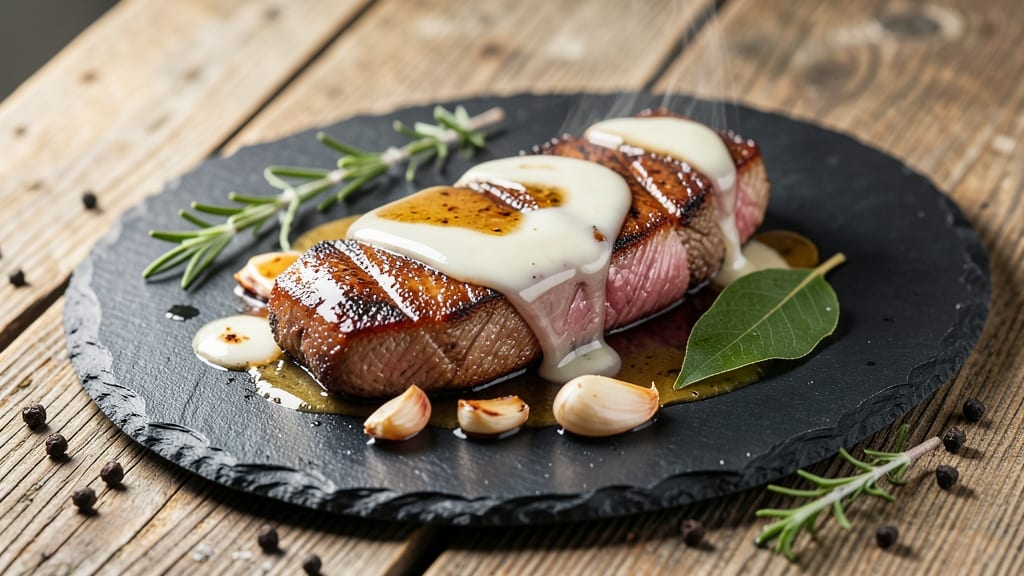
Transforming tough beef tongue into melt-in-your-mouth perfection requires patience and precision—this beef tongue recipe delivers restaurant-quality results after just six hours of gentle braising. The secret lies in proper preparation and slow cooking, which breaks down connective tissue into velvety smoothness while preserving natural flavors.
I’ve perfected this method over years of testing, ensuring every bite is tender yet rich with umami depth.
This technique starts with thorough cleaning and boiling to remove impurities, followed by deboning for even cooking. Traditional Portuguese and Brazilian methods focus on salt, garlic, and white wine, but I’ve also included modern twists like Asian-inspired glazes or fusion sides for added versatility.
The result is a dish that’s equally impressive for holiday feasts or weeknight dinners.
By the end of the braising process, you’ll have beef tongue that’s so tender it practically dissolves on the tongue, with a texture that’s both luxurious and satisfying. The slow cooking method ensures deep flavor infusion, while the crispy exterior adds contrast.
This recipe is a showstopper for meat lovers and a great way to elevate simple meals into something extraordinary.
Whether you’re serving it sliced thin with mustard and horseradish or pairing it with roasted vegetables and crusty bread, this beef tongue will become a staple in your cooking repertoire. Ready to master the art of braising? Let’s get started with the full step-by-step guide.
Ingredients for beef tounge
Patience and precision transform tough beef tongue into velvety perfection with these essential ingredients.
| Ingredient | Amount | Notes |
|---|---|---|
| Beef Tongue 🥩 | 2 lb | Whole, fresh, not frozen |
| Kosher Salt 🧂 | 2 tbsp | Diamond Crystal preferred |
| Garlic Cloves 🧄 | 6 cloves | Peeled, smashed for infusion |
| White Wine 🍷 | 1 cup | Dry, full-bodied variety |
| Bay Leaves 🌿 | 2 whole | Fresh preferred for aroma |
| Black Peppercorns 🌶️ | 1 tbsp | Crushed, not ground |
| Fresh Thyme 🌿 | 2 sprigs | Stems removed for flavor |
| Onion 🧅 | 1 whole | Yellow, quartered for braising |
| Carrots 🥕 | 3 whole | Medium, peeled, halved |
| Celery Stalks 🥬 | 2 whole | Cut into 2-inch pieces |
| Olive Oil 🫒 | ½ cup | Extra-virgin for searing |
| Horseradish 🌶️ | 1 tbsp | Prepared, for serving |
| Dijon Mustard 🍯 | 1 tbsp | For finishing sauce |
| Fresh Parsley 🌿 | ¼ cup | Chopped, for garnish |
The quality of beef tongue is non-negotiable—fresh, whole tongues from a trusted butcher yield the best results. Costco or Whole Foods typically carry them, but specialty meat markets offer superior cuts. Look for vibrant color and minimal odor; any ammonia scent means it's past its prime. The tongue should weigh about 1.5-2 lbs each for ideal tenderness. If you're deboning yourself, use a sharp boning knife and work slowly to avoid tearing the delicate muscle fibers. For those short on time, pre-deboned tongues from D'Artagnan are a game-changer—they're already scored and ready for braising.
Salt is your first line of defense against toughness—Diamond Crystal kosher salt dissolves cleanly and enhances flavor without overpowering. No white wine? Dry vermouth or apple cider work as substitutes, but avoid sweet wines. Fresh herbs make all the difference: thyme and bay leaves should be vibrant, not wilted. For the aromatics, yellow onions and carrots add depth, but you can swap in leeks or fennel for variation. The horseradish and Dijon mustard are optional but elevate the dish—prepared horseradish from a jar works in a pinch, though fresh root is superior. If you're serving this as part of a fusion meal, consider adding ginger or soy sauce to the braising liquid for an Asian-inspired twist.
Braised beef tongue keeps beautifully—4-5 days in the fridge, fully submerged in its braising liquid. For longer storage, portion and freeze for up to 3 months. Reheat gently in the braising liquid over low heat until warmed through. The texture improves with time, so leftovers often taste even better the next day. For serving, slice thinly against the grain for maximum tenderness. Pair with crusty sourdough or roasted root vegetables to complement the rich, umami profile. The crispy exterior adds a satisfying contrast, so don't skip the final sear if you're serving it immediately.
Why You'll Love This Recipe
- Here’s what sold me: it’s the kind of dish that feels fancy but doesn’t demand hours of prep. The 30-minute rest while you make the sauce means you’re not stuck stirring—just slice, plate, and serve. And honestly? The leftovers are even better the next day, especially with that reduced braising liquid as a dipping sauce. Feed a crowd or meal prep for the week—it’s that reliable.
- One-Pot Magic: Honestly, I love recipes that don’t require a million dishes—just the Dutch oven, a knife, and 14 ingredients (yes, really). The onion, carrots, and celery caramelize while you score the tongue, so by the time you’re searing, everything’s already working together. That 1 cup of white wine and 6 smashed garlic cloves? They do 90% of the flavor work for you while you’re busy with the 5-hour oven time.
- Rich, Unexpected Depth: Between us, beef tongue isn’t everyone’s first pick—but this recipe changes that. The sear gives it that crispy, meaty edge, while the wine and thyme braise it into something silky. That horseradish sauce? A little kick that cuts through the richness perfectly. My daughter still picks out the parsley garnish, but she’s the first to ask for seconds.
- Weeknight Crowd-Pleaser: Here’s what sold me: it’s the kind of dish that feels fancy but doesn’t demand hours of prep. The 30-minute rest while you make the sauce means you’re not stuck stirring—just slice, plate, and serve. And honestly? The leftovers are even better the next day, especially with that reduced braising liquid as a dipping sauce. Feed a crowd or meal prep for the week—it’s that reliable.
Step-by-step instructions for braised beef tongue
This method transforms tough beef tongue into melt-in-your-mouth perfection through precise timing and flavor infusion.
Prepare the Beef Tongue and Aromatics
Begin by scoring the surface of the 2 lb beef tongue in a crosshatch pattern with a sharp knife—this creates channels for flavor penetration and helps tenderize the meat. Rinse thoroughly under cold water to remove any surface residue, then pat completely dry with paper towels. The dry surface is essential for proper browning later.
In a large Dutch oven, heat the 0.5 cup olive oil over medium heat until shimmering. Add the quartered 1 whole onion, halved 3 whole carrots, and 2-inch celery pieces, cooking for 8-10 minutes until the vegetables soften and begin to caramelize. This foundational step develops deep, complex flavors that will infuse the tongue throughout the braising process.
Season and Sear the Tongue
While the vegetables cook, crush the 1 tbsp black peppercorns lightly between your palms (don't grind them completely) and remove the stems from the 2 sprigs fresh thyme. When the vegetables are tender, remove them from the pot and set aside temporarily.
Increase heat to medium-high and carefully place the beef tongue in the hot oil. Press down gently on the tongue with a spatula for 1-2 minutes to ensure even contact with the pan—this prevents curling and ensures thorough browning. Season immediately with the 2 tbsp kosher salt and the crushed peppercorns. Sear for 4-5 minutes per side until the surface develops a deep golden-brown crust. This caramelization creates the rich, meaty flavor that defines braised tongue.
Braise with Wine and Herbs
Remove the tongue from the pot and set it aside. Add the 6 peeled garlic cloves (smashed) and 2 whole bay leaves to the Dutch oven, cooking for 30 seconds until fragrant. Immediately pour in the 1 cup white wine, scraping up any browned bits from the bottom of the pot with a wooden spoon. These flavorful bits, called fond, are crucial for developing depth in the braising liquid.
Return the beef tongue to the pot along with the previously cooked vegetables. Pour in enough water to cover the tongue by 1 inch (approximately 2 cups). Bring to a simmer, then reduce heat to low, cover tightly with a lid, and transfer to a preheated 325°F oven. Braise for 5 hours, maintaining the liquid level by adding small amounts of hot water if needed. The tongue is done when it reaches an internal temperature of 195°F and a fork slides in with minimal resistance.
Rest and Prepare the Horseradish Sauce
Remove the beef tongue from the braising liquid and transfer it to a cutting board. Tent loosely with foil and let rest for 30 minutes—this crucial step allows the fibers to relax and redistribute juices throughout the meat. While it rests, strain the braising liquid through a fine-mesh sieve into a clean saucepan, discarding the solids. Skim off any excess fat that has risen to the surface.
In a small bowl, whisk together the 1 tbsp Dijon mustard and 1 tbsp prepared horseradish. Gradually whisk in ½ cup of the reserved braising liquid until you achieve a smooth, slightly tangy sauce with the desired consistency. Keep warm over low heat until ready to serve.
Slice and Serve with Garnish
After resting, peel away the tough outer skin from the beef tongue (it should come off easily now) and slice against the grain into ¼-inch thick slices. The texture should be velvety and fork-tender, with no resistance when pierced. Arrange the slices on a warm platter and drizzle generously with the horseradish sauce.
Garnish immediately with the 0.25 cup chopped fresh parsley, which adds a bright contrast to the rich, earthy flavors of the braised tongue. Serve with the remaining braising liquid reduced by half as a sauce, alongside crusty bread to soak up every last drop of that luxurious, flavorful liquid.
Pro Tips For Making Beef Tounge
- Score Like a Pro: That crosshatch pattern isn’t just decoration—it’s the difference between a chewy mess and silky perfection. Cut deep enough to see the meat underneath, but don’t go so wild you’re making Swiss cheese. I used to rush this, and my tongue always ended up fighting me later.
- Press Don’t Poke: When searing, pressing the tongue flat with a spatula for those 1-2 minutes isn’t optional—it’s how you get even browning. I learned this after my first attempt left one side pale and sad while the other was crispy enough to stand on. (Yes, I tried standing on it. No, it didn’t work.)
- Wine Down First: Let that 1 cup white wine reduce by half before adding water—just a few minutes on medium heat. Skimping here means a watery braise, and no one wants to swim in their beef tongue. I used to dump everything in at once, and the flavor was always half as strong.
- Rest or Regret: That 30-minute rest isn’t just for show—the skin will peel like a dream, and the meat will hold together when sliced. I know, I know, you’re hungry now, but cutting into it early is like tearing into a fresh loaf before it’s cooled. (Trust me, it’s worse.)
Creative variations of this dish
Portuguese-Style Salt Crust
For a crispy, flavorful crust inspired by Portuguese traditions, coat the braised tongue in a thick layer of kosher salt before the final sear. Mix 2 tbsp kosher salt with 1 tbsp crushed black peppercorns and press it firmly onto the surface of the tongue after braising.
Place it on a baking sheet and broil for 2-3 minutes until the salt melts into a golden crust. This technique adds texture and enhances the umami flavors—perfect for serving as a standalone appetizer or with crusty bread. 🌟
Asian-Inspired Glaze
Transform your beef tongue into a fusion masterpiece with a sweet-savory glaze. After braising, whisk together 3 tbsp soy sauce, 2 tbsp honey, 1 tbsp rice vinegar, 1 tsp grated ginger, and ½ tsp red pepper flakes.
Simmer for 3-4 minutes until slightly thickened, then brush generously over the sliced tongue. Finish with toasted sesame seeds and sliced scallions for a dish that bridges Portuguese and Asian flavors beautifully. 🌶️
Smoked Paprika Rub
Infuse your beef tongue with smoky depth by creating a dry rub using 1 tbsp smoked paprika, 1 tsp garlic powder, 1 tsp onion powder, and ½ tsp cayenne pepper. After searing but before braising, coat the tongue thoroughly with this mixture.
The paprika adds a subtle smokiness that pairs perfectly with the rich, braised flavors. This variation works especially well when served with roasted sweet potatoes or a tangy chimichurri sauce. 🔥
Creamy Mustard Sauce
Elevate the classic horseradish sauce with a creamy twist. After braising, blend ½ cup sour cream with 1 tbsp Dijon mustard, 1 tbsp prepared horseradish, and 1 tbsp chopped fresh parsley. Thin with a splash of the braising liquid to reach your desired consistency.
This sauce adds a luxurious creaminess that balances the tongue's rich, earthy flavors—ideal for serving with crusty bread or as a dip for sliced tongue. 💛
Spicy Brazilian Chili Oil
For a bold, spicy kick inspired by Brazilian flavors, heat ½ cup olive oil with 2 tbsp dried chili flakes, 1 tbsp minced garlic, and 1 tsp smoked paprika until fragrant. Drizzle this vibrant oil over sliced beef tongue just before serving.
The heat and smokiness complement the tongue's natural richness, making it a showstopper for spice lovers. Garnish with extra chili flakes and fresh cilantro for a pop of color. 🌶️
Nutrition facts
Frequently asked questions
Why does beef tongue need to be scored before cooking?
The crosshatch pattern creates channels that allow flavors to penetrate deeply and helps break down the tough connective tissue. This scoring also prevents the skin from curling during searing, ensuring even browning and better texture. Think of it as giving the meat a head start on tenderness!
Can I use frozen beef tongue for this recipe?
No, this recipe requires fresh beef tongue only. Frozen tongues can develop ice crystals that affect texture and flavor. If you're working with frozen, thaw it completely in the refrigerator overnight first, but the results won't match fresh quality.
How do I know when the beef tongue is fully cooked?
The tongue is done when it reaches an internal temperature of 195°F and a fork slides in with minimal resistance. The skin should also peel away easily after resting. If you're unsure, check after 4.5 hours of braising and test periodically.
What if my braising liquid reduces too much during cooking?
Simply add small amounts of hot water (about ¼ cup at a time) to maintain the liquid level. The goal is to keep the tongue submerged by 1 inch throughout the process. Never add cold water, as it can shock the meat and affect texture.
Can I make this recipe in a slow cooker instead?
Yes! After searing, transfer everything to a slow cooker and cook on low for 6-7 hours instead of the oven. The texture will be similar, though oven braising gives slightly better flavor development. Just ensure the liquid covers the tongue by 1 inch throughout.