
Main Courses
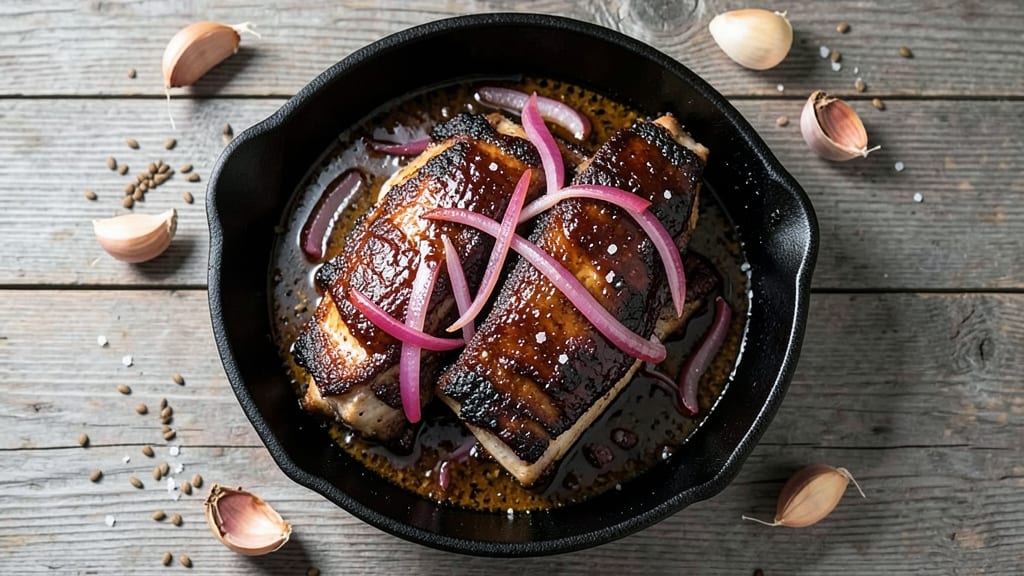
Transforming a tough cut of beef shoulder into Texas-style ribs that practically melt in your mouth is one of the most rewarding cooking projects you can tackle.
This method delivers smoky bark and fall-apart tenderness in a single slow cook, using a proven technique that's earned me countless compliments at backyard gatherings.
The secret lies in the combination of a dry rub with precise spice ratios and the patience of cooking until the internal temperature reaches 203°F. Unlike traditional pork ribs, beef shoulder requires a longer cook time but rewards you with meat that's so tender it separates at the touch of a fork.
The bark develops a deep, caramelized crust that adds layers of flavor with every bite.
By the time you're done, you'll have ribs that are rich, smoky, and perfectly balanced between tender meat and crispy exterior. The slow cooking process infuses the beef with deep flavor while breaking down connective tissue into gelatin, creating that signature Texas-style texture.
This isn't just dinner—it's an experience that transforms any meal into a celebration.
Whether you're feeding a crowd for a tailgate party or treating yourself to a special weekend meal, these ribs deliver restaurant-quality results with home cooking simplicity. The technique scales beautifully, and leftovers reheat perfectly for sandwiches the next day. Let's get started on creating your perfect Texas-style beef shoulder ribs.
Ingredients for beef shoulder tx style ribs
A bold mix of Texas spices and tenderizing secrets. Everything you need for ribs that impress.
| Ingredient | Amount | Notes |
|---|---|---|
| Beef Shoulder (Bone-In) 🥩 | 4 lb | Chuck roast cut into 2-inch rib sections |
| Yellow Onion 🧅 | 1 whole | Chopped into 1-inch pieces |
| Garlic Cloves 🧄 | 8 cloves | Minced for dry rub |
| Smoked Paprika 🌶️ | 2 tbsp | Essential for Texas-style smoke flavor |
| Ground Cumin 🌿 | 1 ½ tbsp | Toasted for deeper aroma |
| Kosher Salt 🧂 | 2 tbsp | Diamond Crystal preferred |
| Black Pepper 🌶️ | 1 ½ tbsp | Freshly cracked for best flavor |
| Brown Sugar 🍯 | 1 tbsp | Light or dark works |
| Mustard Powder 🧂 | 1 tsp | Adds subtle tang |
| Apple Cider Vinegar 🍎 | ½ cup | For tenderizing liquid |
| Unsalted Butter 🧈 | ½ cup | Cold, cubed for finishing |
| Beef Broth 💧 | 1 cup | Low-sodium preferred |
| Fresh Thyme 🌿 | ¼ cup | Chopped stems included |
| Wooden Skewers 🪵 | 6 whole | Soaked 30 minutes |
The beef shoulder is your star—look for well-marbled cuts at Whole Foods or your butcher. Costco chuck roasts work perfectly if you're feeding a crowd. For the dry rub, Penzeys spices deliver the most authentic Texas flavor, but the grocery store stuff works if it's fresh. The apple cider vinegar is non-negotiable—it breaks down collagen for that signature tenderness. I always double the rub recipe because it's worth having leftovers for sandwiches later. Fresh thyme from the market adds brightness that dried can't match, but if you're in a pinch, dried works at one-third the amount.
No smoked paprika? Regular paprika plus a pinch of liquid smoke gets you close. Short on time? Pre-cut beef shoulder sections save hours at the butcher counter. The butter should be cold and cubed—don't melt it ahead. For the vinegar, white vinegar in a bind, but apple cider's fruitiness elevates everything. The wooden skewers? Soak them 30 minutes to prevent burning. Pro tip: Toss the ribs in the rub overnight for maximum flavor infusion—it's worth the extra time.
Store prepped ribs in the fridge for up to 2 days before cooking. The rub keeps perfectly in an airtight container for 3 months. Leftovers reheat beautifully—wrap tightly in foil and bake at 300°F for 15 minutes. For parties, assemble the ribs ahead and refrigerate on a tray. They'll develop even more bark when you're ready to cook. The finished ribs hold for 4 days in the fridge, though they rarely last that long.
Why You'll Love This Recipe
- One-Pot Magic: I swear by this recipe because it’s literally one pan, one lid, and done. No flipping, no fussing—just the beef shoulder, onions, and garlic all braising together while you sip your coffee or scroll through your phone. The Dutch oven does all the heavy lifting, and the skewers? They soak in the marinade while you prep, so nothing’s wasted.
- Smoky-Sweet Obsession: That dry rub—smoked paprika, toasted cumin, and just a touch of brown sugar—is where the magic happens. The bark cracks under your fork with a satisfying pop, revealing meat so tender it falls apart, all while the vinegar and thyme cut through the richness. Honestly, the first time I tasted this, I nearly burned the kitchen.
- Weeknight Crowd-Pleaser: Between us, this feeds six without breaking the bank, and leftovers? Chef’s kiss. The rub stays fresh for months, so you can prep it ahead and store it in the fridge for up to two days before cooking. Serve it at a backyard BBQ, a lazy Sunday brunch, or a weeknight when you’re too tired to think—it’ll disappear faster than you can say “second helping.”
- Budget-Friendly Luxury: Beef shoulder is the secret weapon here—it’s cheaper than ribs but just as impressive when you pull off that perfect bark. The ingredients? Most are pantry staples, and the skewers add zero cost if you already have them. Plus, the braising method means you’re not wasting a single bite of meat or flavor, making every dollar count. My wallet and my taste buds thank me every time.
Step-by-step instructions for beef shoulder TX-style ribs
Here's how to transform tough chuck roast into melt-in-your-mouth ribs with Texas-style bark and tenderness.
Prepare the Dry Rub and Tenderize the Beef Shoulder
In a medium bowl, combine the 2 tablespoons smoked paprika, 1.5 tablespoons ground cumin, 2 tablespoons kosher salt, 1.5 tablespoons black pepper, 1 tablespoon brown sugar, and 1 teaspoon mustard powder. Mix thoroughly until the spices are evenly distributed and the sugar dissolves slightly into the dry ingredients.
Pat the 4 lb beef shoulder dry with paper towels, removing any excess moisture from the surface. This step is crucial for developing that signature Texas-style bark. Using your hands, press the spice mixture firmly into every crevice of the beef, including the bone cavity. The rub should adhere well and create a thick, flavorful crust. Let the rubbed beef rest at room temperature for 30 minutes while you prepare the next components.
Build the Tenderizing Marinade and Soak the Wooden Skewers
In a separate bowl, whisk together the 0.5 cup apple cider vinegar, 1 cup beef broth, and 0.25 cup fresh thyme. This marinade will work its magic by breaking down tough muscle fibers, ensuring your ribs become fork-tender. Place the 6 whole wooden skewers in a shallow dish and pour the marinade over them, ensuring they're fully submerged. Let them soak for 30 minutes while you prepare the oven.
Here's the thing—this marinade does double duty. While it tenderizes the skewers, the same liquid will later form the base of your braising liquid. The vinegar adds acidity that cuts through fat, while the thyme brings an earthy depth that complements the smoky spices.
Sear the Beef Shoulder and Begin the Braise
Preheat your oven to 300°F. Heat a large Dutch oven over medium-high heat and add the 0.5 cup unsalted butter, allowing it to melt completely. Once the butter foams, carefully add the beef shoulder, bone-side down, and sear for 8-10 minutes until a deep golden-brown crust forms. This initial sear locks in juices and creates the foundation for that coveted bark.
Remove the beef from the pot and set it aside. In the same Dutch oven, add the 1 whole yellow onion and 8 cloves garlic cloves, cooking for 3-4 minutes until the onions soften and the garlic becomes fragrant. Pour in the reserved marinade from the skewers, scraping up any browned bits from the bottom of the pot. Return the beef to the Dutch oven, bone-side up, and place the soaked skewers around it.
Braise Until Fork-Tender with Perfect Bark
Cover the Dutch oven tightly with a lid and transfer it to the preheated oven. Braise for 3 hours, then check the internal temperature. You're aiming for 195-203°F in the thickest part of the meat—this is when collagen breaks down and transforms into gelatin, creating that signature Texas-style tenderness. If the liquid reduces too quickly, add 1 cup water to maintain moisture.
After 3 hours, uncover the pot and increase the oven temperature to 350°F. This final step creates the bark by allowing the surface to dry out and caramelize. Continue cooking for another 30-45 minutes, basting the beef occasionally with the cooking juices. The bark should be dark, almost mahogany in color, with a crisp texture that contrasts beautifully with the tender meat underneath.
Rest and Serve with Skewers
Once the beef reaches the desired tenderness and the bark is perfectly crisp, remove it from the oven and transfer the entire Dutch oven to a wire rack. Let it rest for 15-20 minutes before serving. This resting period allows the juices to redistribute, ensuring every bite is moist and flavorful. During this time, carefully remove the wooden skewers and arrange them on a serving platter.
Slice the beef shoulder against the grain into ½-inch thick slices and serve directly over the skewers. The combination of tender, fall-apart meat with the crispy bark and the earthy skewers creates a dish that's as visually stunning as it is delicious. Each bite delivers layers of smoky, spiced flavor with a perfect balance of sweetness from the brown sugar and tang from the vinegar.
Pro Tips For Making Beef Shoulder Tx Style Ribs
- Toast the Cumin First: I learned this the hard way—skipping the toast means your ribs will taste flat. Heat the 1.5 tbsp ground cumin in a dry pan over medium-low for 1-2 minutes until it smells nutty and aromatic. Then mix it into the rub; that extra depth is what makes the Texas-style flavor pop.
- Sear Bone-Side Down: This isn’t just about looks—searing the beef shoulder bone-side down for 8-10 minutes in the 0.5 cup unsalted butter builds a flavor foundation that the rest of the dish clings to. If you flip it too soon, you’ll miss the chance to render fat and deepen the crust.
- Don’t Skip the Vinegar Soak: The 0.5 cup apple cider vinegar in the skewer marinade isn’t just for flavor—it’s the real tenderizer. If you’re short on time, let the skewers soak for at least 20 minutes (yes, even if you’re impatient like me). The acid breaks down fibers, and that’s what turns tough chuck into melt-in-your-mouth ribs.
- Check Internal Temp at 3 Hours: After the initial 3-hour braise, the meat should hit 195-203°F in the thickest part. If it’s not there yet, resist the urge to crank the heat—just add 1 cup water to keep it moist and let it cook. Poking it early ruins the texture; trust the thermometer, not guesswork.
Best sauces and condiments for this beef shoulder tx style ribs
Classic Texas BBQ Sauce
For a true Texas experience, serve your ribs with a homemade BBQ sauce that complements the smoky bark.
I blend ½ cup tomato paste, ¼ cup apple cider vinegar, 2 tablespoons brown sugar, 1 tablespoon smoked paprika, 1 teaspoon mustard powder, and ½ teaspoon cayenne pepper.
Simmer for 15 minutes until thickened, then drizzle over sliced ribs or use as a dipping sauce. 🌶️
Creamy Horseradish Sauce
Balance the richness with a tangy horseradish sauce that cuts through the fat. Mix ½ cup sour cream, 2 tablespoons prepared horseradish, 1 tablespoon Dijon mustard, and 1 teaspoon apple cider vinegar.
Adjust horseradish to taste—start with 1 teaspoon if you're sensitive to heat. This sauce pairs perfectly with ribs and adds a refreshing contrast. 💛
Pickled Jalapeños
Add a bright, spicy crunch with quick-pickled jalapeños. Thinly slice 4 jalapeños and pack them into a jar with ½ cup apple cider vinegar, 1 tablespoon sugar, and 1 teaspoon salt.
Let sit for at least 30 minutes before serving. These add a zesty kick that enhances every bite of tender meat. 🌶️
Buttery Cornbread
No Texas meal is complete without cornbread to soak up those juices. Use a simple mix of 1 cup cornmeal, 1 cup all-purpose flour, 1 tablespoon baking powder, ½ teaspoon salt, and 1 cup buttermilk.
Bake at 375°F for 20 minutes until golden. Serve warm with a pat of butter melting on top. 🍯
Coleslaw with a Twist
Skip the mayo-heavy slaw and try a vinegar-based version that won’t overwhelm the ribs. Shred 4 cups cabbage and 1 carrot, then toss with ¼ cup apple cider vinegar, 2 tablespoons olive oil, 1 teaspoon sugar, and ½ teaspoon celery seed.
The tangy crunch cleanses the palate between bites. ✨
Finishing with Fresh Herbs
Brighten the plate with fresh herbs like chopped cilantro or thyme leaves sprinkled over the ribs. For extra flair, add thinly sliced scallions or microgreens to garnish. These herbs add freshness and elevate the dish’s presentation without overpowering the smoky flavors. 🌿
Nutrition facts
Frequently asked questions
Why does this recipe use beef shoulder instead of pork ribs?
Beef shoulder delivers a richer, beefier flavor with more marbling than pork ribs. The long slow cook transforms tough connective tissue into gelatin, creating melt-in-your-mouth texture while developing that signature Texas-style bark. The bone-in cut also adds depth of flavor during braising.
Can I make these ribs in a slow cooker instead of the oven?
Yes! After searing the beef, transfer everything to a slow cooker and cook on low for 6-8 hours until reaching 203°F. Skip the final 350°F bark step—just broil for 5-10 minutes at the end to crisp the surface. The slow cooker method saves energy and hands-on time.
What's the best way to check doneness without a meat thermometer?
Insert a long fork or skewer into the thickest part—if it slides in effortlessly and the juices run clear, it's ready. The meat should also pull apart easily when probed. For extra assurance, look for a deep mahogany bark and slightly shrunk edges.
How do I fix ribs that came out dry?
Overcooking is the usual culprit. Next time, aim for 195-203°F internal temp and don't exceed 350°F for the bark step. If they're dry now, slice thinly and serve with extra sauce or gravy made from the cooking juices. The apple cider vinegar in the marinade should prevent this if followed correctly.
Can I use this technique for other cuts of beef?
This method works best with chuck roast or brisket due to their collagen content. For beef short ribs, reduce cooking time by 1 hour. Tender cuts like sirloin won't benefit from the long braise—stick to quick searing or grilling instead. The smoked paprika and cumin rub works well on all beef cuts though.