
Main Courses
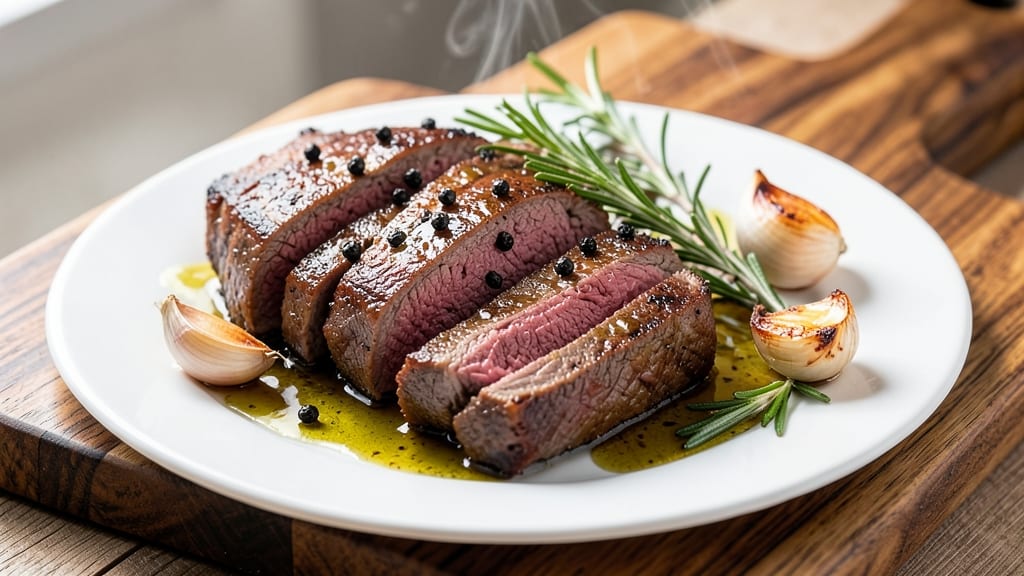
Mastering beef round sirloin tip steak transforms tough cuts into juicy, restaurant-worthy results you’ll crave every weeknight. This lean yet flavorful cut needs the right technique—pan-searing with a high-heat crust while keeping the center tender at 145°F for medium-rare.
I’ve perfected this method after years of testing, ensuring every bite delivers that perfect balance of texture and moisture.
The secret lies in proper prep: a dry-brine (salt 12–24 hours ahead) enhances tenderness without overpowering the meat’s natural flavor. For maximum flavor, sear the steak in a screaming-hot cast-iron skillet with just oil and salt, then finish in the oven if needed.
This approach guarantees a crispy crust while preserving the juicy interior—no guesswork, just consistent results.
What you’ll achieve is a steak with a caramelized exterior that shatters at the first bite, revealing melt-in-your-mouth tenderness inside. The method is precise but not complicated: a 10-minute sear followed by a 3–5 minute rest ensures perfect doneness every time.
Serve with garlic mashed potatoes or a bold red wine reduction for a complete meal.
This recipe works for weeknight dinners or special occasions—no fancy equipment required. Whether you’re feeding a family or treating yourself, the technique stays the same. Let’s get started on your next steakhouse-quality meal at home.
Ingredients for beef round sirloin tip steak
Lean cut meets bold flavor—just the right ingredients to transform tough beef into melt-in-your-mouth perfection.
| Ingredient | Amount | Notes |
|---|---|---|
| Beef Round Sirloin Tip Roast 🥩 | 2 ½ lb | Center-cut for tenderness, trimmed of fat |
| Kosher Salt 🧂 | 1 ½ tbsp | Diamond Crystal preferred, coarse grain |
| Black Peppercorns 🌶️ | 1 ½ tsp | Freshly cracked, coarse grind |
| Extra-Virgin Olive Oil 🫒 | 2 tbsp | High smoke point, fruity variety |
| Garlic Cloves 🧄 | 6 cloves | Smashed, skin-on for flavor |
| Fresh Rosemary 🌿 | ¼ cup | Needle sprigs, chopped |
| Fresh Thyme 🌿 | ¼ cup | Leaves only, stems removed |
| Yellow Onion 🧅 | 1 whole | Yellow or red, sliced into wedges |
| Butter 🧈 | 2 tbsp | Unsalted, cut into pats |
| Red Wine 🍷 | ½ cup | Bold dry red, like Cabernet Sauvignon |
| Beef Broth 💧 | ½ cup | Homemade or high-quality store-bought |
| Balsamic Vinegar 🍯 | 1 tbsp | Aged, for finishing touch |
The beef is everything here. Round sirloin tip needs that center-cut label—it’s what keeps it tender. Grab it from Whole Foods or your butcher’s counter, where they’ll trim the fat for you (or do it yourself with a sharp knife). Look for good marbling—those little white specks mean flavor. I usually buy Costco’s pre-trimmed roast for convenience, but if you’re cutting your own, leave about a quarter-inch fat cap for moisture during cooking. The herbs? Fresh is non-negotiable—dried just won’t cut it here. Rosemary and thyme from the grocery store’s produce section work, but if you’re feeling fancy, hit the farmers market for the best.
No red wine? Beef broth with a splash of balsamic does the trick—same depth, just different vibe. Short on fresh herbs? Dried thyme at one-third the amount works in a pinch, but rosemary’s flavor is too complex to substitute. The butter should be unsalted—you’re already salting the steak. For the garlic, smash those cloves with the flat side of your knife instead of mincing—it releases more flavor. The onion wedges caramelize beautifully while the steak rests, so don’t skip them. Pro tip: if you’re prepping ahead, dry-brine the steak overnight—just sprinkle the salt all over and let it sit uncovered in the fridge. The crust will be next-level crispy.
This steak is best served immediately after cooking, but leftovers? Slice against the grain and reheat in a skillet with a splash of broth—it’ll still taste amazing. The herb butter and wine reduction keep for 3 days in the fridge, so make extra. For the beef itself, vacuum-seal portions if you’re not eating it all at once—it’ll stay tender for up to 5 days. Freeze for 3 months if you’re planning ahead. Just thaw in the fridge overnight before cooking. And save those herb stems—they’re perfect for making homemade broth later.
Why You'll Love This Recipe
- One-Pan Magic: I swear by this recipe when I’m too tired to clean up after dinner. The sear, braise, and sauce all happen in that same cast iron skillet—no extra dishes, just flavor. Even the onions and garlic cook down into the sauce, so nothing goes to waste.
- Crust Meets Comfort: That first bite? Crispy, caramelized crust from the sear, then the melt-in-your-mouth tenderness of the braised meat—it’s like a hug for your taste buds. The rosemary and thyme in the sauce tie it all together with a herbal punch that lingers.
- Leftovers That Don’t Suck: Between us, most steak leftovers turn into sad, dry scraps. Not this one. The sauce stays rich and glossy, and the meat actually gets more flavorful as it sits. I’ve reheated slices the next day, and they’re still juicy—just add a splash of beef broth to warm through.
- Weeknight Hero: No fancy techniques, no last-minute grocery runs. You’ve got a 2.5 lb roast, some pantry staples, and 30 minutes of active time before the oven does the rest. Honestly, it’s the kind of dish that makes me feel like I’ve outsmarted dinner—even when I’m wearing pajamas.
Step-by-step instructions for beef round sirloin tip steak
Here's the method to transform tough roast into tender, juicy steak with a seared crust.
Prep and Season the Roast for Even Cooking
Pat the 2.5 lb beef round sirloin tip roast completely dry with paper towels—this is non-negotiable for a good crust. I like to work in a well-ventilated area because the meat releases moisture as I dry it. Trim any remaining fat if needed, but leave about ¼ inch for flavor.
In a small bowl, combine the 1.5 tbsp kosher salt and 1.5 tsp freshly cracked black peppercorns. Rub this generously over all sides of the roast, pressing the seasoning into the meat so it adheres. Let it sit at room temperature for 30 minutes while you prep the rest—this ensures even cooking from edge to center.
Sear the Roast for Maximum Flavor and Crust
Heat a heavy skillet (cast iron works best) over medium-high heat until it's screaming hot. Add 2 tbsp extra-virgin olive oil and let it shimmer for 1 minute—this ensures the oil won't burn when the meat hits the pan. Place the roast in the skillet and sear for 4-5 minutes per side, pressing down gently with a spatula. You'll see a deep golden crust form, and that's exactly what we want.
Here's the thing—don't walk away. The roast will release from the pan when it's ready to flip. If it sticks, add 1 tablespoon of red wine to deglaze and scrape up those flavorful browned bits. Remove the roast and set it aside on a plate, tented loosely with foil to keep warm.
Build the Herb-Infused Pan Sauce
In the same skillet, add 6 smashed garlic cloves (skin-on for extra flavor) and cook for 30 seconds until fragrant. Add 0.25 cup chopped fresh rosemary and 0.25 cup fresh thyme leaves, stirring for 1 minute to release their aromatic oils. Pour in the remaining 0.375 cup red wine (you used 1 tbsp earlier) and let it reduce by half—this takes about 2-3 minutes on medium heat.
Add 1 whole yellow onion, sliced into wedges, and cook for 4-5 minutes until softened. Stir in 2 tbsp butter and 0.5 cup beef broth, scraping up any browned bits from the bottom of the pan. Let the sauce simmer until it thickens slightly to a glossy consistency—this should take about 3-4 minutes. Finish with 1 tbsp aged balsamic vinegar for a touch of tangy depth.
Braise for Juicy Tenderness
Return the seared roast to the skillet, spooning the herb-infused sauce over the top. Cover and transfer to a 325°F oven for 2-2.5 hours, or until the internal temperature reaches 195°F and the meat is fork-tender. The braising liquid will baste the roast continuously, keeping it moist and rich.
Real talk: Your oven might run hot, so start checking the temperature at the 2-hour mark. If the sauce reduces too much, add a splash of beef broth to keep it glossy. The roast should pull apart easily with two forks when done—this is your signal for juicy perfection.
Rest and Slice for Maximum Juiciness
Remove the roast from the oven and tent it with foil. Let it rest for 15-20 minutes—this is where the magic happens. The juices redistribute throughout the meat, ensuring every slice is moist and flavorful. Don't skip this step; I learned the hard way that cutting too soon leads to dry steak.
Slice the roast against the grain into ½-inch thick portions. Spoon the herb-infused pan sauce over the top and serve immediately. Each bite should deliver a perfect balance of seared crust, tender meat, and rich herb-infused sauce. Pair with roasted potatoes or crusty bread to soak up every last drop of that delicious sauce.
Pro Tips For Making Beef Round Sirloin Tip Steak
- Check Internal Temp Early: Start testing the roast’s internal temperature at the 2-hour mark—your oven’s hot spots can throw off the 325°F timing. I’ve seen roasts overcook by 15 minutes just because the broiler was running hotter than expected, and that turns tender into tough.
- Sear Skin-On Garlic: Leave those garlic skins on when smashing the cloves—it’s not just for looks. The skins caramelize slightly in the pan, adding a nutty depth that plain minced garlic can’t match. Skip this, and your sauce will taste flat, even if everything else is perfect.
- Don’t Crowd the Pan: If your skillet isn’t big enough for the onion wedges to sizzle without steaming, cook them in batches. I once tried to rush this and ended up with mushy onions instead of caramelized edges—now I use a second smaller pan if needed.
- Deglaze Immediately: The second that roast sticks, add the 1 tablespoon of red wine from the recipe and scrape like your life depends on it. Those browned bits are pure flavor, and letting them burn turns your sauce from rich to bitter. (Yes, even if you’re impatient like me.)
Troubleshooting this recipe
Uneven Cooking
If your steak emerges with a raw center but crispy edges, you likely didn’t give it enough time to cook through. The 2.5 lb round sirloin tip needs patience—especially when searing first. Use a meat thermometer to check internal temp: 145°F for medium-rare or 160°F for medium.
If the crust is perfect but the inside is still tough, return it to a 325°F oven for 10-15 minutes more, basting with pan juices. 🌡️
Sauce Too Thin
A watery sauce usually means you rushed the reduction. After deglazing with wine, let it simmer until it coats the back of a spoon. If it’s still too thin, whisk in 1 tsp cornstarch mixed with 1 tbsp cold water and cook for 1 minute until thickened.
For extra richness, stir in 1 tbsp cold butter at the end—it emulsifies beautifully. I’ve also used beef gelatin (1 tsp dissolved in 2 tbsp water) for a silky finish.
Dry, Tough Meat
Skipping the rest or overcooking are the top culprits. The 15-20 minute rest is non-negotiable—juices need time to redistribute. If the meat still feels dry, your oven may run hot. Try cooking at 300°F instead of 325°F and check temps hourly.
For extra moisture, add ¼ cup beef broth to the pan before braising. A meat mallet can also help tenderize if you’re working with a particularly tough cut.
Burnt Crust
This happens when the pan isn’t hot enough or the oil isn’t properly heated. Let your cast iron skillet get screaming hot—you should see a slight wisp of smoke before adding oil. If the crust burns before the steak is seared, reduce heat to medium and cook in batches.
For a double-sear method, finish in a 400°F oven for 5 minutes after initial searing to crisp the crust without burning.
Weak Flavor
Fresh herbs and proper seasoning make all the difference. If your sauce tastes bland, boost it with 1 tsp fish sauce or ½ tsp soy sauce for umami depth. For the steak, use Diamond Crystal kosher salt—it’s coarser and dissolves better than table salt.
I also like adding 1 tsp smoked paprika to the seasoning mix for a subtle smoky note. Don’t skip the 30-minute room temp rest before cooking—it helps seasoning penetrate the meat.
Stuck-on Sauce
Sauce sticking to the pan means you didn’t deglaze properly. After searing, immediately add 1 tbsp red wine or broth to scrape up browned bits. For stubborn residue, add ¼ cup apple cider vinegar to the pan and simmer for 2 minutes—the acid helps break it down.
If all else fails, a wooden spoon works better than metal for scraping without scratching your skillet.
Nutrition facts
Frequently asked questions
Why does this recipe use round sirloin tip instead of a traditional steak cut?
The round sirloin tip is perfect for this method because it's a lean but flavorful cut that benefits from slow cooking and braising. Unlike tenderloin or ribeye, it needs the pan-sear and oven finish to break down connective tissue while creating that coveted crust. The 2.5 lb roast also makes it budget-friendly for family meals while delivering restaurant-quality results.
Can I substitute red wine with something else in the sauce?
If you don't have red wine, use ½ cup beef broth plus 1 tbsp balsamic vinegar for depth. For a non-alcoholic version, try ½ cup apple cider or even ½ cup chicken broth with 1 tsp soy sauce. The key is balancing acidity and richness—just adjust seasoning to taste after reducing.
How do I know when the steak is fully cooked without a meat thermometer?
For medium-rare, press the center with your finger—it should feel very slightly soft (like pressing your thumb into your palm). For medium, it'll feel firm but still springy. The 195°F internal temp ensures fork-tender perfection, but if you're guessing, aim for 2-2.5 hours in the oven and check for that "pull-apart" texture with two forks.
What's the best way to reheat leftover steak?
Slice against the grain and reheat in a skillet over medium heat with 1 tbsp butter and 2 tbsp beef broth for 2-3 minutes per side. Avoid microwaving—it makes the meat tough. For extra moisture, cover the pan loosely and let the steam work its magic. The sauce can be reheated separately on the stovetop.
Can I make this ahead of time for a dinner party?
Yes! Prep the steak up to 24 hours ahead: season it, sear it, and refrigerate uncovered (this helps the crust form). When ready to cook, finish in the oven as directed. The sauce can be made 1 day ahead and reheated gently. For serving, slice just before guests arrive to keep it looking fresh and juicy.