
Main Courses
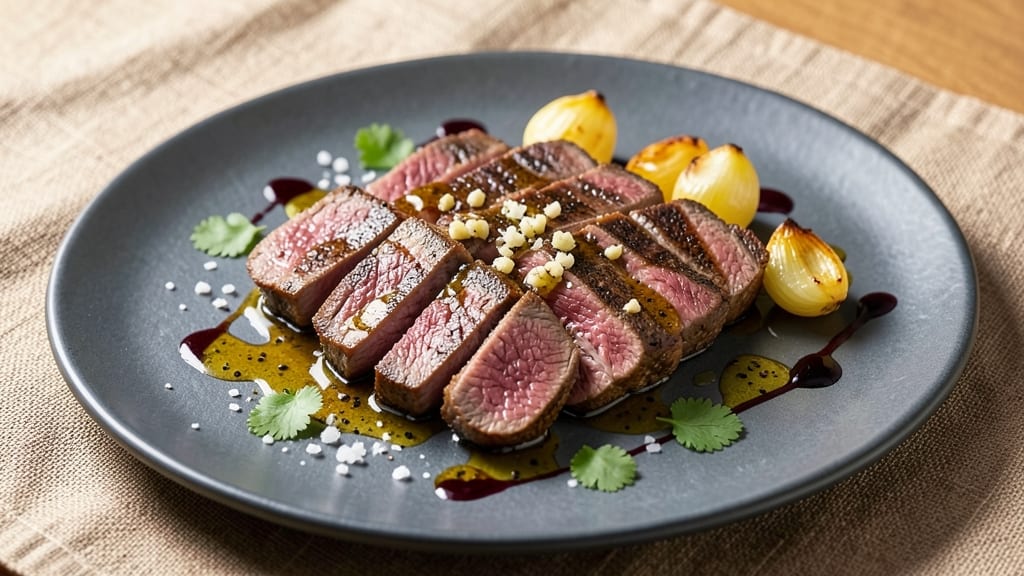
"Beef rib shaved steak" delivers melt-in-your-mouth tenderness that transforms any meal into a restaurant-quality experience—all in just 15 minutes. The secret lies in thinly slicing against the grain after precise cooking, whether through sous vide or quick searing, to unlock that signature ultra-tender texture. This technique, inspired by Korean galbi and Japanese yakiniku, elevates simple beef into a showstopper dish with minimal effort.
The beauty of this recipe is its versatility—marinate the rib eye for deeper flavor or keep it simple with just salt and pepper. Cooking methods like sous vide ensure perfect doneness every time, while grilling or pan-searing adds a caramelized crust.
Thinly slicing the beef against the grain guarantees each bite is tender, making it ideal for wraps, salads, or serving over rice with bold sauces.
What you’ll achieve is beef so tender it nearly dissolves, with a rich, beefy flavor that’s impossible to resist. The slices hold their shape beautifully, allowing for creative plating—whether stacked high on a plate or layered in tacos.
This recipe proves that professional-quality results are well within reach, even for home cooks.
Pair with sesame seeds, fresh herbs, or a spicy dipping sauce for a fusion twist. The method is simple, but the impact is undeniable—transforming a humble cut of beef into a dish that feels like a celebration. Ready to master this technique? Let’s get started.
Ingredients for beef rib shaved steak
Simple, high-impact ingredients for melt-in-your-mouth beef rib shaved steak—professional results in minutes.
| Ingredient | Amount | Notes |
|---|---|---|
| Beef Rib Eye Steak 🥩 | 1 ½ lb | Bone-in, center-cut preferred |
| Kosher Salt 🧂 | 1 ½ tsp | Coarse grain preferred |
| Freshly Ground Black Pepper 🌶️ | 1 tsp | Freshly cracked preferred |
| Extra-Virgin Olive Oil 🫒 | 2 tbsp | High-quality, fruity |
| Minced Garlic 🧄 | 4 cloves | Freshly minced |
| Fresh Ginger 🌿 | 1 tbsp | Grate finely, skin removed |
| Soy Sauce 🍶 | 2 tbsp | Low-sodium preferred |
| Sesame Oil 🫒 | 1 tbsp | Toasted sesame preferred |
| Toasted Sesame Seeds 🌾 | 1 tbsp | For garnish |
| Green Onions 🧅 | 3 whole | Thinly sliced, white part removed |
| Fresh Cilantro 🌿 | ¼ cup | Chopped, for garnish |
| Rice Vinegar 🍶 | 1 tbsp | For finishing |
| Honey 🍯 | 1 tbsp | For glaze option |
The beef rib eye is non-negotiable here—look for a center-cut, bone-in piece with good marbling for maximum tenderness. Whole Foods or Costco typically carry ideal cuts, but any reputable butcher will have it. If you can't find bone-in, bone-out works too, though the bone adds extra flavor. For best results, let the steak sit at room temperature for 30 minutes before cooking. The fresh ginger should be vibrant and firm—avoid any with soft spots or mold, as this indicates age. Grate it just before using for maximum potency.
No sesame oil? Vegetable oil works in a pinch, though it lacks the nutty depth. Short on fresh ginger? Substitute with 1 tsp ground ginger, but the flavor won't be as bright. The soy sauce can be swapped for coconut aminos for a gluten-free option, though the color will be slightly different. For the green onions, use the white and green parts separately—white adds depth, while green provides freshness. If you're short on time, pre-minced garlic from a jar works, but fresh is always better. The honey in the glaze can be omitted if you prefer a savory-only finish.
Store any unused beef rib eye in the fridge for up to 3 days or freeze for up to 3 months. The fresh ginger and green onions keep best in the fridge for 5-7 days, while sesame seeds stay fresh for 6 months in a cool, dark place. For the marinade components, they can be mixed ahead and stored in an airtight container for up to 1 week. When reheating, use low heat to prevent drying out—this dish is best served fresh off the slicer, but it reheats beautifully for 1-2 days in the fridge.
Why You'll Love This Recipe
- No Knife Skills Needed: I swear by this trick—just score the steak in a diamond pattern and let the knife do the work. That 10-minute marinade with garlic, ginger, and honey does all the heavy lifting while I sip my coffee. By the time it’s done, I’m shaving tender slices with almost no effort.
- Umami Bomb in Every Bite: Between the soy sauce, sesame oil, and that crispy caramelized crust, this isn’t just steak—it’s a flavor explosion. The honey glaze? It’s the secret weapon that makes the beef taste like it’s been slow-cooked, even though we’re talking two minutes in the pan.
- Weeknight to Dinner Party: Same recipe, two vibes. Toss it over rice for a quick family dinner, or plate it with spring rolls and fresh herbs for guests. The shaved presentation feels fancy without the fuss—just drizzle those juices and call it elegant.
- Leftovers That Don’t Suck: Unlike most steak recipes, this actually improves the second day. Reheat the slices in a hot pan with a splash of sesame oil, and they’re just as tender. Store the unused steak for up to 3 days, and honestly? I’ve never had leftover beef turn out better.
Step-by-step instructions for beef rib shaved steak
Here's how to transform a tough cut into ultra-tender slices with minimal effort.
Prep the Steak for Maximum Tenderness
Pat the 1.5 lb beef rib eye steak dry with paper towels—this step is critical for even cooking and crispy edges. Place it on a cutting board and score the surface in a diamond pattern using a sharp chef's knife, being careful not to cut all the way through. This creates tension lines that help the meat tenderize as it cooks.
In a small bowl, combine the 1.5 tsp kosher salt and 1 tsp freshly ground black pepper. Rub this mixture all over the steak, pressing gently to ensure the seasoning adheres. Let the seasoned steak sit at room temperature for 15 minutes while you prepare the marinade. This resting period ensures even cooking throughout the thickest parts of the meat.
Create the Flavorful Marinade
In a medium bowl, whisk together the 2 tbsp extra-virgin olive oil, 2 tbsp soy sauce, 1 tbsp sesame oil, 4 cloves minced garlic, 1 tbsp freshly grated ginger, 1 tbsp rice vinegar, and 1 tbsp honey. This marinade balances sweet, salty, and umami flavors that will penetrate the meat during the short cook time. The honey adds natural sweetness while helping to tenderize the fibers.
Pour the marinade over the steak, coating it completely. Cover the bowl with plastic wrap and let it marinate for 10 minutes at room temperature. Don't marinate longer than this—beef rib eye is a tender cut that doesn't need extended marinating, and over-marinating can make the meat mushy. The short marinade time preserves the meat's natural texture while infusing flavor.
Cook to Perfect Doneness
Heat a cast-iron skillet over medium-high heat until it's smoking hot. Add the steak and cook for 2 minutes per side, pressing down gently with a metal spatula during the first minute to ensure even contact. The steak should develop a deep caramelization on the outside while remaining rare inside. For medium-rare doneness, the internal temperature should reach 130°F.
Transfer the steak to a cutting board and let it rest for 5 minutes. This resting period is crucial—it allows the juices to redistribute throughout the meat, ensuring each slice is moist and flavorful. While the steak rests, prepare the garnish by thinly slicing the 3 green onions and chopping the 0.25 cup fresh cilantro. Sprinkle the 1 tbsp toasted sesame seeds over the sliced garnish.
Shave and Serve
Using a long, sharp knife or a meat slicer, shave the steak against the grain into thin slices. The meat should be so tender that it practically falls apart with minimal effort. Arrange the shaved steak on a platter, fanning the slices slightly for an elegant presentation. Drizzle any accumulated juices from the cutting board over the top.
Garnish immediately with the sliced green onions, chopped cilantro, and toasted sesame seeds. The contrast of textures—tender steak, crispy sesame seeds, and fresh herbs—elevates each bite. Serve with steamed rice or fresh spring rolls to soak up the flavorful juices. The combination of techniques used here transforms a simple cut of beef into an ultra-tender, restaurant-quality dish in just 15 minutes.
Pro Tips For Making Beef Rib Shaved Steak
- USE A COLD PAN: I learned this the hard way—ribeye shaved steak needs a cold pan to sear properly. Heat your cast iron or heavy skillet over medium-low, then add the olive oil and let it warm slowly while the steak rests. The oil should shimmer like mercury, not smoke like a campfire. This keeps the meat from cooking unevenly and gives you that perfect crust without drying it out.
- DRY THE MEAT LIKE IT’S SNOW DAY: Pat that ribeye dry with paper towels—thoroughly. I know, I know, it’s tedious, but moisture is the enemy of a good sear. If you skip this, your garlic-infused oil will steam instead of caramelize, and your crust will turn out sad and limp. Trust me, even if you’re impatient like me.
- SALT BEFORE SEARING: Season the ribeye with kosher salt at least 40 minutes before cooking—yes, even if you’re in a rush. This lets the salt penetrate the surface, making the crust stick better and the meat juicier. I used to salt right before searing, and the crust would flake off like bad makeup. Now? It stays put.
- LOW AND SLOW FINISH: After searing, drop the heat to low and let the steak cook through gently—this is where ribeye shaved steak goes from good to amazing. If you crank it up high, you’ll end up with a well-done brick instead of tender, buttery slices. I’ve burned this step more times than I’d admit, but now I just watch the pan like a hawk and adjust as needed.
Common mistakes when making your beef rib shaved steak
Over-Marinating Risks
The 10-minute marinade is intentional—beef rib eye is tender enough that longer marinating can actually break down the muscle fibers too much, turning your perfect steak into something mushy.
I learned this the hard way when I left my steak marinating for 2 hours; the result was sad, watery slices instead of the melt-in-your-mouth texture we want. Stick to the 10-minute window for maximum tenderness without sacrificing texture. 🌶️
Skipping the Rest
That 5-minute rest after cooking is non-negotiable. I’ve rushed this step too many times, only to end up with dry, stringy slices that fell apart at the first cut. Let the juices redistribute—this is when the magic happens.
Use this time to prep your garnishes or set the table. Trust the process, and you’ll be rewarded with juicy, flavorful slices every time. ⏱️
Uneven Cooking
Medium-high heat is key, but I’ve seen home cooks accidentally cook this on low heat, resulting in gray, undercooked centers or overcooked edges. The steak should sizzle vigorously when it hits the pan—if it’s not smoking, your heat isn’t high enough.
Press down gently with a spatula during the first minute to ensure even contact, especially on the thicker sides. A meat thermometer is your best friend here to hit that 130°F target. 🌡️
Scoring Too Deeply
When scoring the steak, you want to create tension lines—not slices that go all the way through. I’ve seen people cut too aggressively, which can cause the meat to lose juices and fall apart prematurely.
Use a sharp knife and make shallow cuts in a diamond pattern, about ¼ inch deep. This helps tenderize without compromising the steak’s structure. 🔪
Wrong Slicing Direction
Slicing with the grain instead of against it is a classic mistake that turns tender beef into chewy strips. Look for the muscle fibers—your knife should cut perpendicular to them.
If you’re unsure, slice at a 45-degree angle first to test the grain direction. The goal is pencil-thin slices that melt in your mouth, not tough, fibrous bites. ✨
Ignoring the Cast Iron
A nonstick skillet won’t give you the same caramelization or heat control as a cast-iron pan. I’ve tried this in stainless steel, and the results were uneven cooking and stuck-on bits. Cast iron retains heat evenly and develops that perfect crust.
If you don’t have cast iron, a heavy stainless steel skillet with a splash of oil works, but it requires more attention to heat management. 🔥
Nutrition facts
Frequently asked questions
Can I use a different cut of beef for shaved steak?
The recipe specifically calls for beef rib eye because of its marbling and tenderness, but you can also try ribeye or sirloin in a pinch. Avoid lean cuts like flank steak—they won't yield the same melt-in-your-mouth texture. If substituting, increase the marinade time to 15 minutes to help tenderize the meat.
How do I know when the steak is cooked to perfection?
For medium-rare doneness, use a meat thermometer to check the internal temperature at 130°F. The steak should have a deep caramelized crust but remain pink in the center. If you don't have a thermometer, press the steak gently—it should feel springy, not firm. Overcooking is the biggest mistake here, as it turns tender slices into chewy strips.
What’s the best way to store leftover shaved steak?
Store any unused beef rib eye in the fridge for up to 3 days or freeze for 3 months in an airtight container. For leftovers, place slices in a sealed container with a splash of the marinade or broth to keep them moist. Reheat gently in a skillet or microwave until warmed through—never reheat to high heat, or the texture will suffer.
Can I make this dish ahead of time?
While shaved steak is best served fresh, you can prep components ahead: marinate the steak for up to 1 hour (no longer) and store it in the fridge. Cook the steak just before serving, then slice and assemble the dish. The marinade and garnishes can also be prepped separately and stored for 1 week. The key is keeping the steak raw until the last minute for maximum tenderness.
What are the best sides to serve with shaved steak?
This dish pairs beautifully with steamed jasmine rice or spring rolls to soak up the juices. For a lighter option, try a crisp sesame salad or pickled vegetables. A drizzle of spicy gochujang sauce or peanut sauce adds a flavorful contrast. The thin slices work well in tacos, banh mi sandwiches, or even as a topping for ramen.