
Main Courses
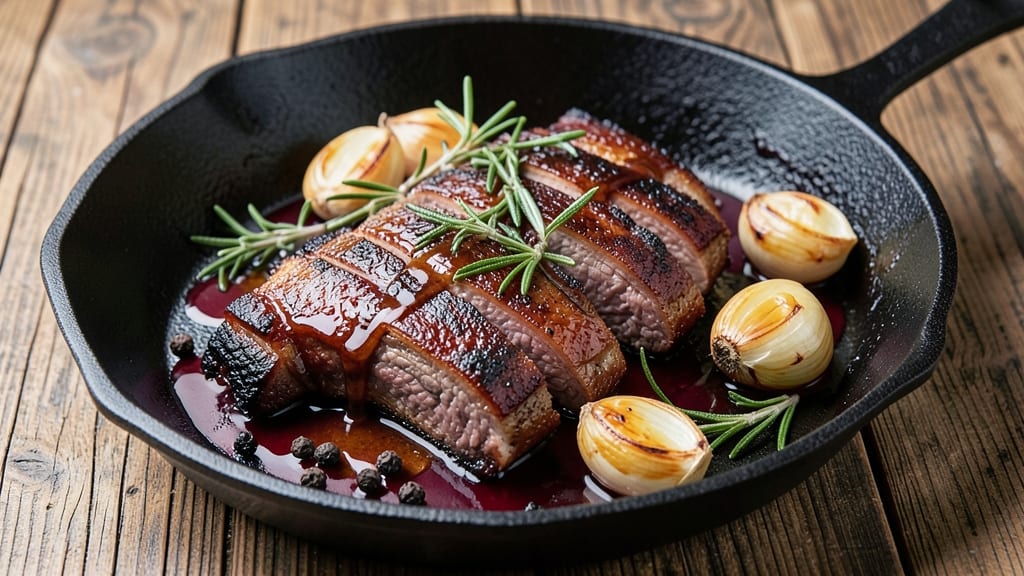
Transforming tough beef loin boneless ribs into melt-in-your-mouth perfection requires patience and precision—this slow-braised method delivers restaurant-quality tenderness at home. The secret lies in low-and-slow cooking that breaks down connective tissue while building deep, savory flavors through aromatic herbs and red wine.
I developed this technique after years of experimenting with different braising times and seasoning blends, ensuring every bite is juicy and rich.
What sets this recipe apart is the balance between bold seasonings and gentle cooking. A blend of garlic, rosemary, and black pepper creates an aromatic crust on the ribs, while red wine and beef broth infuse the meat with complex flavor.
The 3-hour braising time at 300°F transforms tough cuts into fork-tender slices that practically fall apart. This method is ideal for special occasions or when you want to impress guests with a dish that feels luxurious yet is straightforward to execute.
By the time you serve these ribs, they'll be glazed with a rich, caramelized sauce that clings to every bite, offering a perfect harmony of savory, slightly sweet, and herby notes.
The meat stays moist and succulent, with just a touch of crispness on the edges—a result of careful temperature control and resting time. Pair with roasted root vegetables or a fresh green salad to create a well-rounded meal that feels both hearty and refined.
This recipe is designed for those who appreciate the art of slow cooking, where time and technique elevate simple ingredients into something extraordinary. Whether you're hosting a dinner party or simply craving a comforting meal, these ribs will be the star of your table.
Let's get started on creating a dish that's sure to become a favorite.
Ingredients for beef loin boneless ribs
Pantry staples and aromatic herbs transform tough beef into melt-in-your-mouth perfection through slow braising.
| Ingredient | Amount | Notes |
|---|---|---|
| Beef Loin Boneless Ribs 🥩 | 2 ½ lb | Center-cut, 1-inch thick slices |
| Red Wine 🍷 | 1 cup | Bold dry variety like Cabernet |
| Beef Broth 💧 | 2 cups | Low-sodium preferred |
| Garlic Cloves 🧄 | 6 cloves | Peeled and smashed |
| Fresh Rosemary 🌿 | ½ cup | Finely chopped |
| Black Peppercorns 🌶️ | 1 ½ tbsp | Freshly cracked |
| Olive Oil 🫒 | 2 tbsp | Extra-virgin for richness |
| Salt 🧂 | 1 ½ tsp | Kosher or sea salt |
| Carrots 🥕 | 4 whole | Medium size, peeled |
| Yellow Onion 🧅 | 1 whole | Medium size, chopped |
| Tomato Paste 🍅 | 2 tbsp | Smooth, no sugar added |
| Fresh Thyme Leaves 🌿 | ¼ cup | Stems removed |
| Balsamic Vinegar 🍶 | 1 tbsp | Aged variety |
The beef loin boneless ribs are the star here—center-cut slices with visible marbling cook more evenly. Look for 1-inch thick pieces at your butcher or meat department, as they hold up better during the long braise. Costco or Whole Foods often carry high-quality cuts in bulk. If you can't find center-cut, ask for the thickest portion of the loin—it'll give you the best texture. The garlic and rosemary should be freshly chopped for maximum aroma, but if you're short on time, dried thyme at half the amount will work in a pinch.
No red wine on hand? Beef broth with 1 tbsp balsamic vinegar delivers similar depth. The carrots and onion can be swapped for 2 cups of pre-chopped mirepoix if you're in a hurry, though fresh veggies add better texture. For the tomato paste, Trader Joe's squeeze tubes are perfect—they're convenient and last longer than cans. The black peppercorns should be freshly cracked for a bright flavor, but pre-ground works if that's all you have. If you're making this ahead, the ribs actually taste better the next day as flavors meld together.
This dish reheats beautifully—simply warm in the oven with a splash of broth. The ribs keep 4-5 days in the fridge, fully submerged in their braising liquid. For longer storage, portion into airtight containers with the sauce and freeze for up to 3 months. I like to make a double batch and freeze half—perfect for lazy weeknights. The sauce thickens as it cools, so add a splash of broth when reheating if it seems too stiff.
Why You'll Love This Recipe
- Here’s what sold me: these ribs stay tender for days, and the sauce only gets better as it sits. Four or five days in the fridge, submerged in that herby braising liquid? It’s basically a freezer-friendly hug for lazy nights. Just reheat, and you’ve got restaurant-quality comfort food without the takeout markup.
- One-Pot Magic: I swear by this recipe because it’s literally hands-off after the initial sear. Sear the ribs, toss in the onions and carrots, dump everything else in, and walk away. The Dutch oven does all the work while you sip that same bold Cabernet you’re cooking with—because honestly, why not?
- Herb-Infused Luxury: That combo of rosemary, thyme, and cracked peppercorns? It’s like a spa day for your taste buds. The wine and balsamic vinegar tie it all together with this rich, slightly tangy depth that makes even the simplest crusty bread feel like a five-star sidekick.
- Weeknight Crowd-Pleaser: Between us, this is the dish I pull out when my in-laws show up unannounced or my book club votes for "fancy but not fussy." The ribs feed four easily, and the leftovers? They’re that good—so good my kids actually ask for seconds (and I’ll take it).
Step-by-step instructions for beef loin boneless ribs
Here's the method to achieve melt-in-your-mouth tenderness with rich, aromatic braising.
Sear the Ribs for Deep Flavor
Heat the 2 tablespoons olive oil in a heavy Dutch oven over medium-high heat until shimmering. Pat the 2.5 lb beef loin boneless ribs dry with paper towels—this ensures a proper sear. Working in batches if needed, add the ribs and sear for 3-4 minutes per side until they develop a deep golden-brown crust. The reason for searing is to lock in juices and create that fundamental Maillard reaction that builds flavor.
Remove the ribs and set aside. In the same pot, add the 1 whole yellow onion and 4 whole carrots cut into chunks, cooking for 5 minutes until they begin to soften. This step creates a flavorful base for your braise by caramelizing the vegetables in the rendered beef fat. Keep these vegetables in the pot—they'll continue cooking throughout the braising process.
Build the Braising Liquid
To the pot with the vegetables, add the 6 cloves garlic cloves, 2 tablespoons tomato paste, 0.5 cup fresh rosemary, 0.25 cup fresh thyme leaves, and 1.5 tablespoons black peppercorns. Stir to combine, then pour in the 1 cup red wine and scrape up any browned bits from the bottom of the pot—this releases all the flavor you've built. Let this mixture simmer for 2 minutes until the alcohol smell dissipates.
Next, add the 2 cups beef broth and bring to a gentle boil. Return the seared ribs to the pot, making sure they're fully submerged in the liquid. The liquid should cover the ribs by about 1 inch—if not, add a splash of water. The goal is to create a moist environment that will break down the connective tissue and render the meat to buttery perfection.
Slow-Braise to Perfect Tenderness
Cover the pot tightly with a lid and transfer it to a preheated 300°F oven. Braise the ribs for 2.5 to 3 hours until they're fork-tender. Here's the thing—you'll know they're ready when a fork slides in easily and the meat pulls apart with minimal resistance. The ribs should be so tender they practically fall apart when you lift them with a fork.
About 30 minutes before the ribs are done, stir in the 1 tablespoon balsamic vinegar. This adds a subtle tangy depth that complements the rich beef flavors. The balsamic vinegar also helps balance the dish by cutting through the richness of the braised meat. Don't skip this step—it's what elevates this dish from good to exceptional.
Rest and Serve with Confidence
Once the ribs reach the perfect tenderness, remove them from the pot and transfer them to a serving platter. Tent loosely with foil and let them rest for 10 minutes. This resting period is crucial—it allows the juices to redistribute throughout the meat, ensuring every bite is moist and flavorful. Skipping this step means losing those precious juices that would otherwise pool on your plate.
Ladle the braising liquid through a fine-mesh strainer to remove any herbs or vegetables, then pour it over the ribs. The sauce should coat the meat beautifully, adding to the overall richness. Serve the ribs with a side of crusty bread to soak up all that delicious braising liquid. Each bite should deliver that buttery tenderness with layers of aromatic herbs and a perfect balance of wine and vinegar.
Pro Tips For Making Beef Loin Boneless Ribs
- Preheat That Oven: DESCRIPTION: I learned this the hard way—cold Dutch oven + hot oven = uneven cooking. Preheat your oven to 300°F before you start braising. That way, the ribs hit the right temp immediately, and the liquid stays at a steady simmer instead of wasting time heating up.
- Smash That Garlic: DESCRIPTION: Don’t just mince those 6 cloves—smashed garlic cloves release more flavor into the wine and broth. Use the flat side of your knife or a garlic press, then let them sit in the pot for the full 2 minutes of simmering. (Yes, even if you’re impatient like me.)
- Cover Tight, No Peeking: DESCRIPTION: That lid isn’t just for looks—it’s the thing that matters most for tender ribs. Seal it tightly with foil if needed, and resist the urge to lift it until the 30-minute mark. Every time you peek, steam escapes, and your ribs dry out. Trust the process.
- Strain Like a Pro: DESCRIPTION: Skimping on this step leaves gritty herbs in your sauce—no one wants to bite into a thyme leaf. Use a fine-mesh strainer (or even cheesecloth) to get that silky braising liquid. Pour it back over the ribs before serving—it makes all the difference.
Flavor customization for these flavors
Herb Variations
Swap the rosemary and thyme for 1 tbsp dried oregano and 1 tbsp fresh sage to create a Mediterranean-inspired twist. The oregano adds earthy depth while sage brings a piney freshness that pairs beautifully with the wine.
I've found that using Italian seasoning (1 tbsp) instead of the original herbs delivers a balanced, all-purpose flavor that works well for everyday meals. 🌿
Spicy Kick
For heat lovers, add 1 tbsp smoked paprika and ½ tsp cayenne pepper to the braising liquid during Step 2. The smoked paprika complements the wine's richness, while cayenne adds a subtle burn that lingers.
If you prefer a sweeter heat, stir in 1 tbsp honey along with the balsamic vinegar in the final 30 minutes. This balances the spice beautifully.
Umami Boost
Enhance the depth with 1 tbsp soy sauce or 1 tsp fish sauce when building the braising liquid. The umami notes from these ingredients amplify the beef's natural flavors without overpowering them.
For a vegetarian-friendly option, replace the red wine with 1 cup mushroom broth and add 1 tbsp miso paste to the sauce. The miso adds a savory complexity that works surprisingly well.
Sweet-Savory Balance
Add 2 tbsp brown sugar to the braising liquid during Step 2 for a caramelized glaze effect. The sugar reacts with the wine and beef broth to create a sticky, glossy sauce that clings to the ribs.
For a fruitier twist, stir in ½ cup apple cider along with the balsamic vinegar. The apple cider adds a subtle sweetness that complements the herbal notes perfectly.
Global Flavors
Transform this recipe into a French-style version by adding 1 tbsp Dijon mustard and ½ cup pearl onions to the braising liquid. The mustard adds tang, while the onions caramelize beautifully.
For a Moroccan-inspired twist, include 1 tsp ground cumin, 1 tsp ground coriander, and ½ tsp cinnamon in the seasoning blend. The warm spices create a completely different but equally rich flavor profile.
Cheese Finish
Serve the ribs with a sprinkle of grated Parmesan cheese or crumbled blue cheese for a luxurious touch. The Parmesan adds a salty, nutty contrast, while blue cheese introduces a creamy tang that cuts through the richness.
For a vegetarian-friendly option, top with goat cheese crumbles and fresh thyme leaves. The goat cheese melts slightly when warmed, creating a creamy, herby finish. 🧀
Nutrition facts
Frequently asked questions
Why do I need to sear the beef loin boneless ribs before braising?
Searing creates a flavorful crust through the Maillard reaction, locking in juices and building depth. The 3-4 minute sear on each side develops that rich, caramelized flavor that forms the foundation of your dish. Skipping this step means missing out on the fundamental taste layers that make braised ribs so satisfying.
Can I use a different cooking method besides braising?
While braising at 300°F for 2.5-3 hours is ideal for tenderness, you could try slow-cooking on the stovetop with a tight lid. For grilling, marinate the ribs first and grill indirectly at 250°F for 3-4 hours with a liquid glaze. However, braising delivers the most reliable, melt-in-your-mouth results for this cut.
What if my ribs aren't tender enough after 3 hours?
Check your oven temperature with an oven thermometer—many ovens run 25°F cooler than set. If the ribs feel slightly firm, add 30 more minutes at the same temperature. For extra insurance, cover the pot with foil to trap steam. Never increase heat, as this can dry out the meat.
How do I reheat leftovers without drying them out?
Reheat in the oven at 300°F for 15-20 minutes, covered with foil, with a splash of beef broth. The low heat prevents drying while keeping the sauce clinging to the meat. Microwaving works in a pinch (1-2 minutes), but the texture won't be as perfect. Always reheat fully submerged in sauce.
Can I make this recipe without red wine?
Replace the 1 cup red wine with 1 cup beef broth plus 1 tbsp balsamic vinegar for similar depth. For extra richness, add 1 tbsp soy sauce or 1 tsp Worcestershire sauce. The dish will still develop that signature braised flavor, just with a slightly different profile.