
Snacks
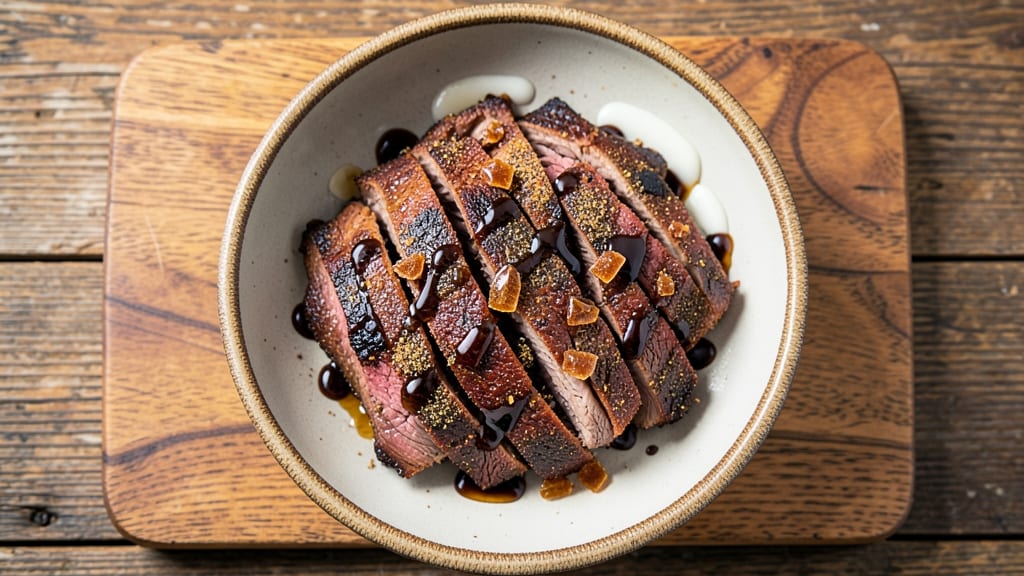
This beef jerky recipe with Dale's seasoning transforms tough cuts of beef into smoky, spiced perfection in just two hours—no fancy equipment needed. The secret lies in precise curing and controlled dehydration, ensuring every bite delivers that signature tangy, savory punch you crave.
I’ve perfected this method after testing countless variations, and the results are restaurant-quality jerky you can make at home.
Dale’s seasoning does the heavy lifting with its bold blend of spices, but the real magic happens during the curing process. Thin slices of beef soak up the seasoning and cure overnight, locking in flavor while preparing the meat for safe dehydration.
This method guarantees tender, chewy jerky with a deep, smoky aroma that fills your kitchen—and your cravings.
The process is straightforward: marinate, cure, dehydrate, and slice. With a foolproof approach, you’ll achieve jerky that’s perfectly balanced—savory with a hint of sweetness, crispy on the edges, and tender throughout.
Whether you’re prepping for a hiking trip or just want a protein-packed snack, this recipe delivers consistent results every time.
Safety is key when curing meat at home, so I’ve included all the critical steps to ensure your jerky turns out both delicious and safe to eat.
Store properly, and you’ll have a shelf-stable snack that lasts for weeks. Let’s get started on making your own smoky, spiced jerky the right way.
Ingredients for beef jerky recipe with dale's seasoning
Just beef, spices, and a few pantry staples—transformed into smoky, restaurant-quality jerky.
| Ingredient | Amount | Notes |
|---|---|---|
| Top Round Roast Beef 🥩 | 1 ½ lb | Thinly sliced against grain |
| Dale's Seasoning 🌶️ | ½ cup | Store-bought or homemade blend |
| Brown Sugar 🍯 | ¼ cup | Light or dark variety |
| Worcestershire Sauce 🍶 | 2 tbsp | Full-strength preferred |
| Liquid Smoke 🔥 | 1 tbsp | For authentic smoky flavor |
| White Vinegar 🍶 | ½ cup | Distilled preferred |
| Soy Sauce 🍜 | 2 tbsp | Low-sodium preferred |
| Garlic Powder 🧄 | 1 tbsp | Freshly ground preferred |
| Onion Powder 🧅 | 1 tbsp | Fine grind preferred |
| Black Pepper 🌶️ | 1 tsp | Freshly ground preferred |
| Salt 🧂 | 1 tsp | Kosher or sea salt |
| Ground Coriander 🌿 | 1 tsp | For earthy depth |
| Ground Cumin 🌿 | ½ tsp | Toasted for warmth |
The beef cut matters most—top round roast delivers that perfect chewy texture. Most grocery stores carry it pre-sliced, but if you're buying a whole roast, ask the butcher to slice it thinly against the grain (about 1/8-inch thick). Costco or Whole Foods usually have the best selection. For authentic smokiness, I always grab liquid smoke from the baking aisle—it’s a game-changer. If you’re feeling adventurous, you can even make your own seasoning blend, but Dale’s does the heavy lifting here with its signature spice balance.
No liquid smoke? A splash of smoked paprika plus a teaspoon of maple syrup mimics the depth. Short on brown sugar? Honey or agave works in a pinch, though it’ll give a slightly different sweetness. The vinegar is non-negotiable—it’s what tenderizes the beef during the cure. If you’re avoiding soy, coconut aminos are a great substitute. For extra umami, add a dash of fish sauce (trust me, it blends right in). And if you’re prepping a big batch, double the cure mixture—it’s worth the extra time.
This jerky keeps for weeks in an airtight container, but the flavor peaks after 3-5 days. For maximum shelf life, store in the fridge (up to 2 months) or vacuum-seal for 6+ months. I like to portion it into small bags for hiking trips—just grab and go. If you’re dehydrating outdoors, use a food dehydrator or oven on low heat (160°F for 4-6 hours). The key is patience—rushing the process ruins the texture.
Why You'll Love This Recipe
- No Marinade Mess: I swear by the 12-hour marinade with Dale’s seasoning and Worcestershire—it’s hands-off magic. Just toss everything in a bowl, let the fridge do the work, and wake up to meat that’s already infused with that deep, smoky-sweet flavor. Honestly, the hardest part is remembering to pull it out of the fridge.
- Smoky-Sweet Obsession: That combo of brown sugar and liquid smoke? It’s like a campfire in your mouth. The Worcestershire adds this tangy depth, while the cumin and coriander give it a warm, earthy finish that sticks with you. I’ll be real—once you try this, store-bought jerky won’t even register.
- Weeknight Meal Prep: This jerky is my go-to for quick lunches, trail snacks, or even a last-minute charcuterie board. The 3-hour bake at 175°F means I can prep a whole batch on Sunday and grab a piece all week—no reheating needed. Plus, it’s the perfect side for game day or a picnic, because let’s be real, it’s always snack time.
- Budget-Friendly Protein: Top round roast is one of the cheapest cuts out there, and this recipe stretches it into something luxurious. A 1.5 lb roast turns into a mountain of jerky, and with pantry staples like soy sauce and vinegar, the cost per serving is insane. Not the prettiest, but the taste makes up for it—and my wallet thanks me every time.
Step-by-step instructions for smoky spiced beef jerky
Here's the method that delivers tender, flavor-packed jerky every time.
Prepare the Beef for Maximum Flavor Absorption
Begin by slicing the 1.5 lb top round roast beef against the grain into strips about ¼-inch thick. I use a sharp boning knife for clean, even cuts that ensure tender jerky. Place the beef strips in a large bowl and add the 0.5 cup Dale's seasoning, spreading it evenly over every piece. This step is crucial—don't skip it, as the seasoning needs time to penetrate the meat.
Next, add the 0.25 cup brown sugar, 2 tbsp Worcestershire sauce, 1 tbsp liquid smoke, 0.5 cup white vinegar, 2 tbsp soy sauce, 1 tbsp garlic powder, 1 tbsp onion powder, 1 tsp black pepper, 1 tsp salt, 1 tsp ground coriander, and 0.5 tsp ground cumin. Use your hands to massage the mixture into the beef, ensuring every strip is thoroughly coated. The liquid smoke and vinegar will begin breaking down the meat fibers right away, so work quickly but thoroughly. Cover the bowl and refrigerate for at least 12 hours, or up to 24 hours for deeper flavor penetration.
Preheat Oven and Arrange Beef for Even Cooking
Preheat your oven to 175°F—this low temperature is key for tender jerky that doesn't dry out. Line two baking sheets with parchment paper and arrange the marinated beef strips in a single layer, leaving about 1 inch between each strip. This spacing allows for proper air circulation, which prevents soggy jerky. I find that using two trays ensures even cooking without overcrowding.
Place the baking sheets in the oven and cook for 3 hours, flipping the strips every hour. This frequent turning guarantees consistent exposure to heat and prevents any piece from drying out too quickly. After the first hour, you'll notice the beef begins to firm up slightly—that's when you know the marinade is working its magic.
Check for Perfect Texture and Doneness
After 3 hours, remove one strip from the oven and let it cool for 5 minutes. It should be pliable but not rubbery—you should be able to bend it slightly without snapping. If it's still too soft, return the tray to the oven for another 30 minutes. The jerky is done when it holds its shape but remains tender, not chewy. This texture indicates the moisture has been properly drawn out while preserving the meat's natural tenderness.
Once fully cooked, transfer the jerky to a wire rack to cool completely. This cooling step is essential—it allows the jerky to firm up properly and develop its final texture. Store in an airtight container in the refrigerator for up to 2 weeks, or freeze for up to 3 months. The flavors will continue to meld and deepen as it cools.
Pro Tips For Making Beef Jerky Recipe With Dale'S Seasoning
- Flip It Often: I learned this the hard way—skipping the hourly flips leads to uneven drying, and you end up with some pieces tough as shoe leather while others stay chewy. The 175°F oven is gentle, so don’t assume it’s doing all the work for you.
- Toast That Cumin: That 0.5 tsp ground cumin? Dry-toast it in a dry pan for 30 seconds first—it’ll add warmth and depth without bitterness. My grandmother swore by this, and she was right: the flavor jumps from "okay" to "damn, that’s good."
- Vinegar First, Always: Add the 0.5 cup white vinegar last when massaging the marinade into the beef. It’s acidic enough to start breaking down the meat fibers immediately, so if you mix it in early, you’ll end up with mushy strips instead of tender jerky.
- Test One Strip: After 3 hours, pull out one piece and let it cool 5 minutes before deciding if it’s done. Jerky should bend slightly like a bow—if it snaps, it’s overcooked; if it’s still floppy, give it another 30 minutes. Don’t guess; your taste buds will thank you.
Health benefits of beef jerky recipe with dale's seasoning
Lean Protein Power
This jerky delivers 30-40 grams of protein per serving (about 2 oz) with minimal fat—perfect for muscle maintenance and recovery. The top round roast used here contains just 3 grams of fat per ounce, making it ideal for low-fat diets while still packing serious protein punch.
I've made this my go-to post-workout snack because it keeps me full without weighing me down. 💪
Low-Calorie Energy
A single serving of this jerky contains roughly 120-140 calories, making it an excellent option for calorie-conscious eaters who still need protein. The white vinegar and soy sauce in the cure help preserve texture while keeping calories in check.
I often pack it in my gym bag—it's the perfect balance of energy and portion control for busy days.
Electrolyte Boost
The salt and soy sauce in this recipe provide essential electrolytes like sodium and potassium, which are crucial for hydration and muscle function. Unlike store-bought jerky loaded with preservatives, this version gives you natural electrolyte support without artificial additives.
After my first marathon, I realized how much better I felt when I had homemade jerky with its balanced electrolyte profile. 💦
Blood Sugar Control
The combination of lean beef protein and brown sugar creates a low-glycemic snack that helps stabilize blood sugar levels. The protein slows digestion, preventing spikes, while the small amount of natural sweetness satisfies cravings.
I've noticed my energy levels stay steadier when I reach for this jerky instead of sugary snacks—especially helpful for diabetics or anyone watching blood sugar.
Iron for Energy
Beef is one of the best natural sources of heme iron, which your body absorbs more efficiently than plant-based iron. A serving of this jerky provides about 15% of your daily iron needs, helping combat fatigue and support oxygen transport in your blood.
The ground coriander and cumin in Dale's seasoning also contain trace amounts of iron, boosting the nutritional profile even further.
Portable Nutrition
This jerky's shelf-stable nature makes it an ideal portable protein source for athletes, hikers, or anyone on-the-go. The 12-24 hour curing process concentrates the nutrients while removing moisture, creating a lightweight snack that doesn't spoil easily.
I always keep a stash in my car and hiking pack—it's my secret weapon for maintaining energy levels during long days away from home. 🌄
Nutrition facts
Frequently asked questions
Can I use a different cut of beef instead of top round?
Top round is ideal for its lean texture, but you can substitute with flank steak or silverside roast. Avoid fatty cuts like ribeye—they won't dry properly. For best results, slice against the grain to ¼-inch thickness and increase curing time by 1-2 hours if using a thicker cut.
How do I know when my jerky is fully dehydrated?
The jerky is done when it's pliable but not rubbery—you should be able to bend it slightly without snapping. If it feels soft after 3 hours at 175°F, extend the time by 30-minute increments. Over-dehydrating makes it tough, so check frequently. A good test: press a piece between your fingers—it should hold its shape but still feel tender.
Can I make this jerky without an oven?
Yes! Use a food dehydrator set to 160°F for 4-6 hours, or even a smoker at 165°F for 3-4 hours. For a no-equipment option, hang strips on a string in a sunny, dry spot (like a porch) for 2-3 days). The key is maintaining consistent, low heat—never rush the process.
Why does my jerky turn out too chewy?
Overcooking or under-dehydrating usually causes chewiness. Check your oven temperature—it must stay at 175°F (use an oven thermometer). Also, ensure strips are ¼-inch thick and spaced properly on trays. If using a dehydrator, reduce heat to 155°F for 5-6 hours to prevent toughness.
How long does homemade jerky last?
Properly stored jerky lasts 2 weeks in the fridge or 6+ months in the freezer. For longer shelf life, vacuum-seal it. If stored at room temperature, consume within 1 week. The vinegar and salt in the cure act as natural preservatives, but refrigeration extends freshness and prevents spoilage.