
Soups & Stews
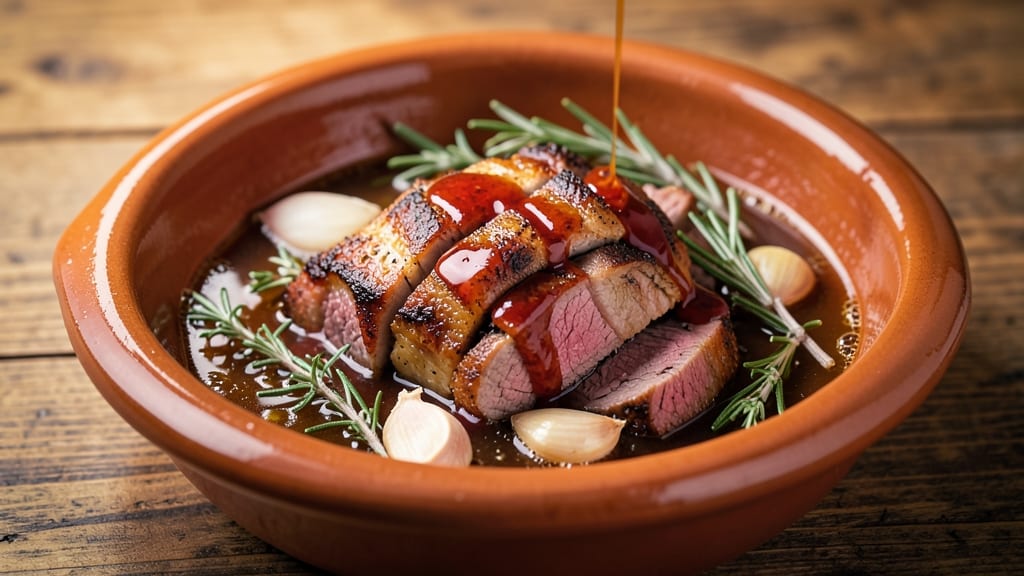
This beef daube recipe transforms tough beef into melt-in-your-mouth tenderness through slow braising in red wine and aromatic herbs. The technique I’ve perfected—marinating overnight, searing deeply, and deglazing with wine—creates a rich, velvety sauce that clings to every bite.
What starts as a simple beef cut becomes a restaurant-worthy centerpiece after hours of gentle cooking.
The secret lies in patience and precision: browning the meat develops deep flavors, while the wine’s acidity tenderizes the beef and balances the richness.
This isn’t just a stew—it’s a celebration of French comfort food, where every spoonful delivers layers of caramelized meat, herby aromatics, and a sauce so luxurious it feels indulgent.
The result is a dish that pairs beautifully with crusty bread or roasted vegetables, making it perfect for special occasions or cozy weeknight dinners.
By the time you’re done, you’ll have perfectly tender beef that falls apart at the touch, swimming in a glossy red wine reduction. The aroma alone will have everyone gathering at the table, and the first bite delivers that unmistakable satisfaction of a dish made with care.
This recipe isn’t just about technique—it’s about transforming a simple ingredient into something extraordinary through time and attention.
Serve it with a glass of the same wine used in the braise for an authentic touch, or pair it with buttery mashed potatoes to soak up every last drop of sauce.
The beauty of beef daube is its versatility—equally at home as a weekend centerpiece or a weeknight meal that feels like a treat. Let’s get cooking.
Ingredients for beef daube
Pantry staples meet French technique—rich wine, aromatic herbs, and beef that melts at the touch.
| Ingredient | Amount | Notes |
|---|---|---|
| Beef Chuck Roast 🥩 | 3 lb | Well-marbled, cut into 2-inch cubes |
| Dry Red Wine 🍷 | 1 ½ cups | Bold Cabernet Sauvignon or Merlot |
| Beef Broth 💧 | 1 cup | Low-sodium, homemade preferred |
| Garlic Cloves 🧄 | 6 cloves | Peeled, smashed for infusion |
| Fresh Thyme Sprigs 🌿 | 4 whole | Stems removed for leaves only |
| Fresh Rosemary Sprigs 🌿 | 2 whole | Needle leaves only, finely chopped |
| Carrots 🥕 | 2 whole | Medium, peeled, cut into chunks |
| Onion 🧅 | 1 whole | Yellow, peeled, cut into wedges |
| Tomato Paste 🍅 | 2 tbsp | High-quality, no sugar added |
| Olive Oil 🫒 | ½ cup | Extra-virgin, for searing |
| Salt 🧂 | 1 ½ tsp | Diamond Crystal kosher salt |
| Black Peppercorns 🌶️ | 1 tsp | Freshly cracked, coarse grind |
| Bay Leaves 🍃 | 2 whole | Dried, standard size |
| All-Purpose Flour 🌾 | 2 tbsp | For thickening sauce |
The beef chuck roast is non-negotiable here. Look for well-marbled cuts from your butcher or Costco's pre-cubed chuck—the fat renders beautifully during braising. If shopping at Whole Foods, opt for organic beef to ensure optimal quality. The wine should be bold and dry—Cabernet Sauvignon or Merlot from a reputable producer like Louis M. Martini or Apothic. Avoid sweet wines; their residual sugar can interfere with the sauce's balance. For the herbs, fresh thyme and rosemary from the grocery store's produce section are ideal, but if they're wilted, dried herbs at one-third the amount will suffice.
No red wine on hand? Beef broth with a splash of balsamic vinegar replicates the depth, though the sauce will lack complexity. Substituting tomato paste? Fresh crushed tomatoes work beautifully, but reduce them first to avoid excess liquid. The carrots and onion can be swapped for celery and fennel for a more sophisticated twist. For the flour, cornstarch is a 1:1 substitute if you're avoiding gluten. If using dried herbs, toast them lightly in a dry pan for 30 seconds to intensify their flavor—this simple step makes a noticeable difference.
This dish tastes even better the next day, so plan ahead. Store in an airtight container in the refrigerator for up to 5 days, or freeze portions for 3 months. The sauce thickens as it cools, so add a splash of broth when reheating. For serving, let the beef rest for 10 minutes before slicing—this ensures clean cuts and maximum tenderness. The aroma alone will draw everyone to the table, making this a showstopper for dinner parties or special occasions.
Why You'll Love This Recipe
- Here’s what sold me: this feeds six without breaking the bank, and the leftovers? Chef’s kiss. Store it for up to 5 days, and it only gets better as the flavors meld. My in-laws asked for the recipe after one bite—no fancy plating, just tender beef and that glossy sauce. Perfect for game day, family dinners, or when you’re too tired to fuss.
- I’ll be real: chuck roast is affordable, and this recipe stretches it into a meal that feels special. The wine and herbs make it taste like a splurge, but the cost? A fraction of what you’d pay for steakhouse beef. Plus, that 3-hour simmer means you’re not standing over the stove—just set it and forget it. My wallet (and my back) thank me every time.
Step-by-step instructions for beef daube
Here's the method for achieving melt-in-your-mouth beef with deep red wine complexity.
Sear the Beef Chuck Roast for Deep Flavor
Heat the 0.5 cup olive oil in a heavy Dutch oven over medium-high heat until shimmering. Pat the 3 lb beef chuck roast dry with paper towels—this ensures maximum browning. Working in batches if needed, sear the beef on all sides until deeply browned, about 4-5 minutes per side. The goal is to develop a rich, caramelized crust that will form the flavor foundation.
Remove the beef and set it aside. You'll notice the oil will darken significantly from the Maillard reaction—this is normal and essential for building flavor. Don't worry if the pan looks messy; we'll scrape up those browned bits later to create the sauce. Here's the thing—this searing step is non-negotiable for developing the beef's depth of flavor and texture.
Build the Aromatic Base with Vegetables and Herbs
In the same Dutch oven, add the 1 whole onion cut into wedges and 2 whole carrots cut into chunks. Cook for 5 minutes until the vegetables begin to soften and develop color. Add the 6 cloves garlic cloves (smashed), 4 whole fresh thyme sprigs, 2 whole fresh rosemary sprigs (needles only), and 2 whole bay leaves. Stir for 1 minute until fragrant—this releases their essential oils and infuses the cooking liquid.
Sprinkle the 1.5 tsp salt and 1 tsp black peppercorns over the vegetables. Stir once more to distribute the seasoning evenly. The vegetables should be lightly caramelized by now, adding another layer of complexity to the dish. This step is where the herbs and vegetables begin to meld with the beef's seared crust, creating a harmonious flavor profile.
Deglaze and Simmer with Red Wine and Broth
Pour in the 1.5 cups dry red wine and scrape up all the browned bits from the bottom of the Dutch oven using a wooden spoon. This deglazing step is critical—it captures all the flavor that would otherwise stick to the pan. Let the wine simmer for 5 minutes until it reduces by half, intensifying its flavor.
Add the 1 cup beef broth and 2 tbsp tomato paste, stirring to combine. Return the seared beef to the pot, along with any accumulated juices. The liquid should come about halfway up the sides of the beef. Bring to a gentle simmer, then reduce heat to low to maintain a steady, barely bubbling cook. Here's what I do—cover the pot with a lid and let it cook undisturbed for 3 hours, turning the beef occasionally to ensure even cooking.
Thicken the Sauce and Finish Cooking
After 3 hours, the beef should be tender but still firm to the touch. Remove the beef from the pot and set it aside on a plate. In a small bowl, whisk together the 2 tbsp all-purpose flour with 2 tablespoons of the cooking liquid to create a slurry. This step is essential for thickening the sauce without making it gluey.
Return the slurry to the pot and stir constantly for 2-3 minutes until the sauce thickens and coats the back of a spoon. The sauce should be glossy and velvety, clinging to the beef when you return it to the pot. Simmer for another 15-20 minutes to allow the flavors to meld and the sauce to fully develop. The beef is done when it reaches an internal temperature of 195-200°F and is fork-tender.
Rest and Serve the Beef Daube
Transfer the beef to a cutting board and tent loosely with foil. Let it rest for 15 minutes before slicing. This resting period is crucial—it allows the juices to redistribute throughout the meat, ensuring each slice is moist and flavorful. During this time, taste the sauce and adjust the seasoning if needed, adding a pinch of salt or a splash of red wine if necessary.
Slice the beef against the grain into ¼-inch thick slices and serve immediately, spooning the rich red wine sauce over the top. The beef should be fork-tender with a beautifully caramelized exterior, and the sauce should coat the back of a spoon with a velvety texture. Pair with crusty bread or roasted potatoes to soak up every last drop of that luxurious sauce.
Pro Tips For Making Beef Daube
- Sear in Batches: That 3 lb chuck roast won’t fit in one layer—don’t crowd the pan. Work in batches if needed, and resist the urge to rush; each side needs those 4-5 minutes of direct contact with the screaming-hot Dutch oven. I learned this the hard way when my first batch came out pale and flavorless.
- Smash That Garlic: Those 6 cloves aren’t just for looks—smashed (not minced) garlic cloves release their oils slowly, infusing the wine and broth with deep, aromatic flavor. Skip this, and you’ll miss out on that subtle, lingering garlic punch that makes the sauce sing.
- Don’t Skimp on Wine Reduction: Let those 1.5 cups of red wine simmer until they’re actually reduced by half—no peeking or stirring constantly. The longer it reduces, the more concentrated and complex the flavor becomes. I used to rush this, and the sauce always tasted flat until I stopped checking every 30 seconds.
- Slurry Like a Pro: When thickening with the 2 tbsp flour, whisk it with some of the hot cooking liquid first—this prevents lumps and ensures a silky, glossy sauce. Dump dry flour into the pot, and you’re risking a gluey mess. Trust me, your future self will notice the difference.
Make-ahead tips for beef daube
Prep Ahead
Start your beef daube preparation the night before by cubing the 3 lb beef chuck roast and marinating it in the 1.5 cups dry red wine mixed with 1.5 tsp salt, 1 tsp black peppercorns, 6 cloves garlic, and 2 tbsp tomato paste.
Place the beef in a resealable plastic bag, seal tightly, and refrigerate overnight. This step tenderizes the meat and infuses it with deep flavors. 🌟
Slow Cooker Adaptation
For a hands-off approach, sear the beef as directed, then transfer everything to a 6-quart slow cooker. Add the remaining ingredients and cook on low heat for 8 hours.
The slow cooker maintains a consistent temperature, ensuring even cooking without monitoring. This method is perfect for busy days when you want to come home to a fully developed dish.
Sauce Prep
Make the sauce ahead of time by simmering the 1.5 cups red wine, 1 cup beef broth, 2 tbsp tomato paste, and all the aromatics (onion, carrots, garlic, herbs) in a saucepan.
Reduce until thickened, then store in an airtight container. When ready to serve, simply reheat the sauce and add the pre-cooked beef to warm through. This separates the cooking process into manageable steps. ⏰
Make-Ahead Cooking
Cook the beef daube completely the day before and store it in the refrigerator. The flavors deepen overnight, and reheating is a breeze. To serve, warm the beef and sauce gently on the stovetop over medium-low heat for 10-15 minutes, stirring occasionally.
The sauce will thicken further, creating a luxurious consistency. This method is ideal for hosting—just reheat and impress your guests.
Freezing Components
Freeze the cooked beef separately from the sauce to maintain texture. Place the beef in a freezer-safe bag and the sauce in another, labeling each with the date. When ready to serve, thaw the beef in the refrigerator overnight, then reheat it in the sauce on the stovetop.
This approach ensures you can enjoy a restaurant-quality meal with minimal last-minute effort. ❄️
Weeknight Shortcut
For a quicker version, use a pressure cooker like the Instant Pot. Sear the beef, then cook on high pressure for 45 minutes with all the ingredients. Release the pressure naturally, then thicken the sauce as directed.
This cuts the cooking time dramatically while still delivering tender, flavorful beef. Perfect for weeknights when you crave a gourmet meal without the long wait. 💡
Nutrition facts
Frequently asked questions
Can I substitute beef chuck roast with another cut?
Beef chuck roast is ideal for its marbling and tenderness, but you can use chuck eye roast or bottom round roast in a pinch. Avoid lean cuts like sirloin—they won’t become tender enough. If using round, increase cooking time by 30-45 minutes and add 1 cup extra broth to prevent drying.
How do I know when the beef is fully tender?
The beef is done when it reaches an internal temperature of 195-200°F and easily shreds with a fork. For extra assurance, pierce a piece—if juices run clear and the meat separates, it’s perfect. Overcooking can make it mushy, so monitor closely in the final 30 minutes of cooking.
What’s the best way to reheat beef daube?
Reheat gently on the stovetop over low heat for 10-15 minutes, stirring occasionally to prevent scorching. Add a splash of broth or wine if the sauce thickens too much. Never microwave—it ruins the sauce’s texture. For leftovers, simmer covered to preserve moisture.
Can I make beef daube in a slow cooker?
Yes! Sear the beef first, then transfer everything to a 6-quart slow cooker and cook on low for 8 hours. The slow cooker’s gentle heat ensures even tenderness without monitoring. Skip the sauce-thickening step—it’ll naturally reduce during cooking. Perfect for hands-off meal prep.
Why does my sauce taste too acidic?
Too much wine or vinegar can overpower the dish. Balance it by adding 1 tbsp brown sugar or 1 tsp honey to sweeten the acidity. Alternatively, simmer in a splash of beef broth to dilute the tang. Taste as you go—adjust gradually.