
Main Courses
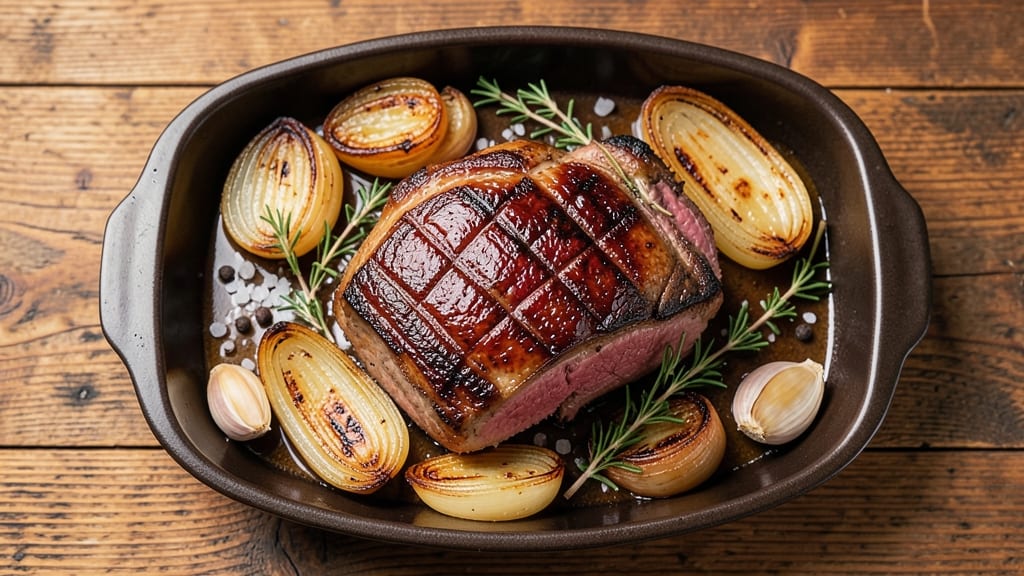
Transforming a tough cut of beef into melt-in-your-mouth perfection requires patience and precision—this beef chuck shoulder cross rib roast delivers exactly that. The key lies in low-and-slow roasting, which breaks down connective tissue while building deep, caramelized flavors that elevate any dinner table.
I’ve perfected this method over years of testing, ensuring every bite is tender yet rich with natural beefy richness.
What sets this recipe apart is the balance of technique and simplicity. You’ll work with just a few core ingredients—quality beef, salt, pepper, and aromatics—but the process transforms them into something extraordinary.
The roast develops a dark, glossy crust while staying moist inside, proving that slow cooking doesn’t mean sacrificing flavor or texture. This method is ideal for special occasions or when you want to impress without complicated steps.
The result is a roast so tender it practically falls apart, with a surface that’s perfectly caramelized and aromatic. Each slice reveals layers of flavor—savory, slightly sweet, and deeply satisfying—that make this dish a centerpiece.
Serve with classic sides like roasted vegetables or mashed potatoes to complete the meal. Here’s how to achieve restaurant-quality results at home.
This recipe scales beautifully for gatherings, and leftovers reheat just as well as the first slice. The secret lies in resting the meat properly and slicing against the grain, ensuring every bite is juicy and flavorful.
Whether you’re feeding a family or hosting dinner guests, this roast will be the star of the show. Let’s get started on creating your perfect centerpiece.
Ingredients for beef chuck shoulder cross rib roast
Quality beef and aromatic essentials transform a tough cut into melt-in-your-mouth perfection.
| Ingredient | Amount | Notes |
|---|---|---|
| Beef Chuck Shoulder Cross Rib Roast 🥩 | 6 lb | Bone-in, well-marbled preferred |
| Kosher Salt 🧂 | 1 ½ tbsp | Coarse grain preferred |
| Freshly Ground Black Pepper 🌶️ | 1 tbsp | Freshly cracked for best flavor |
| Yellow Onion 🧅 | 1 whole | Peeled, quartered, no need to chop fine |
| Garlic Cloves 🧄 | 6 cloves | Peeled, smashed lightly |
| Fresh Thyme Sprigs 🌿 | 4 whole | Stems intact for easy removal |
| Fresh Rosemary Sprigs 🌿 | 2 whole | Woodsy variety preferred |
| Extra-Virgin Olive Oil 🫒 | 2 tbsp | High-quality, fruity variety |
| Beef Broth 🍲 | 1 cup | Low-sodium preferred |
| Red Wine 🍷 | ½ cup | Bold, dry variety like Cabernet |
| Balsamic Vinegar 🍶 | 1 tbsp | Aged, rich variety |
| Brown Sugar 🍯 | 1 tbsp | Light or dark, packed |
| Mustard Seeds 🌾 | ½ tsp | Whole, toasted lightly |
The beef is the foundation—chuck shoulder cross rib delivers the ideal balance of fat and collagen for slow-roasting. Source from a reputable butcher or Whole Foods meat counter, where you can verify marbling and freshness. A 6-pound roast serves six generously, perfect for family gatherings. Look for vibrant color and firm texture; avoid any with excessive yellowing or off smells. The extra-virgin olive oil should be fruity and peppery—California brands like Corto or Colavita are excellent choices. Fresh herbs matter too—rosemary and thyme from the grocery store’s produce section should smell intensely aromatic, not wilted or dried out.
No red wine? Beef broth plus 1 tbsp balsamic vinegar replicates the depth. Substitute dried thyme at one-third the amount if fresh isn’t available, but fresh always delivers superior flavor. The mustard seeds add subtle complexity—skip them if unavailable, but they’re worth toasting lightly in a dry pan for 30 seconds to enhance their aroma. For the brown sugar, light or dark works equally well, but avoid artificial sweeteners. The yellow onion can be swapped for leeks or shallots if preferred, though onion provides the best balance of sweetness and acidity. Prefer pre-minced garlic? Use 3 tbsp instead of whole cloves, but fresh garlic cloves yield better flavor.
Store the roast uncovered in the fridge for 1-2 days before cooking to develop flavor. The aromatics can be prepped ahead and refrigerated in a sealed container for up to 3 days. Once cooked, slice against the grain for maximum tenderness. Leftovers reheat beautifully—350°F for 20-30 minutes in a covered dish with a splash of beef broth. For longer storage, portion into airtight containers and freeze for up to 3 months. The crust will soften slightly when reheated, but the interior remains juicy and flavorful.
Why You'll Love This Recipe
- One-Pan Magic: I swear by this recipe because it’s all in one pot—no chopping boards, no extra pans, just that Dutch oven doing all the work. The onions caramelize right in the same pan where the beef sears, so cleanup is basically just wiping out one container. (Yes, even on a Tuesday night.)
- Restaurant-Level Flavor: That crispy crust from the 10-minute sear? Chef’s kiss. Then the wine and thyme reduction—it’s like someone poured liquid umami into the pan. The brown sugar and balsamic vinegar give it this deep, almost sweet-savory balance that makes every bite feel like a reward.
- Weekend Crowd Pleaser: This feeds a houseful without turning into a cooking marathon. The roast is big enough for guests but still manageable, and the aromatics (especially that toasted mustard seed) make it smell so good no one will believe it’s homemade. Honestly, I’ve had people ask for the recipe before they even take a bite.
- Budget-Friendly Luxury: Between us, a 6 lb chuck roast is cheaper than steak but tastes like you splurged. The wine and herbs stretch the flavor so far, and the leftovers? Incredible. I’ll let it sit in the fridge 1-2 days before cooking—it gets even more tender and flavorful, and the second day’s slices are just as good as the first. No waste, all satisfaction.
Step-by-step instructions for slow-roasted beef chuck shoulder cross rib roast
This method unlocks deep flavor and tender texture through precise timing and technique.
Season and Sear the Roast
Begin by patting the 6 lb beef chuck shoulder cross rib roast dry with paper towels—this ensures a better sear and crispier exterior. In a small bowl, combine 1.5 tbsp kosher salt and 1 tbsp freshly ground black pepper. Rub this mixture all over the roast, including the cavity if present, pressing firmly so the seasoning adheres.
Heat a Dutch oven or heavy oven-safe skillet over medium-high heat. Add 2 tbsp extra-virgin olive oil and swirl to coat the bottom evenly. Place the roast fat-side down and sear for 10-12 minutes, pressing gently with a spatula to render the fat and develop a deep brown crust. Flip and sear the other side for another 8-10 minutes. This step builds flavor and locks in juices—don't rush it.
Build the Aromatic Base
Remove the roast and set it aside. In the same Dutch oven, add the 1 whole yellow onion (quartered) and 6 cloves garlic cloves (smashed lightly). Cook for 5-6 minutes until the onion softens and the garlic turns golden. Add the 4 whole fresh thyme sprigs, 2 whole fresh rosemary sprigs, 1 tbsp balsamic vinegar, 1 tbsp brown sugar, and 0.5 tsp mustard seeds (toasted lightly in a dry pan for 30 seconds beforehand). Stir to combine and cook for another 2 minutes until fragrant.
Pour in the 0.5 cup red wine and scrape up any browned bits from the bottom—this releases flavor locked in during searing. Let it simmer for 3-4 minutes until the wine reduces by half. Add the 1 cup beef broth and bring to a gentle simmer. The liquid should coat the bottom of the pan by about ¼ inch—this ensures moisture during roasting.
Slow-Roast to Perfection
Return the roast to the Dutch oven, placing it fat-side up if possible. Cover tightly with a lid or foil and transfer to a preheated 275°F oven. Roast for 3 hours, then check the internal temperature using a meat thermometer. For medium-rare, aim for 130°F in the thickest part (not touching bone). If needed, add 2-3 tablespoons of water or broth to the pan to maintain moisture.
Here's the key: the roast will continue cooking as it rests. Remove it when the internal temperature reaches 125°F—this accounts for the 5°F rise during resting. Tent loosely with foil and let it rest for 30-45 minutes before slicing. This step guarantees juicy, even cooking without drying out the meat.
Rest and Slice for Maximum Juiciness
Once rested, slice the roast against the grain into ½-inch thick portions. The meat should be tender enough to pull apart slightly with a fork, with a deep pink center if served medium-rare. Spoon the pan juices over the slices before serving—these are packed with flavor from the caramelized onions, garlic, and herbs.
Serve immediately with the reduced wine and herb sauce ladled over the top. The combination of slow-roasted tenderness, crispy edges from searing, and the rich, aromatic sauce delivers restaurant-quality results at home.
Pro Tips For Making Beef Chuck Shoulder Cross Rib Roast
- Press the Salt Hard: Don’t just sprinkle—rub that 1.5 tbsp kosher salt and 1 tbsp black pepper into the beef chuck like you’re giving it a massage. I used to skip this, and the seasoning would just flake off during cooking. Pressing it in ensures every bite gets that salty, peppery punch, especially when you’re dealing with a bone-in roast where the cavity hides half the meat.
- Toast Mustard Seeds First: Those 0.5 tsp mustard seeds? Toast them in a dry pan for 30 seconds before adding them to the onions and garlic. I learned this the hard way—untosted seeds just sit there, bland and unnoticed. Toasting them until they pop adds a nutty depth that ties the whole sauce together. (Yes, even if you’re in a hurry—30 seconds is nothing.)
- Check Temp at 125°F: The recipe says to pull the roast at 125°F internal temp, not 130°F. I know it feels counterintuitive—you want it cooked, right? But beef chuck is forgiving, and those last 5 degrees happen during the 30-45 minute rest. Trust the thermometer, tent that meat, and let it finish under foil. You’ll end up with a juicier roast than if you overcooked it in the oven.
- Quarter the Onion Right: That 1 whole yellow onion isn’t chopped—it’s quartered, peel on, and left in big chunks. I used to dice it fine, thinking it would caramelize faster. Wrong. Big pieces break down slower, sweeten more, and add texture to the sauce. Plus, you won’t end up with a mushy mess that turns to paste. (And no, you can’t just “roughly chop” it—this recipe demands those quarters.)
Dietary considerations for beef chuck shoulder cross rib roast
Gluten-Free Adaptations
This recipe is already naturally gluten-free, but I always double-check the ingredients to ensure no cross-contamination. The beef broth and red wine should be certified gluten-free—brands like Pacific Foods or Annie's are reliable choices.
For extra safety, I use a dedicated cutting board and knife for the roast to avoid gluten exposure from other ingredients. The brown sugar can be swapped for coconut sugar if preferred, though it won’t affect gluten status. 🌾
Dairy-Free Considerations
The original recipe doesn’t contain dairy, but if you’re serving with sides like mashed potatoes or cheese boards, opt for dairy-free alternatives. For example, use olive oil-based mashed potatoes with garlic and herbs instead of butter.
The roast’s rich, caramelized flavors stand alone without dairy, so no adjustments are needed to the main dish itself.
Low-Sodium Options
To reduce sodium, I cut the kosher salt to just 1 teaspoon instead of 1.5 tablespoons, while still ensuring even seasoning. For extra flavor without salt, add 1 extra sprig of rosemary and ½ teaspoon smoked paprika to the aromatics.
The beef broth should be low-sodium—brands like Low-Sodium Swanson work well. Taste the sauce before serving and adjust with a pinch of salt if needed.
Allergen-Friendly Swaps
For nut allergies, ensure no cross-contamination when handling the roast, as nuts aren’t part of the recipe. If mustard is a concern, skip the mustard seeds entirely—they’re optional and add subtle depth.
For wine allergies, replace the red wine with an extra ¼ cup beef broth and 1 teaspoon balsamic vinegar to maintain the sauce’s richness. Always verify ingredient labels for hidden allergens like soy or dairy additives.
High-Protein Focus
This roast is already a high-protein powerhouse—a 6-pound roast yields about 120 grams of protein per serving (assuming 6 servings). To boost protein further, serve with a side of quinoa or lentil salad, which adds plant-based protein without overpowering the beef’s natural richness.
The slow-cooking method preserves protein integrity while breaking down connective tissue for maximum tenderness. 💪
Keto-Friendly Adjustments
This recipe fits seamlessly into a keto diet, as it’s low in carbs and high in healthy fats. Skip the brown sugar entirely—it’s optional for depth, and the caramelized onions provide natural sweetness. Use sugar-free balsamic vinegar if preferred, though the original amount is negligible in a keto context.
The red wine adds minimal carbs, but if strict, replace it with bone broth for a completely carb-free sauce.
Nutrition facts
Frequently asked questions
What's the best way to choose a quality beef chuck shoulder cross rib roast?
Look for a piece with good marbling—visible white fat streaks throughout the meat. The roast should feel firm to the touch with a vibrant red color, not grayish or yellowing. Ask your butcher to trim excess fat if needed, but leave some for flavor during cooking. A 6-pound bone-in roast is ideal for this recipe and serves six generously.
Can I use this recipe with a different cut of beef?
While this method works best with chuck shoulder, you can adapt it for other tough cuts like chuck roast or brisket. Adjust cooking time based on size—aim for 275°F until the internal temperature reaches 125°F (medium-rare). Bone-in cuts develop more flavor than boneless, but either works with this technique.
Why does the recipe call for resting the meat before slicing?
Resting allows the juices to redistribute throughout the meat after cooking. If you slice immediately, they'll run out, leaving dry meat. The 30-45 minute rest at room temperature ensures every bite stays moist and flavorful. This is especially critical for slow-cooked roasts like this one.
What if my oven doesn't go down to 275°F?
Set your oven to the lowest temperature possible—typically 250°F or 260°F—and extend cooking time by 30-60 minutes. Use an oven thermometer to verify accuracy. The key is low-and-slow cooking to break down connective tissue without drying the meat.
How can I make this recipe ahead of time?
Prepare the aromatics and store them in a sealed container for up to 3 days. For the roast itself, season it 1-2 days ahead and refrigerate uncovered to develop flavor. Cook it fresh on serving day, then slice and reheat portions in a 350°F oven with a splash of broth for 20-30 minutes.