
Main Courses
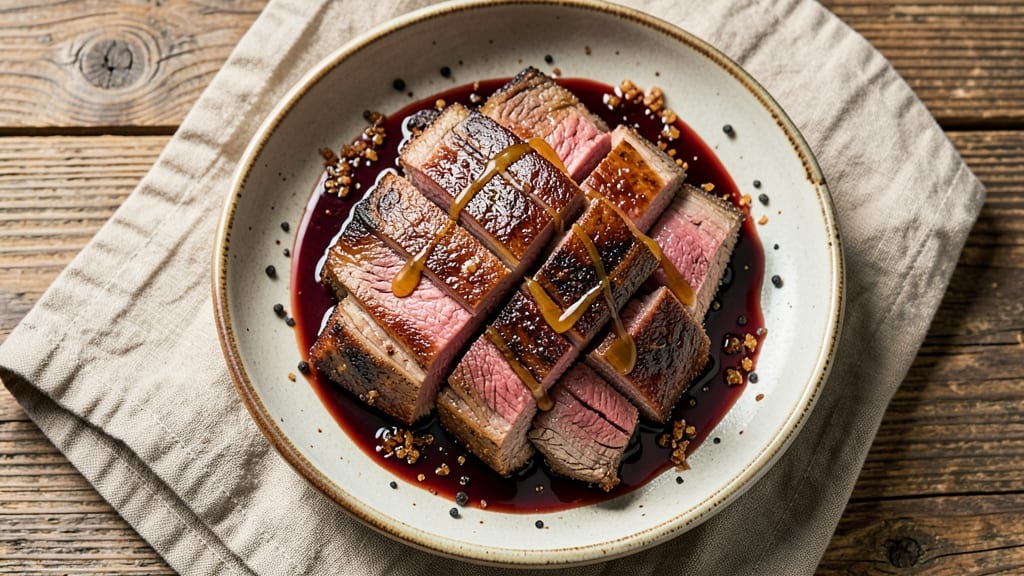
Unlocking the secrets of a beef chuck short rib bone-in sliced recipe turns tough cuts into melt-in-your-mouth perfection with just the right slow-cooking finesse. The key lies in balancing marinades, braising times, and high-heat finishing to unlock rich, meaty flavors without losing texture.
This method delivers restaurant-quality results at home, whether you’re aiming for Korean-style galbi or French-inspired confit.
The secret begins with a 24-hour marinade using soy sauce, brown sugar, and aromatic spices to tenderize the meat while building deep flavor. After slow-braising in liquid for 3-4 hours, the ribs become effortlessly shreddable, with a glossy sheen and caramelized edges.
The bone-in slices retain their structure beautifully, making them ideal for serving over rice, in tacos, or alongside roasted vegetables.
What sets this recipe apart is the dual-cooking approach: a long, gentle braise followed by a quick sear to enhance color and texture. The result is meat so tender it falls apart with minimal effort, yet still holds together when sliced.
This technique works equally well for traditional braised dishes or modern stir-fries, adapting to any cuisine’s demands.
Pair the finished ribs with bold sides like miso-glazed greens or a tangy slaw to complement their rich, savory profile. The method scales effortlessly for crowds, and leftovers reheat beautifully—proof that slow-cooked perfection doesn’t require shortcuts. Ready to master this dish?
Ingredients for beef chuck short rib bone in sliced
The foundation of melt-in-your-mouth short ribs begins with these carefully selected ingredients—each playing a crucial role in transforming tough beef into luxurious, fork-tender slices.
| Ingredient | Amount | Notes |
|---|---|---|
| Beef Chuck Short Ribs (Bone-in) 🥩 | 2 lb | 2-3 inches thick slices, trimmed of excess fat |
| Kosher Salt 🧂 | 2 tbsp | Coarse grain for seasoning and marinade |
| Black Peppercorns 🌶️ | 1 tbsp | Freshly cracked for depth of flavor |
| Granulated Brown Sugar 🍯 | ½ cup | Light or dark, for caramelization |
| Soy Sauce 🍶 | ¼ cup | High-quality, preferably Japanese |
| Red Wine 🍷 | ½ cup | Bold dry variety like Cabernet Sauvignon |
| Garlic Cloves 🧄 | 8 cloves | Peeled and smashed for infusion |
| Fresh Ginger 🌿 | 2 tbsp | Finely grated, aromatic punch |
| Onion 🧅 | 1 whole | Yellow or red, sliced into half-moons |
| Carrots 🥕 | 2 whole | Whole, peeled, for braising liquid |
| Celery Stalks 🥬 | 3 whole | Cut into 2-inch pieces for mirepoix |
| Bay Leaves 🌿 | 2 whole | Dried, for subtle aromatic depth |
| Thyme Sprigs 🌿 | 4 whole | Fresh or dried, for herbal notes |
| Vegetable Oil 🫒 | 2 tbsp | High smoke point for searing |
| Unsalted Butter 🧈 | 2 tbsp | For finishing, full-fat preferred |
The beef chuck short ribs are the star, and their quality makes all the difference. Look for cuts with visible marbling and good fat cap—this ensures tenderness and flavor. Local butchers often carry the best selection, but major grocery stores like Whole Foods or Kroger typically stock them in the meat case. If possible, opt for bone-in slices—they hold up better during braising and add depth of flavor. Trim excess fat to about ¼-inch thickness to prevent grease splatter during searing, but leave some for moisture. For the marinade, Japanese soy sauce like Kikkoman or Hondashi adds umami that generic brands can't match.
No red wine on hand? Beef broth with a splash of balsamic vinegar delivers similar depth. Fresh ginger and garlic can be swapped for 1 tbsp each of ginger powder and garlic powder, though fresh is preferred for brightness. The mirepoix (onion, carrots, celery) can be prepped ahead and frozen—just thaw before use. For the brown sugar, light brown adds subtle molasses notes, while dark brown gives a deeper caramel flavor. If you're short on time, pre-sliced short ribs from Costco or Sam's Club save prep work without sacrificing quality. The thyme can be dried at ⅓ the amount if fresh isn't available, but fresh sprigs infuse better during braising.
Store the raw ribs in a sealed container in the fridge for up to 3 days or freeze for 3-6 months for future use. The marinade components (soy sauce, brown sugar, spices) can be pre-mixed and refrigerated for 5 days or frozen for 3 months. Once braised, the ribs reheat beautifully—simmer in their juices for 10-15 minutes on the stove or 20 minutes in a 350°F oven until warmed through. For meal prep, portion into airtight containers with a splash of braising liquid to keep them moist for 4-5 days in the fridge. The finished ribs also freeze well for up to 3 months—just thaw overnight in the fridge before reheating.
Why You'll Love This Recipe
- Foolproof Prep: The ribs just need a dry rub and a marinade—no fancy chopping, no stress. Honestly, the hardest part is waiting for the 4-hour soak, but that’s basically hands-off time while you do other stuff.
- Caramelized Magic: That brown sugar and soy sauce combo? It turns the sauce into a glossy, sticky masterpiece that clings to the meat like it’s been hugging it all day. The sear on those ribs? Crispy enough to make you pause mid-bite.
- Weeknight Workhorse: This isn’t just for special occasions—it’s the dish I pull out when I’ve got guests over last-minute or when my kids beg for something “fancy” but I’m too tired to care. Serve it over rice, noodles, or even toast—it’s that adaptable.
- Leftovers That Win: Between us, the second day is often better than the first. The meat gets even more tender, and the sauce thickens into a perfect glaze. Store the ribs in their braising liquid for up to 3 days, and you’ve got a meal that just gets richer with time.
Step-by-step instructions for beef chuck short rib bone-in sliced recipe
Mastering this slow-braised technique guarantees melt-in-your-mouth tenderness with rich, caramelized depth.
Prepare the Short Ribs for Maximum Flavor Development
Begin by patting the 2 lb beef chuck short ribs completely dry with paper towels. This crucial step ensures proper browning later. Using a sharp knife, trim any remaining excess fat while leaving about ¼-inch fat cap for moisture during cooking. Place the ribs in a large bowl and rub them evenly with 2 tbsp kosher salt and 1 tbsp black peppercorns. Let them sit uncovered in the refrigerator for 1 hour—this dry-brining process enhances both texture and seasoning penetration.
While the ribs rest, create a simple marinade by combining 0.5 cup granulated brown sugar, 0.25 cup soy sauce, and 0.5 cup red wine in a separate bowl. Whisk until the sugar dissolves completely. This sweet-savory mixture will form the foundation of your braising liquid while adding depth to the meat. After the hour has passed, transfer the ribs to a resealable plastic bag, pour the marinade over them, and massage gently to coat all surfaces. Seal the bag and refrigerate for 4 hours or overnight—this extended marinating time transforms tough connective tissue into tender, flavorful bites.
Develop Deep Flavor Through Searing and Aromatic Infusion
Remove the ribs from the marinade (reserve the liquid) and pat them dry once more. Heat 2 tbsp vegetable oil in a large Dutch oven over medium-high heat until shimmering. Working in batches if needed, sear the ribs for 3-4 minutes per side until they develop a deep mahogany crust. Don't crowd the pan—this ensures proper browning. As each batch browns, remove the ribs and set them aside.
In the same Dutch oven, add 2 tbsp unsalted butter and allow it to foam. Add 8 smashed garlic cloves, 2 tbsp finely grated fresh ginger, 1 whole onion sliced into half-moons, 2 whole peeled carrots cut into chunks, and 3 whole celery stalks cut into 2-inch pieces. Sauté for 5 minutes until the vegetables soften slightly. Add 2 whole bay leaves and 4 whole thyme sprigs, stirring to combine. Return the ribs to the pot along with any accumulated juices and the reserved marinade. Bring to a simmer over medium heat.
Slow-Braise Until Fork-Tender Perfection
Cover the Dutch oven tightly with a lid and transfer to a preheated 300°F oven. Braise for 3 hours, then carefully flip each rib and continue cooking for another 3 hours. Here's where patience pays off—the ribs should be fork-tender with meat that falls away from the bone when pierced. If the liquid reduces too quickly, add 1 cup of hot water during the cooking process to maintain adequate coverage.
After the full 6 hours, remove the ribs and set them aside. Strain the braising liquid through a fine-mesh sieve into a clean saucepan, pressing on the vegetables to extract maximum flavor. Return the liquid to medium heat and simmer until it reduces by about 30%, creating a thick, glossy sauce. Taste and adjust seasoning with additional soy sauce or salt if needed. The ribs should be resting while you finish the sauce—this allows their juices to redistribute for maximum tenderness.
Pro Tips For Making Beef Chuck Short Rib Bone In Sliced
- Sear in Batches: I used to rush this and end up with steamed ribs instead of seared ones. High heat and space are non-negotiable—work in batches if needed, and don’t skimp on the 3-4 minutes per side. That mahogany crust is what locks in flavor when you braise.
- Crack the Pepper Fresh: Pre-ground pepper loses its punch, and this dish needs depth. Grab a mortar and pestle or a spice grinder for the black peppercorns right before seasoning—it makes a real difference in the final bite. Trust me, your taste buds will notice.
- Flip Ribs Mid-Braise: After 3 hours, flipping the ribs ensures even cooking and prevents the fat cap from sticking to one side. It’s easy to forget, but this step keeps the meat tender all the way through—no dry spots here.
- Reserve the Marinade: Don’t dump that sweet-savory marinade down the drain after massaging the ribs. Strain and return it to the pot later—it’s the base of your sauce, and skipping it means missing out on the caramelized richness that ties everything together.
Best sauces and condiments for beef chuck short rib bone in sliced
Red Wine Reduction
The braising liquid from your ribs—packed with red wine, soy sauce, and brown sugar—makes an incredible sauce when reduced. After straining, simmer it uncovered over medium-high heat for 10-15 minutes until it thickens to a glossy syrup.
Finish with a pat of unsalted butter (the same 2 tbsp you used earlier) to add richness. This sauce is perfect for drizzling over the ribs or serving as a dipping sauce for crusty bread. 🍷
Spicy Sesame Glaze
For an Asian-inspired twist, blend 2 tbsp soy sauce, 1 tbsp gochujang (Korean chili paste), 1 tbsp honey, 1 tbsp rice vinegar, and 1 tsp grated fresh ginger into a smooth glaze.
Simmer for 3-4 minutes until slightly thickened, then brush over the braised ribs during the last 10 minutes of cooking. The heat from the gochujang cuts through the richness, while the honey adds a caramelized sheen. Serve with steamed jasmine rice for a Korean-style galbi experience. 🌶️
Creamy Horseradish Sauce
If you prefer a tangy kick, whip together ½ cup sour cream, 2 tbsp prepared horseradish, 1 tbsp Dijon mustard, and 1 tsp Worcestershire sauce. Thin with 1-2 tbsp braising liquid if needed.
This sauce pairs beautifully with the ribs' deep flavors, adding a sharp contrast. Store in an airtight container in the fridge for up to 5 days, or freeze for 3 months. 💛
Buttery Thyme Pan Jus
Save the drippings from your Dutch oven after removing the ribs—these are liquid gold! Deglaze the pot with ½ cup red wine, scraping up all the browned bits. Add 2 tbsp butter and 1 tbsp fresh thyme, then reduce by half.
Strain and serve as a luxurious pan sauce. This method maximizes flavor without extra effort, and the thyme complements the ribs' herbal notes perfectly. ✨
Sweet and Smoky BBQ Glaze
Combine ½ cup BBQ sauce (like Sweet Baby Ray's), 2 tbsp brown sugar, and 1 tbsp apple cider vinegar in a small saucepan. Simmer for 5 minutes until slightly thickened. Brush over the ribs during the last 20 minutes of braising for a smoky-sweet finish.
This glaze works especially well if you're serving the ribs on toasted buns or over mashed potatoes. 🔥
Garlic-Herb Butter
Mix 2 tbsp softened butter, 1 minced garlic clove, 1 tsp chopped fresh thyme, and a pinch of kosher salt. Form into a log, wrap in parchment paper, and chill for 30 minutes.
Slice and serve alongside the ribs for dipping or melting over the top. The garlic and herbs echo the flavors in the braising liquid while adding a fresh, buttery finish. 🧈
Nutrition facts
Frequently asked questions
Why do I need to marinate beef chuck short ribs for 24 hours?
The extended marinating time is crucial for breaking down tough connective tissue and infusing deep flavor. The combination of soy sauce, brown sugar, and red wine works together to tenderize the meat while creating a caramelized crust. Skipping this step can leave your ribs chewy rather than fork-tender.
Can I use a slow cooker instead of an oven for braising?
Transfer the seared ribs and aromatics to your slow cooker with the braising liquid. Cook on low for 8-10 hours or high for 5-6 hours until tender. The texture will be slightly different but still delicious. Just ensure the ribs are fully submerged in liquid.
What's the best way to slice the ribs after braising?
Let the ribs rest for 10-15 minutes before slicing against the grain for maximum tenderness. Use a sharp knife to cut through the bone, then separate each slice. The bone-in presentation adds visual appeal while keeping the meat intact. For serving, you can either leave them whole or slice further into bite-sized pieces.
How do I prevent the ribs from drying out during braising?
Keep the ribs fully submerged in liquid by adding 1 cup hot water every hour if needed. The Dutch oven's tight lid helps retain moisture. Also, avoid overcrowding the pot during searing—this prevents steam from escaping and keeps the meat juicy. The bone-in structure naturally helps retain moisture during cooking.
Can I make this recipe with frozen short ribs?
Yes, but thaw them completely in the refrigerator first (about 24 hours for 2 lbs). Pat dry thoroughly before marinating and searing. Frozen ribs may release more water during cooking, so you might need to add extra liquid to maintain coverage. Never thaw at room temperature to avoid bacterial growth.