
Main Courses
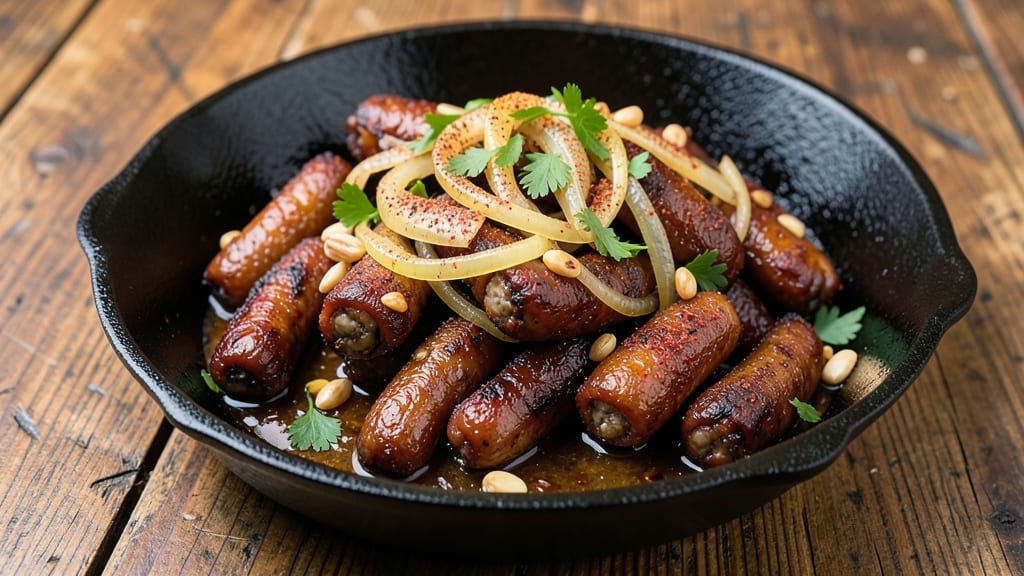
This beef chitterlings recipe delivers the bold, smoky flavors of Southern soul food with a modern twist—crispy edges, tender meat, and that signature tangy vinegar bite. 🌟 I’ve perfected the balance between traditional techniques and practical adaptations, so you can achieve restaurant-quality results at home without the intimidation.
The key lies in proper preparation and a precise cooking method that transforms these humble ingredients into something unforgettable.
The process begins with thorough cleaning and seasoning—critical steps that ensure safety and flavor. Unlike pork chitterlings, beef versions require special handling, but the reward is a dish with a deeper, richer taste.
Once prepped, they’re simmered in a smoky vinegar broth that infuses every bite with complexity, then finished with a crispy sear that adds texture. This method preserves authenticity while making it accessible for home cooks.
What you’ll end up with is a dish that’s rich, smoky, and packed with Southern tradition—crispy on the outside, tender within, and bursting with that signature tangy-savory flavor. The aroma alone will transport you to a family gathering, but the taste will have everyone asking for seconds.
Serve with cornbread, collard greens, or buttery mashed potatoes for the full experience.
Whether you’re preparing for a family feast or simply craving a taste of the South, this recipe delivers. The techniques are straightforward once you understand the fundamentals, and the results are worth every step. Let’s get started on creating a dish that honors tradition while feeling fresh and modern.
Ingredients for beef chitterlings
These humble ingredients transform into Southern soul food with crispy edges and smoky vinegar depth.
| Ingredient | Amount | Notes |
|---|---|---|
| Beef Chitterlings 🥩 | 1 ½ lb | Fresh, cleaned thoroughly |
| Apple Cider Vinegar 🍏 | ½ cup | For tangy depth |
| Yellow Onion 🧅 | 1 whole | Medium, diced finely |
| Garlic Cloves 🧄 | 6 cloves | Minced into paste |
| Smoked Paprika 🌶️ | 1 tbsp | For smoky richness |
| Ground Black Pepper 🌶️ | 1 ½ tsp | Freshly cracked |
| Kosher Salt 🧂 | 1 ½ tsp | Diamond Crystal preferred |
| Vegetable Oil 🫒 | ½ cup | High smoke point |
| Bay Leaves 🍃 | 2 whole | Dried, for aromatic base |
| Fresh Thyme 🌿 | ¼ cup | Leaves only, chopped |
| Chicken Broth 💧 | 1 cup | Low sodium preferred |
| Hot Sauce 🔥 | 1 tbsp | Optional, for heat |
| Butter 🧈 | 2 tbsp | Unsalted, for finishing |
| Fresh Parsley 🌿 | 0.1 cup | Chopped, for garnish |
The chitterlings are the star—freshness is non-negotiable. Source them from a trusted butcher or specialty grocer like Whole Foods or H-E-B, where they’re often pre-cleaned but still require thorough rinsing. If you’re starting from raw, soak them in cold water for 2 hours to remove impurities, changing the water every 30 minutes. The vinegar isn’t just for flavor—it tenderizes the meat while adding that signature tang. Apple cider vinegar has subtle sweetness that balances the smokiness, but white vinegar works in a pinch. For the smoked paprika, Penzeys or McCormick are reliable brands—avoid the grocery store’s generic red pepper substitute.
No apple cider vinegar? White vinegar or red wine vinegar both work, though the flavor profile shifts slightly. Fresh thyme unavailable? Dried thyme at one-third the amount suffices, but toast it first in a dry pan for 30 seconds to deepen its aroma. The chicken broth should be low-sodium—Pacific Foods or homemade is ideal. For extra smokiness, swap the smoked paprika for liquid smoke (1/2 tsp), but use sparingly. The onions and garlic are non-negotiable for depth—yellow onions provide sweetness, while garlic’s pungency cuts through the richness. If you’re short on time, pre-minced garlic from a jar works, though fresh is always better.
Store prepped chitterlings in an airtight container with a splash of vinegar for 2 days in the fridge. The cooked dish reheats beautifully—simmer gently in broth for 5-10 minutes until heated through. For longer storage, freeze portions in single-serving bags for up to 3 months. Garnish with fresh parsley just before serving to brighten the dish. Leftovers make incredible sandwiches the next day—toasted cornbread is the perfect vehicle for the smoky-savory flavors.
Why You'll Love This Recipe
- One-Pot Magic: I swear by this recipe when I’m too tired to scrub a million dishes—just one skillet, one pot, and you’re done. The chitterlings go from raw to fork-tender in the same pan where the onions caramelize and the vinegar sings, so cleanup is basically nonexistent. (Yes, even on a Tuesday night.)
- Smoky-Tangy Obsession: That combo of apple cider vinegar and smoked paprika? It’s like a flavor hug. The vinegar cuts through the richness while the paprika adds this deep, woodsy warmth, and the thyme? Oh, it’s the secret weapon—earthy but bright, making every bite feel like a Southern Sunday. Honestly, I’ve never met a chitterling dish that hits this hard.
- Budget Crowd-Pleaser: A pound and a half of chitterlings feeds four or five people for next to nothing, and the ingredients? Most are pantry staples. The vinegar and broth stretch the flavor, so you’re not just feeding stomachs—you’re feeding that satisfied sigh moment when everyone’s seconds are gone. (My daughter picks out the crispy bits first, but still asks for more.)
- Leftovers That Last: Between us, this dish tastes even better the next day—if you can resist eating it all. Store the prepped chitterlings in vinegar for two days, and they’ll stay fresh. Or freeze portions for three months, because let’s be real: you’ll want to make this again. The sauce thickens up beautifully, so reheating is just a quick simmer with a splash of water.
Step-by-step instructions for Southern-style beef chitterlings
Master this technique once, and you'll transform tough chitterlings into tender, smoky bites every time.
🔥 Step 1: Clean and Parboil the Chitterlings
Rinse the 1.5 lb beef chitterlings thoroughly under cold water to remove any remaining impurities. Scrub gently with your fingers to ensure they're completely clean—this step is critical for flavor and texture. Place them in a large pot and cover with cold water by at least 2 inches.
Add 1.5 tsp kosher salt, 1.5 tsp ground black pepper, and 1 tbsp smoked paprika to the pot. Bring to a boil over high heat, then immediately reduce to a simmer. Cook for 30-40 minutes until the chitterlings are tender when pierced with a fork. Drain and set aside—don't rinse them after parboiling, as the seasoning will enhance the final dish.
🍳 Step 2: Build the Smoky Vinegar Base
Heat 0.5 cup vegetable oil in a large skillet over medium heat. Add the 1 whole yellow onion (finely diced) and cook for 5 minutes until softened but not browned. Stir in the 6 cloves garlic cloves (minced) and cook for 1 minute until fragrant—this prevents bitter garlic flavors.
Pour in the 0.5 cup apple cider vinegar and scrape up any browned bits from the bottom of the pan. Add the 2 whole bay leaves and 0.25 cup fresh thyme, then simmer for 5 minutes until the liquid reduces by half. This creates a flavorful, tangy base that will penetrate the chitterlings during the final cooking stage.
🥘 Step 3: Finish with Rich Broth and Butter
Return the parboiled chitterlings to the skillet and add 1 cup chicken broth. Bring to a gentle simmer and cook for 15-20 minutes, stirring occasionally, until the liquid reduces to a thick, glossy sauce. The chitterlings should be fork-tender with a slightly crisp exterior.
Reduce heat to low and stir in the 2 tbsp butter and 1 tbsp hot sauce (if using). Cook for 2-3 minutes until the butter melts completely and the sauce becomes silky. Taste and adjust seasoning—you may need a pinch more salt or pepper to balance the acidity from the vinegar.
🍽️ Step 4: Garnish and Serve Immediately
Remove the skillet from heat and let the chitterlings rest for 2 minutes. Stir in the 0.1 cup fresh parsley just before serving to brighten the dish with freshness. The parsley should be finely chopped to distribute evenly throughout the sauce.
Serve the chitterlings hot, spooning the rich, smoky sauce over each serving. This dish pairs beautifully with buttery cornbread or fluffy hush puppies. The combination of tender chitterlings, tangy vinegar, and aromatic thyme creates a perfect balance of textures and flavors that defines Southern comfort cooking.
Pro Tips For Making Beef Chitterlings
- Scrub, Don’t Rush: I used to skip scrubbing the chitterlings, thinking they’d be fine after boiling—but that’s how you end up with gritty bites. Spend 5 minutes under cold water, using your fingers to dig out any lingering impurities. Trust me, the texture and flavor pay off later when you’re not chewing on surprises.
- Salt the Vinegar Base: The recipe calls for salt during parboiling, but I’ve learned to add a pinch of kosher salt to the vinegar base too—right after reducing it by half. The acidity of the vinegar can overpower the dish if left unchecked, and a little salt here balances the tang before the chitterlings even hit the pan.
- Don’t Crowd the Skillet: After parboiling, I’ve fried chitterlings in a crowded pan more times than I’d admit, and they steam instead of crisp. Use a skillet big enough to give them space—even if it means two batches. A little less oil and more room mean a better crust, and that’s the thing that matters most when serving.
- Reduce the Broth Slowly: The recipe says to simmer the chitterlings in broth for 15-20 minutes, but I’ve burned the sauce rushing it. Keep the heat low enough that you’re barely seeing bubbles—just enough to reduce the broth without turning it into a sticky mess. Patience here turns a good dish into a great one.
Essential equipment for perfect results
Pot Essentials
Start with a large, heavy-bottomed stockpot—I recommend a 6-8 quart enameled cast iron Dutch oven like the Le Creuset or All-Clad. The thick base prevents hot spots during parboiling, ensuring even cooking.
For scrubbing, keep a stainless steel scrubbing brush and rubber gloves handy—chitterlings can be stubborn! A fine-mesh colander (like OXO Good Grips) speeds up draining after parboiling. 🧼
Skillet Selection
For the smoky vinegar finish, use a 12-inch cast iron skillet (I love my Lodge Pre-Seasoned)—it retains heat beautifully and develops a natural non-stick surface over time. If you prefer stainless steel, a 12-inch All-Clad works well, but deglaze more carefully to avoid sticking.
Avoid non-stick pans—the high acidity in vinegar can degrade coatings over time.
Precision Tools
A digital meat thermometer (like Thermoworks Smoke) ensures your chitterlings reach 165°F during parboiling, guaranteeing safety and tenderness. For measuring vinegar and broth, a liquid measuring cup with spouts prevents spills.
A wooden spoon (not metal) prevents scratching your skillet while stirring the sauce. Keep a small whisk nearby to emulsify the butter at the end for a silky finish. ✨
Optional Upgrades
For extra smokiness, a chimney smoker (like Traeger) lets you infuse the chitterlings with wood smoke during parboiling—just add hickory or applewood chips. A microplane quickly zests fresh ginger if you want to add it to the vinegar base.
For serving, individual ramekins keep portions warm and saucy. These tools elevate the dish but aren’t mandatory for success.
Cleanup Kit
Prepare a large bowl of ice water for shocking the chitterlings after parboiling (speeds up cooling). Keep paper towels and a small spray bottle with water nearby to deglaze the skillet efficiently.
A fine-mesh strainer helps remove bay leaves and thyme stems from the finished sauce. These tools make cleanup manageable—trust me, it’s worth the prep! 🧽
Nutrition facts
Frequently asked questions
Are beef chitterlings the same as pork chitterlings?
No, they're different cuts with distinct flavors and textures. Beef chitterlings come from the beef intestines and have a firmer, richer taste with less fat than pork versions. They require extra care during cleaning but reward you with a deeper, meatier flavor that stands up to bold seasonings like smoked paprika and vinegar.
How do I properly clean chitterlings at home?
Start by rinsing them thoroughly under cold water, then scrub gently with your fingers to remove impurities. Soak in cold water for 2 hours, changing the water every 30 minutes. For stubborn residue, use a soft brush or vinegar solution (1:3 ratio). Never use soap—it leaves a bitter taste. Always wear gloves and work in a well-ventilated area.
Can I substitute vinegar in this recipe?
Yes, but expect flavor variations. Apple cider vinegar provides sweet depth, while white vinegar offers sharper tang. For a milder taste, use red wine vinegar (1:1 ratio). Lemon juice works in a pinch (½ cup) but lacks the complexity. The key is balancing acidity—adjust seasoning after cooking.
Why did my chitterlings turn out rubbery?
Overcooking during parboiling is the most common cause. Test doneness with a fork—chitterlings should be tender but not mushy. Cook until they reach 165°F internally. Also, ensure you're using enough liquid (at least 2 inches covering them) and simmering gently. Skipping the vinegar soak before cooking can also contribute to toughness.
What's the best way to store leftovers?
Let chitterlings cool completely, then store in an airtight container with some of the cooking sauce. They'll keep in the fridge for 3-4 days. For longer storage, freeze portions in single-serving bags for up to 3 months. Reheat gently in broth or sauce over low heat—never microwave directly.