
Main Courses
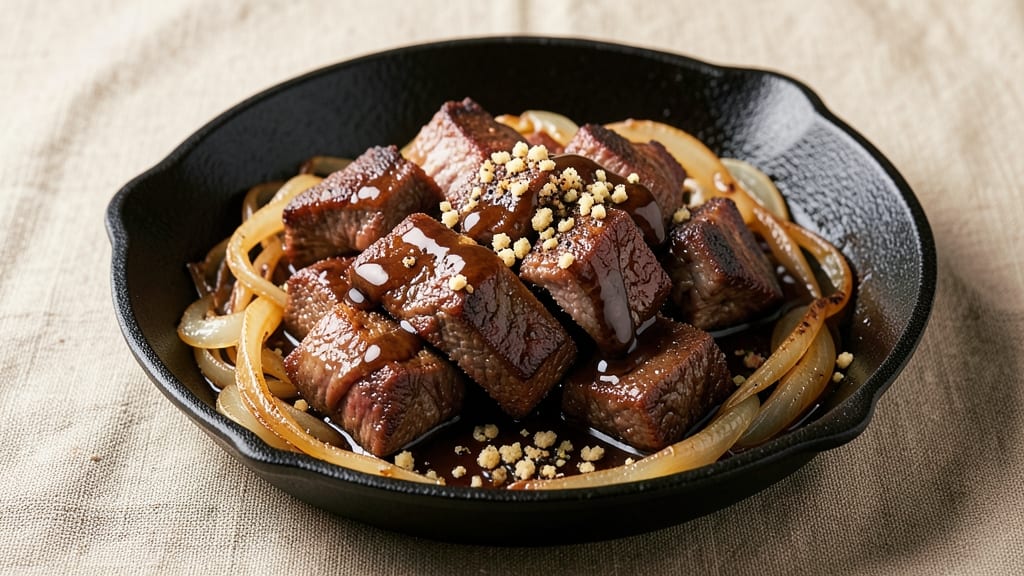
This beef belly burnt ends recipe delivers the kind of deep, caramelized richness that turns weeknight dinners into restaurant-worthy feasts. The secret lies in slow-braising until the connective tissue melts into a velvety sauce that clings to every tender bite.
I've perfected this Kansas City-style method over years of testing, balancing traditional techniques with modern shortcuts for home cooks.
The process begins with blanching the beef belly to remove impurities, then seasoning it with a bold blend of spices and brown sugar that creates a flavorful crust. Slow cooking transforms tough cuts into fork-tender pieces with a glossy, caramelized exterior that practically dissolves on your tongue.
This method builds layers of flavor that take hours to develop, but the results are worth every minute.
What you'll end up with is a dish that's rich, smoky, and irresistibly tender—each bite packed with caramelized beef and its own little pool of savory sauce. The aroma alone will have everyone gathering around your table, and the texture is pure comfort food perfection.
Perfect for feeding a crowd or meal prepping for the week ahead.
Whether you're using a slow cooker, Dutch oven, or Instant Pot, this recipe adapts to your kitchen while delivering professional-quality results. The key is patience and attention to detail at each step, from the initial sear to the final shred. Let's get cooking to that melt-in-your-mouth tenderness you've been craving.
Ingredients for beef belly burnt ends
A few bold ingredients transform tough beef belly into melt-in-your-mouth burnt ends perfection.
| Ingredient | Amount | Notes |
|---|---|---|
| Beef Belly 🥩 | 4 lb | Thick-cut, well-marbled preferred |
| Brown Sugar 🍯 | ½ cup | Light or dark variety |
| Kosher Salt 🧂 | 1 ½ tbsp | Diamond Crystal preferred |
| Black Peppercorns 🌶️ | 1 tbsp | Coarsely cracked, not ground |
| Smoked Paprika 🌶️ | 1 tbsp | High-quality for smoky depth |
| Garlic Powder 🧄 | 1 tbsp | Freshly ground preferred |
| Onion Powder 🧅 | 1 tbsp | For sweet base flavor |
| Beef Broth 💧 | 1 ½ cups | Low-sodium preferred |
| Apple Cider Vinegar 🍎 | ¼ cup | For tangy brightness |
| Yellow Onion 🧅 | 1 whole | Chopped, for aromatics |
| Carrot 🥕 | 2 whole | Chopped, for color and texture |
| Celery Stalk 🌿 | 2 whole | Chopped, for classic mirepoix |
| Fresh Thyme 🌿 | 2 sprigs | Stems removed for infusion |
| Fresh Rosemary 🌿 | 1 sprig | Woody stems removed |
| Butter 🧈 | 2 tbsp | Cold, for finishing |
The beef belly is the star—look for thick, well-marbled cuts at Whole Foods or your local butcher. Costco often carries pre-cut slabs that save time. If you're buying whole, ask for the thickest section possible. The marbling is what gives you that luxurious, buttery texture when cooked low and slow. For best results, trim off any excess fat before seasoning, but leave some for flavor. Smoked paprika is non-negotiable here—Penzeys or McCormick Gourmet brands deliver that authentic Kansas City smokiness.
No smoked paprika? Substitute with a mix of regular paprika and liquid smoke—start with half the amount of liquid smoke, then adjust to taste. Fresh thyme and rosemary can be swapped for dried at one-third the amount, but fresh infuses so much better. The apple cider vinegar adds brightness that balances the richness—Bragg is my go-to, but any organic brand works. For the mirepoix, baby carrots or frozen chopped veggies save prep time without sacrificing flavor. And if you're short on beef broth, low-sodium chicken broth plus a splash of soy sauce gets you close.
This dish tastes even better the next day as flavors meld. Store in the fridge for 4-5 days or freeze for up to 3 months—portion into single servings for easy reheating. The sauce thickens as it cools, so add a splash of broth when reheating. For meal prep, I double the batch and freeze half—perfect for lazy weeknights when you crave that smoky, caramelized comfort. The burnt ends keep well in the fridge, but the sauce is best used within 3 days for peak freshness.
Why You'll Love This Recipe
- One-Pot Magic: I swear by this recipe when I don’t want to scrub a million dishes—just one Dutch oven, 3 hours of hands-off cooking, and boom. The brown sugar and smoked paprika caramelize right in the pot while you sip wine or watch a movie. Honestly, the cleanup is almost as satisfying as the final bite.
- Caramelized Crunch Perfection: That crispy edge with the creamy center? Chef’s kiss. The secret’s in the butter finish—those 2 tbsp of cold butter tossed in at the end turn the burnt ends into little flavor bombs. The brown sugar and vinegar give it this perfect balance of sweet, smoky, and tangy that’ll have you licking the plate.
- Weeknight Hero: Between us, this is my go-to when I need to feed a crowd but don’t want to slave away. The 3-hour braise means it’s ready when you are—no last-minute stress. Serve it over mashed potatoes, in sliders, or even on a charcuterie board. It’s the kind of dish that makes you look like a pro without trying.
- Budget-Friendly Luxury: Beef belly is cheaper than steak but tastes like you spent a fortune. The 4 lb cut stretches far, and the spices cost pennies. Plus, those leftovers? Store them for 4-5 days or freeze them for 3 months—because once you make this, you’ll want to make it again. My freezer’s packed with portions I pull out for lazy Sundays.
Step-by-step instructions for beef belly burnt ends
Here's how to transform tough beef belly into melt-in-your-mouth burnt ends with caramelized edges.
Prepare the Beef Belly for Maximum Flavor
Start by trimming any large fat deposits from the 4 lb beef belly, leaving a thin layer of fat intact. This fat will render during cooking and baste the meat. Pat the beef belly dry with paper towels—this step is crucial for developing that coveted caramelized crust later.
In a small bowl, combine the 0.5 cup brown sugar, 1.5 tbsp kosher salt, 1 tbsp coarsely cracked black peppercorns, 1 tbsp smoked paprika, 1 tbsp garlic powder, and 1 tbsp onion powder. Rub this mixture generously over every inch of the beef belly, pressing it into the meat so it adheres well. Let it sit at room temperature for 1 hour while you prepare the rest of your ingredients. This resting period allows the spices to penetrate the meat and develop deeper flavor.
Build the Flavor Base in the Dutch Oven
Heat a Dutch oven over medium heat and add the chopped 1 whole yellow onion, 2 whole carrots, and 2 whole celery stalks. Cook for 8-10 minutes, stirring occasionally, until the vegetables soften and begin to caramelize slightly. This aromatic vegetable base forms the flavor foundation of your burnt ends.
Add the 2 sprigs fresh thyme and 1 sprig fresh rosemary (with stems removed) to the Dutch oven. Stir for 1 minute to infuse their flavors into the vegetables. Then pour in the 0.25 cup apple cider vinegar and scrape up any browned bits from the bottom of the pot—these bits are packed with flavor. Let the vinegar simmer for 2 minutes until it reduces slightly and the aromatics are fragrant.
Braise the Beef Belly Low and Slow
Carefully place the seasoned beef belly fat-side up into the Dutch oven. Pour in the 1.5 cups beef broth, making sure the liquid covers about two-thirds of the meat. Bring to a gentle simmer over medium-low heat, then reduce to the lowest setting that maintains a bare simmer. Cover with a tight-fitting lid and cook for 3 hours.
After 3 hours, check the beef belly for tenderness. It should be fork-tender but not falling apart. If it's not quite there, continue braising for another 30-60 minutes. The key here is patience—the slow cooking breaks down the connective tissue, transforming tough beef belly into tender, flavorful bites. Resist the urge to peek or stir, as this can disrupt the cooking process and create a less tender result.
Finish with Caramelized Crust and Butter
Once the beef belly is fork-tender, carefully remove it from the Dutch oven and place it on a cutting board. Let it rest for 10 minutes while you prepare the finishing sauce. Increase the heat under the Dutch oven to medium-high and simmer the braising liquid for 5-7 minutes to reduce it slightly and intensify the flavors.
Remove the beef belly from the cutting board and cut it into 1-inch cubes. Return these cubes to the Dutch oven and stir gently to coat them in the reduced braising liquid. Add the 2 tbsp cold butter and stir until it melts, creating a glossy finish that enhances the caramelized edges. Let everything simmer together for 2-3 minutes, allowing the butter to coat the beef belly pieces evenly. This step is what creates that signature burnt end texture—crispy on the outside, tender on the inside.
Pro Tips For Making Beef Belly Burnt Ends
- Don’t Rush the Rest: That 1-hour room temp rest for the beef belly isn’t just busywork—it lets the spices sink in and keeps the meat from releasing juices too early. I used to skip it, and the burnt ends always tasted duller, like they needed another layer of flavor. Trust the process.
- Crack, Don’t Grind, Pepper: Coarsely cracked black peppercorns (not powder) add texture and depth that ground pepper can’t match. I learned this after making burnt ends with pre-ground pepper—same flavor, but nowhere near as satisfying. Use a mortar and pestle or roll them under a heavy pan.
- Keep the Lid On: Peeking or stirring the beef belly during the 3-hour braise is the fastest way to ruin the tender texture. The steam does all the work—let it build undisturbed. I’ve opened the lid too soon twice, and both times, the meat came out chewy instead of fork-tender.
- Save the Butter for Last: Adding the 2 tbsp cold butter at the very end isn’t just for flavor—it’s what creates those crispy, caramelized edges. If you melt it earlier, you’ll lose that glossy finish. I used to toss it in with the veggies, and the burnt ends never had that same restaurant-quality crunch.
Creative variations of this recipe
Kansas City Smoky Style
This is the classic approach that made burnt ends famous, and it starts with that signature smoky depth. After braising, I add 1 tbsp extra smoked paprika to the reduced sauce and finish with 2 tbsp brown sugar to caramelize the edges further.
Serve with white bread for dipping—this is pure Kansas City tradition. The key here is using high-quality smoked paprika like Penzeys for that authentic barbecue flavor. 🌶️
Spicy Cajun Twist
For a Louisiana-inspired variation, swap the garlic and onion powders for 1 tbsp Cajun seasoning (I use Tony Chachere's) and add 1 tsp cayenne pepper to the spice rub. Use Cajun-style hot sauce like Crystal instead of apple cider vinegar for the braising liquid.
The result is a fiery, spicy profile that still maintains the tender texture. Garnish with sliced green onions and hot sauce for serving.
Asian-Inspired Five-Spice
This fusion version replaces the thyme and rosemary with 1 tsp Chinese five-spice powder and adds 1 tbsp grated fresh ginger to the mirepoix. Use coconut aminos instead of beef broth for a subtle sweetness, and finish with 1 tbsp hoisin sauce and 1 tsp sesame oil when serving.
The five-spice blend adds a warm, aromatic complexity that pairs beautifully with the caramelized beef. Serve over steamed jasmine rice for a complete meal.
Sweet and Tangy BBQ Fusion
For a modern take, reduce the braising liquid with ½ cup BBQ sauce (I recommend St. Louis-style like Sweet Baby Ray's) instead of apple cider vinegar. Add 1 tbsp molasses to the spice rub for extra depth.
After braising, glaze the burnt ends with a mix of ¼ cup BBQ sauce and 1 tbsp butter, then broil for 2-3 minutes to create a sticky, caramelized crust. This version has all the smoky-sweet flavors we love but with a BBQ twist.
Herb-Forward Mediterranean
Swap the fresh thyme and rosemary for 1 tbsp dried oregano and 1 tsp dried basil, then add 2 minced garlic cloves to the mirepoix.
Use dry white wine instead of beef broth for braising, and finish with 2 tbsp feta cheese crumbles and a drizzle of extra virgin olive oil. This version has a bright, herbaceous profile that's perfect for spring or summer gatherings. Serve with crusty bread and a simple Greek salad.
Nutrition facts
Frequently asked questions
Why does beef belly need to rest before cutting?
The 10-minute rest after braising lets the juices redistribute, preventing them from running out when you cut. This keeps each bite moist and flavorful. Skipping this step can leave your burnt ends dry and less tender.
Can I use a slow cooker instead of a Dutch oven?
Brown the beef belly first in a skillet, then transfer it to the slow cooker with all ingredients. Cook on low for 8 hours or high for 5 hours. The texture will be slightly different but still delicious. Just add 2 tbsp extra butter at the end for that signature finish.
What if my burnt ends aren't tender enough?
Check for doneness by inserting a fork—it should slide in easily with no resistance. If still tough, return to the pot with ½ cup extra beef broth and cook another 30-60 minutes. Avoid rushing; patience is key to breaking down the connective tissue.
How do I reheat burnt ends without drying them out?
Reheat in the Dutch oven or skillet with 2 tbsp beef broth over medium-low heat for 5-7 minutes, stirring occasionally. Avoid microwaving—it turns them rubbery. For leftovers, store in the fridge for 4-5 days or freeze for 3 months.
Can I make burnt ends in an Instant Pot?
Yes! Sear the beef belly first, then add all ingredients and cook on high pressure for 60 minutes. Quick-release the pressure, then finish with 2 tbsp butter and 2 tbsp brown sugar on sauté mode for 3 minutes to caramelize. The texture will be slightly different but still rich and tender.