
Sauces & Condiments
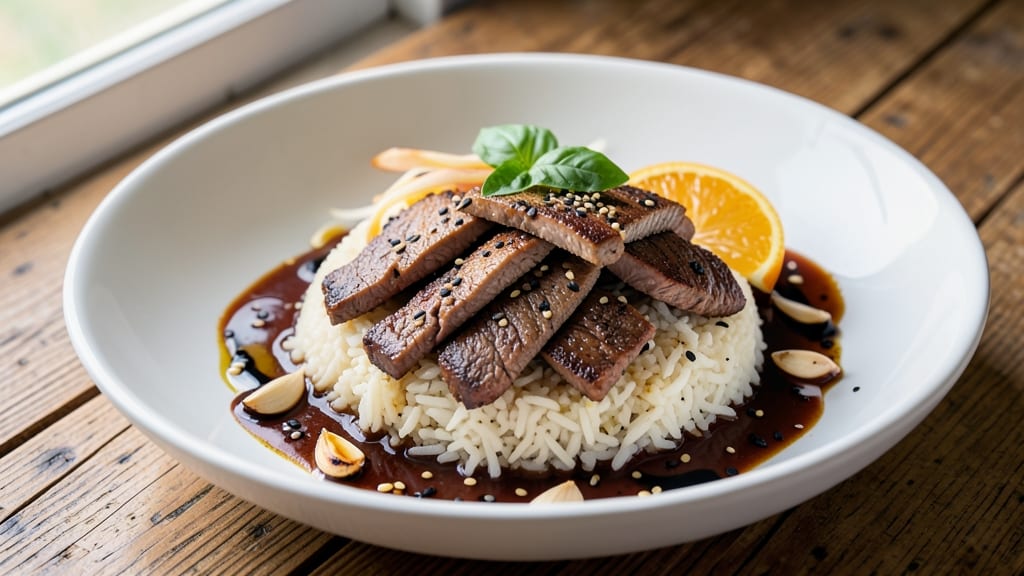
This beef and rice sauce recipe transforms simple ingredients into a rich, umami-packed sauce that elevates any dish with minimal effort. The slow simmering process develops deep, savory flavors while the rice adds natural thickening—no cornstarch required.
Perfect for drizzling over rice bowls, noodles, or grilled proteins, this sauce delivers restaurant-quality depth in just one pot.
The secret lies in balancing beef stock, soy sauce, and aromatic spices like garlic and ginger, then letting the sauce reduce until it reaches the ideal consistency—thick enough to coat but still silky smooth.
No advanced techniques are needed; just patience and a few basic pantry staples. What you'll end up with is a versatile sauce that transforms ordinary meals into something extraordinary.
Ingredients for beef and rice sauce
Ten pantry staples create a restaurant-worthy sauce with deep umami and silky texture—no tricks, just technique.
| Ingredient | Amount | Notes |
|---|---|---|
| Beef Stock 🥩 | 4 cups | High-quality, low-sodium preferred |
| White Rice 🍚 | ½ cup | Long-grain, uncooked, for thickening |
| Soy Sauce 🍶 | ¼ cup | Light or dark variety, for umami |
| Garlic Cloves 🧄 | 6 cloves | Minced, for aromatic depth |
| Fresh Ginger 🌿 | 1 tbsp | Grated, for zesty brightness |
| Sesame Oil 🫒 | 1 tbsp | Toasted, for nutty aroma |
| Brown Sugar 🍬 | 1 tbsp | Light, for subtle sweetness |
| Vegetable Oil 🫒 | 1 tbsp | For initial searing |
| Diamond Crystal Kosher Salt 🧂 | 1 tsp | Adjust to taste |
| Black Peppercorns 🌶️ | ½ tsp | Freshly cracked, for heat |
The beef stock is non-negotiable for authentic depth. Kitchen Basics or Pacific Foods brands deliver consistent quality, but homemade stock elevates this further. For the rice, jasmine or basmati adds floral notes that complement the sauce beautifully. Garlic and ginger should be freshly grated or minced—pre-minced jars lack the aromatic punch. Sesame oil adds complexity, so opt for toasted varieties from Trader Joe's or specialty Asian markets where the flavor is more pronounced. Brown sugar balances the savory notes without overpowering the umami.
No beef stock? Mushroom or vegetable stock works in a pinch, though the flavor profile shifts slightly. Substitute rice with arrowroot powder or cornstarch at half the amount for thickening, but the texture won't be identical. Fresh ginger too spicy? Reduce to 0.5 tbsp grated—the sauce will still benefit from its warmth. For extra richness, add 1 tbsp of miso paste (white or red) during the final simmer. The soy sauce can be swapped for coconut aminos if soy-free is required, though the color will differ slightly.
Store the sauce in an airtight container in the fridge for up to 5 days—it actually improves overnight as flavors meld. For longer storage, freeze in ice cube trays and transfer to a bag once solid. Reheat gently on low heat, stirring occasionally to prevent scorching. This sauce reheats beautifully and can be used to glaze proteins, drizzle over noodles, or stir into rice bowls for instant elevation.
Why You'll Love This Recipe
- One-Pot Magic: I swear by this—just toss everything into one pot, simmer, and walk away. No fancy techniques, no last-minute grocery runs for obscure ingredients. The beef stock and soy sauce do the heavy lifting while you chop a few garlic cloves and grate some ginger. That’s it.
- Umami Bomb: The moment that rich beef stock meets the deep, salty punch of soy sauce? Pure flavor payoff. The garlic and ginger sizzle just enough to wake up every grain of rice, turning simple white rice into something dangerously addictive. (Yes, even my picky husband finishes his plate.)
- Lunchbox Hero: Between us, this is my go-to for meal prep. Cook a big batch on Sunday, portion it into containers, and you’ve got lunch sorted for the week—no sad desk lunches here. The rice stays fluffy, the sauce clings perfectly, and it reheats like a dream. (My kids actually eat their leftovers. A miracle.)
- Pantry Staple Power: Honestly, this recipe costs me about $10 for a week’s worth of meals. Beef stock, rice, soy sauce—ingredients you already own or can grab for pennies. It’s the kind of dish that stretches your budget without stretching your patience. Plus, the leftovers? They taste just as good cold the next day.
Step-by-step instructions for slow-simmered beef and rice sauce
This method delivers deep umami flavor through precise layering and slow reduction.
Build the Aromatic Base
Heat the 1 tablespoon vegetable oil in a heavy-bottomed pot over medium heat until shimmering. Add the 6 cloves minced garlic cloves and 1 tablespoon grated fresh ginger, cooking for 2-3 minutes until fragrant and just beginning to color—this prevents bitter flavors. Add the 0.5 cup white rice and toast for 1 minute, stirring constantly to avoid burning.
The rice will absorb the oil and develop a nutty aroma. This initial toasting creates the foundation for the sauce's thickening power while preventing a raw flavor. Keep the heat at medium—too high will scorch the aromatics before they release their full potential.
Develop the Umami Foundation
Pour in the 4 cups beef stock and bring to a gentle boil. Reduce heat to low and simmer uncovered for 15 minutes, stirring occasionally. Add the 0.25 cup soy sauce, 1 tablespoon brown sugar, 1 tsp diamond crystal kosher salt, and 0.5 tsp cracked black peppercorns, stirring to combine.
This simmering phase allows the rice to begin breaking down while the stock reduces slightly, concentrating its flavor. The soy sauce and brown sugar will dissolve completely, creating a balanced umami-sweet base. Taste after 10 minutes—you should detect the garlic and ginger's depth without any bitterness.
Thicken and Infuse with Depth
Continue simmering for an additional 20-25 minutes until the sauce thickens to a pourable but coatable consistency—it should cling to the back of a spoon. Stir in the 1 tablespoon sesame oil during the final 5 minutes of cooking to add nutty aroma without overpowering the umami.
Watch the sauce closely in these final minutes. It should reduce enough to coat the back of a spoon but remain smooth, not grainy. If it thickens too quickly, add 1-2 tablespoons water to maintain the desired texture. The sesame oil should be fully incorporated by the end, adding a delicate toasted note.
Rest and Adjust for Perfection
Remove from heat and let the sauce rest for 10 minutes. This resting period allows the flavors to meld completely and the rice to fully absorb the liquid, creating a silky texture. Taste and adjust seasoning—add more soy sauce for umami or brown sugar for sweetness if needed.
The sauce should now have a rich, velvety texture with layers of garlic, ginger, and beef stock flavor. If serving immediately, reheat gently over low heat while stirring constantly to prevent scorching. This sauce works beautifully over noodles, rice, or as a dipping sauce for dumplings.
Pro Tips For Making Beef And Rice Sauce
- STIR CONSTANTLY AT FIRST: The first 3 minutes after adding stock to the rice are when the sauce either clumps or shines—your wrist will get tired, but this is when the rice absorbs flavor fastest. I used to walk away for "just a second," and that’s when the bottom turned to glue.
- PEEL GINGER THICK: Leave the skin on ginger when slicing it thin—it protects the flesh from turning to mush in the stock. After slicing, peel it right before adding to the pot, so it doesn’t leach bitterness into the water.
- SALT THE STOCK LATE: Add soy sauce and any extra salt only after the rice has simmered for 10 minutes. Early salting makes the rice absorb too much liquid and dulls the garlic’s punch—wait until the flavors are married but the rice still has bite.
- USE DAY-OLD RICE: Cold, dry rice from yesterday absorbs the beef stock like a sponge without turning mushy. If you’re in a rush, microwave leftover rice for 30 seconds to revive it—just don’t overdo it, or you’ll end up with paste.
Flavor customization for these flavors
Spicy Kick Boost
For heat lovers, add 1 teaspoon of gochujang (Korean chili paste) or ½ teaspoon of cayenne pepper during the final 5 minutes of simmering. This adds a smoky, spicy depth that pairs perfectly with the sauce's umami richness.
I like to balance it with an extra ½ teaspoon of brown sugar to soften the heat. 🌶️
Creamy Twist
Transform this sauce into a velvety version by stirring in ¼ cup of coconut milk or 2 tablespoons of heavy cream during the last 10 minutes of cooking. The creaminess works beautifully over rice bowls or as a dipping sauce for spring rolls.
For extra richness, add 1 tablespoon of butter at the end for a restaurant-style finish.
Herb-Infused Freshness
Brighten the sauce with 1 tablespoon of chopped fresh cilantro or thyme leaves during the final 5 minutes of simmering. These herbs add a fresh, aromatic contrast to the deep umami flavors.
If using cilantro, add it just before serving to preserve its vibrant color and flavor. For a more robust herb profile, try 1 teaspoon of chopped parsley or basil instead.
Sweet and Tangy
Add a tangy-sweet dimension by incorporating 1 tablespoon of rice vinegar and ½ teaspoon of honey during the final 5 minutes of cooking. This combination adds brightness and complexity, making the sauce even more versatile for dishes like rice bowls or noodles.
The vinegar also helps balance any richness from added cream or coconut milk.
Smoky Depth
For a smoky flavor profile, add ½ teaspoon of smoked paprika or 1 teaspoon of liquid smoke during the initial aromatics step. This works especially well if you're using the sauce as a glaze for grilled meats or as a dipping sauce for smoked proteins.
The smokiness enhances the beef stock's natural depth without overpowering the other flavors.
Umami Bomb
Take the umami to the next level by adding 1 tablespoon of fish sauce or 1 teaspoon of miso paste during the final 10 minutes of simmering. These ingredients add a savory punch that elevates the sauce's complexity.
If using miso, opt for a white miso to avoid overpowering the dish with too much saltiness. 💪
Nutrition facts
Frequently asked questions
Can I make this sauce without beef stock?
Yes, but the flavor will change. For a vegetarian version, use 4 cups mushroom or vegetable stock instead. The umami depth will be more earthy, so add 1 extra tablespoon of soy sauce or 1 teaspoon of miso paste to compensate. For a meaty texture without beef, try 1 cup finely chopped mushrooms sautéed with the aromatics.
How do I know when the sauce is thick enough?
The perfect consistency coats the back of a spoon but remains pourable—not grainy like glue. Test by dipping a spoon in the sauce, then lifting it horizontally. If it leaves a thin, even coating without dripping, it's ready. If too thin, simmer uncovered for 5-10 more minutes. If too thick, whisk in 1 tablespoon water at a time until smooth.
Can I make this sauce ahead of time?
This sauce actually tastes better the next day as flavors meld. Store in an airtight container in the fridge for up to 5 days. For longer storage, freeze in ice cube trays (thaw in microwave or fridge) or in 1-cup portions in freezer bags. Reheat gently on low heat, stirring constantly to prevent scorching.
What's the best way to use leftover sauce?
This versatile sauce elevates countless dishes! Drizzle over steamed rice or noodles, use as a dipping sauce for dumplings or spring rolls, or glaze grilled chicken or tofu. For extra richness, stir in 1 tablespoon butter or 1 teaspoon sesame oil before serving. The sauce also makes an excellent base for stir-fries or grain bowls.
Why did my sauce turn out too salty?
Most likely, your stock or soy sauce was high-sodium. To fix it, add 1-2 tablespoons of water and simmer for 5 minutes to dilute. For future batches, use low-sodium stock and reduce soy sauce to 2 tablespoons. If you prefer homemade stock, reduce salt by half during preparation. Taste as you go—adjust gradually to avoid overcorrecting.