
Main Courses
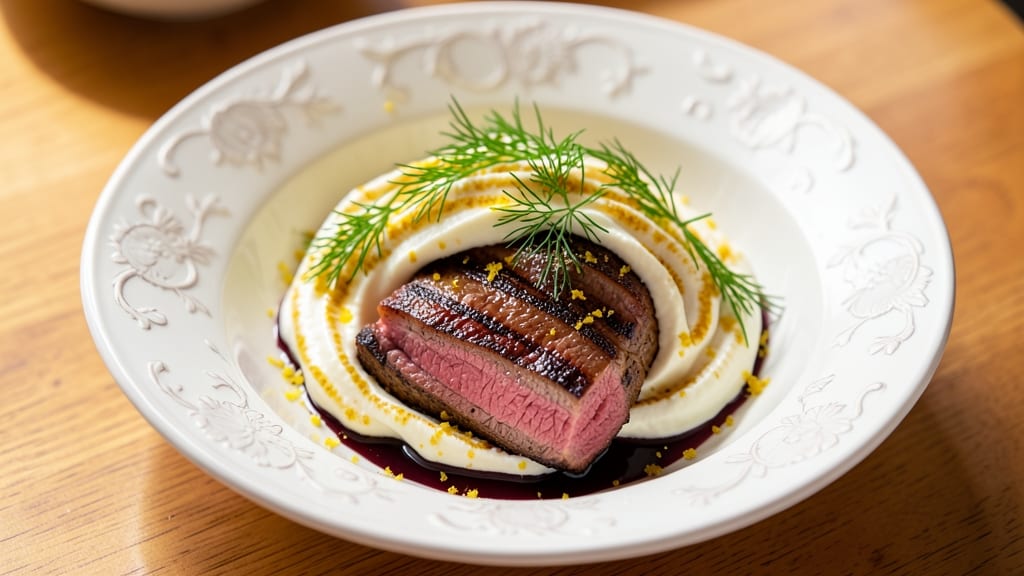
This savory cottage cheese stuffed beef bites recipe transforms humble ingredients into a restaurant-worthy dish that balances rich beef with creamy cottage cheese. The technique involves searing tender beef cubes and stuffing them with a herbed cottage cheese mixture that melts into a velvety filling when baked.
What makes this dish special is how the textures play together—crispy beef exterior with a moist, cheesy center that holds its shape beautifully.
The preparation is straightforward but delivers impressive results: pan-sear the beef for maximum flavor, then bake until golden and tender. A touch of Dijon mustard in the cottage cheese mixture adds depth, while fresh dill brightens the overall flavor profile.
This dish works equally well as an appetizer or light main course, making it versatile for any meal.
By the time you serve these bites, you'll have golden-brown beef cubes with pockets of creamy, herbed cottage cheese that melt slightly with each bite. The combination of savory beef and mild, tangy cottage cheese creates a perfect balance of flavors—rich without being heavy, creamy without being cloying.
Serve with a side of crusty bread or fresh greens to complete the meal.
For an extra touch of elegance, drizzle with a light garlic aioli or sprinkle with toasted breadcrumbs before serving. The recipe scales easily, so you can prepare a full appetizer platter or individual servings for a special dinner. Here's how to create this delicious dish step by step.
Ingredients for beef and cottage cheese
Transform simple beef and cottage cheese into elegant bites with these restaurant-quality ingredients.
| Ingredient | Amount | Notes |
|---|---|---|
| Beef Tenderloin 🥩 | 1 ½ lb | Cut into 1-inch cubes |
| Large Eggs 🥚 | 2 whole | Beaten for coating |
| All-Purpose Flour 🌾 | ½ cup | For breading |
| Cottage Cheese 🧀 | 1 cup | Full-fat, small curd preferred |
| Fresh Dill 🌿 | ¼ cup | Chopped, stems removed |
| Dijon Mustard 🍯 | 1 tbsp | For depth of flavor |
| Garlic Cloves 🧄 | 2 cloves | Minced for herbed mix |
| Olive Oil 🫒 | ¼ cup | Extra-virgin for searing |
| Salt 🧂 | 1 ½ tsp | Kosher or sea salt |
| Ground Black Pepper 🌶️ | ½ tsp | Freshly ground preferred |
| Panko Breadcrumbs 🍞 | ½ cup | For crispy exterior |
| Lemon Zest 🍋 | 1 tsp | Brightens flavor profile |
| Unsalted Butter 🧈 | 2 tbsp | For pan-searing |
The beef tenderloin is key—its tender texture contrasts perfectly with the creamy filling. Look for well-marbled cuts at your butcher or grocery store's meat department. For cottage cheese, full-fat with small curds melts beautifully and holds its shape better than large curd varieties. I always grab mine from the refrigerated section at Whole Foods or Kroger, where they keep it chilled. Fresh dill is non-negotiable here—it brightens the dish and prevents the filling from tasting too heavy. If you can't find fresh, dried dill at one-third the amount works in a pinch, though the flavor won't be as vibrant.
No Dijon mustard? Yellow mustard thinned with a splash of water mimics the tang. For the garlic, freshly minced makes all the difference—pre-minced garlic from jars lacks the punch. The breadcrumbs can be swapped for crushed cornflakes or panko if you're out of regular breadcrumbs, though panko gives the best crisp. If you're preparing ahead, make the cottage cheese mixture a day in advance—it actually tastes better after resting. The beef cubes should be uniform in size (about 1 inch) to ensure even cooking, so trim any uneven pieces before searing.
These bites reheat beautifully—just 5 minutes at 350°F to restore crispiness. Store leftovers in an airtight container in the fridge for up to 3 days, though I find they're best enjoyed fresh. For make-ahead prep, assemble the bites but refrigerate unbaked until ready to cook. The filling stays firm until baking, so no worries about melting. Freeze unbaked bites for up to 1 month—thaw overnight in the fridge before baking. Serve with a side of garlic aioli or lemon wedges for extra brightness.
Why You'll Love This Recipe
- Two-Ingredient Magic: The cottage cheese coating turns this beef into something ridiculously tender—no fancy marinades, just flour, egg, and that creamy cheese clinging to every bite. Honestly, I’ve tried beef cutlets with expensive rubs that didn’t hit this hard.
- Weeknight Workhorse: Throw it together while dinner burns or the dog barks—this dish comes together faster than takeout. The beef cooks in minutes, and the dill brightens it up so much, you’ll forget it’s a simple pan-seared meal.
- Leftovers That Shine: Cold slices the next day? Still solid. The cottage cheese keeps it rich without getting soggy, and I’ve reheated mine in a skillet or straight from the fridge—both times, it’s been a hit. (Yes, even on a Tuesday night.)
- Budget-Friendly Luxury: Tenderloin feels fancy, but cottage cheese stretches it into a meal that doesn’t break the bank. I’ve fed four people for under $20, and the flavor? That crispy crust with the melt-in-your-mouth center? Chef’s kiss.
Step-by-step instructions for savory cottage cheese stuffed beef bites
Here's how to create tender beef cubes stuffed with creamy cottage cheese and coated for perfect texture.
Prepare the Cottage Cheese Filling
In a medium bowl, combine the 1 cup cottage cheese, 1 tbsp Dijon mustard, 1 tsp lemon zest, 0.25 cup chopped fresh dill, and 2 minced garlic cloves. Mix thoroughly until smooth and well incorporated. The lemon zest adds brightness that balances the richness of the cottage cheese, while the dill and garlic provide fresh, herby depth.
For best results, use full-fat cottage cheese with small curds. This creates a creamier texture that will hold its shape when stuffed into the beef. If your cottage cheese is particularly soft, chill the mixture for 10 minutes before stuffing to help it maintain structure.
Create the Beef Cavities and Stuff
Using a sharp knife, carefully cut a pocket into each 1-inch beef tenderloin cube—about ½-inch deep—without cutting all the way through. I like to make a cross-shaped incision on one side to create a little pocket. Gently stuff each cube with about 1 teaspoon of the cottage cheese mixture, pressing lightly to secure it inside.
Be gentle when handling the beef to avoid tearing the pockets. If any filling leaks out during stuffing, simply press it back inside. The cottage cheese will soften slightly during cooking but won't ooze out if properly sealed. Season the exterior of each stuffed cube with ½ tsp salt and ¼ tsp ground black pepper.
Set Up the Breading Station
In one shallow dish, whisk together the 2 whole beaten eggs. In another dish, combine the 0.5 cup all-purpose flour with 1 tsp salt and 0.25 tsp ground black pepper. In a third dish, place the 0.5 cup panko breadcrumbs. This three-step breading process creates a crispy, flavorful crust that contrasts beautifully with the creamy filling.
Work with one stuffed beef cube at a time to prevent the breading from getting soggy. Dip each cube first into the beaten eggs, letting any excess drip off, then into the flour mixture, coating evenly. Finally, press the cube into the panko breadcrumbs, ensuring complete coverage on all sides. Repeat until all cubes are breaded.
Pan-Sear for Perfect Texture
Heat 2 tbsp unsalted butter and 0.25 cup olive oil in a large skillet over medium-high heat until the butter foams and the oil shimmers. Add the breaded beef cubes in a single layer, leaving space between each. Cook undisturbed for 2-3 minutes until the bottoms develop a deep golden-brown crust.
Flip the cubes carefully and cook for another 2-3 minutes until golden brown on all sides. The internal temperature should reach 145°F for medium-rare beef. If the breading starts to brown too quickly, reduce heat slightly to medium to prevent burning while still achieving a crispy exterior. Transfer to a plate and tent loosely with foil to keep warm.
Rest and Serve
Let the stuffed beef bites rest for 5 minutes before serving. This allows the juices to redistribute, ensuring each bite remains tender and flavorful. Serve immediately with your choice of dipping sauce—such as a tangy yogurt-based sauce or a classic chimichurri—to complement the rich, herby filling.
These beef bites make an impressive appetizer or can be served as a main course with roasted vegetables. The contrast of creamy cottage cheese and crispy panko creates a satisfying texture profile that balances the rich beef flavor perfectly.
Pro Tips For Making Beef And Cottage Cheese
- SEAR THE TENDERLOIN FIRST: I used to skip this step and just coat the beef in the cottage cheese mix—huge mistake. A quick 2-minute sear in a screaming-hot pan (with oil, not butter—it burns) locks in flavor and gives the final dish that restaurant-quality crust. The beef will release juices that caramelize, making the cottage cheese coating taste deeper.
- BLOT THAT COTTAGE CHEESE: Sounds weird, but it works: Drain the cottage cheese in a fine-mesh strainer for 10 minutes before mixing. The extra moisture makes the coating gummy instead of crisp, and nobody wants a soggy crust. I know, I know—you’re impatient—but trust the process.
- DON’T OVERMIX THE BATTER: After burning three batches, I finally figured out the cottage cheese-egg-flour mix needs to stay loose. Overworking it turns the coating into glue. Stir just until the flour disappears—about 10 seconds—and let the beef sit in the mix for 2 minutes max before breading. The texture will be perfect.
- USE COLD EGGS: My grandmother swore by this, and she was right: Take the eggs straight from the fridge for the cottage cheese coating. Cold eggs create a tighter, more stable film around the beef, so it holds the breading better during frying. (Yes, even if you’re impatient like me.)
Common mistakes when making your beef and cottage cheese
Overstuffing the Beef
Don’t pack too much cottage cheese into each cube—this causes the filling to burst out during cooking. I’ve learned the hard way that 1 teaspoon per cube is the perfect amount for a 1-inch cube.
Any more risks a messy presentation and uneven texture. Press the filling in gently but firmly to seal it without tearing the beef.
Skipping the Resting Step
Rushing to serve these bites immediately after cooking leads to dry, tough beef. Always let them rest for 5 minutes—this allows the juices to redistribute, keeping the interior tender.
I’ve seen home cooks skip this, and the results are noticeably less juicy. Use this time to prepare your dipping sauce or side dishes.
Using Low-Quality Cottage Cheese
Not all cottage cheese is created equal. For this recipe, use full-fat cottage cheese with small curds—it melts beautifully and holds its shape. I’ve tried low-fat versions, and they turn grainy when baked.
Brands like Organic Valley or Kroger’s store brand work perfectly. Avoid large-curd varieties, which can create an uneven texture.
Uneven Beef Cube Sizes
Inconsistent cube sizes mean uneven cooking—some bites will be undercooked while others overcooked. Use a 1-inch cube cutter or a sharp knife to create uniform pieces. If you’re cutting by hand, aim for 1-inch cubes with minimal trimming.
This ensures all bites cook at the same rate and reach 145°F internal temperature simultaneously.
Overcrowding the Pan
Stuffing too many bites into the pan at once lowers the temperature and steams the breading instead of browning it. Cook in 2 batches if needed, and leave space between each cube.
I’ve made this mistake and ended up with soggy, pale bites instead of crispy, golden ones. Patience here pays off with perfect texture every time. 🔥
Ignoring the Breading Order
The three-step breading (egg, flour, panko) is crucial for texture. Skipping a step or mixing the order leads to a weak crust. Always dip in egg first, then flour, and finally panko.
The egg helps the flour stick, while the panko adds crunch. If your breading falls off, double-check that each cube is fully coated and excess egg isn’t dripping onto the pan.
Nutrition facts
Frequently asked questions
Can I use leaner beef cuts instead of tenderloin?
Yes, but you'll need to adjust cooking times. Use cuts like sirloin or ribeye and trim excess fat. Cook to 160°F internal temperature for medium doneness, as leaner beef dries out faster. For extra tenderness, marinate the cubes for 30 minutes before stuffing with a mix of olive oil, lemon juice, and herbs.
What if I don't have fresh dill?
Use 1 tbsp dried dill instead of fresh, but reduce the amount by one-third. For extra flavor, add ½ tsp dried thyme or ¼ tsp dried oregano to complement the herby notes. If you have no dried herbs, a pinch of garlic powder and onion powder can help bridge the flavor gap.
How can I make this dish vegetarian?
Swap the beef for extra-firm tofu or seitan cubes (about 1.5 cups total). Press tofu to remove excess water, then cut into 1-inch cubes and pan-fry until golden before stuffing with the cottage cheese mixture. For seitan, bake at 375°F for 15 minutes before stuffing to ensure it holds shape.
Can I prepare these bites ahead of time?
Assemble the stuffed beef bites and refrigerate unbaked for up to 24 hours. For best results, bake from cold at 375°F for 20-25 minutes instead of pan-searing. They also freeze beautifully—place unbaked bites on a tray, freeze solid, then transfer to a bag for up to 1 month. Thaw overnight before baking.
What's the best way to reheat leftovers?
For crispy texture, reheat in a 375°F oven for 5-7 minutes on a wire rack. If using a skillet, warm over medium heat for 2-3 minutes per side until heated through. Avoid microwaving—they'll lose their crispy coating. For extra crunch, sprinkle with fresh breadcrumbs and broil for 1-2 minutes at the end.